Best Italian Sausage Recipe: Authentic Homemade & Grilling Tips
Let's cut to the chase. The best Italian sausage isn't found in a plastic package at the supermarket. It's the one you make yourself, where you control the quality of the pork, the balance of fennel and garlic, and the exact level of spice. Forget the dry, crumbly, or overly salty store-bought versions. This guide walks you through a family-tested recipe and the pro techniques that most online tutorials gloss over. We're talking about achieving that perfect snap, juicy interior, and deeply aromatic flavor that defines authentic homemade Italian sausage.
What You'll Find Inside
Why Your Homemade Italian Sausage Will Be Better
You might think making sausage is for butchers. It's not. It's for anyone tired of guessing what's in their food. Commercial sausages often use meat trimmings, excess fat, and a heavy hand with salt and preservatives to extend shelf life. When you make it, you start with a cut you choose—like pork shoulder (Boston butt). You decide the fat ratio (aim for 25-30% for juiciness). You grind fresh garlic and toast whole fennel seeds moments before mixing. The difference in flavor is night and day.
Economy is another factor. A whole pork shoulder is cheaper per pound than pre-ground meat or packaged sausages. You get more food for your money, and it's better food.
But the real win is customization. Love spicy sausage? Add more red pepper flakes. Prefer a sweeter, milder flavor? Dial back the pepper and add a touch more fennel. Want it leaner? You can adjust (though I don't recommend going below 20% fat). This control is impossible with a pre-sealed pack.
What You Need Before You Start
You don't need a professional kitchen. Here’s the breakdown.
The Essential Equipment
A meat grinder. A stand-mixer attachment works great for home use. A dedicated electric grinder is faster for larger batches. If you have neither, ask your butcher to grind pork shoulder twice for you—specify a medium grind.
A sausage stuffer is ideal, but a stuffing attachment for your grinder works. For your first try, you can skip casing entirely and make salsiccia fresca (fresh sausage patties). It's less intimidating and just as delicious.
Sharp knives, a large mixing bowl, and a kitchen scale. Weighing ingredients, especially salt, is non-negotiable for consistent results.
Pro Tip: Keep everything cold. I put my grinder parts, mixing bowl, and even the meat in the freezer for 30 minutes before starting. Warm meat smears, doesn't grind cleanly, and the fat can begin to melt, ruining the texture.
The Core Ingredients (For 5 lbs of Sausage)
| Ingredient | Quantity & Notes | Purpose & Source Tip |
|---|---|---|
| Pork Shoulder (Boneless) | 4 lbs (80% lean, 20% fat ratio) | Provides flavor and juiciness. Ask for "Boston butt." |
| Pork Back Fat | 1 lb | Essential for moisture and texture. Your butcher will have this. |
| Kosher Salt (Diamond Crystal) | 2 tablespoons + 2 teaspoons | Seasoning and preservation. Weigh it for accuracy (about 40g). |
| Fresh Garlic | 8-10 cloves, minced | Aromatic base. Use fresh, not powder. |
| Fennel Seeds | 4 tablespoons, lightly toasted | The signature flavor. Toasting unlocks their oils. |
| Black Peppercorns | 2 tablespoons, coarsely ground | Heat and bite. Grind fresh. |
| Crushed Red Pepper Flakes | 1-2 tablespoons (to taste) | For heat. Start with 1 tbsp for mild, 2+ for hot. |
| Dry White Wine | 1/2 cup | Adds brightness and helps distribute spices. |
| Natural Hog Casings (32-35mm) | About 10 feet, soaked | The classic casing. Find them online or at specialty stores. |
Most recipes just list ingredients. I'm telling you where the pitfalls are. The fat ratio is critical—too lean and it's dry, too fatty and it shrinks excessively. And please, toast your own fennel seeds. Pre-ground fennel loses its soul.
Step-by-Step: Crafting Your Sausage
1. Prep the Meat and Spices
Cube the pork shoulder and back fat into 1-inch pieces. Spread them on a parchment-lined tray and freeze for 20-30 minutes until firm but not solid. This is the single best trick for a clean grind.
While the meat chills, toast the fennel seeds in a dry skillet over medium heat until fragrant, about 2 minutes. Let them cool, then crack them roughly in a mortar and pestle or spice grinder. You want texture, not a fine powder. Mince the garlic.
2. Grind and Mix
Assemble your cold grinder. Grind the chilled meat and fat through a medium plate (4.5mm-6mm) into your cold mixing bowl.
Now, add the salt, cracked fennel, black pepper, red pepper, and garlic over the meat. Pour the white wine evenly across the top. This is where most people mix poorly. Use your (clean, cold) hands to mix for a solid 3-4 minutes. You're not just combining; you're developing the myosin protein in the meat. It will become sticky and tacky—this is good. It means the sausage will bind properly and hold together when cooked.
Critical Test: Before you stuff, cook a small patty. Fry it in a pan and taste it. This is your only chance to adjust seasoning. Need more salt? More fennel? Add it now. This step separates the home cook from the pro.
3. Stuffing the Casings (The Fun Part)
Rinse your soaked hog casings by running water through them to check for leaks. Lubricate your stuffer tube with water. Carefully thread the entire casing onto the tube, leaving a few inches hanging off the end.
Feed the meat mixture into the stuffer. Turn the crank or press the plunger slowly and steadily. Use your free hand to guide the emerging sausage, letting it fill the casing without forcing it. Aim for a firm but not taut fill. If you see air pockets, prick them with a sterilized pin.
Once all the meat is stuffed, twist the sausage into 5-6 inch links. Alternate the direction of your twists to keep them secure.
My first batch looked like a drunken snake. It takes practice. If they burst, don't panic—just patch with more casing or make that section into a patty.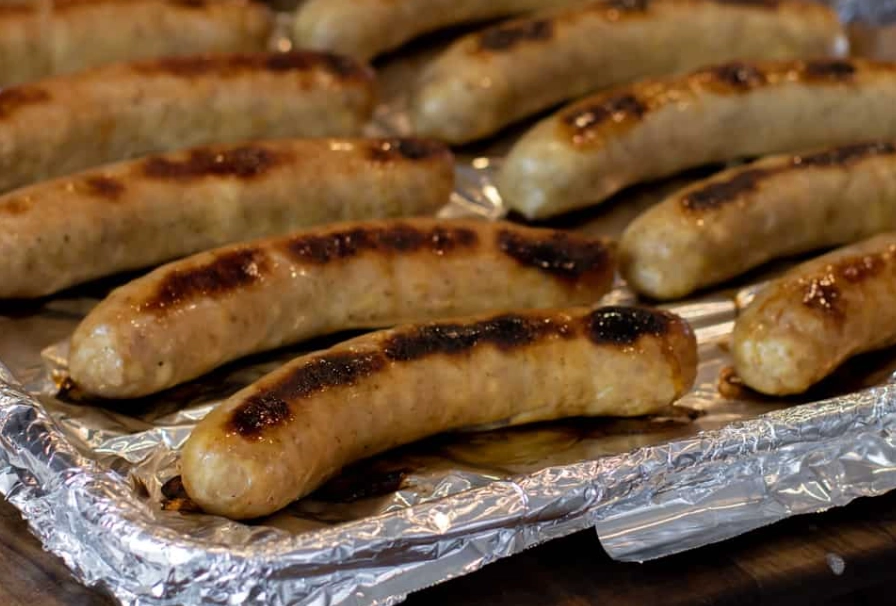
How to Grill Italian Sausage Without Drying It Out
You've made beautiful sausages. Now don't ruin them on the grill. The biggest mistake is high, direct heat from start to finish. That guarantees a charred exterior and a raw, greasy interior.
The Two-Zone Method is your friend. On a charcoal grill, pile coals on one side. On gas, turn burners on one side to medium-high, leave the other off.
Start the sausages over indirect heat (the cooler side). Cover the grill and let them cook slowly for 15-20 minutes. This gently renders the fat and cooks the inside through without burning.
Then, move them over direct heat for 2-3 minutes per side. This gives you those gorgeous grill marks and the final caramelization. The internal temperature should reach 160°F (71°C). Use a thermometer. Guessing is for amateurs.
Let them rest for 5 minutes off the heat before serving. This lets the juices redistribute. Cutting into them immediately lets all that flavor run onto your plate.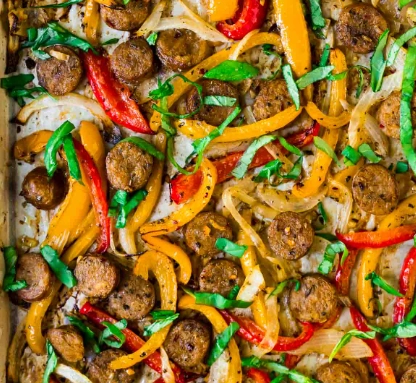
Your Sausage-Making Questions, Answered
Making the best Italian sausage at home is a rewarding project. It connects you to the food in a way buying a package never can. You control the process from selecting the pork to the final sizzle on the grill. Start with patties to build confidence, then dive into stuffing. Once you taste that first juicy, perfectly spiced link you made yourself, the store-bought stuff just won't cut it anymore.
Related Articles
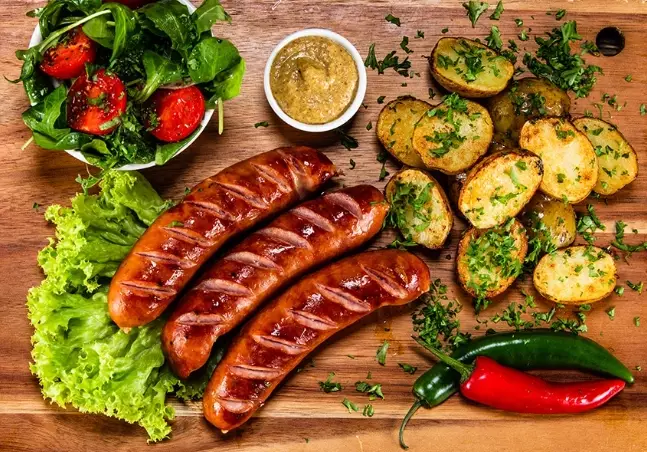
What Side Dishes to Serve with Sausage? 15 Perfect Pairings & Recipes
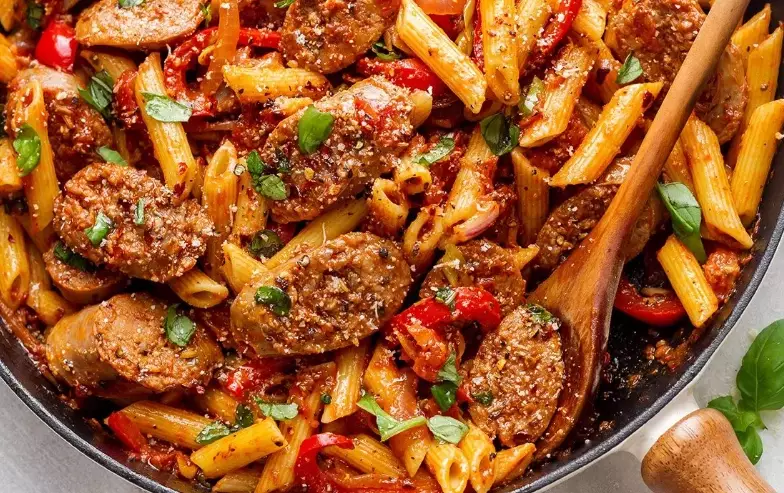
Italian Sausage Pasta Recipes: A Complete Guide to Classic Comfort Food
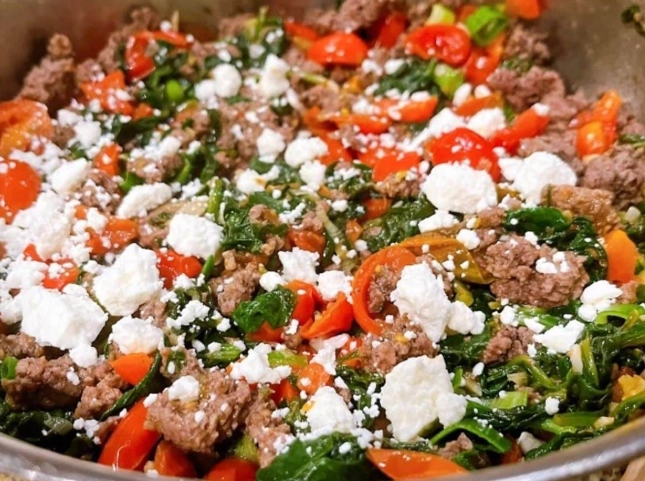
Ultimate Guide to Italian Baked Ground Beef Recipes
Italian Christmas Dinner Courses: A Complete Traditional Feast Guide

Authentic Italian Cookie Recipes: From Biscotti to Amaretti