Authentic Italian Meatball Sauce Recipe: A Family Secret Revealed
Let's be honest. Most recipes for Italian meatball sauce promise authenticity but deliver something that tastes more like sweet, bland tomato soup with chewy hockey pucks floating in it. I've been there. For years, my "Sunday Gravy" was a source of mild embarrassment, not family pride. The turning point came after pestering my friend's Sicilian nonna for details she considered "just common sense." That's when I realized the gap between a good sauce and a great one isn't about fancy ingredients—it's about a handful of non-negotiable techniques most recipes gloss over.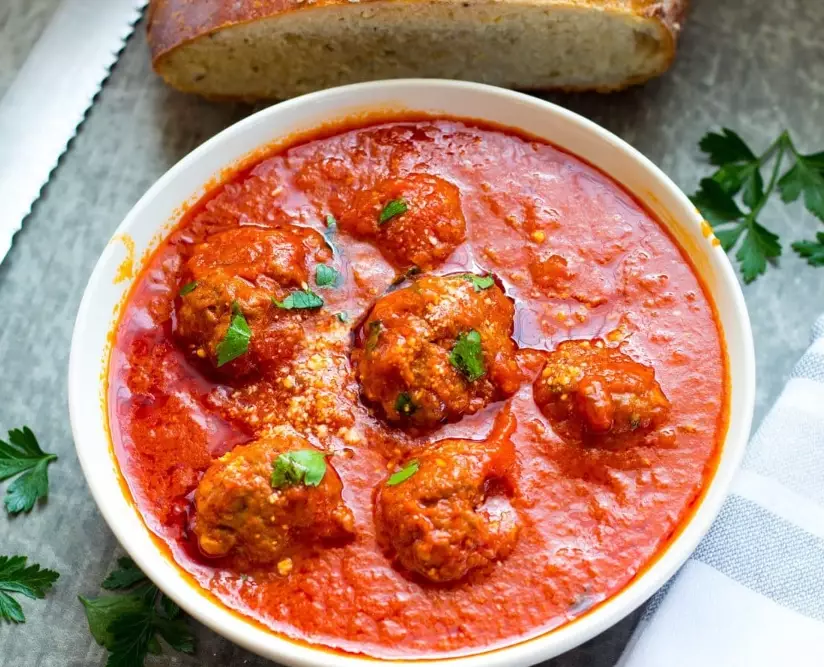
This recipe isn't just a list of ingredients. It's the why behind each step, built to solve the specific problems that plague home cooks: tough meatballs, a one-dimensional sauce, and that nagging feeling something's missing.
What's Cooking Inside?
The Core Philosophy: Why This Sauce Works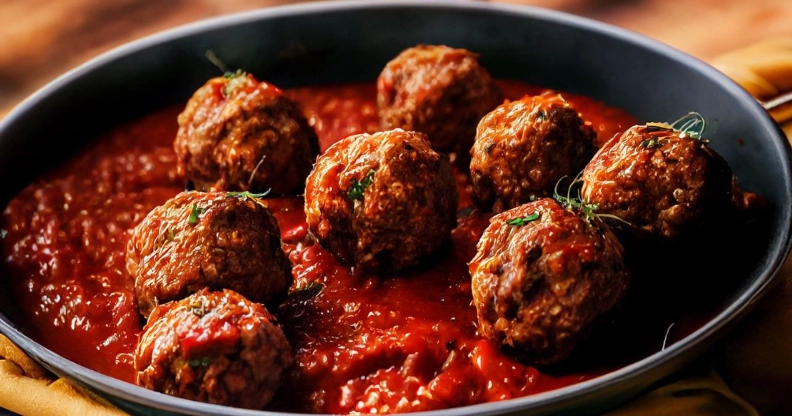
Authentic Italian meatball sauce, often called "Sunday Gravy" in Italian-American households, is a slow-cooked tomato sauce where meatballs are simmered directly in the pot. This is the magic. The meatballs aren't cooked separately and added later. As they gently poach in the sauce for hours, they release their savory, umami-rich fats and juices directly into the tomatoes, thickening the sauce and giving it an incredible depth of flavor that you simply cannot achieve any other way.
Conversely, the acidic tomatoes help break down the proteins in the meat, resulting in unbelievably tender meatballs. It's a symbiotic relationship. If you're baking or pan-frying your meatballs separately and plopping them into a finished sauce, you're missing the entire point.
Ingredients Breakdown: More Than Just Tomatoes
Quality matters, but you don't need imported everything. Here’s what to focus your budget on and where you can save.
| Ingredient | Specific Recommendation & Why | Potential Substitute (if needed) |
|---|---|---|
| Tomatoes | Whole peeled San Marzano tomatoes (D.O.P. certified if possible). They are less acidic, sweeter, and have fewer seeds than standard Romas. Crush them by hand for the perfect texture. | High-quality whole peeled plum tomatoes. Avoid pre-crushed or "sauce" products which often contain additives. |
| Tomato Paste | Double-concentrated tomato paste. You'll "toast" it in the pot to caramelize its sugars and eliminate the tinny flavor. This is a game-changer for richness. | Regular tomato paste, but cook it for a full 2-3 minutes until it darkens slightly. |
| Meat Blend | 80/20 ground beef + ground pork (50/50 mix). The fat is flavor and moisture. Using only lean beef is the #1 reason for dry meatballs. Pork adds fat and a subtle sweetness. | All 80/20 beef works. A little ground veal is a luxurious addition. Avoid turkey or chicken for this classic version. |
| Bread & Milk | Stale Italian bread soaked in whole milk. This "panade" is the scientific secret to tender meatballs, keeping them moist during the long cook. No breadcrumbs. | Panko breadcrumbs soaked in milk can work in a pinch, but the texture is slightly denser. |
| Wine | A dry white wine (like Pinot Grigio) or a light red. It deglazes the pot and adds a layer of acidity that balances the tomatoes. The alcohol cooks off. | A splash of dry vermouth or even low-sodium beef broth. |
| Cheese | Freshly grated Pecorino Romano. It's saltier and sharper than Parmigiano-Reggiano, cutting through the richness better. Never use pre-grated. | Parmigiano-Reggiano is fine, but you may need to adjust salt. |
Meatball Mastery: The Secret to Tenderness
Here's the expert mistake I see all the time: overworking the meat mixture. You're making meatballs, not kneading bread dough. Combine the ingredients with your hands just until everything is evenly distributed. The moment it comes together, stop. Overmixing develops the proteins in the meat, making them bind too tightly and resulting in a tough, springy texture.
How to Mix and Form Meatballs Correctly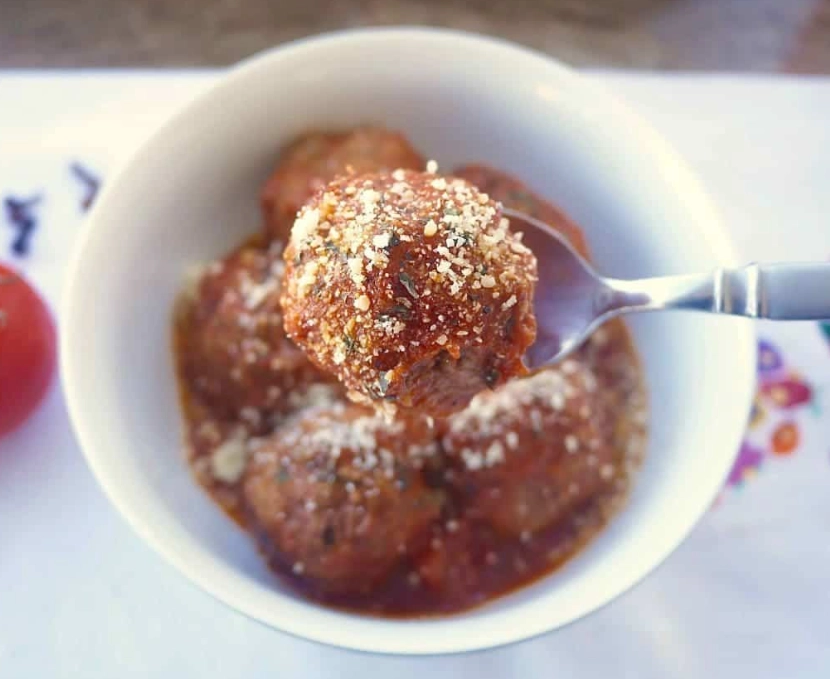
Wet your hands with cold water before forming each meatball. This prevents sticking and lets you roll them gently without compacting the meat. Aim for golf-ball to slightly larger size (about 1.5 inches). Consistency is key so they cook evenly. Don't roll them into perfect spheres; a slightly rustic shape is fine and holds sauce better.
To Brown or Not to Brown?
This is a holy war in Italian cooking. I fall firmly in the "brown them first" camp, but with a specific technique. A quick, high-heat sear in olive oil isn't about cooking them through—it's about creating a flavorful fond (the browned bits) on the bottom of the pot and giving the meatballs a textured exterior that won't disintegrate in the sauce. 2-3 minutes per side, just until golden, then set them aside. You'll deglaze that fond with wine, capturing all that flavor for the sauce.
The Sauce Simmering Process (Step-by-Step)
This is where patience pays off. Rushing a meatball sauce is like not letting a stew braise—you get none of the benefits.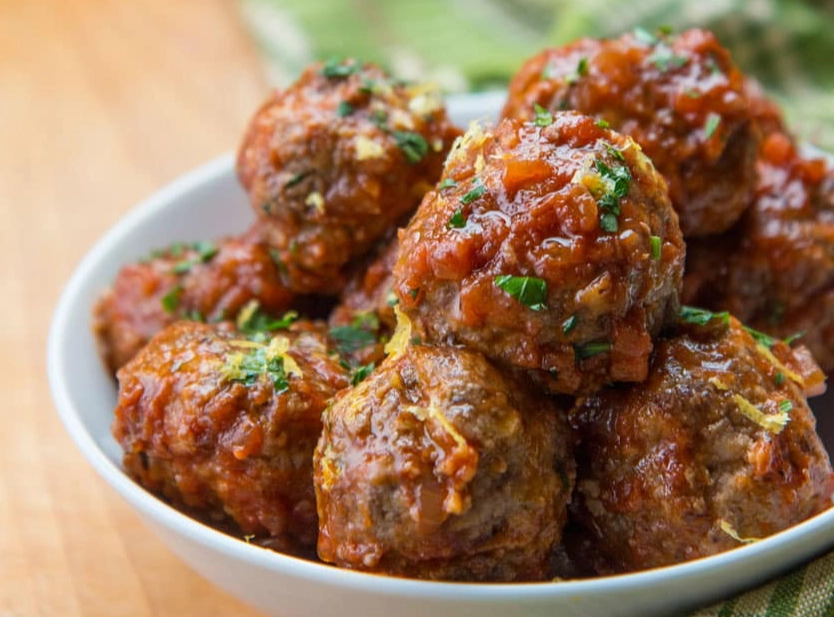
Start your soffritto. Cook diced onion in olive oil over medium-low heat until translucent, about 8 minutes. Add minced garlic and cook for 1 minute until fragrant.
The tomato paste trick. Push the veggies to the side. Add 2 tablespoons of tomato paste to the cleared spot in the pot. Let it cook and "toast" for 2 minutes, stirring just the paste. Then mix it into the onions.
Deglaze. Pour in 1/2 cup of dry white wine. Scrape up all the browned bits from the meatballs with a wooden spoon. Let it simmer until reduced by half.
Tomatoes in. Add your hand-crushed San Marzanos, a few basil leaves, your Parmesan rind, and salt. Bring to a very gentle bubble.
The union. Carefully nestle the browned meatballs into the sauce. They should be mostly submerged. The sauce should just barely simmer—a few lazy bubbles breaking the surface. A rapid boil will make the meatballs tough and the sauce bitter.
Now, walk away. For at least 2 hours, preferably 3. Stir very gently occasionally to prevent sticking on the bottom. You'll watch the sauce darken from bright red to a deep, brick red and thicken to a luscious, coating consistency.
3 Common Pitfalls and How to Dodge Them
1. Tough, Dry Meatballs: Caused by using lean meat, no panade (bread/milk soak), overmixing, or boiling the sauce. Fix: Use 80/20 meat, include the soaked bread, mix gently, and maintain the gentlest possible simmer.
2. Watery, Thin Sauce: Usually from using canned crushed tomatoes with added puree or water, not simmering long enough, or crowding the pot with too many meatballs. Fix: Use whole tomatoes you crush yourself, simmer uncovered to reduce, and ensure your pot is the right size.
3. Lack of Depth / One-Dimensional Flavor: Skipping the tomato paste toasting step, not browning the meatballs, or forgetting the Parmesan rind. Fix: Don't rush the foundational steps. The flavor is built in layers.
Serving, Pairing & Storing Your Masterpiece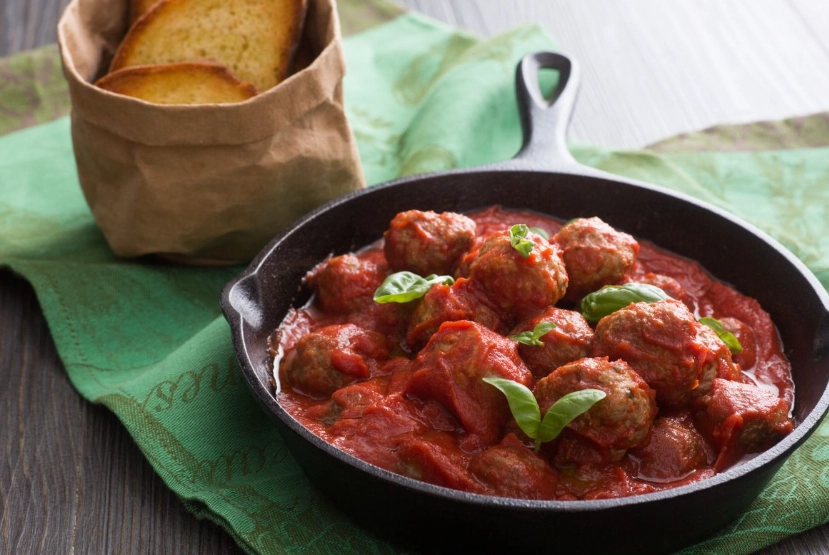
Toss the sauce with al dente spaghetti or rigatoni. Serve the meatballs on top or mixed right in. Always reserve a cup of pasta cooking water to loosen the sauce if needed. Grate more Pecorino on top.
This is a rich dish. Pair it with a simple green salad with a sharp vinaigrette to cut the fat, and a medium-bodied red wine like Chianti Classico or Montepulciano d'Abruzzo.
It tastes even better the next day. Store cooled sauce and meatballs in an airtight container in the fridge for up to 4 days, or freeze for up to 3 months. Reheat gently on the stovetop with a splash of water.
Your Meatball Sauce Questions, Answered
Can I make Italian meatball sauce in a slow cooker or Instant Pot?
You can, but with caveats. For a slow cooker, you must brown the meatballs and sauté the soffritto on the stove first to develop flavor. Then combine everything and cook on LOW for 6-8 hours. For an Instant Pot, use the Sauté function for browning and toasting, then pressure cook on High for 20-25 minutes with a full natural release. The texture of the sauce will be good, but the meatballs can become almost too soft. The stovetop method gives you more control over the reduction and final texture.
My meatballs keep falling apart in the sauce. What am I doing wrong?
This usually points to two issues: insufficient binder or adding meatballs to a boiling sauce. First, ensure your panade (bread/milk mixture) is properly soaked and incorporated—it's the primary binder. Second, make sure your sauce is at a very gentle simmer, not a rolling boil, when you add the meatballs. The violent motion of a boil can break them apart. Let them set in the gentle heat for 10 minutes before stirring.
What's the difference between marinara sauce and meatball sauce?
This is crucial. Marinara is a quick, light tomato sauce made in about 30-45 minutes with just tomatoes, garlic, herbs, and olive oil. It's a condiment. Meatball sauce (Sunday Gravy) is a slow-cooked, meat-based ragù where the meat is cooked within the sauce. It's a complete dish, richer, thicker, and more complex due to the long integration of meat and tomato fats. They are not interchangeable.
Related Articles

The scale of securities lending and securities lending has dropped by more than
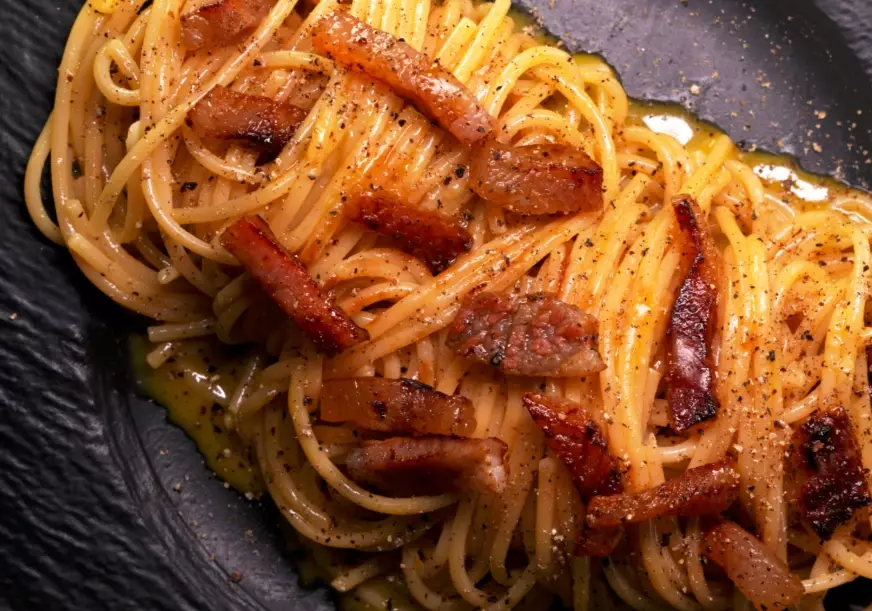
Authentic Carbonara Recipe: The ONLY Way to Make It Right
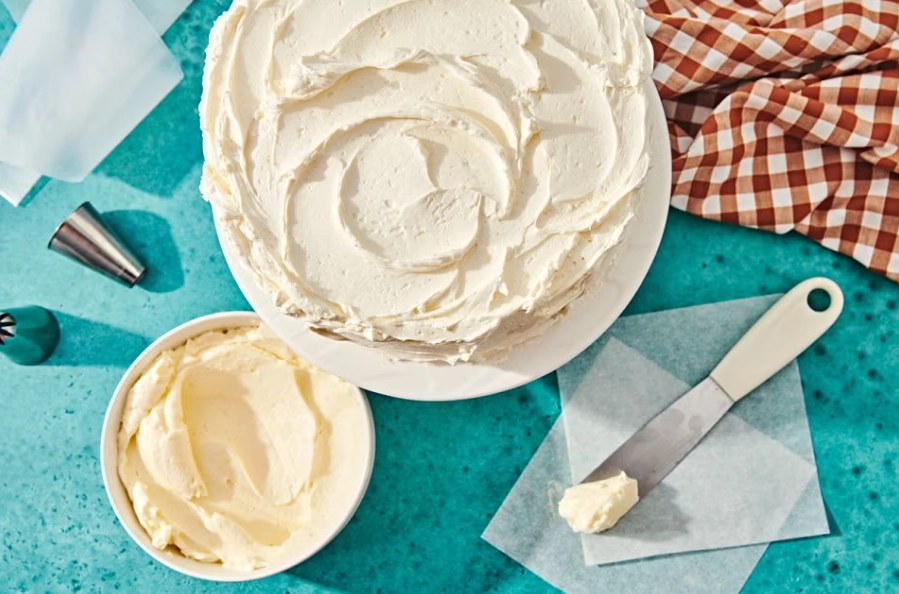
Italian Buttercream Recipe: How to Make Perfectly Smooth Frosting

Restarting private investment|"Caijing" special report
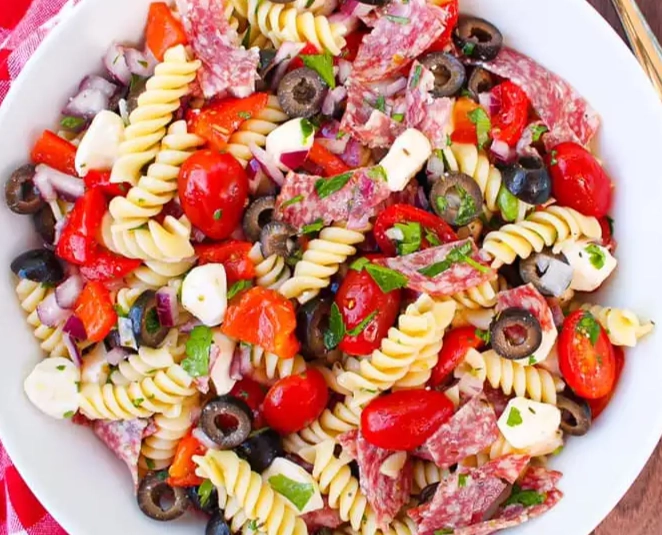
Italian Pasta Salad Recipe: The Ultimate Guide for Perfect Results