Italian Beef Spices: The Secret Blend for Authentic Chicago-Style Sandwiches
You're probably here because you took a bite of a messy, glorious Italian beef sandwich and thought, "What is in this?" Or maybe you tried to make it at home and something just felt off. The soul of a real Chicago Italian beef isn't just the thinly sliced roast—it's the specific blend of spices that seasons the meat and, crucially, creates its signature "au jus" dipping sauce. Forget generic "Italian seasoning." The authentic profile is a precise, balanced mix of earthy, garlicky, and spicy notes. After years of eating my way through Chicago's iconic stands and perfecting my own recipe, I can tell you most home cooks overdo the oregano and completely miss one subtle ingredient that makes all the difference.
Your Quick Guide to Italian Beef Spices
What is the Core Spice Blend for Italian Beef?
Let's cut to the chase. The foundation is a dry rub applied to the beef before slow-cooking. While every family and restaurant has its slight variation (Portillo's recipe is a closely guarded secret), the consensus among Chicago pitmasters and butchers revolves around a handful of key players.
Here’s the breakdown of the essential Italian beef spices and what they bring to the party:
| Spice | Primary Role |
|---|---|
| Dried Oregano | The backbone. Provides the classic "Italian" earthy, slightly bitter aroma. |
| Garlic Powder (not fresh) | Deep, allium base note that permeates the meat and jus evenly. |
| Crushed Red Pepper Flakes | Provides the characteristic mild heat. Not optional. |
| Black Pepper | Sharp, pungent kick that cuts through the richness. |
| Onion Powder | Sweetness and depth, complementing the garlic. |
| Secret Weapon: Fennel or Celery Salt | The "what is that?" factor. Adds a subtle anise or savory note. |
Notice what's not on the primary list: basil, thyme, rosemary. While not unheard of, they're not part of the classic Chicago street cart profile. They can push the flavor into "pot roast" territory.
A Note on "Au Jus" vs. Gravy
This is critical. The spiced cooking liquid for Italian beef is a jus, not a thick gravy. It's thin, intensely flavorful, and meant for dipping. The spices don't just season the meat; they steep in the broth for hours, creating a complex, sip-worthy liquid. If your result is thick, you've likely added a roux or tomato paste—that's a different sandwich.
How These Spices Work in the Cooking Process
The magic happens in two stages. First, the dry rub forms a crust on the seared beef. Then, as the meat slow-cooks in a broth (usually a mix of water and beef broth), those spices slowly leach out, seasoning the meat from the outside in and transforming the cooking liquid into the iconic jus.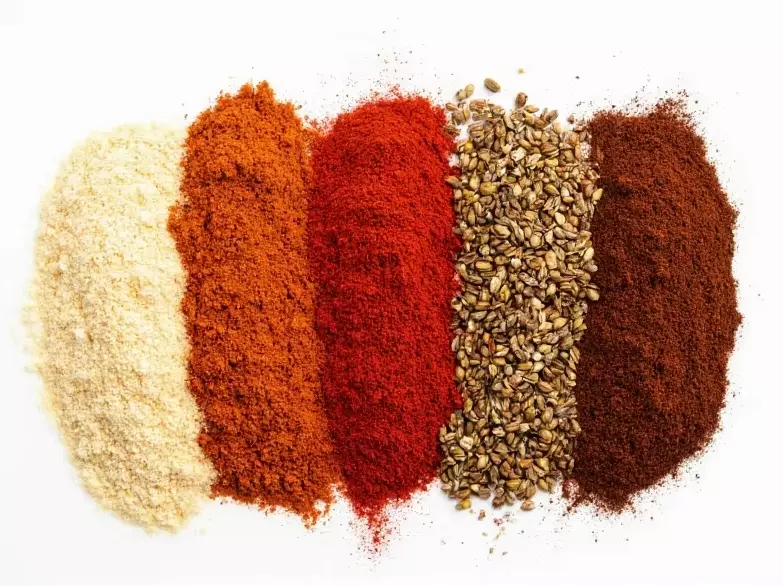
It's a low-and-slow infusion. A three-hour cook won't cut it. You need at least 6-8 hours for the beef to become fork-tender and for the spices to fully marry with the beef fat and collagen, creating a rich, cohesive flavor. The jus should taste balanced—you should be able to pick out the oregano and garlic, feel the warmth of the pepper flakes, and get that hint of something savory in the background (that's the celery salt).
The goal isn't a single overpowering flavor, but a chorus.
How to Make Italian Beef at Home: A Step-by-Step Guide
Let's get practical. Here’s my tested method, scaled for a 4-5 lb chuck roast, the ideal cut for its fat content and flavor.
Step 1: The Spice Mix. In a bowl, combine:
• 2 tablespoons dried oregano (crushed)
• 1 tablespoon garlic powder
• 1 tablespoon onion powder
• 2 teaspoons crushed red pepper flakes (use 1 tsp for mild)
• 1 tablespoon freshly ground black pepper
• 2 teaspoons celery salt OR 1 teaspoon fennel seeds, lightly crushed
• 1 tablespoon kosher salt
Mix it thoroughly. This is your flavor bomb.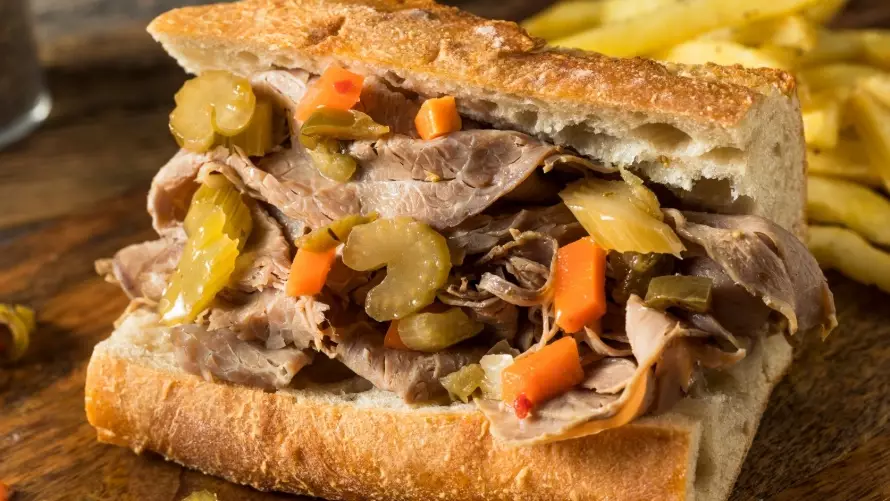
Step 2: Prep & Sear. Pat the chuck roast completely dry. Rub the spice mix all over the meat, pressing it in. Don't be shy. Heat a Dutch oven with a little oil and sear the roast on all sides until deeply browned. This step builds flavor through the Maillard reaction.
Step 3: The Slow Braise. Add enough low-sodium beef broth and water (half and half) to come about halfway up the roast. Scrape up the browned bits (fond) from the bottom—that's pure flavor. Bring to a simmer, then cover and transfer to a preheated 300°F (150°C) oven. Let it go for 6-7 hours, turning once halfway.
Step 4: The Jus & Slice. When the meat shreds easily with a fork, remove it. Strain the cooking liquid—this is your au jus. Let the meat rest, then slice it paper-thin against the grain. This is non-negotiable for texture. I use an electric knife; a very sharp chef's knife works too.
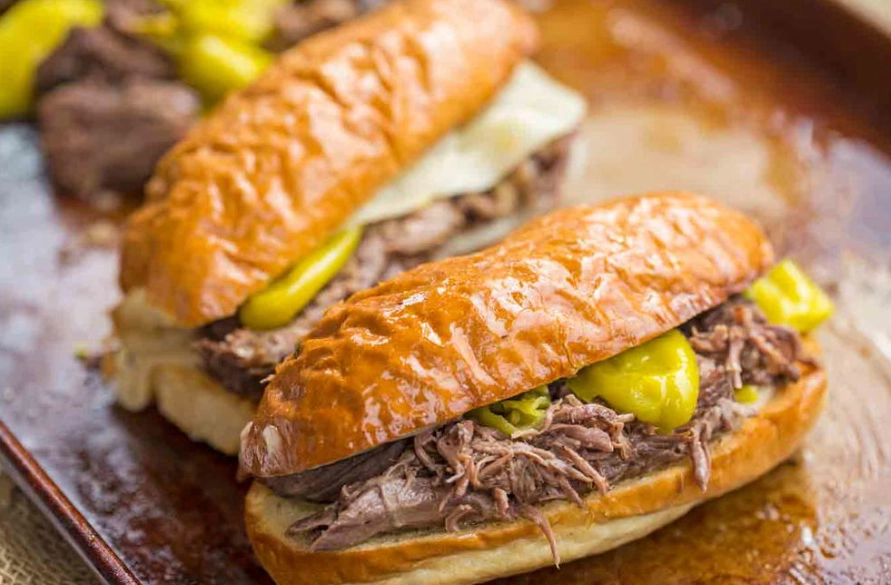
Step 5: The Dip & Serve. Here's the final act. Place the sliced beef back into the strained, defatted au jus. Let it soak for at least 15-30 minutes. This re-moistens the meat and ensures every strand is seasoned. Serve on a soft, Italian-style roll with sweet or hot giardiniera (pickled vegetable relish). Dunk the whole sandwich in a cup of extra jus.
The Spice Mistakes Almost Everyone Makes
I've tasted a lot of failed home attempts. The problem usually isn't the recipe, it's the execution.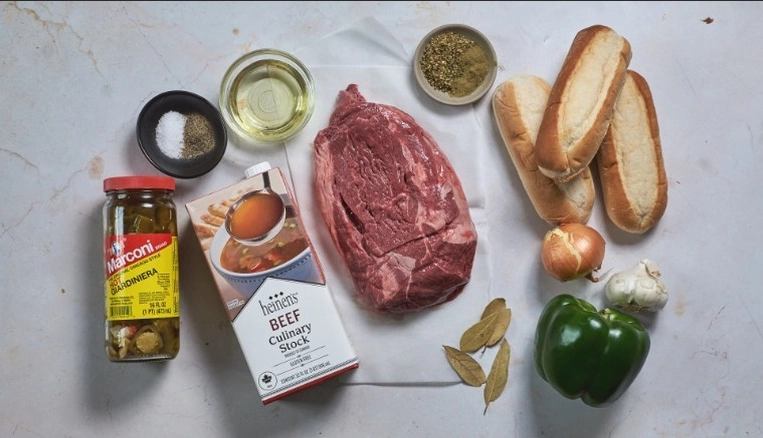
Mistake 1: Using only pre-ground black pepper. It loses its punch. Crack it fresh.
Mistake 2: Skipping the sear. You miss out on tons of flavor complexity. The spices in the rub benefit from that high heat too.
Mistake 3: Not straining the jus. You'll end up with gritty, overcooked spice bits floating in your dip. Strain it through a fine-mesh sieve for a clean, smooth liquid.
Mistake 4: Underseasoning the cooking liquid. Taste your jus after straining. It should be quite salty and flavorful on its own, as the bread will soak it up. Don't be afraid to adjust.
My biggest pet peeve? People who add a splash of red wine or Worcestershire sauce thinking it'll add depth. It just muddies the clear, spicy-herbal profile. Trust the spice blend.
Your Italian Beef Spice Questions, Answered
Can I use fresh herbs instead of dried spices for Italian beef?
For the core seasoning, I don't recommend it. Dried oregano and garlic powder are integral to the authentic texture and dispersal of flavor. Fresh herbs like rosemary or thyme will wilt and turn bitter during the long cook. The dried form provides a more concentrated, stable flavor that stands up to hours of braising.
My Italian beef jus tastes flat, even with all the spices. What did I do wrong?
Flatness usually means insufficient salt or fat. Did you use a low-sodium broth and not adjust? The jus needs enough salt to carry the spices. Also, don't aggressively skim all the fat after cooking. A little rendered beef fat emulsified into the jus adds mouthfeel and richness. Finally, ensure you reduced the jus slightly after straining—simmer it uncovered for 10-15 minutes to concentrate the flavors.
 What's the best substitute for celery salt if I don't have any?
The closest direct substitute is a tiny pinch of ground celery seed. If you don't have that, increase the black pepper slightly and add a very small pinch of smoked paprika. It won't be the same, but it adds a savory depth. In a pinch, a 1/4 teaspoon of chicken bouillon powder can work, but be careful with added salt.
How can I make my Italian beef spicier like some Chicago stands?
There are two ways. First, increase the crushed red pepper flakes in the rub to 1 tablespoon. Second, and more authentically, add 1-2 sliced fresh pepperoncini or a spoonful of their brine to the pot during the last hour of cooking. The vinegar from the brine brightens the flavor while adding heat. The hot giardiniera you serve on top is also key for adjustable, in-your-face spice.
How long can I store the spice mix or the cooked Italian beef?
The dry spice mix can be stored in an airtight container for up to 6 months, though the essential oils in the oregano will fade over time. The fully cooked and sliced beef, stored submerged in its au jus, is fantastic in the fridge for up to 4 days—some argue it tastes even better as the flavors meld. It also freezes beautifully for up to 3 months. Thaw in the refrigerator and reheat gently in the jus.
So there you have it. The spices for Italian beef aren't a mystery, but their balance and application are an art. It's about building layers of flavor through a simple blend, patience, and that final, essential dunk. Skip the jarred "Italian beef seasoning"—it never gets the balance right. Mix your own, sear that roast, and let time do the rest. You'll get a taste of Chicago that beats most takeout.
Related Articles

Top 10 Italian Foods: The Ultimate List of Must-Try Dishes
Perfect Pairings: What to Serve with Italian Sausage for Dinner
Authentic Italian Chicken Cacciatore Recipe: A Hunter's Stew

The medium-sized trap of Internet companies
What are the 4 Classic Italian Dishes? A Food Lover's Guide