What Cut of Meat Makes Authentic Italian Beef? The Ultimate Guide
You see it on menus, you crave it after a long day, and if you're from Chicago, you defend it with civic pride. Italian beef. That glorious, juicy, garlic-and-herb infused mountain of meat piled onto a crusty roll. But when you decide to make it at home, you hit a wall. The recipes all say "beef roast." That's about as helpful as a screen door on a submarine. What specific cut of meat makes authentic Italian beef? The answer isn't just a name—it's the key to texture, flavor, and whether your sandwich sings or sinks.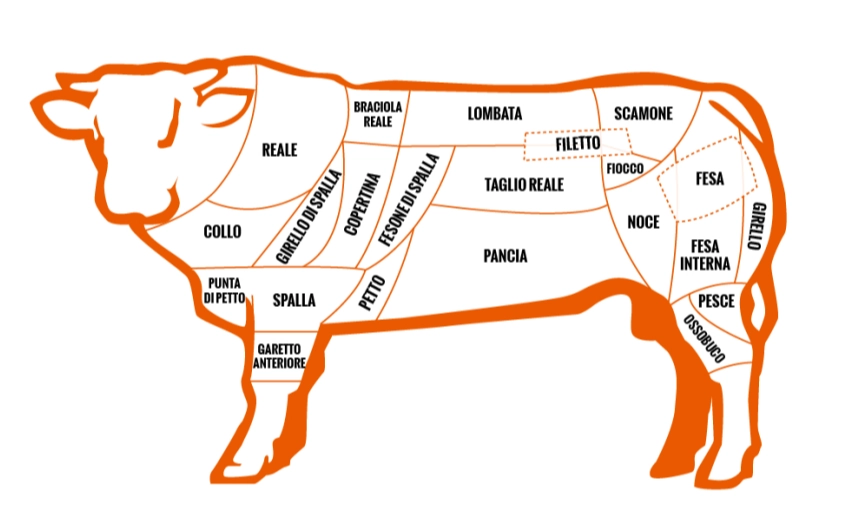
After years of trial, error, and conversations with butchers who've seen it all, I can tell you the definitive cut. But more importantly, I'll explain why it works, what you can use if you can't find it, and the one slicing mistake that ruins everything. Let's get into it.
Your Quick Guide to Italian Beef Cuts
The Champion Cut: Top Round Roast
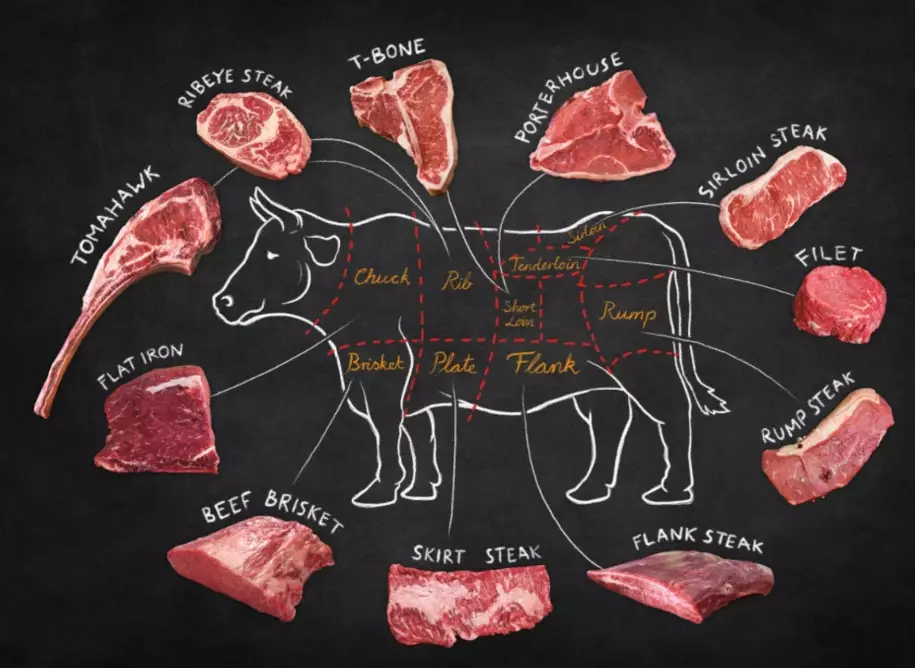
Let's cut to the chase. The traditional, authentic, and overwhelmingly preferred cut for Italian beef is the top round roast. You might also see it labeled as inside round. This comes from the rear leg of the cow, a muscle that does a lot of work. That's crucial.
Walk into any legendary Chicago spot like Al's Beef or Portillo's, and while their spice blends are guarded secrets, the foundation is that lean, dense top round. It's not the most tender cut when cooked quickly, but that's the whole point. Italian beef is a braised dish. We're going to cook it low and slow in a flavorful broth until it becomes tender on its own terms.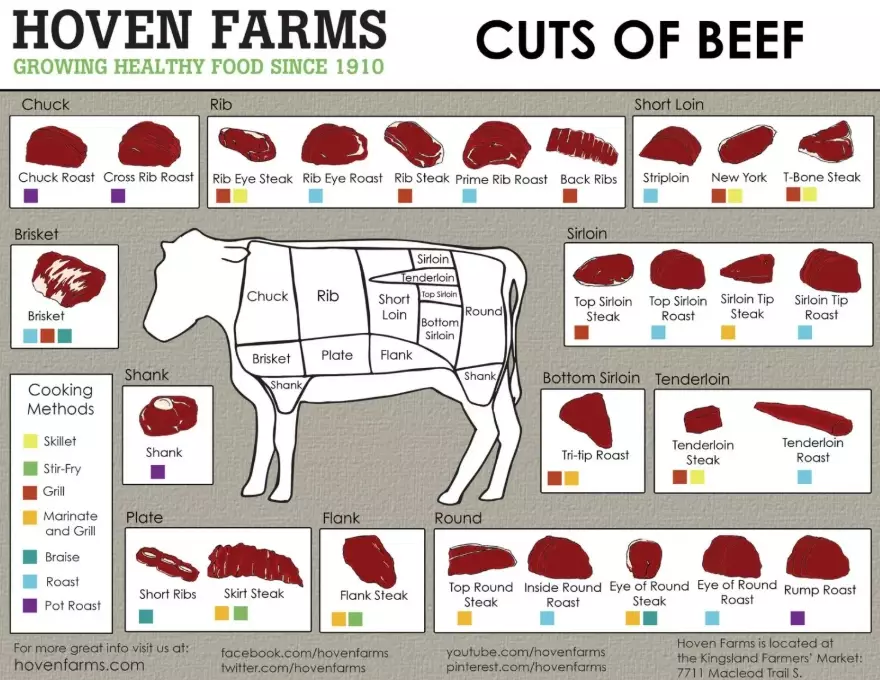
Butcher Speak: Don't confuse "top round" with "bottom round" or "eye of round." They're all from the same general area (the round primal), but have different grain structures and fat content. Top round is the most consistent for our purposes. Bottom round can be stringier, and eye of round is often too small and lean, drying out easier.
I made that mistake once—grabbed an eye of round because it was on sale. The result was a sandwich that tasted fine but had a weird, almost crumbly texture. It lacked the satisfying chew that defines a great Italian beef. Lesson learned.
Why Top Round Wins for Italian Beef
Why is this specific muscle so perfect? It boils down to three things: structure, leanness, and absorption.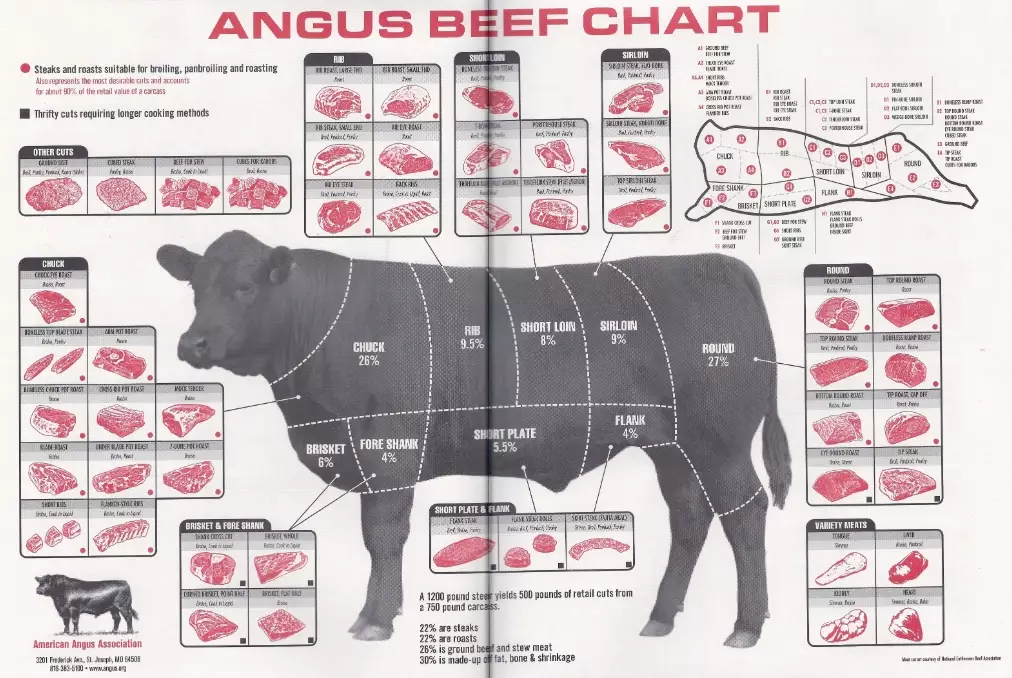
The Grain Structure is Everything
Top round has a long, distinct, and relatively straight grain. When you slice it against that grain (more on this later), you shorten the long muscle fibers. This is what transforms a potentially tough cut into melt-in-your-mouth, pull-apart tender slices. A fattier cut like chuck would fall apart into shreds during the long braise—good for pot roast, bad for a sandwich you need to pile high.
Lean Means a Clean Flavor Canvas
Top round is lean. There's minimal marbling (intramuscular fat) and usually a manageable fat cap on one side. This is an advantage. You're not fighting against a strong, beefy fat flavor. Instead, the meat acts like a sponge, soaking up all the garlic, oregano, pepperoncini, and beef broth flavors from your cooking liquid (the "gravy"). The flavor comes from the broth and seasoning, not from the fat rendering out.
It Holds Up to the Soak
The final step of a true Italian beef is dipping the sliced meat back into the hot, seasoned gravy before serving. A flimsy cut would disintegrate. Top round's density allows it to get juiced up, infused with more flavor, and heated through without turning to mush. It maintains its integrity while becoming impossibly juicy.
Best Substitutes When Top Round is MIA
Can't find a top round? The butcher is out? Don't panic. You have options, but you need to manage expectations. Here’s the tier list, from best backup to last resort.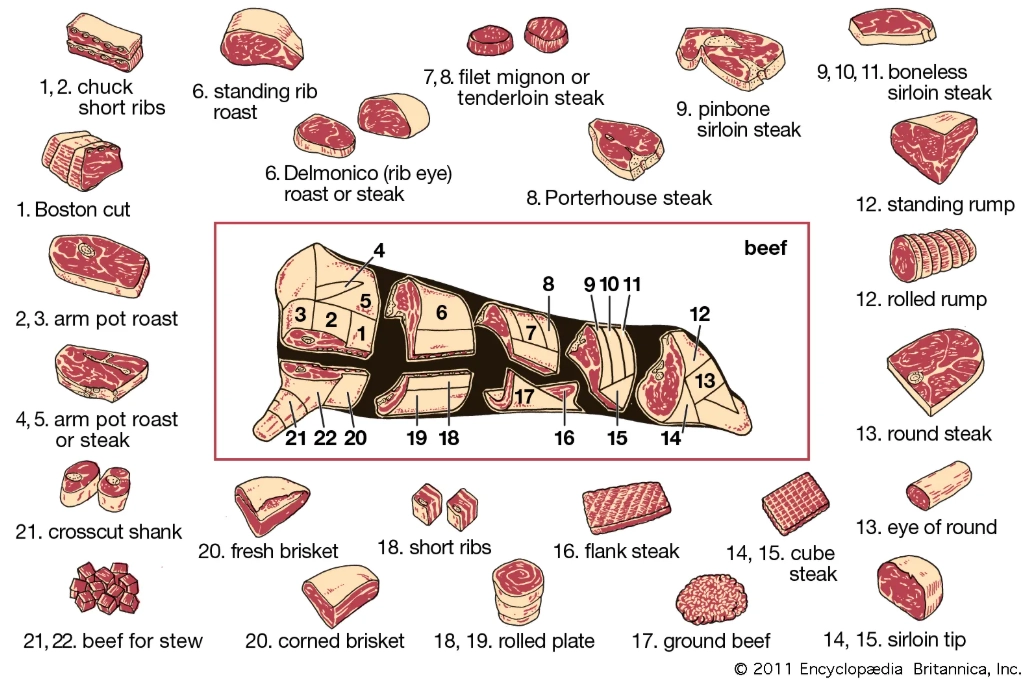
Pro Tip: No matter the substitute, your best friend is a sharp slicing knife and a commitment to cutting against the grain. This can salvage a less-than-ideal cut.
Bottom Round Roast: This is the closest relative. It's from the same primal but can be slightly tougher and have a more irregular grain. The flavor is great, but be extra vigilant with slicing. It might require a longer braising time to become fully tender.
Sirloin Tip Roast: Also known as knuckle roast. It's lean and fairly tender, but often more expensive. It works well, but some purists argue it lacks the same hearty "beefiness." Honestly, for a home cook, it's a fantastic, if pricier, option.
Chuck Roast (Use With Caution): This is where I see a lot of well-intentioned recipes go wrong. Chuck is fabulous for shredded beef. It's fatty, rich, and falls apart. That's the problem. For Italian beef, you want slices, not shreds. If you use chuck, you must braise it whole, let it cool completely (even refrigerate it) to firm up, and then slice it thinly. It's a fussier process, and the final product will be richer and fattier—a different experience, but not a bad one.
Avoid brisket. It's become trendy, but its intense fat content and completely different texture create a different sandwich altogether. Save the brisket for Texas.
The Slice is Right: Cutting for Perfection
You can nail the cut and the braise, but slice it wrong and you've wasted 4 hours. This is the most common home-cook error.
First, you must let the cooked roast rest until it's cool enough to handle, even better if you refrigerate it for a few hours or overnight. Trying to slice hot braised meat is a recipe for ragged, uneven, and dangerous slices. Chilling firms up the proteins, making clean, paper-thin slicing possible.
Second, find the grain. Look for the lines of muscle fibers running along the roast. Your goal is to cut perpendicular to those lines. This severs the long, tough fibers into short, tender pieces.
How thin? As thin as you humanly can. Deli-slice thin. 1/8-inch or less. A sharp, long slicing knife is non-negotiable. A serrated bread knife can work in a pinch on a chilled roast. This thin slice is why the meat, though lean, becomes tender and absorbs the gravy so well.
Building Your Italian Beef: A Classic Method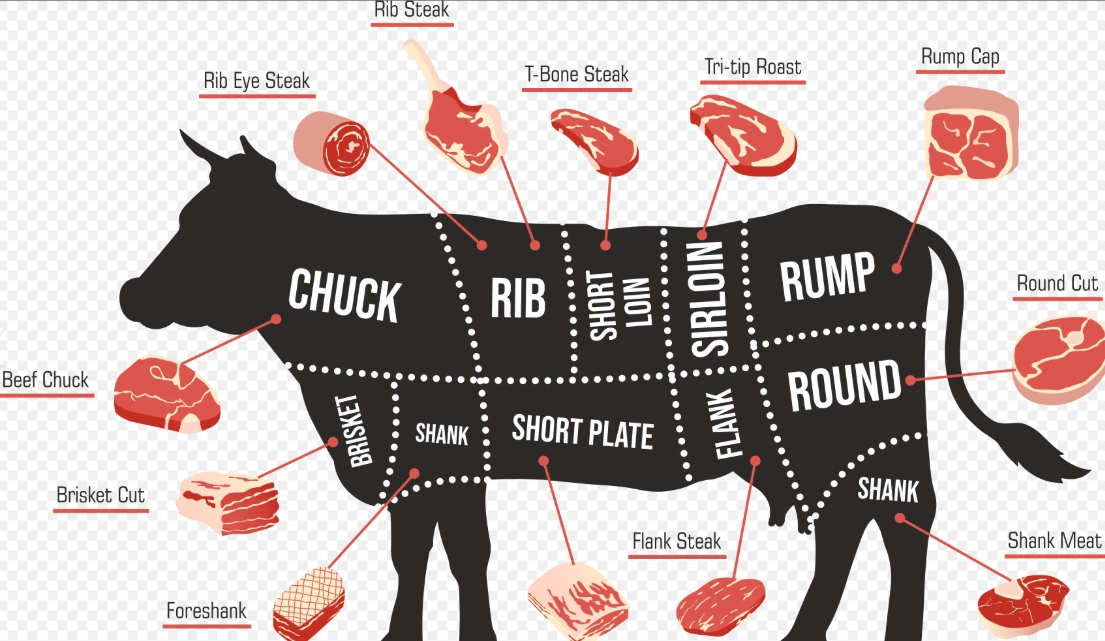
Let's put theory into practice. Here’s a straightforward blueprint. The beauty is in the simplicity.
The Foundation: One 4-5 lb top round roast. Trim excess hard fat, but leave a little.
The Flavor Bath: In a large pot or Dutch oven, combine 8 cups of low-sodium beef broth, 2 cups of water, a head of smashed garlic, 2 tablespoons each of dried oregano and dried basil, 1 tablespoon of onion powder, 2 teaspoons of black pepper, a handful of pepperoncini (with some of their brine), and a generous pinch of salt.
The Process: Bring the broth to a simmer. Add the roast. It should be mostly submerged. Cover and place in a preheated 300°F (150°C) oven. Braise for about 3 to 3.5 hours, until a fork inserts with little resistance but the roast still holds its shape.
The Crucial Step: Remove the roast, place it on a tray, and let it cool to room temperature. Then, wrap it and refrigerate for at least 4 hours, preferably overnight. Strain the cooking liquid (the gravy) and skim the fat. Keep it.
The Finish: Slice the chilled roast paper-thin against the grain. Reheat the slices in the hot gravy. Pile high on a slightly crusty, soft-centered Italian roll. Top with sweet or hot giardiniera (the essential condiment) and perhaps some melted mozzarella if you're going for a "cheesy beef." Dip the whole assembled sandwich back into the gravy for a "wet" version. That's the Chicago way.
Italian Beef FAQ: Your Questions, Answered
Can I use a cheaper cut like chuck roast?
My Italian beef turned out dry. What did I do wrong?
 Do real Chicago places really use top round?
What's the best way to get it really thin at home without a deli slicer?
Is there a pre-cut meat I can buy to skip the braising?
Related Articles
Simple Italian Salad Recipes: Easy, Authentic & Delicious
What Cut of Meat Makes Authentic Italian Beef? The Ultimate Guide
Authentic Italian Pizzelle Recipe: Crispy, Classic & Easy
Authentic Italian Pasta Recipes: A Complete Cooking Guide
What are the 4 Classic Italian Dishes? A Food Lover's Guide