How to Make Italian Beef on the Stove Top: A Chicago-Style Guide
You don't need a slow cooker or a commercial kitchen to make a legendary Italian beef sandwich. In fact, cooking it on the stove top gives you more control over the flavor and can even produce a richer, more concentrated gravy—what Chicagoans call the "jus." I've been making this for years, and the stovetop method is my go-to when I want that deep, savory flavor without waiting all day. Forget the gadgets; your heaviest pot and your stove are all you need.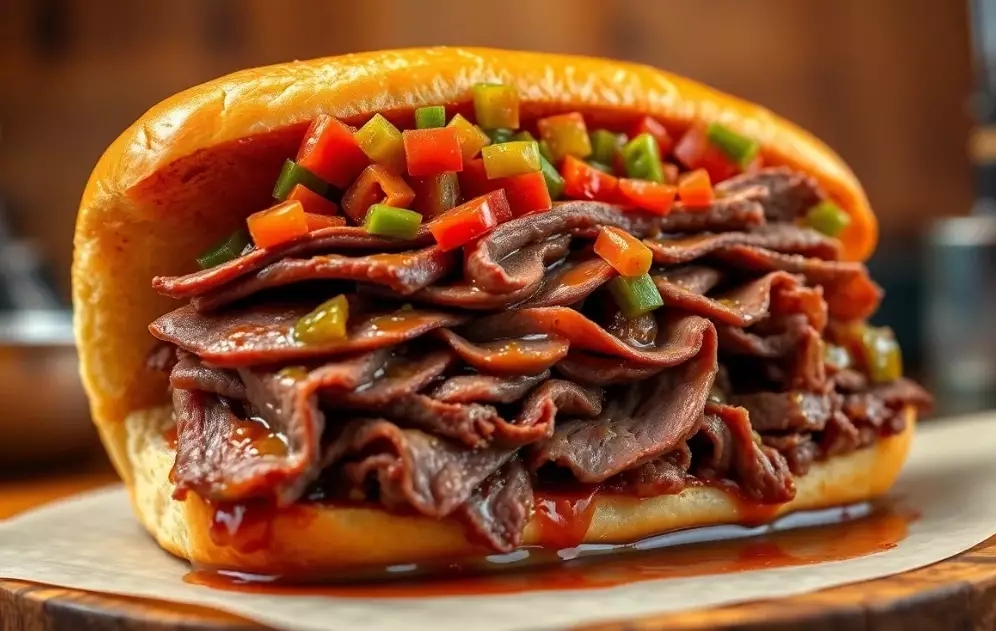
What You'll Find in This Guide
Why Make Italian Beef on the Stove? (The Secret to Better Flavor)
Everyone assumes a slow cooker is mandatory for tender beef. It's not. Using a Dutch oven or a heavy-bottomed pot on the stove has distinct advantages.
You control the reduction. The magic of Italian beef is in the jus. On the stove, the liquid simmers and reduces at a faster, more observable rate. This intensifies the flavors of the broth, garlic, and herbs into a glossy, powerful sauce. In a slow cooker, everything just steams in its own moisture, often resulting in a thinner, less developed broth.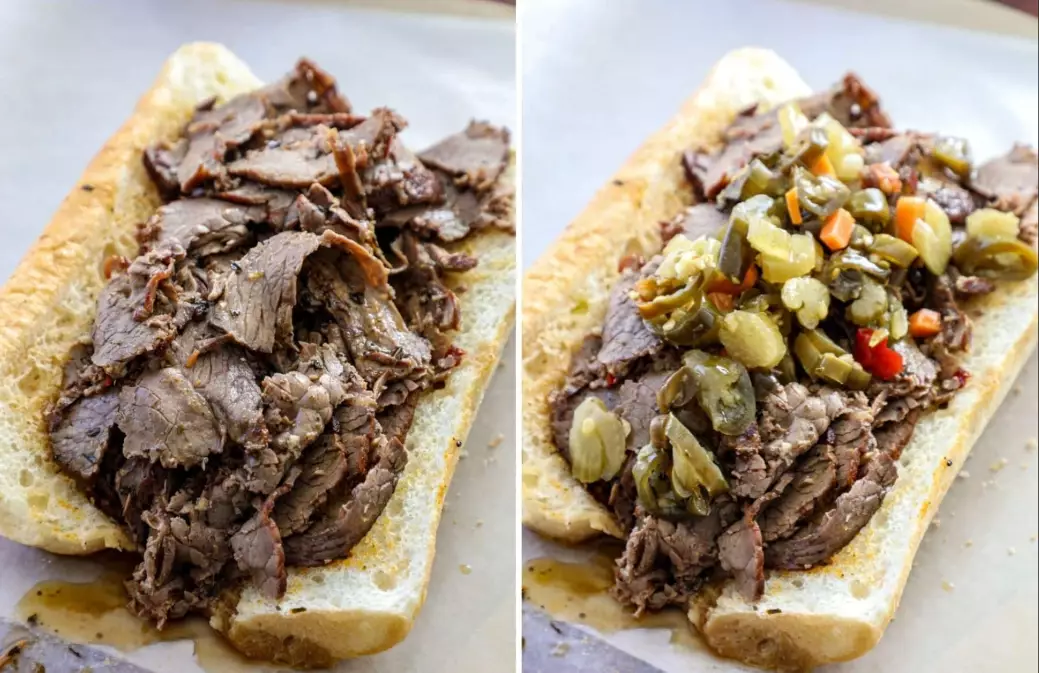
It's faster. A good sear on the stove creates fond—those delicious browned bits at the bottom of the pot—that a slow cooker can't replicate. That fond is pure flavor gold. The total active time isn't much different, but the braising time is often shorter because you're maintaining a steady, direct heat.
I learned this the hard way. My first few attempts in a slow cooker yielded beef that was tender but swimming in a bland, watery juice. The moment I switched to my enameled cast iron pot, the dish transformed.
What You Need for Stovetop Italian Beef
Let's talk ingredients. Authenticity matters here, but so does practicality. You can find most of this in any supermarket.
| Ingredient | Why It's Important & Notes |
|---|---|
| 3-4 lbs beef roast (chuck or bottom round) | Chuck roast is the winner for flavor and fat content. Bottom round is leaner but still works. Avoid pre-cut "stew meat"—it dries out too easily. |
| 6-8 cups beef broth (low sodium) | You control the salt. Using a good quality broth (or homemade) is a game-changer. I sometimes use half broth, half water. |
| 1 packet Italian dressing seasoning mix (or homemade blend) | The non-negotiable flavor base. The store-bought packet (like Good Seasons) is the classic Chicago shortcut. For a from-scratch version, mix dried oregano, basil, thyme, rosemary, garlic powder, onion powder, salt, and pepper. |
| 8-10 pepperoncini peppers + ¼ cup juice from the jar | This is the tangy, slightly spicy soul of the dish. Don't skip the juice. |
| 1 large onion, sliced | Adds sweetness and body to the jus. |
| 6-8 garlic cloves, smashed | Smash, don't mince. You want big flavor pieces you can fish out later. |
| French or Italian bread rolls (like Turano) | The vessel matters. It needs a sturdy crust to hold up to the juicy beef without disintegrating. |
| Giardiniera (hot or mild) | The essential Chicago relish—pickled vegetables in oil. Hot is traditional. |
| Sweet bell peppers (optional, for "sweet" style) | Some Chicago spots offer "sweet" (with sautéed peppers) or "hot" (with giardiniera). |
Equipment Check: A 5-7 quart Dutch oven or heavy stockpot with a tight-fitting lid is ideal. You'll also need tongs, a sharp knife for slicing, and a fine-mesh strainer for the jus.
How to Make Italian Beef on the Stove Top: Step-by-Step
This isn't a "set it and forget it" recipe, but the hands-on parts are simple and rewarding.
Step 1: Sear the Beef (Don't Rush This)
Pat your beef roast completely dry with paper towels. This is crucial for a good sear. Season it generously with salt and black pepper. Heat 2 tablespoons of oil (canola or vegetable) in your pot over medium-high heat until it shimmers. Add the roast and sear for 4-5 minutes per side, until you have a deep brown crust all over. This isn't just for looks; it builds the foundational flavor of the entire dish.
Step 2: Build the Braising Liquid
Remove the beef and set it aside. Lower the heat to medium. Add the sliced onions to the pot and cook for 5 minutes until softened, scraping up those browned bits (the fond). Add the smashed garlic and cook for 1 minute until fragrant. Now, pour in the beef broth, the Italian seasoning packet, the pepperoncini peppers, and the pepperoncini juice. Stir, bringing it to a simmer. The liquid should smell incredible already.
Step 3: Braise to Tenderness
Return the seared beef to the pot. The liquid should come about halfway up the sides of the roast. Bring it back to a very gentle simmer. Cover the pot with the lid, but leave it slightly ajar. This allows for some evaporation and concentration. Reduce the heat to low. Let it braise for 2.5 to 3.5 hours. You're looking for the beef to be fork-tender and easily shreddable. Check it at the 2.5-hour mark.
Here's a trick: If the liquid seems to be reducing too quickly, add a bit more broth or water. If it's not reducing enough and tastes weak, prop the lid open a bit more.
Step 4: Rest, Slice, and Strain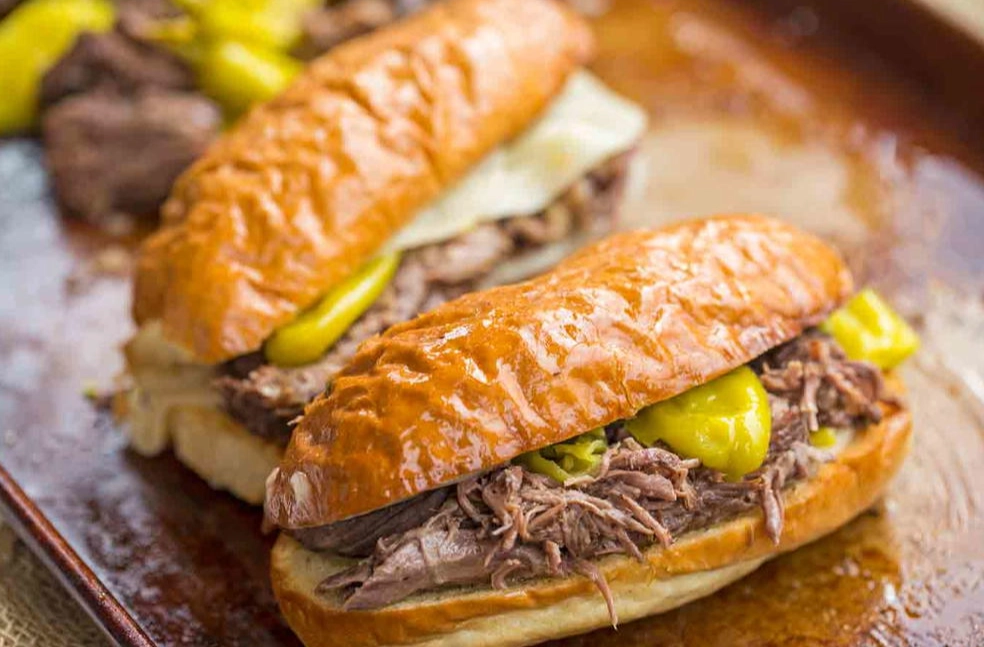
Once tender, carefully remove the beef to a cutting board and let it rest for 15-20 minutes. Do not shred it. Authentic Italian beef is thinly sliced. Use a sharp knife to slice it as thinly as possible against the grain.
While the beef rests, strain the braising liquid through a fine-mesh strainer into a bowl. Press on the solids to get all the flavor out, then discard them. You now have your pure, intense jus. Skim off any excess fat from the top if desired.
How to Assemble the Perfect Italian Beef Sandwich
Assembly is a ritual. Get your giardiniera, your sliced beef, your jus, and your bread ready.
1. Dip the Bread (Optional but Recommended): Quickly dip the entire roll into the warm jus. Don't soak it—a quick in-and-out to moisten the interior. Some purists skip this, but it adds another layer of flavor and prevents a dry sandwich.
2. Load the Beef: Pile a generous amount of thinly sliced beef onto the roll.
3. The "Dip" Decision: You have choices here, straight from Chicago parlance.
- Dry: The beef is placed on the bread, no extra juice.
- Wet: A ladle of hot jus is spooned over the beef on the sandwich.
- Dipped (or Soaked): The entire assembled sandwich is briefly submerged in the jus. This is the messy, glorious, authentic experience.
4. Top It Off: Crown your creation with a hefty spoonful of giardiniera. If you're going "sweet," add sautéed bell peppers instead of or in addition to the giardiniera.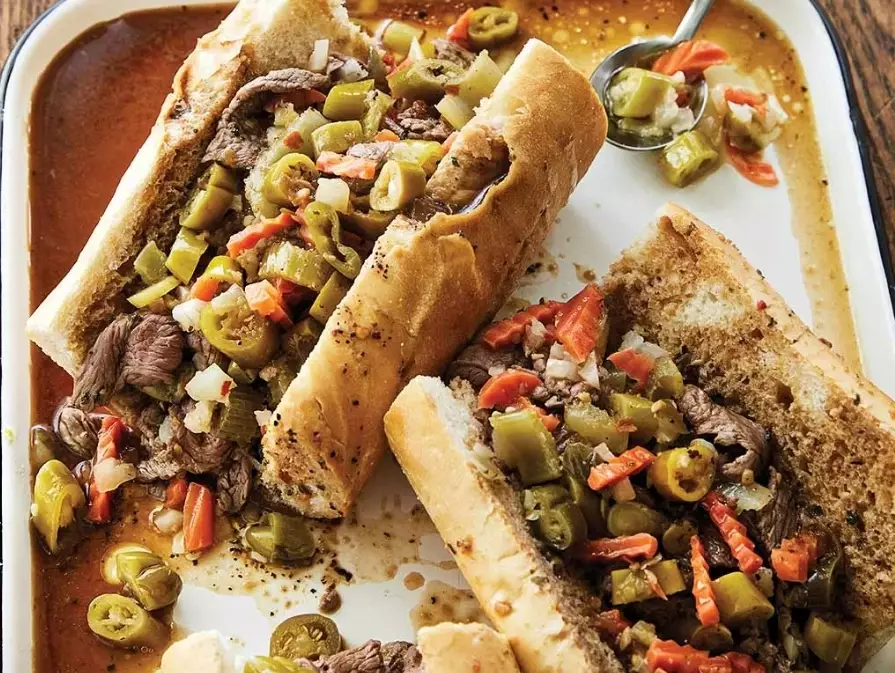
Pro Tips & Common Mistakes to Avoid
After a decade of tweaking this recipe, here's what most online guides won't tell you.
- The Fat is Flavor: Don't trim all the fat off the chuck roast before cooking. That fat renders into the jus, adding body and richness. You can skim excess off the top of the strained jus later if you want.
- Slice, Don't Shred: Shredded beef absorbs too much juice and becomes mushy. Thin slices hold their texture better and make for a more authentic sandwich bite.
- Bread Betrayal: Using soft, fluffy sub rolls is the #1 reason for a structural sandwich failure. You need a roll with a crisp, substantial crust. If you can't find good Italian bread, a baguette or even a hoagie roll toasted in the oven works in a pinch.
- Jus Too Salty? If your broth and seasoning packet made the jus too intense, dilute it with a bit of hot water before serving. It's easier to fix than starting over.
Your Italian Beef Questions, Answered
Can I use a different cut of beef for stovetop Italian beef?
My stovetop beef jus turned out watery. How can I fix it or prevent it next time?
 How do I store and reheat leftover Italian beef without it drying out?
What's the best substitute for giardiniera if I can't find it?
Can I make this Italian beef recipe ahead of time for a party?
Related Articles
Best Italian Baked Dishes Recipes: Authentic & Easy to Make
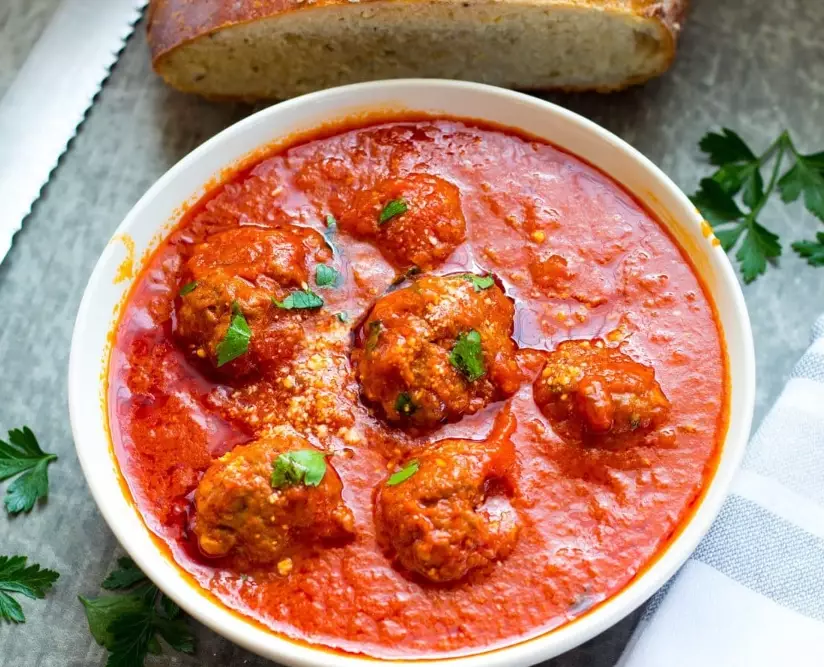
Authentic Italian Meatball Sauce Recipe: A Family Secret Revealed
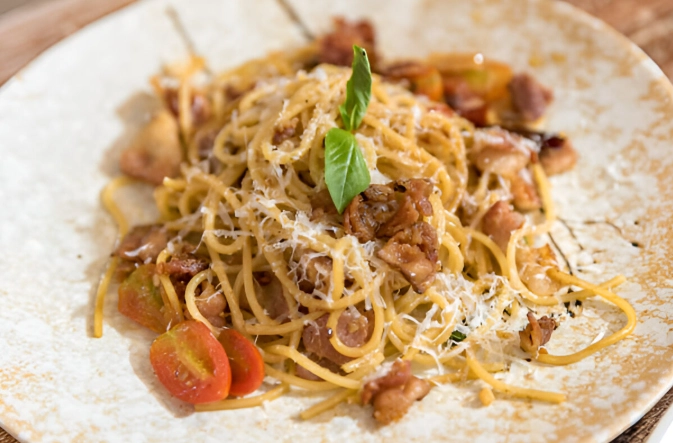
Authentic Italian Carbonara Recipe: The Only Guide You'll Ever Need
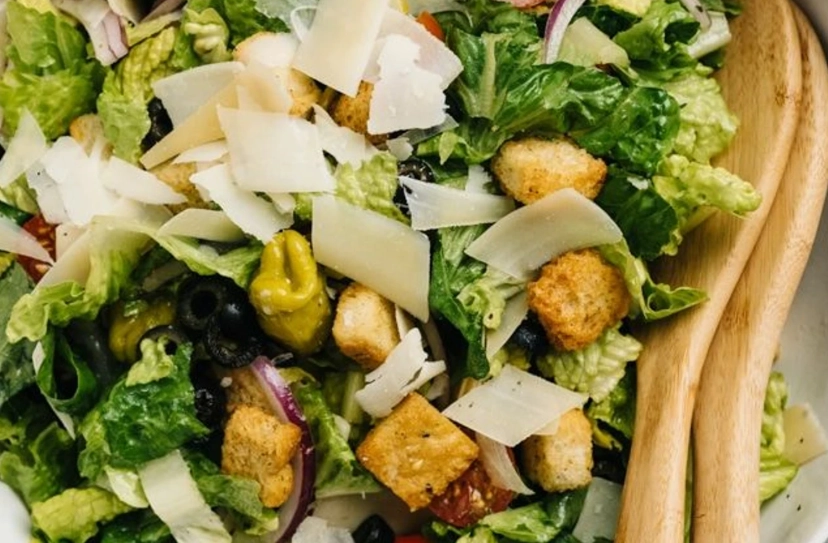
Real Italian Salad Recipes: Authentic Classics & Modern Twists
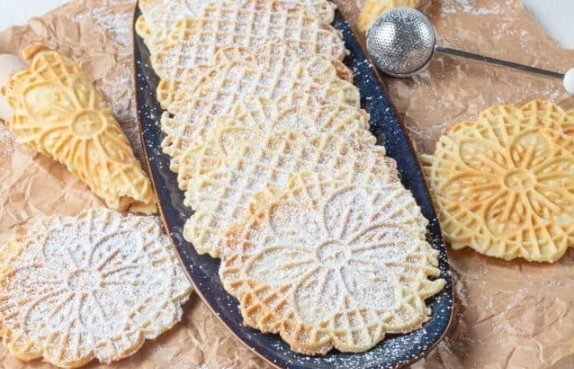
Creative Pizzelle Recipe Variations: From Classic Anise to Chocolate & More