Unlock the Secrets of Italian Seasoning: A Guide to the Essential Ingredients
You've seen it a hundred times. That little jar labeled "Italian Seasoning" sitting between the basil and the oregano. It's convenient, sure. But have you ever shaken it out, smelled it, and wondered what's really in there? Or worse, used it and felt like your pasta sauce or roasted vegetables were missing something? You're not alone. That generic blend is a starting point, but true Italian flavor lives in the details of its parts.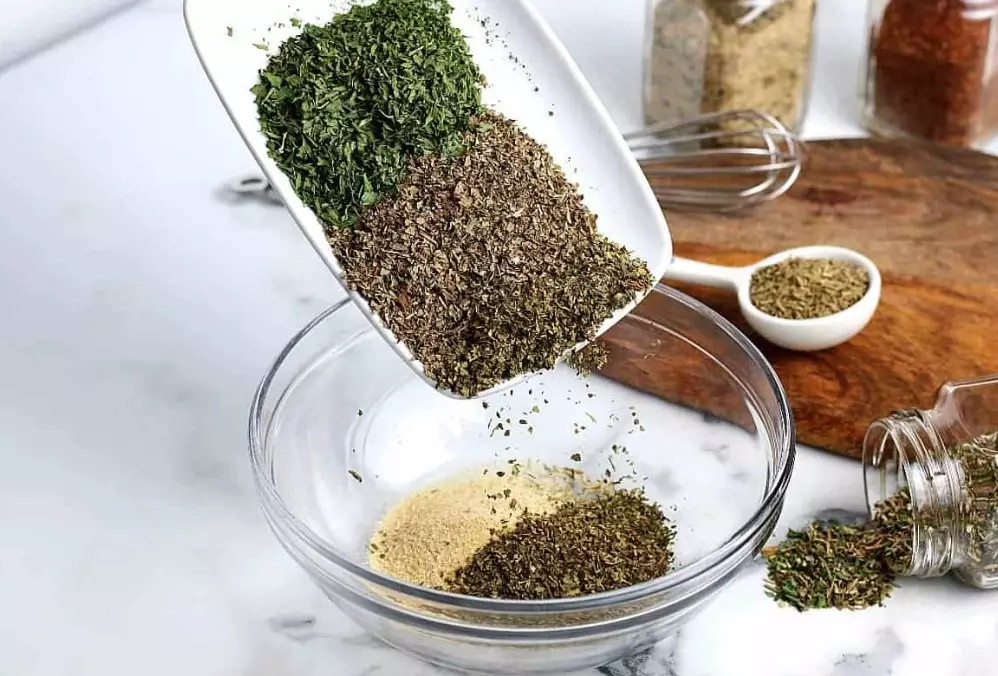
I learned this the hard way. Years ago, I made a chicken cacciatore using a pre-mixed blend. It was fine. Edible. But it tasted like every other "Italian" dish I'd made. It wasn't until I spent a summer cooking in a small trattoria in Umbria that I realized the magic isn't in a single blend, but in understanding each Italian seasoning ingredient as its own personality. The cook there, Maria, would laugh at my little jar. "This," she'd say, pinching some dried oregano between her fingers, "is for pizza. This," pointing to the rosemary, "is for the lamb. They are not the same!"
Let's break down what you need to know, so you can stop guessing and start cooking with confidence.
What You'll Find Inside
The Non-Negotiable Core Ingredients
Think of a classic Italian herb blend like a band. You've got your lead vocals, your rhythm section, and a couple of essential backup singers. If one is missing, the whole song feels off.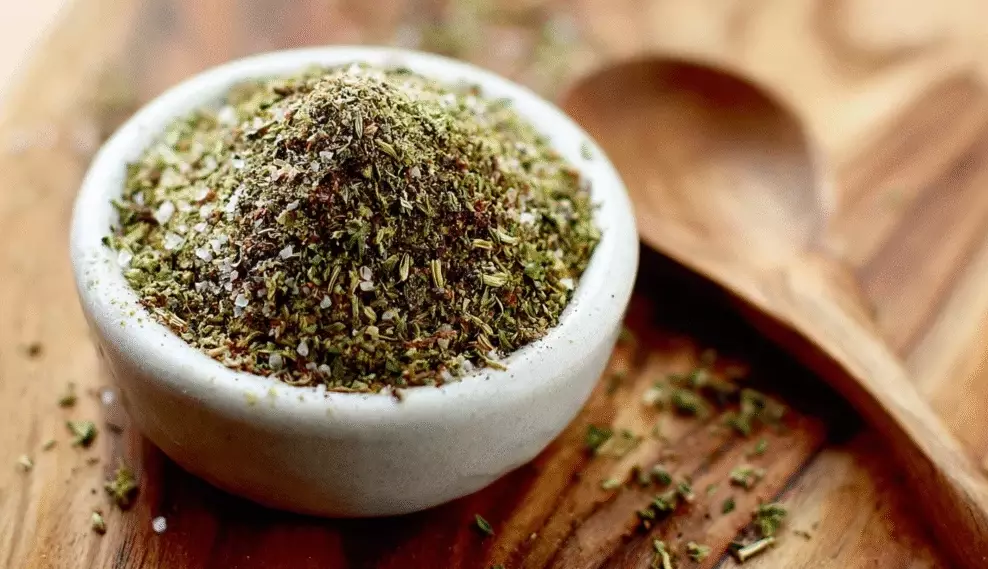
The Lead Vocals: Oregano and Basil
Oregano is the bold, earthy backbone. It's pungent, slightly bitter, and absolutely essential for tomato-based sauces and pizzas. There's a key detail most people miss: Mediterranean oregano (originating from Greece and Italy) is different from Mexican oregano. The Mediterranean variety is sweeter and more aromatic. For an authentic Italian seasoning, you must seek out Mediterranean oregano. Check the label; it often says "Mediterranean" or "Italian" oregano.
Basil provides the sweet, floral top notes. Dried basil gets a bad rap because it loses much of its fresh, bright character. In a dried blend, its job is to add a layer of sweet herbaceousness that balances oregano's sharpness. For the best dried basil, look for leaves that are still green, not brown.
The Rhythm Section: Marjoram and Thyme
Marjoram is oregano's gentler, sweeter cousin. It's often overlooked, but it's what rounds out the rough edges of oregano and adds a complex, floral-citrus note. Skipping marjoram is why some homemade blends taste one-dimensional.
Thyme is the subtle, grounding force. Its earthy, slightly minty and lemony flavor works in the background to support the other herbs. It's particularly good in long-simmered dishes like stews and braises.
The Backup Singers: Rosemary, Sage, and Sometimes Savory
Rosemary is powerful and piney. A little goes a very long way. In a general-purpose blend, it's used sparingly to add depth without dominating. It's more of a star player in specific dishes like roasted potatoes or lamb.
Sage brings a warm, slightly peppery, and savory note. It's used in minute quantities in most blends because its flavor is so distinct. It's fantastic with butter sauces, pork, and squash.
Some regional blends, particularly from Southern Italy, might include a pinch of summer savory or even red pepper flakes. These are not universal, but knowing they exist explains why Nonna's blend might taste different.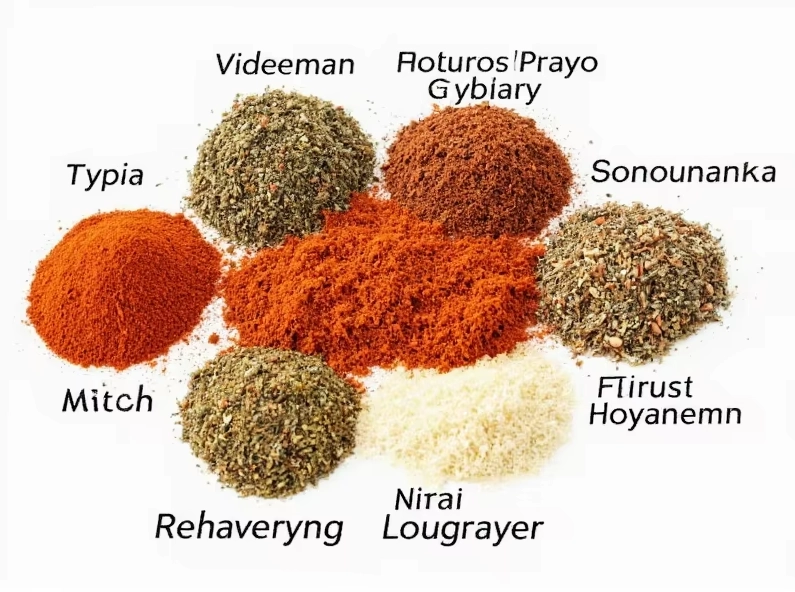
The Garlic and Onion Question
Many American supermarket blends include granulated garlic and onion. Purists will tell you this is heresy—that a true Italian herb blend is just herbs. Practically speaking, adding garlic and onion powder makes the blend a more complete "all-in-one" seasoning. It's convenient for sprinkling on chicken breasts before baking. The choice is yours: for a pure, versatile herb mix, omit them. For a quick seasoning salt, include them.
Decoding Store-Bought Blends: What You're Actually Getting
Not all jars are created equal. I've bought and analyzed dozens. Here’s the unvarnished truth about what's on the shelf.
| Brand (Typical Example) | Key Ingredients Listed | What It's Good For | The Catch |
|---|---|---|---|
| Generic Store Brand | Oregano, Marjoram, Thyme, Basil, Sage, Rosemary | A decent, no-frills baseline. Works in a pinch for soups and sauces. | Often uses the cheapest, oldest herbs. Flavor can be dusty and weak. |
| "Premium" Organic Brand | Organic Basil, Organic Oregano, Organic Marjoram, Organic Thyme, Organic Rosemary | Better color and aroma. A reliable choice for everyday use. | You're paying a premium for the organic label, but the blend ratio is still a mystery. |
| "Italian-American" Style Blend | Oregano, Basil, Garlic, Onion, Thyme, Marjoram, Red Pepper, Parsley | Great for meatballs, garlic bread, and seasoning ground meat. Lots of flavor. | The garlic/onion dominates. Don't use this if you're also adding fresh garlic to your dish—it'll be overkill. |
| Single-Origin / Regional Blend | Sicilian Oregano, Tuscan Rosemary, Basil, Wild Thyme | Exceptional, complex flavor. Shows the character of specific herbs. | Expensive. Best used as a finishing sprinkle, not for long cooking. |
The biggest issue with pre-made? Staleness. Herbs lose their volatile oils (their flavor) over time. That jar might have been sitting in a warehouse for a year. When you make your own, you control the freshness of each component.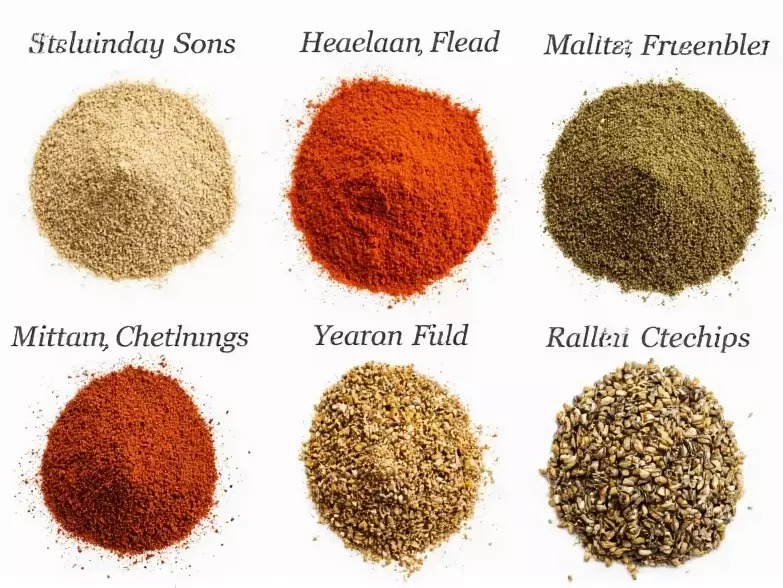
Crafting Your Perfect Homemade Italian Seasoning Ratio
This is where you take control. Making your own blend isn't just about freshness; it's about tailoring it to your taste. Do you love rosemary? Boost it. Find sage too strong? Reduce it.
Here is a balanced, classic starting point. Use tablespoons as your unit for simplicity.
- 3 parts Dried Oregano (The foundation)
- 3 parts Dried Basil (The sweet balance)
- 2 parts Dried Marjoram (The secret smoother)
- 2 parts Dried Thyme (The earthy depth)
- 1 part Dried Rosemary (crushed finely) (The piney accent)
- 1/2 part Dried Sage (rubbed between your palms) (The warm note)
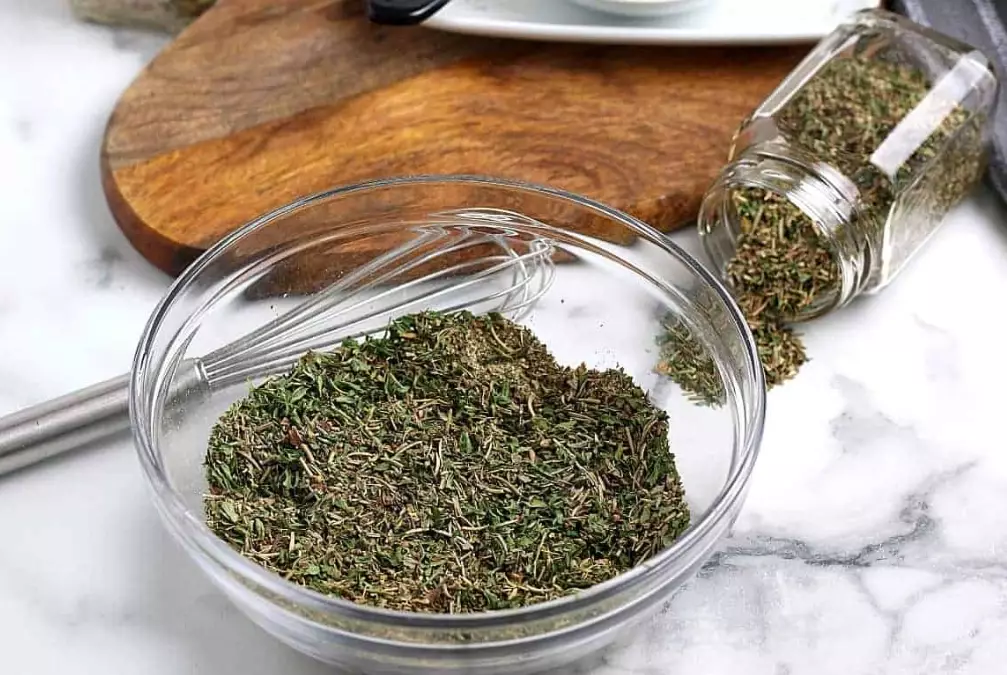
Instructions: Mix all herbs in a bowl. For the best flavor, transfer them to a clean, dry jar and seal tightly. Store in a cool, dark cupboard—not next to the stove. It will be good for 3-4 months, but it's so good you'll use it up faster.
Pro-Tip for Maximum Flavor: Before mixing, lightly toast the rosemary and sage in a dry pan over low heat for about 60 seconds. This wakes up their oils and mellows any harshness. Let them cool completely before combining with the other herbs.
How to Use Italian Seasoning Ingredients (The Right Way)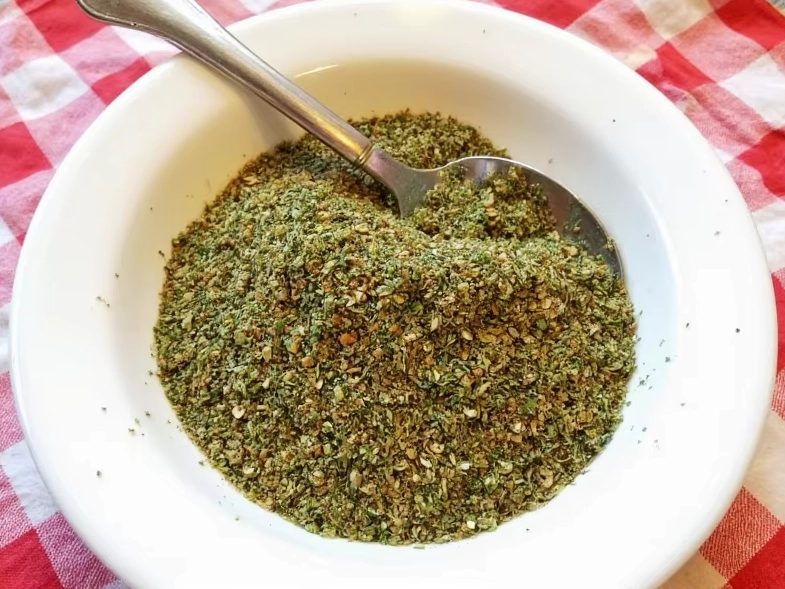
Throwing a spoonful into a sauce at the end is wasting its potential. Timing matters.
For Slow-Cooked Sauces & Braises
Add your blend during the sauté stage, right after you've cooked your onions and garlic in oil. Let the herbs sizzle in the hot oil for 30 seconds before adding liquids (wine, tomatoes, stock). This "blooms" the herbs, releasing their fat-soluble flavors into the oil and distributing them throughout the entire dish.
For Roasting & Grilling
Mix the dried herbs with a little olive oil, salt, and pepper to form a paste. Rub this all over chicken, potatoes, or vegetables at least 30 minutes before cooking. The oil helps the herbs adhere and prevents them from burning too quickly.
As a Finishing Touch
A light sprinkle over a finished pizza, a bowl of minestrone, or a plate of scrambled eggs just before serving adds a burst of aroma. For this, consider a separate, extra-fresh blend kept in a small jar.
The One Mistake Everyone Makes with Dried Herbs
They forget to crush them. Dried herbs are dormant. Sprinkling whole, brittle leaves into your food means much of their flavor stays locked inside.
Take an extra five seconds. Pour a spoonful into the palm of one hand, and rub your palms together gently over the pot or bowl. You'll hear a slight crumble and smell the aroma explode. This simple act fractures the herb cells and releases the essential oils, multiplying the flavor impact instantly. It's the single biggest upgrade you can make to your dried herb game, whether it's a blend or a single herb.
Your Italian Seasoning Questions, Answered
My homemade blend tastes bitter compared to the store-bought one. What did I do wrong?
You're likely using old or low-quality oregano, or you added the herbs at the wrong time. Oregano is the most common culprit for bitterness. First, source better oregano (look for brands that specify the origin). Second, ensure you're blooming the blend in oil as described above—direct contact with high heat at the wrong time can scorch herbs and turn them bitter. Finally, check your ratio; too much rosemary or sage relative to the sweeter basil and marjoram can tilt the balance toward bitterness.
Can I substitute my homemade Italian seasoning 1:1 for fresh herbs in a recipe?
No, and this is a critical distinction. Dried herbs are more concentrated. A good rule of thumb is to use one-third the amount of dried herbs as you would fresh. If a recipe calls for 1 tablespoon of fresh oregano, use 1 teaspoon of your dried blend (since oregano is a main component). Also, add dried herbs earlier in the cooking process to allow their flavor to meld, while fresh herbs are often added at the end for brightness.
 I have an allergy to one herb (e.g., sage). Can I just leave it out of the blend?
Absolutely. The beauty of a homemade mix is customization. Simply omit the sage. The blend will still be excellent. You might consider adding a tiny pinch more marjoram or thyme to fill out the flavor profile, but it's not strictly necessary. The core of oregano, basil, marjoram, and thyme is perfectly complete on its own.
Is it worth growing my own herbs to dry for Italian seasoning?
If you have the space and sunlight, 100%. The flavor difference is night and day. Focus on growing basil, oregano, and thyme—they're easy and prolific. Harvest them just before they flower, tie them in small bundles, and hang them upside down in a warm, dry, dark place with good airflow (like a pantry). Once crisp-dry, strip the leaves and store them whole in airtight jars. Crush them only when you're ready to make a new batch of your blend. The flavor preservation is vastly superior to anything you can buy.
The goal isn't to never buy that little jar again. Sometimes you're in a rush, and it's fine. But now you know what's in it, what it can and can't do, and how to build something better from the ground up. You understand that Italian seasoning isn't just one thing—it's a flexible family of flavors waiting for you to conduct them. So grab some jars, find the freshest herbs you can, and start mixing. Your kitchen, and your next plate of pasta, will thank you.
Related Articles
What's in Zuppa Toscana Soup? The Full Ingredient Guide
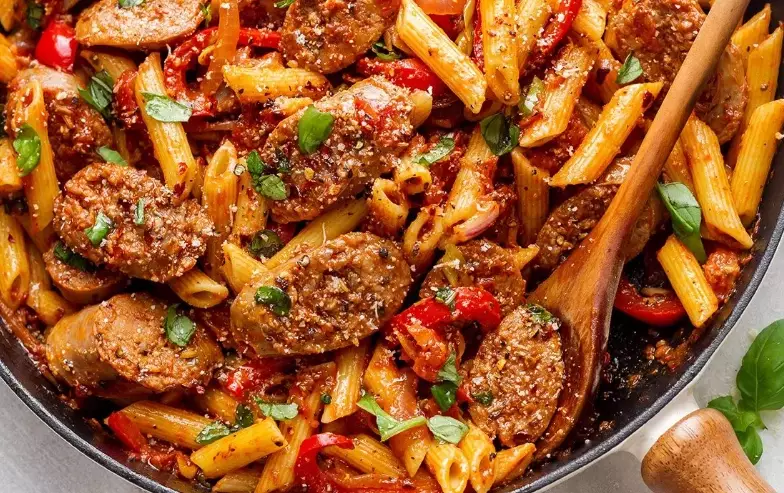
Italian Sausage Pasta Recipes: A Complete Guide to Classic Comfort Food

Thailand car market survey: sales and prices plunged, and Sino-Japanese competit
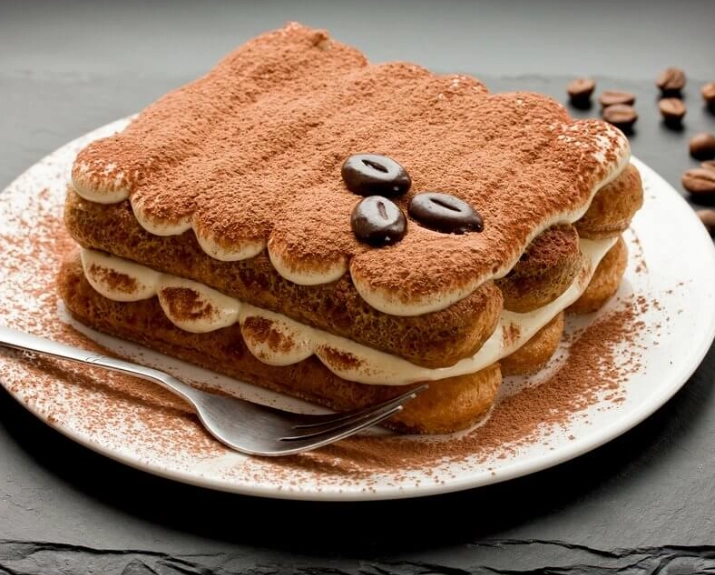
Top 10 Italian Desserts: A Sweet Journey Through Italy
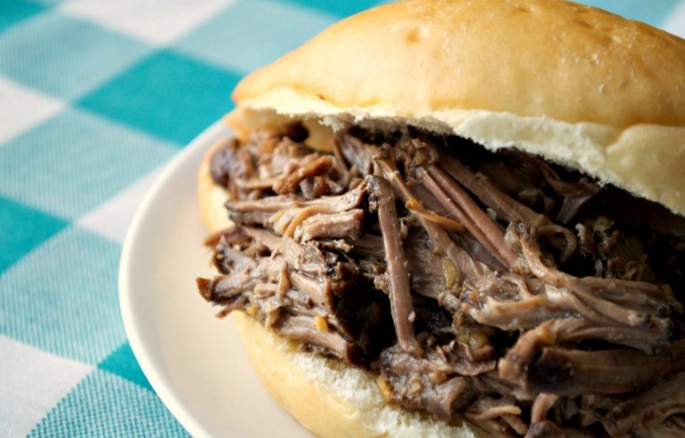
Ultimate Italian Beef Crock Pot Recipe: Tender & Juicy