Italian Soup Guide: Beyond Minestrone & Regional Classics
Ask someone about Italian soup, and "minestrone" usually pops up first. It's the global ambassador, sure. But if you think that's the whole story, you're missing out on a deeply regional, seasonal, and soul-satisfying corner of Italian cooking. The truth is, Italy's soup culture is as diverse as its landscapes, from the Alpine north to the sun-drenched south. They eat rustic, bread-thickened stews in Tuscany, delicate broths with tiny pasta for convalescents, and hearty bean and pasta soups that are a meal in themselves. Let's dive into the real world of Italian soups.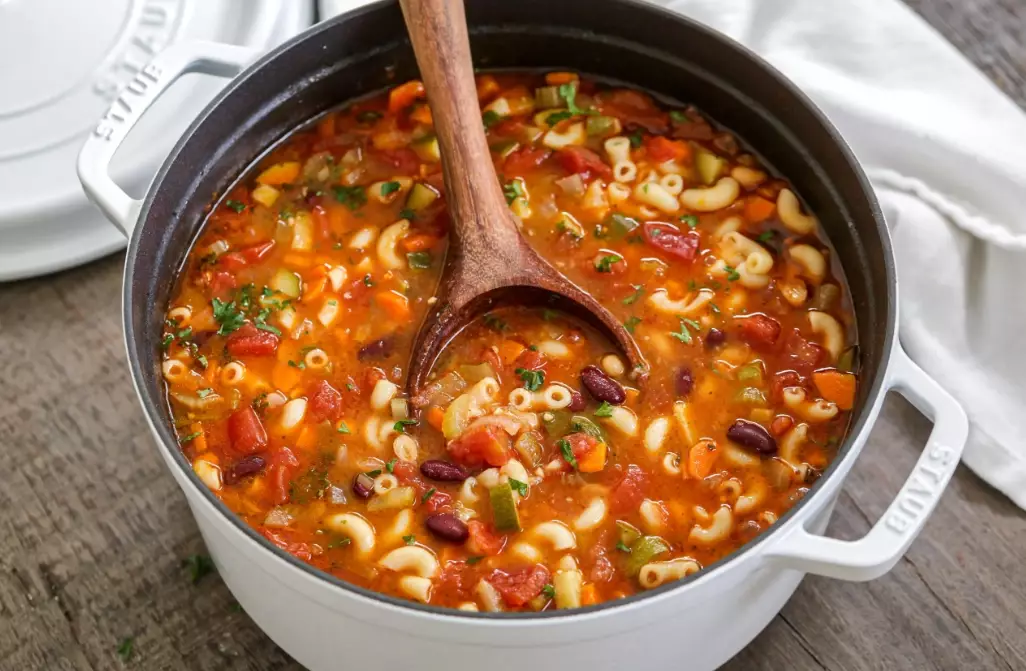
What's in This Italian Soup Pot?
The Italian Soup Philosophy: More Than Just Liquid
Italian soups, or zuppe, aren't just starters. They're often the main event, especially in colder months or in rural traditions. The line between a soup, a stew (stufato), and a pasta dish can be deliciously blurry. Think of pasta e fagioli – is it a soup with pasta, or a pasta dish with extra broth? Italians don't lose sleep over the distinction.
The foundation is almost always a good brodo (broth) – chicken, beef, or vegetable. But what makes a soup truly Italian? It's the respect for seasonal ingredients and the concept of cucina povera (poor kitchen) – creating incredible flavor from humble, available parts. Stale bread becomes the base for Ribollita. Parmesan rinds, often thrown away, are a secret weapon for adding umami depth to bean soups.
I learned this firsthand in a small trattoria in Bologna. The day's soup was a simple passatelli in brodo – breadcrumbs, Parmesan, and egg pushed through a grater into rich chicken broth. It was served not as an appetizer, but as a comforting, mid-week lunch. The chef told me, "Il brodo cura tutto" – broth cures everything. That's the heart of it.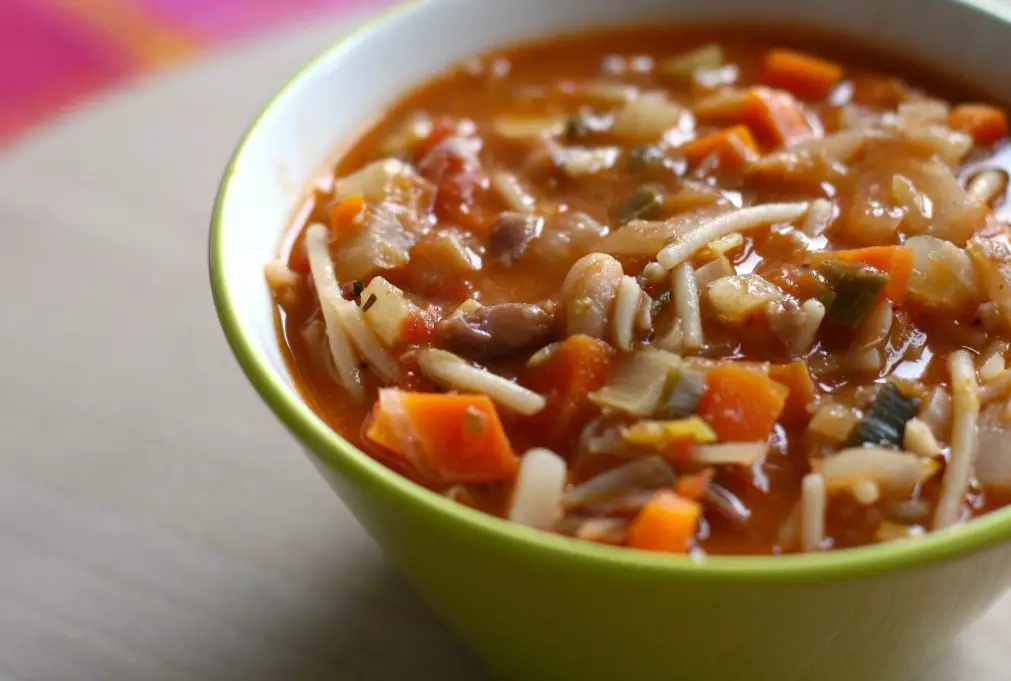
A Regional Soup Map of Italy
Italy's geography dictates its soup. Coastal areas use fish, mountains use beans and cured meats, and the south loves their vegetables. Here’s a quick tour.
| Region | Signature Soup | Key Ingredients | Character |
|---|---|---|---|
| Tuscany | Ribollita, Pappa al Pomodoro | Cannellini beans, cavolo nero (Tuscan kale), stale bread, tomatoes | Incredibly thick, almost a stew, designed to be "re-boiled" (ribollita) and eaten over days. |
| Lombardy & Piedmont | Minestrone alla Milanese, Zuppa di Orzo | Rice or barley, seasonal vegetables, lard or pancetta | Heartier, often with rice instead of pasta, reflecting the North's richer cuisine. |
| Campania (Naples area) | Minestra Maritata ("Wedded Soup") | Mixed bitter greens, pork sausages, meatballs | A rich, celebratory soup where greens and meats are "married" in the pot. Not to be confused with Italian Wedding Soup (see FAQ). |
| Liguria | Minestrone alla Genovese | Pesto, potatoes, green beans | Defined by a dollop of vibrant pesto stirred in at the end – a game-changer. |
| Veneto | Pasta e Fasioi | Beans, pasta (often small shapes like ditalini), rosemary | Creamy, comforting, and a staple in Venetian homes. The beans are often partially pureed. |
This table just scratches the surface. Sicily has its fish soups (zuppa di pesce), Trentino has barley soups, and every nonna has her own version.
The Classics: Italy's Most Famous Soups Explained
What is the Most Famous Italian Soup?
Globally, it's Minestrone. But it's not one recipe. It's a concept: a thick vegetable soup. The version from Milan includes rice and pancetta, while the Genoese version gets its identity from pesto. The common thread is abundance – a little bit of every vegetable in the market.
Italian Wedding Soup: The Misunderstood Classic
This one causes confusion. In America, "Italian Wedding Soup" is a broth with tiny meatballs and acini di pepe pasta. In Italy, especially around Naples, the original is Minestra Maritata or Zuppa degli Sposi. The "wedding" (maritata) refers to the perfect "marriage" of flavors between the salty, savory meats (pork, sausages) and the bitter greens (escarole, chicory). It's a winter powerhouse, not necessarily served at actual weddings anymore, but for big family gatherings. The American version is a simplified, brothy adaptation.
Ribollita: The Soup You Eat with a Fork
This Tuscan icon is the ultimate cucina povera dish. Day one: a simple bean and vegetable soup. Day two: leftover soup is layered with slices of stale, unsalted Tuscan bread and left to soak. It's then re-boiled (that's what ribollita means). The result is so thick you can eat it with a fork. The bread dissolves, creating a uniquely hearty, almost porridge-like texture. Don't look for a brothy liquid here; its thickness is its glory.
Broth-Based Comfort: Stracciatella and Pastina
For Italians, soup is also medicine. Stracciatella is the Italian answer to egg drop soup: beaten eggs, Parmesan, and a hint of nutmeg are drizzled into simmering chicken broth, creating "little rags." Pastina in brodo (tiny star or dot-shaped pasta in broth) is the universal food for children, the elderly, or anyone feeling under the weather. It's pure, gentle comfort.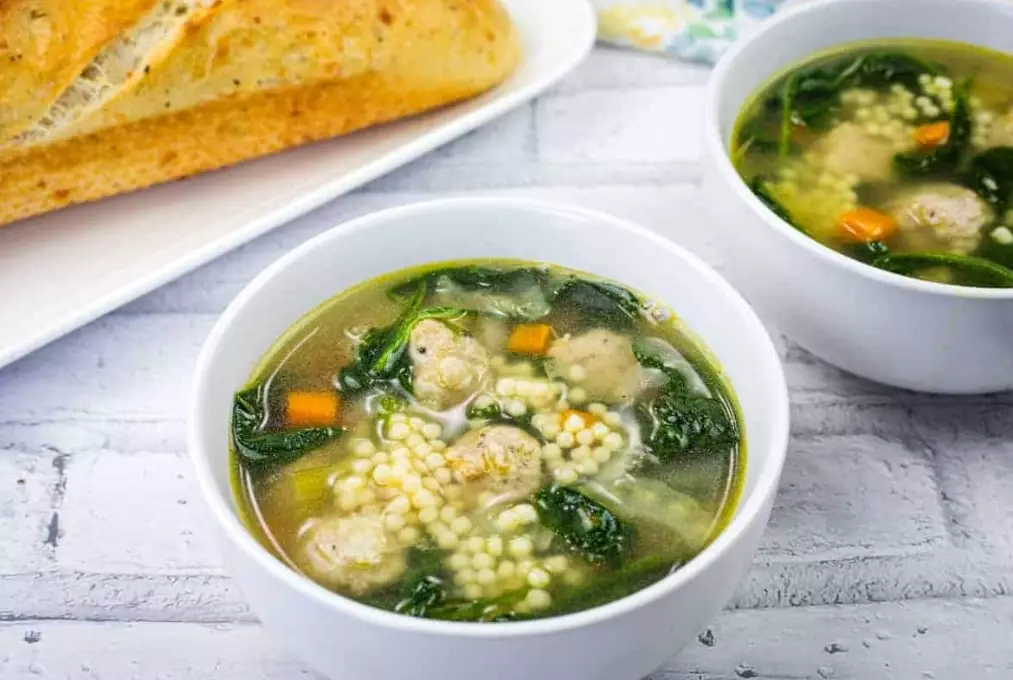
Quick List: Other Must-Know Italian Soups
Zuppa di Pesce: A coastal treasure, more of a stew with mixed fish and shellfish in a tomato-based broth, served with toasted bread.
Pasta e Ceci: Pasta and chickpea soup, often flavored with rosemary and garlic. Simple, creamy, and deeply satisfying.
Zuppa di Lenticchie: Lentil soup, especially popular around New Year's for good luck. Often includes sausage or pancetta.
Acquacotta: A "cooked water" soup from Maremma in Tuscany, with vegetables, egg, and bread – originally a shepherd's meal.
How to Make Authentic Italian Minestrone at Home?
Forget the canned stuff. A real minestrone is a celebration of vegetables. Here’s a framework, not a rigid recipe, which is how an Italian cook would approach it.
The Base (Soffritto): Start with a soffritto – finely chopped onion, carrot, and celery sautéed gently in olive oil. This is non-negotiable for flavor depth.
The Vegetable Choir: Add harder vegetables first, sautéing for a few minutes. Think potatoes, celery root, green beans. Then add softer ones: zucchini, tomatoes (fresh or canned), leafy greens like spinach or cabbage at the very end.
The Liquid and Legumes: Cover with a good vegetable or chicken broth. Add pre-cooked or canned beans – cannellini or borlotti are classic. Let it simmer until all vegetables are tender but not mushy.
The Starch (Optional but Common): You can add short pasta (ditalini, small shells) or rice about 10-15 minutes before serving. If using pasta, remember it will continue to absorb broth, so serve it promptly or keep extra broth on the side. A true minestrone alla Milanese uses carnaroli rice.
The Finish: Off the heat, stir in a generous glug of extra virgin olive oil and some freshly grated Parmesan cheese. Some fresh basil or parsley. The soup should be thick, not watery. Let it rest for 10 minutes – it tastes even better.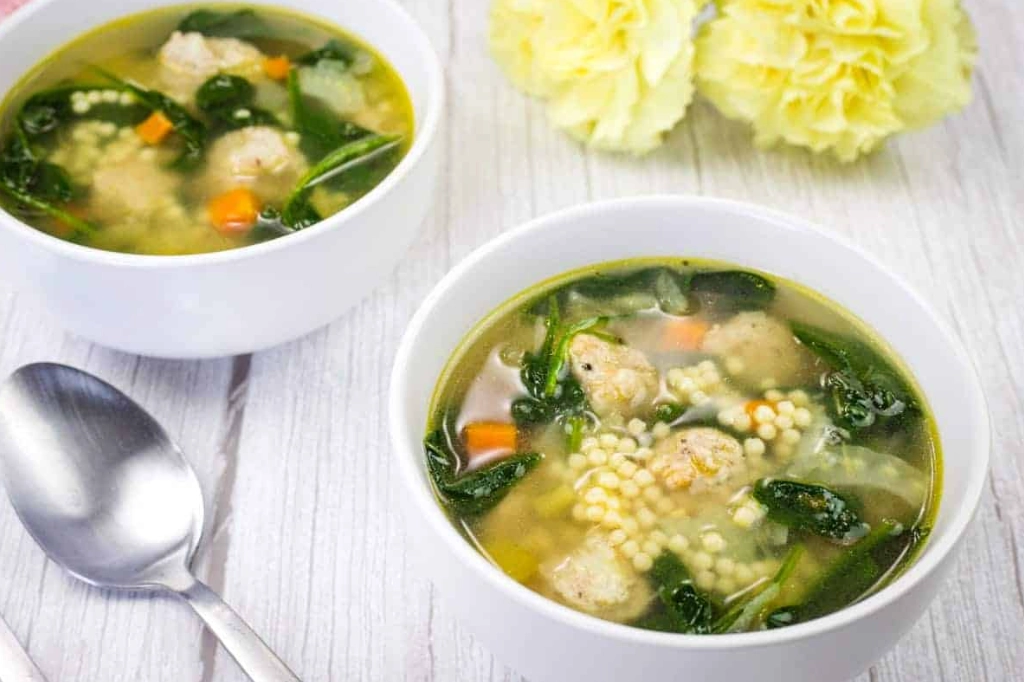
The Expert's Ladle: Tips You Won't Find on Most Recipes
After years of cooking and eating these soups, here are the subtle things that make a difference.
The Parmesan Rind Trick: This is the ultimate insider secret. Save the rind from your Parmigiano-Reggiano. Toss it into any bean or vegetable soup while it simmers. It melts slightly, releasing an incredible savory, umami depth. Fish it out before serving. It's a flavor bomb you're probably throwing away.
Don't Overcook the Pasta in the Soup. A common mistake is adding pasta directly to the big pot of soup and letting it sit. The pasta bloats and turns the whole soup starchy. Cook the pasta separately, al dente, and add it to individual bowls before ladling the hot soup over. This keeps texture perfect, especially for leftovers.
"Ribollita" Means Better the Next Day. This applies to almost all these soups. The flavors meld and deepen overnight. For minestrone or pasta e fagioli, make a big pot on Sunday. It will be superior on Monday. For Ribollita, it's actually required.
Use the Right Bread. For soups like Pappa al Pomodoro or Ribollita, you need stale, unsalted Tuscan-style bread. The soft, pre-sliced sandwich bread will dissolve into a gluey, sweet mess. It ruins the texture. A crusty, country loaf is key.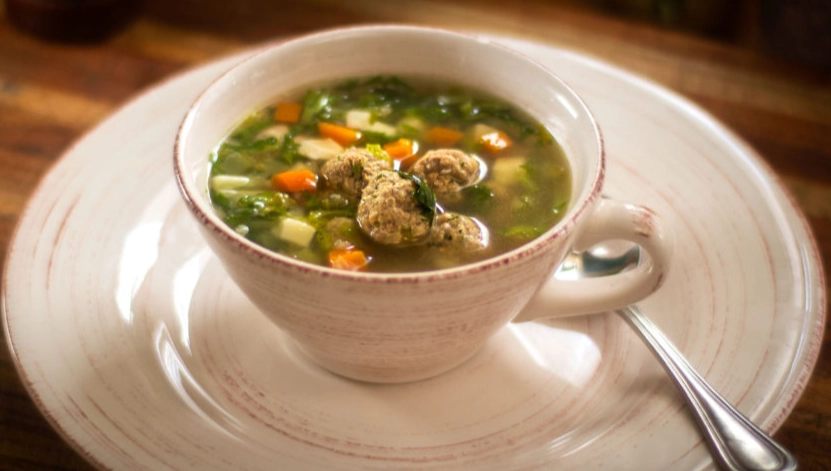
Your Italian Soup Questions, Answered
 Can I freeze Italian soups?
Related Articles
Ultimate Italian Sliders Recipe: Party-Perfect and Irresistible
Best Desserts After Pasta: Expert Picks for a Perfect Finish
Modern Italian Cocktails: A Guide to Artisanal Mixology

Still have to rely on Zhengzhou Foxconn? The truth about the swing between Apple
Traditional Italian Bread Recipes: Authentic Methods & Expert Tips