Easy Italian Soup Recipes: Quick & Authentic Comfort Food
Let's be honest. When you search for "easy Italian soup recipes," you're not looking for a weekend project that requires ten types of obscure cured meat. You want warmth, deep flavor, and that feeling of "mamma mia" in a bowl, but you need it on a Tuesday night after work. Good news: authentic Italian soup is built on simplicity, not complexity. It's about technique with a handful of good ingredients, not a laundry list of them. I've spent years cooking in home kitchens and learning from Italian nonnas, and the biggest mistake I see? People overcomplicate it. They add too many things and cook the soul right out of the vegetables. We're going to fix that.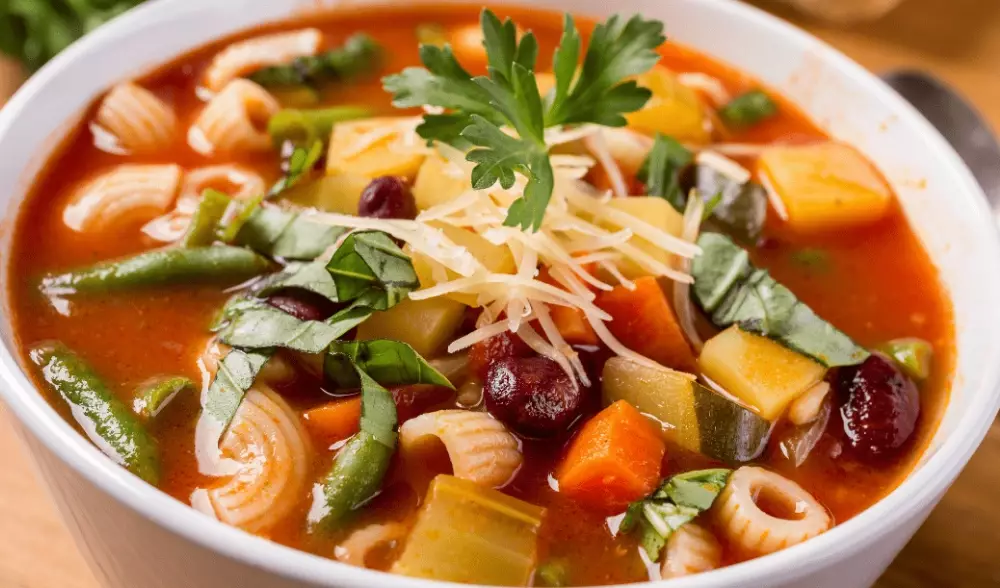
Your Quick Soup Navigation
Why Soup is the Secret to Italian Home Cooking
In Italy, soup isn't just a starter. It's a primo piatto – a first course meant to be satisfying on its own. It's frugal, seasonal, and incredibly adaptable. A good minestrone in Lombardy will have different beans than one in Tuscany, based on what's local. That's the key: these are framework recipes. Once you learn the basic method, you can swap vegetables based on what's in your fridge. That's the real definition of "easy."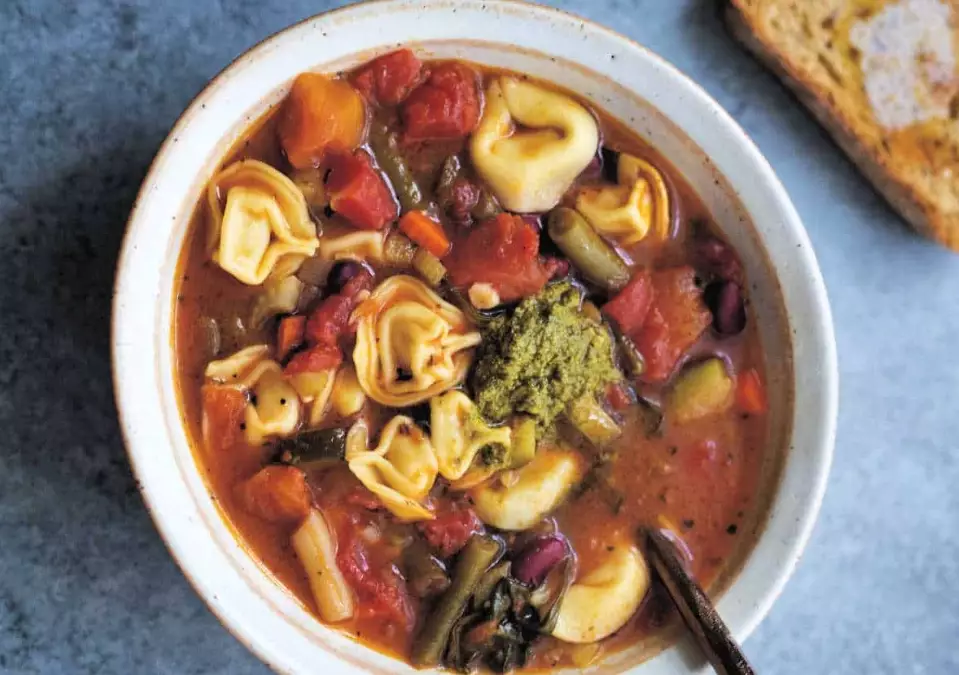
Three Classic Easy Italian Soup Recipes, Decoded
Here are three pillars of Italian soup culture. Think of this table as your cheat sheet.
| Soup Name | Core Idea & Region | Key Ingredients (The Non-Negotiables) | Active Time / Total Time | The "Easy" Twist |
|---|---|---|---|---|
| Minestrone | The ultimate "clean out the fridge" vegetable soup. Hearty and complete. Origins are debated across Northern Italy. | Soffritto (onion, carrot, celery), canned tomatoes, seasonal vegetables (e.g., zucchini, green beans, potato), beans (cannellini or borlotti), small pasta or rice, Parmesan rind. | 25 min / 45 min | Use frozen mixed vegetables and canned beans. The Parmesan rind is the magic flavor booster you probably throw away. |
| Tuscan Bean Soup (Ribollita) | A thick, bread-thickened peasant soup from Tuscany. Means "re-boiled," as it tastes better the next day. | Cannellini beans, cavolo nero (Tuscan kale) or regular kale, stale rustic bread, soffritto, tomato paste. | 20 min / 1.5 hrs (mostly hands-off) | Use high-quality canned cannellini beans. No stale bread? Toast fresh bread in the oven until dry. |
| Stracciatella (Roman Egg Drop Soup) | Rome's elegant, 10-minute comfort food. Light broth with silky egg ribbons. Often called "Italian penicillin." | Good quality chicken or vegetable broth, eggs, grated Parmesan cheese, semolina or breadcrumbs, nutmeg. | 5 min / 10 min | It's all about the technique of whisking the eggs into hot broth. Use store-bought broth, but simmer it with a piece of celery and parsley for 10 minutes first. |
Making Minestrone Your Own
The recipe you'll find everywhere says "sauté vegetables, add broth, simmer." Fine. But here's what makes it great. Cook your soffritto (diced onion, carrot, celery) in olive oil until the onion is truly translucent, not just sweaty. This builds sweetness. Then, add your harder veggies (like potatoes, carrots) with the tomatoes, let them cook for 5 minutes before adding the broth. Add softer veggies (zucchini, greens) in the last 10-15 minutes. This preserves texture and color. Mushy, uniform vegetables are the death of a good minestrone.
The Real Tuscan Bean Soup Method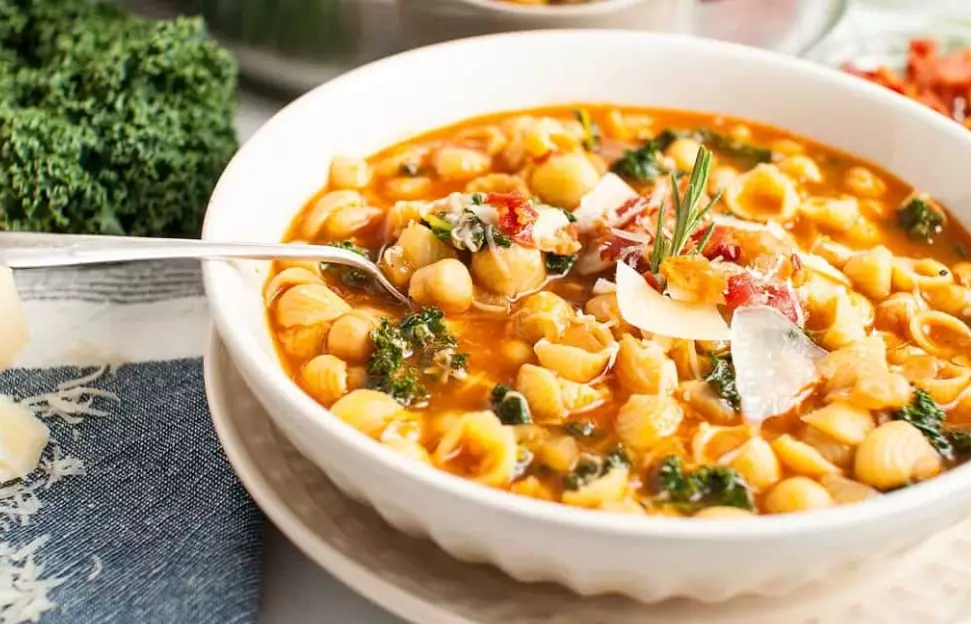
Most recipes tell you to mash some beans to thicken it. That works. But the traditional ribollita method is different and, in my opinion, creates better texture. You layer the soup with pieces of stale bread in the pot or in the bowl. The bread dissolves partially, thickening the soup body, while some pieces remain for a pleasant chew. It turns soup into a stew with a spoon. If you use canned beans, add them with their liquid – it's full of flavor and starch that helps thicken.
Stracciatella: The 10-Minute Wonder
This is the easiest soup you're not making. Beat 2 eggs with 3 tablespoons of grated Parmesan, a tablespoon of semolina or fine breadcrumbs, a pinch of nutmeg, and some parsley. Have your broth at a gentle simmer, not a rolling boil. Pour the egg mixture in a thin stream while stirring the broth slowly with a fork. The eggs cook instantly into delicate strands. Turn off the heat immediately. Overcooking makes rubbery eggs. Serve with more Parmesan. It's that simple.
Pro Tip from the Kitchen: Never add cheese to the entire pot of soup if you plan to have leftovers (except for Stracciatella, where it's cooked in). The cheese can make the soup grainy or oily upon reheating. Always grate Parmesan over individual bowls at the table.
How to Master the Flavor Base (The "Soffritto" Secret)
Almost every savory Italian soup starts with soffritto. It's not just chopping an onion. It's the gentle frying of minced onion, carrot, and celery in olive oil until soft and fragrant. This is the flavor foundation. The mistake? Rushing it on high heat. You want to sweat the vegetables, not brown them (unless the recipe specifically calls for it). Low and slow for 8-10 minutes. It transforms raw, sharp flavors into a sweet, aromatic base that permeates the entire soup. No soffritto, no soul.
3 Common Mistakes That Ruin Italian Soup (And How to Avoid Them)
I've tasted a lot of bland, watery, or mushy soup. It usually comes down to these three things.
1. Using Water Instead of Flavor-Packed Liquid. Even if a recipe says "water," in an Italian home, it's often a light homemade broth or water infused with a vegetable scrap. Your easy fix? Use a good quality, low-sodium store-bought broth. Or, add a Parmesan rind, a tomato, a garlic clove, and a piece of celery to water and simmer it for 20 minutes. Instant flavor.
2. Dumping All Ingredients at Once. Vegetables have different cooking times. Adding delicate spinach at the same time as a potato cube is a disaster. Add ingredients in stages based on how long they need to become tender-crisp.
3. Underseasoning at the End. Soup dilutes seasoning. You must taste and adjust the salt and pepper after it's finished simmering. A final drizzle of high-quality extra virgin olive oil and a crack of black pepper before serving is non-negotiable for aroma.
Your Italian Soup Questions, Answered
 What's the best way to store and reheat leftover Italian soup?
The goal isn't to follow a recipe like a robot. It's to understand the why behind the steps. Start with a good soffritto, build your flavors in layers, respect the cooking time of your ingredients, and finish with good oil and cheese. That's how you turn a few simple ingredients into a bowl of easy Italian comfort, any night of the week.
Related Articles
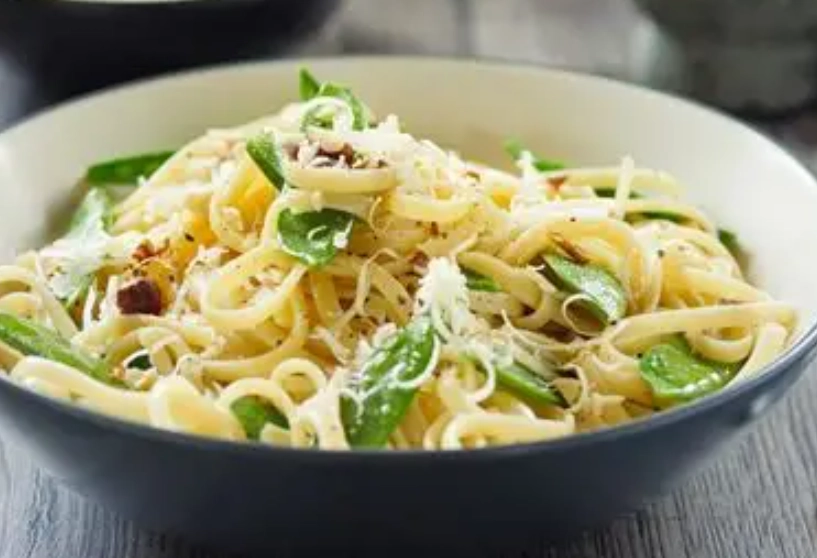
Authentic Italian Pasta Recipes: A Complete Cooking Guide

Italian Sausage Soup: Authentic Recipes & Pro Tips
What is a Good Appetizer Before Pasta Dinner? 15+ Expert Picks & Pairing Guide
Authentic Italian Recipes: Your Ultimate Guide to Mastering Classics at Home
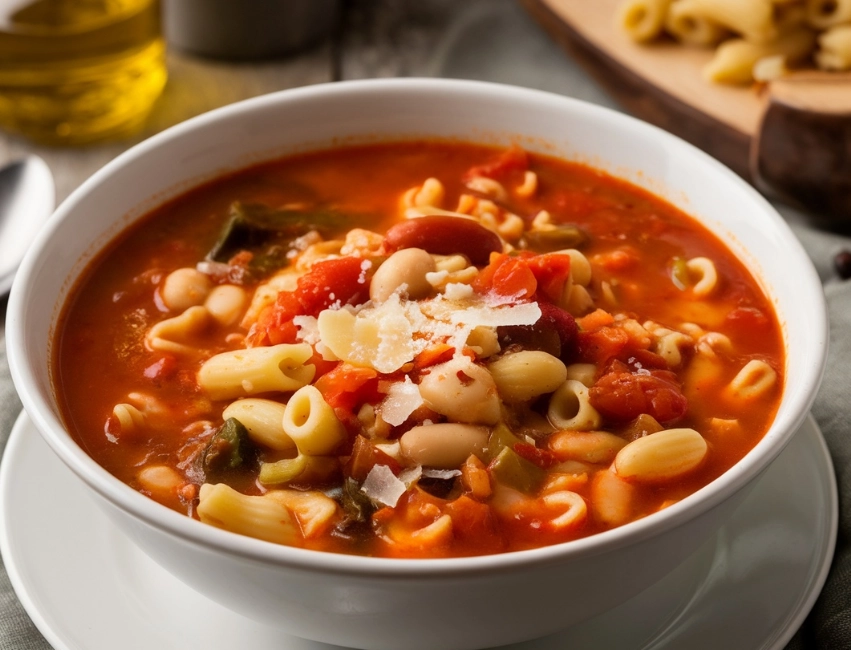
Italian Pasta e Fagioli Soup Recipe: Authentic & Easy