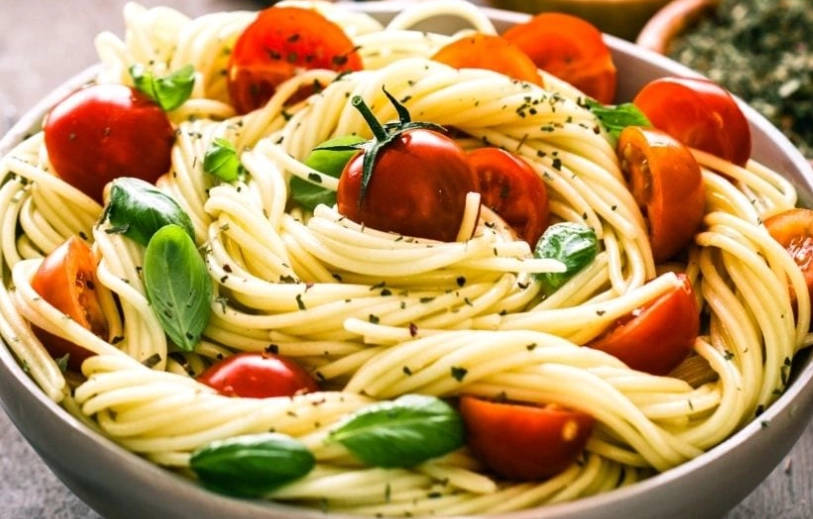
Best Italian Soup Recipes: Classic Comfort in a Bowl
Let's cut to the chase. The best Italian soup recipes aren't about fancy techniques or rare ingredients. They're about turning humble, seasonal produce into something profoundly satisfying. It's the kind of food that simmers for hours on a nonna's stove, filling the house with an aroma that promises comfort. After years of cooking and eating my way through Italy, I've found that these soups represent Italian home cooking at its most honest and delicious.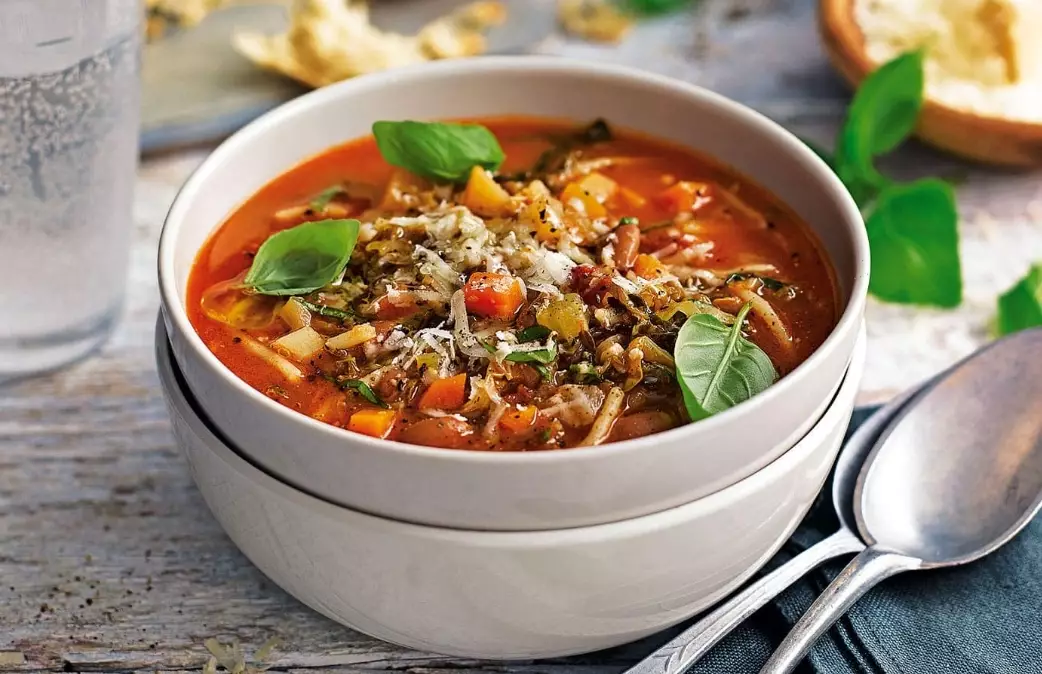
Most online recipes get the basics right but miss the subtle details that make the difference between a good soup and a great one. I'm talking about the order you add the vegetables, the type of bean that actually holds its texture, and the one herb that most people skip but shouldn't. We'll cover that.
What's Simmering Inside?
Mastering the Ultimate Minestrone
Minestrone is the Italian vegetable soup. The name comes from "minestra," meaning soup, and the "-one" suffix that makes it big and important. And it is. Every region, every family has a version. The common mistake? Treating it like a vegetable dump. The key is building layers of flavor.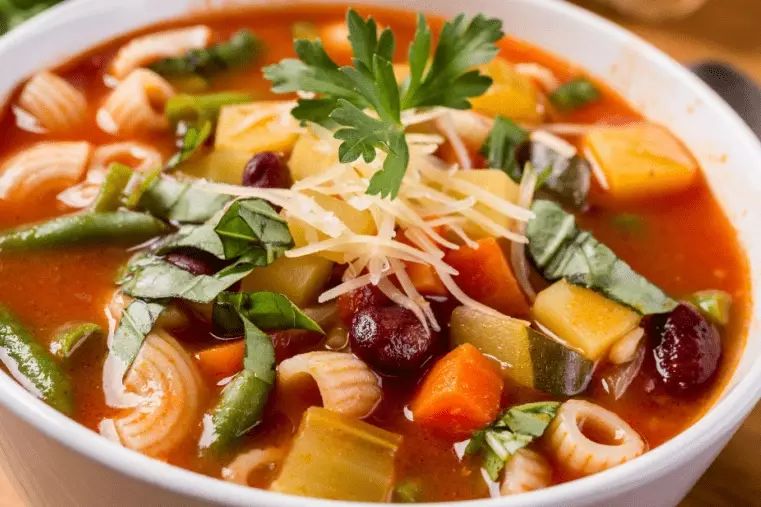
How to Build a Flawless Minestrone
The Foundation (Soffritto): Start with extra virgin olive oil, diced pancetta (or guanciale if you can find it), a finely chopped onion, carrot, and celery stalk. Cook this slowly until the vegetables are soft and sweet, not browned. This is your flavor base. Rushing this step is the first error.
The Vegetable Add Order: Here's where most recipes are too vague. Add sturdy vegetables first. After your soffritto, toss in cubed potatoes and chopped green beans. Let them cook for 5 minutes. Then add any leafy greens like chopped Swiss chard or spinach. The idea is to give each vegetable time to develop its own taste in the oil.
The Liquid & Simmer: Pour in a good-quality vegetable or chicken broth. I often use a combination of water and a spoonful of tomato paste dissolved in it for depth. Add a Parmesan rind if you have one—this is a non-negotiable trick for umami. Bring to a boil, then reduce to the gentlest simmer for at least 45 minutes.
The Final Flourish: About 15 minutes before serving, add canned cannellini beans (drained and rinsed) and small pasta like ditalini. Cook until the pasta is al dente. Stir in a handful of chopped fresh basil and a generous drizzle of raw extra virgin olive oil off the heat. Serve with more Parmesan and crusty bread.
It tastes even better the next day. The starch from the potatoes and pasta thickens the broth into something silky and rich.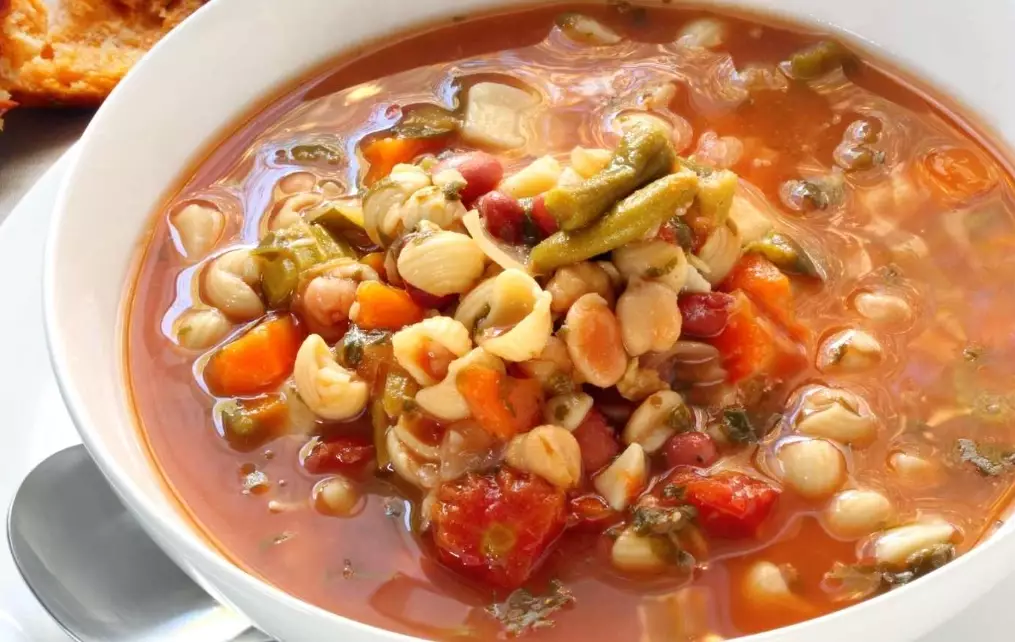
The Hearty Secrets of Ribollita
Ribollita means "re-boiled," and that's the secret. This Tuscan bread soup is a masterpiece of peasant cooking, designed to be made in large batches and reheated over several days. Each reheating melds the flavors further. The star ingredient is cavolo nero, Tuscan kale. Its earthy, slightly bitter flavor is irreplaceable.
I learned to make this in a farmhouse near Siena. The cook insisted the bread must be stale, unsalted Tuscan bread (pane sciocco). Using fresh, salted bread turns the soup into a mushy, overly salty mess. You want the bread to absorb the broth without disintegrating completely.
The Core Ingredients You Can't Skip
- Cavolo Nero (Tuscan Kale): Strip the leaves from the tough central stem and chop roughly.
- Beans: Cannellini are traditional. For the best texture, use dried beans you've soaked overnight and cooked separately until tender. Reserve the bean cooking liquid—it's liquid gold for your soup broth. Canned beans are fine in a pinch, but they'll be softer.
- Stale Bread: About 200g of day-old, crusty, unsalted bread, torn into chunks.
The method is similar to minestrone but heartier. After your soffritto, you add the chopped kale, letting it wilt down. Then add tomatoes, the cooked beans, and that precious bean broth. Simmer for a long time. Off the heat, you stir in the bread chunks. Let it sit for 10 minutes. The first serving is great. But you let the whole pot cool, then reheat it the next day. That's the "ribollita." The bread breaks down, thickening the soup into a spoon-standing, deeply satisfying stew.
Crafting the Perfect Pasta e Fagioli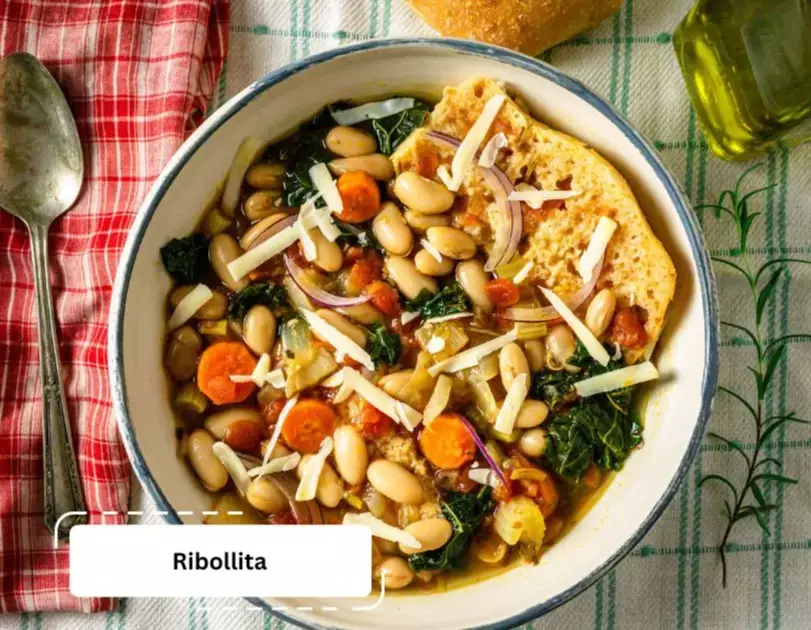
Pasta e fagioli (pasta and beans) sits somewhere between a soup and a pasta dish. The goal is a creamy, brothy consistency where the beans partially break down to thicken the sauce. The biggest variation is the bean and pasta shape. In the North, it's often with borlotti beans and smaller pasta. In the South, cannellini and larger shapes like ditaloni are common.
My preferred version uses borlotti beans for their creamy texture and beautiful pink color. Here's my process:
- Bean Prep: If using dried borlotti beans, soak them. Cook them gently with a sage leaf and a garlic clove until very tender. Do not salt the water until the end, or the skins will toughen.
- The Aromatics: In your soup pot, sauté a soffritto of onion, carrot, celery, and a little pancetta in olive oil. Add a sprig of rosemary.
- Build the Body: Add a spoonful of tomato paste and cook for a minute. Then, add about two-thirds of your cooked beans. Use a potato masher or immersion blender to roughly puree them right in the pot. This creates instant creaminess.
- Simmer & Add Pasta: Pour in the bean cooking liquid and some broth to reach your desired soupy consistency. Bring to a simmer. Add the remaining whole beans and your short pasta (like small shells or ditalini). Cook until the pasta is al dente.
- Finish: The soup will thicken as it sits. Loosen it with a splash of hot water or broth if needed. Finish with a swirl of peppery extra virgin olive oil and black pepper. Cheese is optional—some purists say no, but I love a little Pecorino Romano.
Italian Soup Essentials & Pro Tips
Beyond individual recipes, some principles apply across the board. Getting these right elevates your soup from home-cooked to restaurant-quality.
| Soup | Key Characteristic | Essential Ingredient | Common Pitfall to Avoid |
|---|---|---|---|
| Minestrone | Vegetable-forward, brothy | Parmesan rind, seasonal veggies | Overcooking the vegetables into mush |
| Ribollita | Thick, stew-like, re-boiled | Cavolo nero, stale Tuscan bread | Using fresh, salted bread |
| Pasta e Fagioli | Creamy bean & pasta harmony | Borlotti or cannellini beans | Not pureeing some beans for thickness |
The Holy Trinity of Italian Soup: Good olive oil, homemade (or high-quality store-bought) broth, and patience. A slow simmer is non-negotiable. It allows flavors to marry and vegetables to tenderize without falling apart.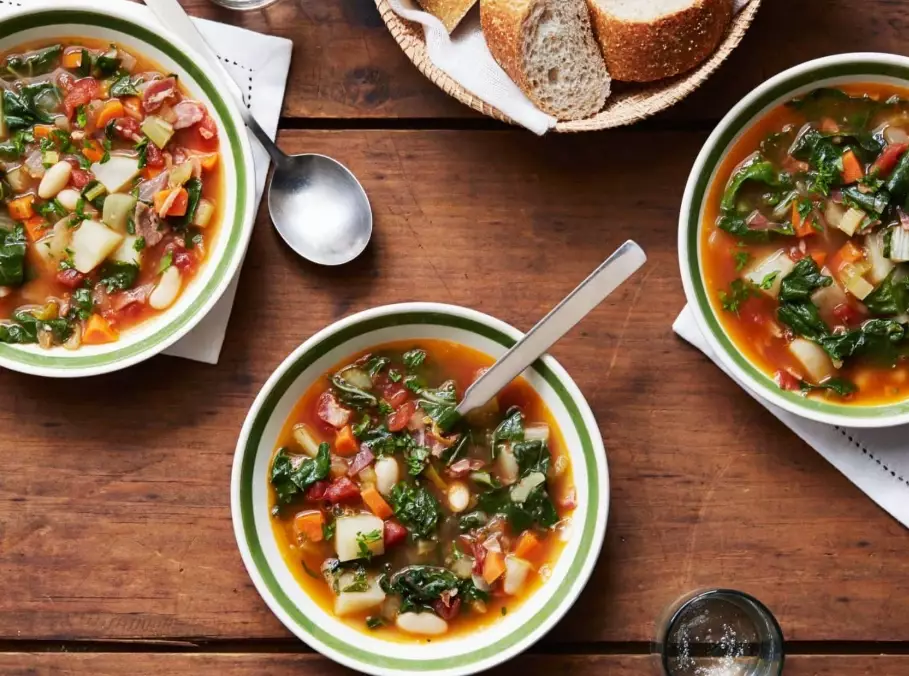
On Cheese Rinds: Save the hard rinds from your Parmigiano-Reggiano or Pecorino. Toss one into any bean or vegetable soup while it simmers. Fish it out before serving. It adds an incredible savory depth that's hard to replicate.
Final Drizzle: Never underestimate the power of a final drizzle of raw, high-quality extra virgin olive oil just before serving. It adds a fresh, fruity aroma and richness that cooked oil doesn't have.
Your Italian Soup Questions Answered
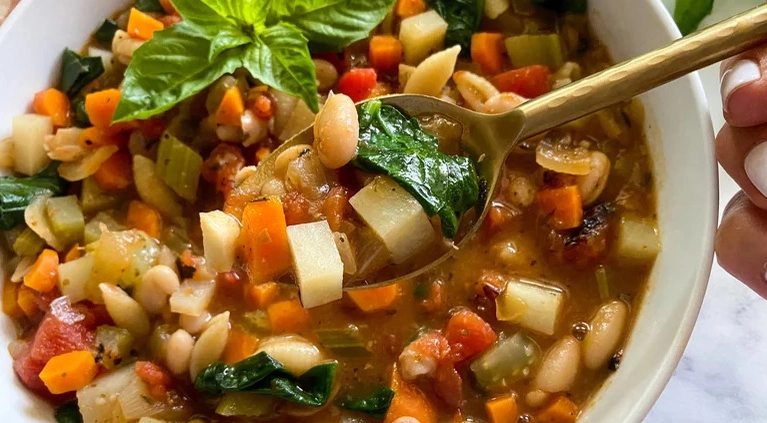 What's the best substitute for cavolo nero (Tuscan kale) in ribollita?
Related Articles
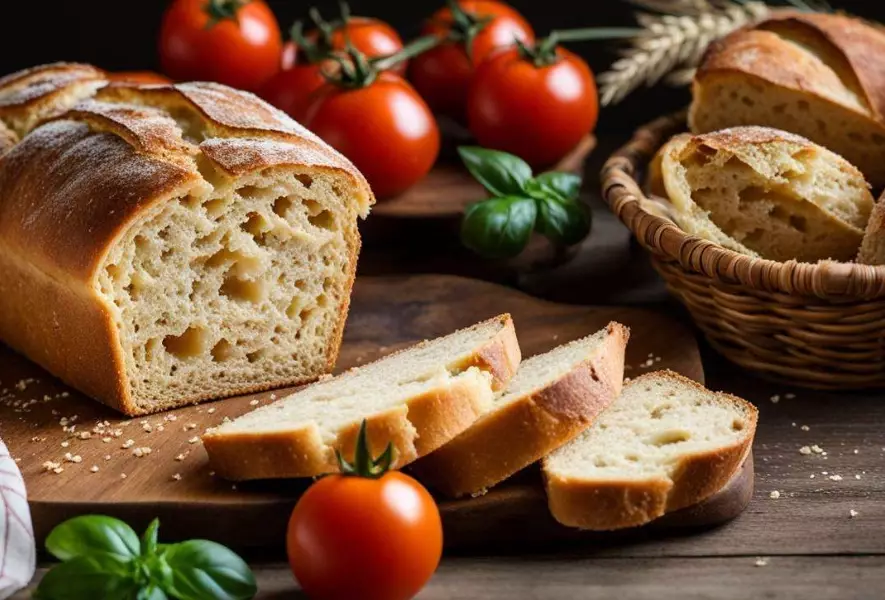
Top 10 Italian Breads: A Guide to the Best Loaves from Italy

Still have to rely on Zhengzhou Foxconn? The truth about the swing between Apple
Italian Seasoning Without Marjoram: A Complete Recipe & Guide
Italian Pasta Salad Recipe: The Ultimate Guide for Perfect Results
A Typical Italian Dinner at Home: The Real Menu & Traditions