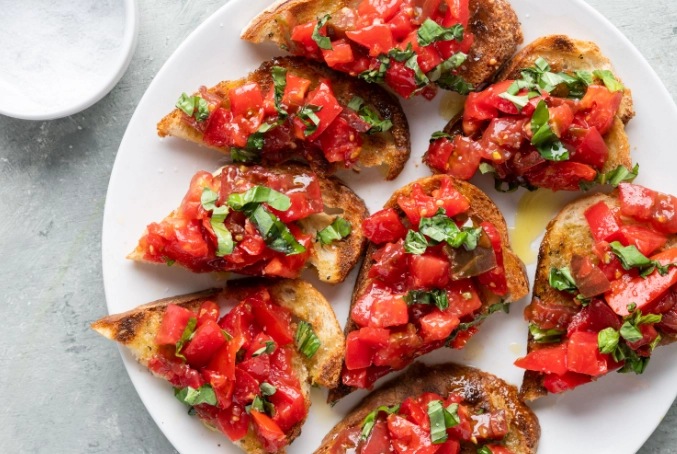
Top 10 Italian Soups You Need to Try: From Minestrone to Zuppa Toscana
When you think of Italian food, pizza and pasta probably jump to mind first. But to overlook Italian soups is to miss the heart of the country's home cooking. These aren't just starters or side dishes—they're often the main event, a complete meal in a bowl that tells a story of thrift, seasonality, and regional pride. From the dense, bread-thickened stews of the countryside to the delicate broths of the coast, Italian soup is a masterclass in turning humble ingredients into something extraordinary. Let's dive into the top 10, the ones that truly define the genre.
Your Quick Guide to Italy's Best Soups
What Makes Italian Soups So Special?
It's not about fancy techniques. The magic is in the approach. Unlike French soups that might focus on silky purees, Italian soups are often rustic, textural, and built on a foundation of sofrito—that gentle sauté of onion, carrot, and celery that forms the flavor base. They're also deeply tied to cucina povera ("poor kitchen"), the art of making the most of what you have. Yesterday's bread, leftover beans, seasonal greens—nothing goes to waste.
I learned this the hard way on my first trip to Tuscany. I ordered a ribollita expecting a light vegetable soup. What arrived was a dense, almost stew-like concoction that was a full meal. It was a revelation. That's the thing: these soups are designed to satisfy, to fuel a day's work. They're forgiving, adaptable to the seasons, and most are surprisingly easy to make at home once you understand the core principles.
A Quick Word on "Authenticity"
You'll find a hundred variations of minestrone across Italy. The version in Liguria has pesto stirred in at the end. In Milan, it might include rice. That's not inconsistency—it's regional identity. Don't get hung up on one "correct" recipe. Think of these soups as frameworks. The best Italian home cooks use what's fresh and good. So should you.
The Top 10 Italian Soups, Ranked & Explained
Ranking these is tough, as it's like choosing a favorite child. This list balances iconic status, flavor, and how essential they are to understanding Italian soup culture. I've included a key detail many recipes online gloss over: the ideal texture and serving ritual.
| Rank & Soup | Region of Origin | Key Ingredients | The "Can't Skip" Step |
|---|---|---|---|
| 1. Minestrone | Lombardy (disputed, now national) | Seasonal vegetables, beans, pasta/rice, Parmesan rind | Letting it rest for hours (or a day) after cooking—the flavors marry profoundly. |
| 2. Ribollita | Tuscany | Cannellini beans, cavolo nero (Tuscan kale), stale bread, soffritto | The double cooking ("ribollita" means re-boiled) and the final drizzle of raw, peppery olive oil. |
| 3. Zuppa Toscana (Tuscan Soup) | Tuscany (modern) | Spicy sausage, potatoes, cavolo nero or kale, cream | Using a high-quality, fennel-spiced Italian sausage for the base flavor. |
| 4. Pasta e Fagioli | Countrywide (roots in Veneto & Campania) | Beans (borlotti or cannellini), small pasta (ditalini), tomato, rosemary | Partially pureeing some of the beans to thicken the soup naturally. |
| 5. Stracciatella alla Romana | Lazio (Rome) | Egg, Parmesan cheese, semolina or breadcrumbs, nutmeg, broth | Whisking the egg mixture vigorously into simmering, not boiling, broth for perfect rags. |
| 6. Zuppa di Pesce (Cacciucco) | Coastal Tuscany (Livorno) | Mixed firm fish & shellfish, tomato, garlic, chili, red wine | Toasting bread rubbed with garlic for serving underneath—it soaks up the glorious broth. |
| 7. Brodo con Passatelli | Emilia-Romagna | Rich chicken/meat broth, breadcrumbs, Parmesan, egg, lemon zest | Using a passatelli iron or potato ricer to form the delicate, noodle-like dumplings. |
| 8. Zuppa di Lenticchie | Central Italy (Umbria famous for Castelluccio lentils) | Lentils, pancetta or guanciale, soffritto, tomato paste | Never adding salt until the lentils are fully tender, or they'll stay hard. |
| 9. Acquacotta | Maremma (Southern Tuscany) | Wild greens, tomato, onion, stale bread, poached egg | The final act of placing a slice of toasted bread and a poached egg in each bowl before ladling the soup over it. |
| 10. Zuppa di Ceci (Chickpea Soup) | Across Italy, especially Liguria & Tuscany | Chickpeas, rosemary, garlic, sometimes pasta (like broken spaghetti) | Reserving a few whole chickpeas for garnish and mashing/pureeing the rest for creaminess. |
Deep Dive on the Top Contenders
Minestrone is the ultimate flexible soup. The common mistake? Overloading it with too many vegetables at once. Root vegetables (carrots, potatoes) go in early with the soffritto. Delicate greens (spinach, zucchini) go in during the last 10 minutes. And that Parmesan rind? It's a flavor bomb of umami. Toss it in while simmering and fish it out before serving. For a classic recipe framework, sites like Giallo Zafferano (a major Italian recipe portal) offer excellent regional versions.
Ribollita is a texture experience. It should be thick enough for a spoon to stand up in, thanks to the bread dissolving into the soup. The cavolo nero (Tuscan kale) is non-negotiable for authenticity—its earthy, slightly bitter flavor is the soul of the dish. Regular kale works, but it's not the same. Serve it lukewarm, not piping hot, with a lake of new-harvest olive oil on top.
Zuppa Toscana is the modern superstar you see everywhere. A confession: many Italians will tell you this is more of an Italian-American creation, popularized by chains. But its roots are in Tuscan home cooking, combining classic ingredients. The key to making it taste legit is to brown the sausage well to render the fat, which then becomes the cooking base for the onions and garlic. Skip the heavy cream overload; a splash is enough to enrich it.
Pasta e Fagioli walks a fine line between soup and pasta dish. The pasta should be cooked in the soup, absorbing the bean broth. This means you need more liquid than you think, as the pasta will drink it up. Let it sit for 10 minutes off the heat before serving—it will thicken to the perfect consistency. Rosemary is the classic herb, but a single sage leaf fried in the initial pancetta fat is a game-changer.
How to Serve Italian Soups Like a Local
It's not just about the recipe. Presentation and accompaniment matter.
First, the bowl. Use a wide, shallow bowl for soups with bread or pasta (like ribollita or pasta e fagioli). Deeper bowls are for brothy soups (stracciatella, brodo).
Second, the garnish. It's often the final flavor layer. A drizzle of extra virgin olive oil is almost mandatory. For bean soups, a grind of black pepper. For seafood soups, chopped fresh parsley. Grated cheese (Parmigiano-Reggiano or Pecorino) is typical for many, but never on seafood soups—it's a culinary sin in Italy.
Third, what to have with it? A simple, crisp white wine like a Vermentino or a light red like a Chianti works with most. And on the side? Just more bread. No fancy salads needed. The soup is the meal.
Your Italian Soup Questions, Answered
Related Articles
Authentic Italian Vegetarian Appetizers: Recipes, Tips & Menus
Easy Christmas Recipes in Italy: Festive Italian Dishes Made Simple
Ultimate Guide to Homemade Italian Sausage Recipe (Sweet & Spicy)
Top 10 Italian Desserts: A Sweet Journey Through Italy
Chopped Italian Sliders Recipe: Ultimate Guide for Juicy Party Sandwiches