Authentic Italian Meatballs: Nonna's Secrets & Step-by-Step Recipe
Let's get one thing straight right away. The most authentic Italian meatballs, or polpette, aren't always drowning in a sea of tomato sauce atop a mountain of spaghetti. That's more of an Italian-American creation. In Italy, especially in homes, they're often a standalone dish, served as a secondo (main course) with a simple side, or even enjoyed as a snack. The goal isn't just flavor—it's a specific, delicate texture. A tender, almost creamy interior that practically melts, encased in a lightly crisped exterior. Most recipes get the flavor profile about right, but achieving that perfect texture is where home cooks stumble. I learned this the hard way after years of producing dense, bouncy meatballs that felt more like golf balls. The secret isn't a mysterious ingredient; it's a series of small, intentional steps most recipes gloss over.
What You'll Find in This Guide
The Core Ingredients Breakdown: More Than Just Meat
You can't build a great house with poor materials. The same goes for polpette. Every component has a specific job.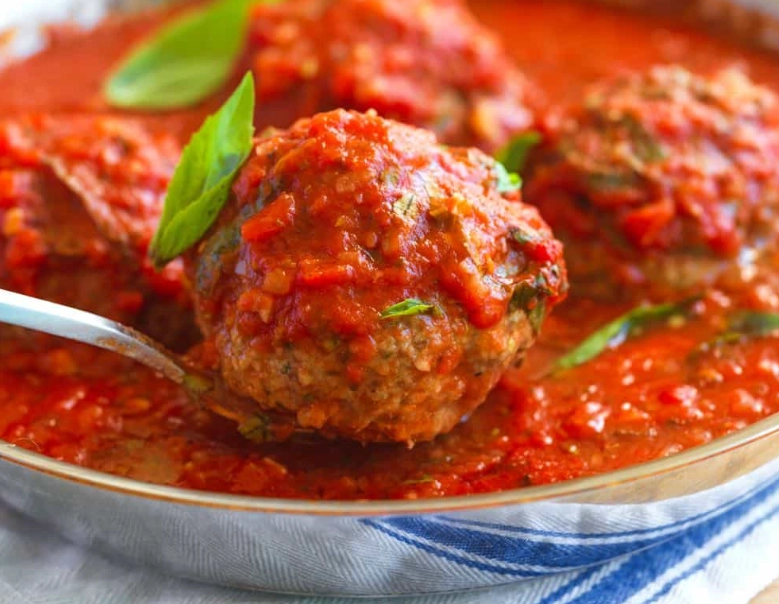
The Meat: The Foundation
A blend is non-negotiable for depth. I use equal parts ground beef (80/20 fat ratio for flavor and moisture) and ground pork. The pork adds fat and a subtle sweetness. Some regions use veal, but a beef-pork mix is the most accessible and classic home-style choice. Avoid extra-lean meat. You need that fat.
The Binder: The Secret to Tenderness
This is the most misunderstood part. It's not just breadcrumbs. It's a panade—a paste made from stale bread (crusts removed) soaked in milk. This is your primary moisture-locker and tenderizer. The starch and milk proteins create a gel that prevents the meat proteins from tightening into a tough network. Using dry breadcrumbs alone will suck moisture out, giving you a dry, crumbly result.
The Flavor Amplifiers
- Cheese: Freshly grated Parmigiano-Reggiano or Pecorino Romano. Pre-grated cheese contains anti-caking agents that can make your mixture grainy and won't melt as seamlessly.
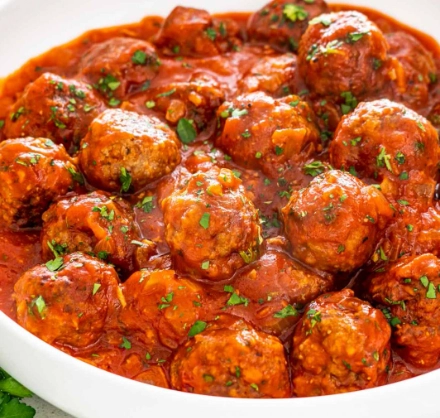
- Herbs: Flat-leaf parsley, finely chopped. Sometimes a hint of fresh oregano or mint, depending on the region. Dried herbs lack the brightness.
- Aromatics: A soffritto base of very finely minced onion (sometimes garlic) gently sautéed until soft and sweet, then cooled completely. Raw onion releases too much water and can create steam pockets, leading to breakage.
- Seasoning: Salt, black pepper, and maybe a tiny pinch of nutmeg, which is a classic Italian touch for meat dishes.
The Step-by-Step Process
Here’s your actionable blueprint. Read through once before you start.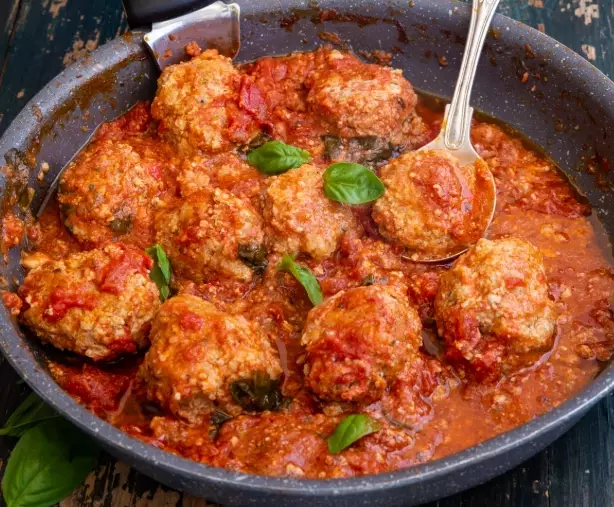
| Ingredient | Quantity | Notes for Success |
|---|---|---|
| Ground Beef (80/20) | 250g / 1/2 lb | Bring to cool room temp before mixing. |
| Ground Pork | 250g / 1/2 lb | Same as beef. |
| Stale White Bread | 100g / 3.5 oz (2 slices) | Crusts removed, torn into small pieces. |
| Whole Milk | 120ml / 1/2 cup | Enough to fully soak the bread. |
| Parmigiano-Reggiano | 60g / 2/3 cup, grated | Grate it yourself. |
| Yellow Onion | 1 small, finely minced | About 1/2 cup after mincing. |
| Fresh Flat-Leaf Parsley | 1/4 cup, finely chopped | Stems removed. |
| Large Egg | 1 | Acts as a secondary binder. |
| Fine Sea Salt | 1 1/4 tsp | Adjust to taste. |
| Black Pepper | 1/2 tsp, freshly ground | |
| Olive Oil | For frying | Extra virgin for the soffritto, regular for frying. |
Step 1: Prepare the Soffritto & Panade. In a small pan, sauté the minced onion in a tablespoon of olive oil over low heat until soft and translucent, about 8-10 minutes. No color. Let it cool completely. In a bowl, combine the torn bread and milk, mashing with a fork until a uniform paste forms. Let it sit for 10 minutes.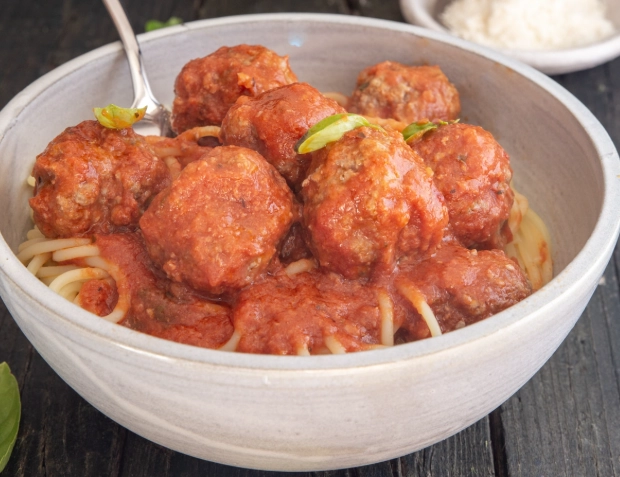
Step 2: Combine with Care. In a large bowl, add the cooled onion, the panade, the grated cheese, parsley, egg, salt, and pepper. Use a fork to mix these “wet” ingredients together. Now add the ground meats. Using your hands, gently fold and mix just until everything is evenly distributed. You should see the ingredients come together, but the mixture will be quite soft and moist. That’s good.
Step 3: Shape and Chill. Dampen your hands with water to prevent sticking. Gently roll the mixture into balls about the size of a golf ball (roughly 40g each). Place them on a parchment-lined tray. Here’s a crucial, often skipped step: refrigerate the shaped meatballs for at least 30 minutes. This firms up the fat, making them much less likely to fall apart during cooking.
Step 4: Cook to Perfection. You have two authentic options: frying or baking. Frying gives the best texture and flavor. Heat about 1/4 inch of olive oil in a heavy skillet over medium heat. Fry the meatballs in batches, don't crowd the pan, turning occasionally until golden brown on all sides, about 7-8 minutes total. They don't need to be cooked all the way through inside at this stage if you're finishing them in sauce. Baking is easier: place on a rack over a baking sheet and bake at 200°C (400°F) for 18-20 minutes until browned.
The 3 Most Common Mistakes (& How to Fix Them)
I've taught this recipe for years. These are the errors I see every single time.
1. Using Dry Breadcrumbs Instead of a Panade. This is the cardinal sin. Dry breadcrumbs absorb moisture during cooking, leaving you with a dry, sandy interior. The soaked bread paste (panade) releases moisture slowly, keeping the meatballs succulent.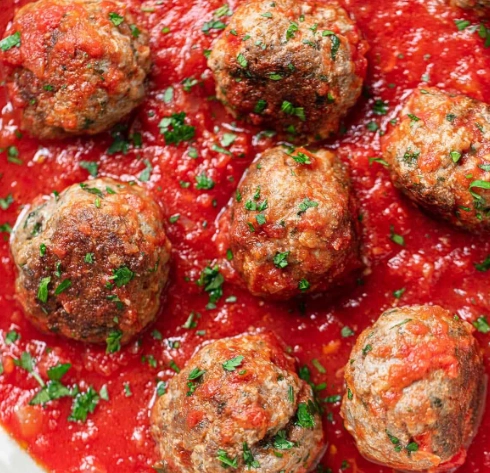
2. Overmixing the Meat. Vigorous stirring or using a spoon compacts the meat. Treat it like a fragile cloud. Fold gently with your fingertips until just combined.
3. Skipping the Chill Before Cooking. That 30-minute rest in the fridge isn't optional. It solidifies the fat, allowing the meatballs to hold their shape and develop a proper sear without steaming or collapsing.
Serving, Storing, and Making Ahead
Now you have a batch of perfect polpette. What next?
To Serve Traditionally: Let them cool slightly and serve as a main course with a wedge of lemon, a simple green salad, or roasted vegetables. They're fantastic at room temperature, too.
To Serve with Sauce: If you want them in tomato sauce (a delicious option!), gently simmer your fried or baked meatballs in a simple marinara sauce for 15-20 minutes to finish cooking and infuse flavor. Don't boil aggressively.
Storage: Cool completely, then store in an airtight container in the fridge for up to 3 days. They freeze beautifully. Freeze on a tray first, then transfer to a bag. Reheat gently in a pan with a splash of water or sauce, or in a 180°C (350°F) oven until hot through.
Traditional Italian vs. Italian-American Meatballs: A Clear Comparison
It's not that one is better; they're just different dishes with different purposes. Knowing this helps you choose the right recipe for the right occasion.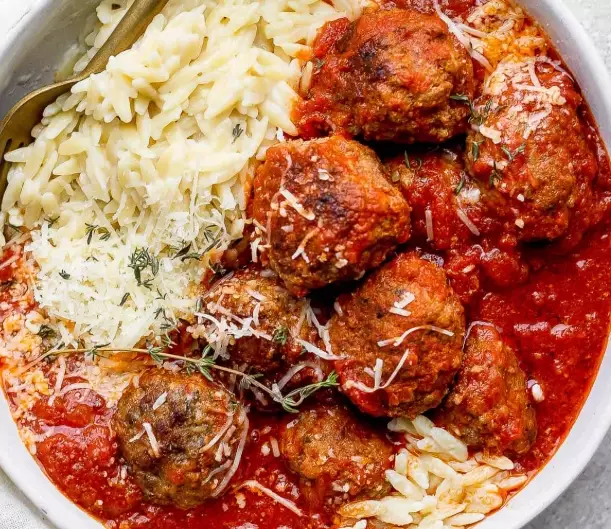
| Aspect | Traditional Italian Polpette | Italian-American Meatballs |
|---|---|---|
| Primary Role | Standalone main course or snack | Designed specifically to accompany pasta |
| Size | Smaller, golf ball-sized | Often much larger, fist-sized |
| Texture Goal | Tender, delicate, melt-in-the-mouth | Heartier, denser, able to hold up in sauce |
| Common Binder | Panade (bread soaked in milk) | Dry breadcrumbs or a combination |
| Common Herbs | Parsley, sometimes mint or oregano | Parsley, basil, often more dried herbs |
| Cooking Method | Fried or baked, then sometimes finished in sauce | Often browned then simmered in sauce for a long time |
Your Meatball Questions, Answered
The journey to a perfect meatball is about understanding the why behind each step, not just blindly following a list. It's about respecting the ingredients and the process. When you bite into a polpetta that's tender, flavorful, and feels like a little bit of care, you'll know the difference. It's not just dinner; it's a craft. Now go get your hands in that bowl.
Related Articles
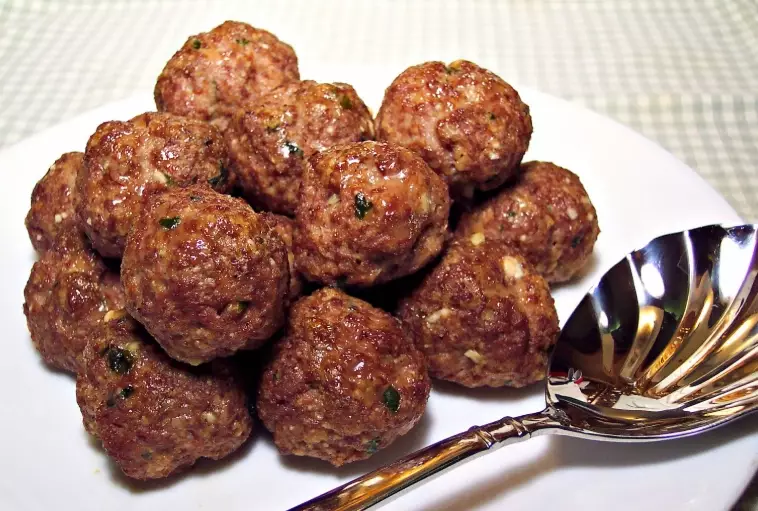
Authentic Italian Meatballs Recipe: Tender, Juicy & Full of Flavor
Easy Italian Soup Recipes: Quick & Authentic Comfort Food

Authentic Italian Stromboli Recipe: Easy Homemade Guide for Perfect Results
Italian Soup Recipe: Classic Minestrone & Hearty Ribollita Made Easy
Easy Italian Holiday Dinner Recipes: Stress-Free Feasts for Any Celebration