Ultimate Homemade Italian Beef Seasoning Recipe
Let's cut to the chase. The magic behind a legendary Chicago Italian beef sandwich, or any truly great roast beef, isn't some secret ingredient you can't pronounce. It's a carefully balanced homemade Italian beef seasoning blend. Store-bought mixes often get it wrong—too much salt, not enough oregano, or a flat, one-dimensional flavor. Making your own puts you in control, and it's simpler than you think. After years of testing (and a few overly salty failures), I've nailed down the base formula and the pro adjustments that make all the difference.
What's Inside This Guide?
What is Italian Beef Seasoning?
It's not just garlic powder and pepper. Authentic Italian beef seasoning is a savory, aromatic, and slightly spicy dry rub that defines the dish. Think of the crust on a slow-roasted beef chuck, or the deeply flavored broth the meat simmers in. That flavor profile comes from a specific set of dried herbs and spices common in Southern Italian cooking, adapted in Chicago's iconic sandwich shops.
The core elements are always there: garlic, oregano, basil, red pepper flakes. But the ratios and the quality of your spices are everything. A report from the American Spice Trade Association emphasizes that ground spices lose potency fast. That's why your old jar of paprika from three years ago is letting your blend down.
Most recipes online give you a list. I'm going to tell you why each ingredient is there and what happens if you change it. That's the key to making it your own.
How to Make Italian Beef Seasoning at Home
You need a bowl, a spoon, and about five minutes. The investment is in the spices. If you can, buy small quantities from a store with high turnover or a bulk foods section to ensure freshness.
Italian Beef Seasoning Recipe (The Base Formula)
This makes enough for one large roast (3-5 lbs). Double or triple it to keep a jar in your pantry. I prefer using tablespoons for this—it's easier to scale and visualize.
| Ingredient | Measurement | Its Key Role in the Blend |
|---|---|---|
| Garlic Powder | 2 tablespoons | The savory backbone. Don't use garlic salt. |
| Dried Oregano | 1.5 tablespoons | Provides the classic, slightly bitter Italian herb note. Crush it between your palms before adding to wake up the oils. |
| Dried Basil | 1 tablespoon | Adds sweetness and complexity alongside the oregano. |
| Onion Powder | 1 tablespoon | Builds a rounded savory base with the garlic. |
| Crushed Red Pepper Flakes | 2 teaspoons | Delivers the characteristic gentle heat. Adjust this to your taste. |
| Dried Thyme | 1.5 teaspoons | A subtle, earthy layer that prevents the blend from being too bright. |
| Black Pepper (freshly ground) | 1.5 teaspoons | Pungent bite and warmth. Pre-ground pepper is too dusty. |
| Salt (Kosher or Sea Salt) | 1 tablespoon | **The most important variable.** Enhances all other flavors. See note below. |
| Paprika (Sweet or Smoked) | 2 teaspoons | For color and a hint of sweetness or smokiness. Not traditional, but a modern improvement. |
Mix everything in a bowl until fully combined. Store it in an airtight jar away from light and heat. It'll be good for 3-4 months, but honestly, you'll use it up faster.
Expert Variations & Adjustments
This is where you move from following a recipe to understanding it.
For a Deeper, Warmer Flavor: Add 1 teaspoon of fennel seeds (lightly crushed). It's a game-changer that adds a sausage-like quality. Some old-school Chicago spots hint at this.
For More Herbaceous Punch: Add 1 teaspoon of dried marjoram or rosemary (finely crushed). Go easy on rosemary—it's powerful.
For a "Giardiniera" Vibe: Add 1 teaspoon of celery seed. This mimics the flavor of the pickled vegetable relish often served with Italian beef.
The Biggest Mistake I See: People use pre-minced jarred garlic or fresh herbs in a dry blend. It will clump and mold. You must use properly dried herbs and powders for a shelf-stable seasoning.
How to Use Your Homemade Italian Beef Seasoning
A seasoning blend is a tool. Here’s how to wield it.
The Classic Chicago Italian Beef: For a 4 lb chuck roast, pat dry and generously coat with 3-4 tablespoons of your seasoning, really massaging it in. Sear, then slow-cook with beef broth and a splash of vinegar until fall-apart tender. Shred the meat back into the juices. That's the method outlined in guides from sources like Chicago Eater for authentic results.
As a Simple Steak or Burger Rub: It's fantastic on skirt steak or blended into ground beef for burgers. Use about 1 tablespoon per pound of meat.
In Meatballs or Meatloaf: Replace the individual herbs in your recipe with 2-3 teaspoons of this blend per pound of meat.
To Elevate Roasted Vegetables: Toss potatoes, carrots, or mushrooms with olive oil and a sprinkle of this seasoning before roasting. The garlic and herbs work wonders.
I once used it to season the breadcrumbs for baked chicken cutlets. The family asked what the "new" fancy ingredient was. It was just this blend, already sitting in my cabinet.
Your Italian Beef Seasoning Questions Answered
Related Articles
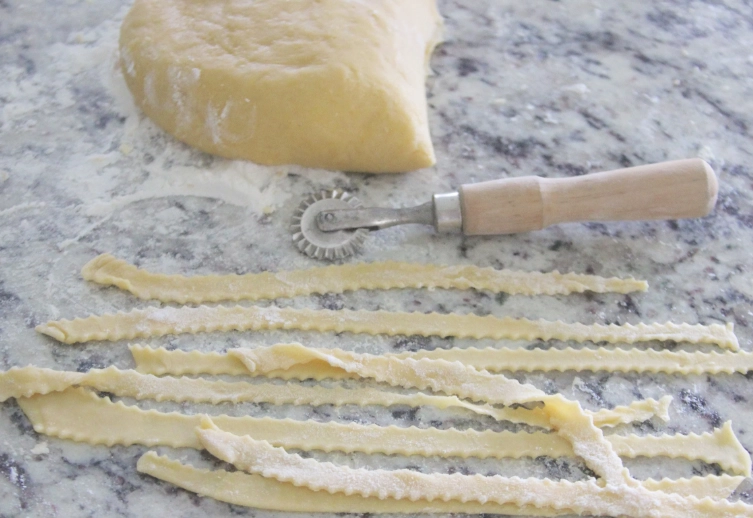
The Ultimate Homemade Italian Pasta Recipe by Hand: A Complete Guide
Simple Italian Bread Recipe: Easy, No-Knead Ciabatta at Home

Easy Italian Appetizer Recipes for a Crowd: Make-Ahead & Crowd-Pleasing Ideas
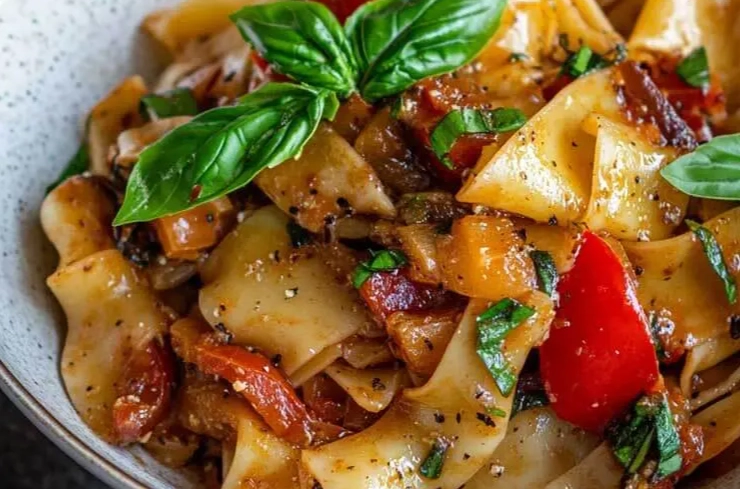
Authentic Italian Drunken Noodles Recipe (Pasta alla Ubriaca)
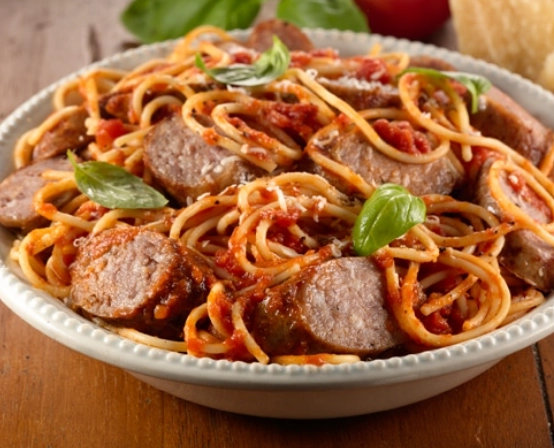
Simple Italian Sausage Recipes for Dinner: Easy & Flavorful Family Meals