Top 10 Italian Desserts: A Sweet Journey Through Italy
Your Quick Guide to Italian Sweetness
- 1. Tiramisu: The Undisputed King
- 2. Gelato: More Than Just Ice Cream
- 3. Cannoli: Sicily's Crispy Gift
- 4. Panna Cotta: The Elegant Cream
- 5. Sfogliatella: The Layered Pastry
- 6. Zeppole: Festive Fried Dough
- 7. Tartufo: The Chocolate Bomb
- 8. Panettone vs. Pandoro: The Christmas Rivalry
- 9. Torta Caprese: The Flourless Wonder
- 10. Biscotti: The Ultimate Dipping Cookie
- How to Enjoy Italian Desserts Like a Pro
- Your Italian Dessert Questions Answered
Ask anyone about Italian food, and they'll likely talk pasta and pizza first. But to stop there is to miss the grand finale. Italian desserts are a world of their own—less about overwhelming sweetness, more about texture, balance, and celebrating simple, high-quality ingredients. This isn't just a list of names. It's a roadmap to the top 10 Italian desserts, explaining why they're classics, where to find the best versions, and how to appreciate them fully, whether you're in Rome or your own kitchen.
1. Tiramisu: The Undisputed King
Let's start with the heavyweight champion. Tiramisu means "pick me up," and that's exactly what the combination of espresso-soaked ladyfingers and mascarpone cream does. The magic is in the contrast: the bitter coffee against the rich, sweet cream.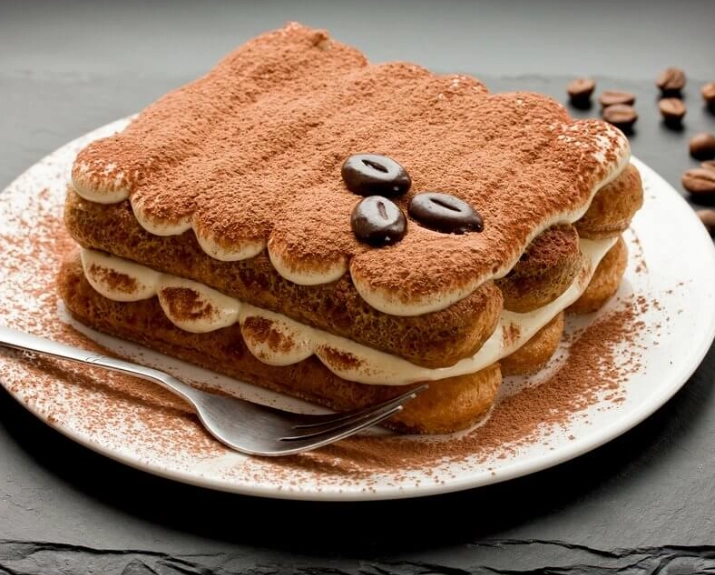
Most recipes get one thing wrong: they use raw eggs. The traditional method from Veneto uses zabaglione—a cooked egg yolk and Marsala wine custard—folded into the mascarpone. This creates a lighter, safer, and more complex flavor. If you see a tiramisu piled high in a dome, it's probably not the classic version. The real deal is assembled in a dish, creating neat layers you slice through.
Where to try it in Italy: For a legendary version, head to Le Beccherie in Treviso, Veneto (the supposed birthplace). In Rome, locals swear by Pompi near Piazza di Spagna, famous for its classic and creative flavors.
2. Gelato: More Than Just Ice Cream
Calling gelato "Italian ice cream" is like calling a Ferrari "an Italian car." Technically true, but it misses the artistry. Gelato has less butterfat and less air churned into it than American ice cream. The result? A denser, more intense flavor that melts silkily on your tongue.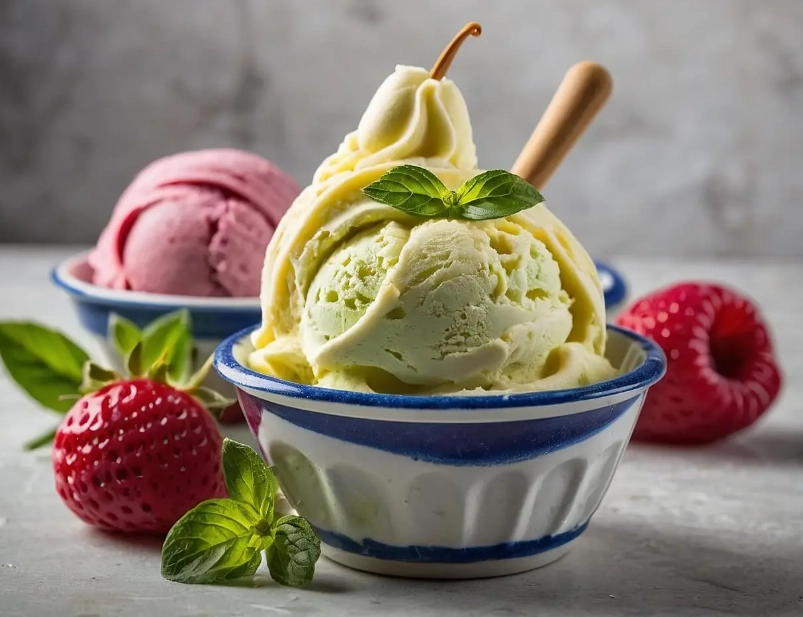
The key to spotting artisanal gelato? Look at the color. Pistachio gelato should be a dull, earthy green, not neon. Banana should be greyish, not bright yellow. Avoid mounds piled high in the display—they're often full of stabilizers and air. The best gelato is kept in flat, lidded metal tins.
My personal must-try flavors?
Fiordilatte: The pure, sweet milk base. If this tastes good, the shop is legit.
Crema: Like a frozen custard, often with a hint of orange zest.
Nocciola (hazelnut): Especially from the Piedmont region.
Gelateria Musts: In Florence, Gelateria dei Neri or La Carraia. In Rome, Fatamorgana for wild, natural flavors. Expect to pay €2.50-€4.50 for a medium cup or cone.
3. Cannoli: Sicily's Crispy Gift
A perfect cannoli is a textural symphony. The shell must be shatteringly crisp, fried in lard or oil. The filling is a sweet, creamy ricotta, often dotted with chocolate chips or candied fruit. The cardinal sin? A pre-filled cannoli. The moisture from the ricotta turns the shell soggy in minutes. A proper pastry shop fills them to order.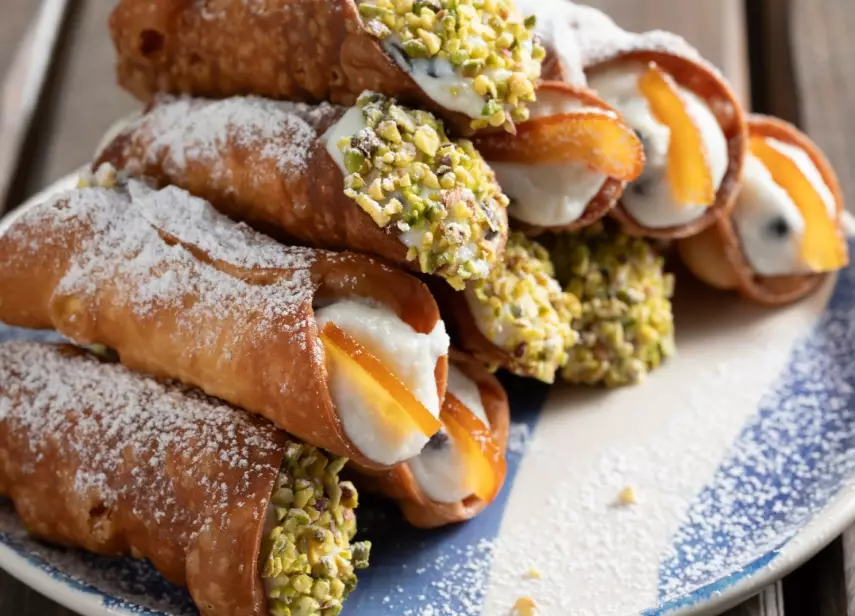
In Sicily, you'll see variations. In Palermo, the ricotta is often plain. In Catania, they might add pistachio from Bronte. The ends might be dipped in pistachios or chocolate chips. Don't be shy—eat it with your hands, and expect a mess. It's part of the fun.
4. Panna Cotta: The Elegant Cream
Panna cotta translates to "cooked cream," and its beauty is in its simplicity. It's just cream, sugar, and gelatin, set into a wobbly, silken mold. It's the perfect blank canvas. The classic pairing is a berry coulis or a drizzle of caramel (caramello).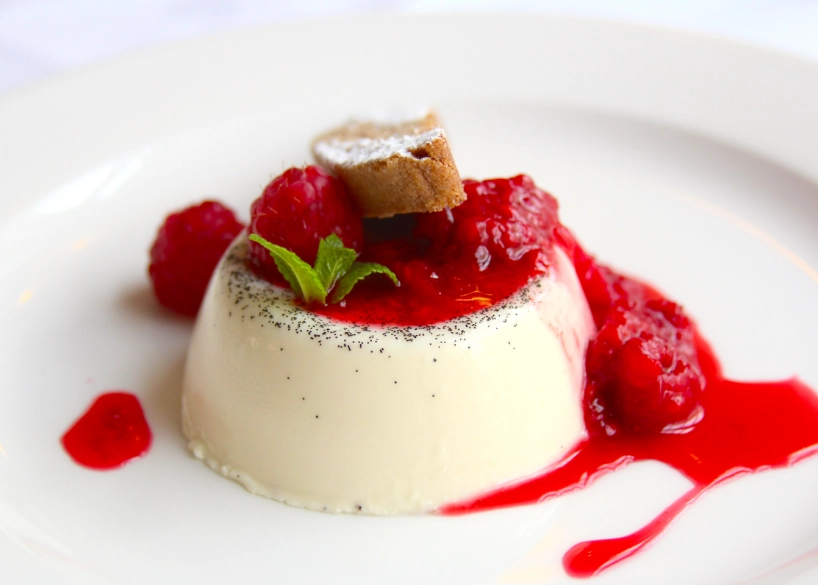
It's incredibly easy to make at home, but the secret is to use just enough gelatin to set it without making it rubbery. It should quiver like a gentle jelly. A splash of vanilla bean paste or a strip of lemon zest infused in the cream makes all the difference.
5. Sfogliatella: The Layered Pastry
This Neapolitan pastry is a work of labor-intensive love. There are two main types: sfogliatella riccia (curly), with countless crispy, leaf-thin layers that resemble a lobster tail, and sfogliatella frolla, made with a softer, shortcrust pastry.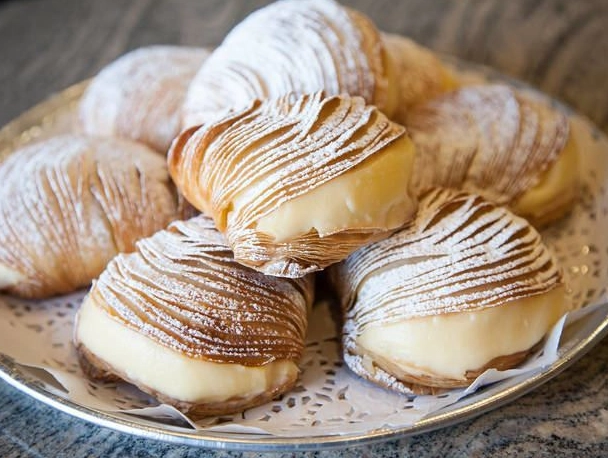
The filling is a surprise: a sweet, citrusy semolina mixture with ricotta, often scented with orange blossom water. Eating a fresh, warm sfogliatella riccia is an experience—the layers crackle and shatter with every bite. It's not a subtle dessert. It's a statement.
Where to find it: The historic Pasticceria Pintauro in Naples (Via Toledo) claims to have invented it. Be there early; they sell out fast.
6. Zeppole: Festive Fried Dough
Zeppole are Italy's answer to doughnuts, typically associated with Saint Joseph's Day (March 19th) but enjoyed year-round. They come in many forms: some are like choux pastry puffs, fried and filled with custard or ricotta cream. Others are more like dense, fried dough balls, dusted with powdered sugar.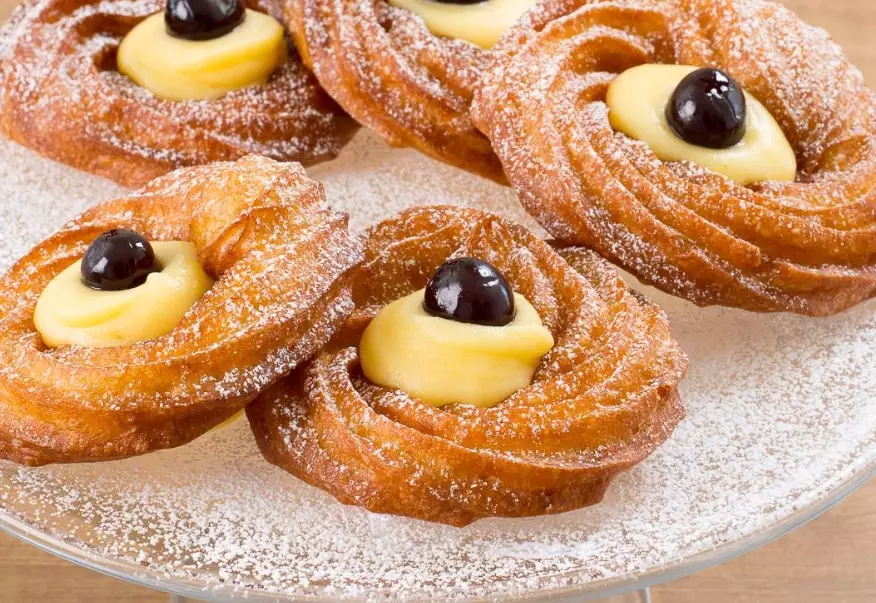
The best ones are hot, fresh, and dangerously addictive. In Rome, you might find them filled with crema pasticcera (custard). In Naples, they're simpler, just dough and sugar. Street food at its finest.
7. Tartufo: The Chocolate Bomb
Imagine a ball of chocolate gelato with a molten chocolate heart or a cherry in the center, coated in a shell of cocoa powder or crushed nuts. That's a Tartufo di Pizzo, named after the town in Calabria. It's a single-serving, perfectly composed dessert.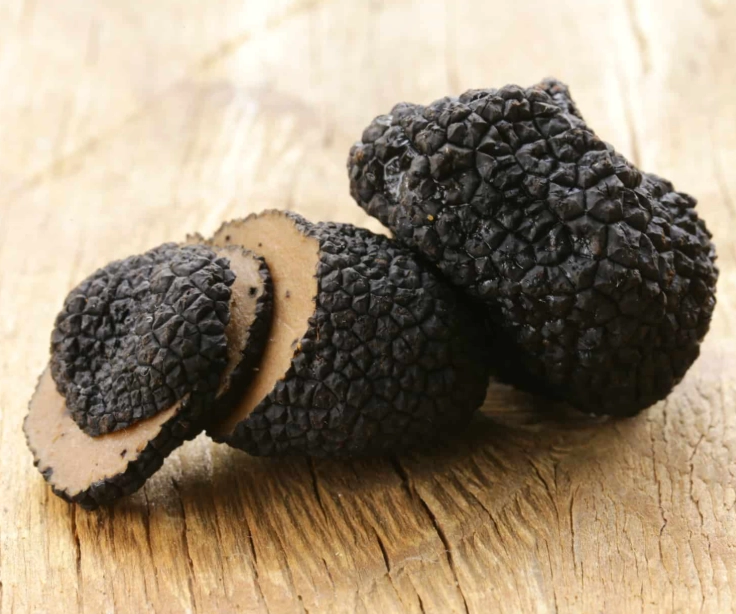
The classic version is two-tone: chocolate and hazelnut or vanilla. The contrast between the dusty exterior, the cold gelato, and the soft center is brilliant. It's less common in regular gelaterie but a staple in many sit-down restaurants as a dessert plate.
8. Panettone vs. Pandoro: The Christmas Rivalry
This is Italy's great holiday dessert divide. Panettone (from Milan) is a tall, domed sweet bread studded with candied fruit and raisins. Its texture should be incredibly light and airy, like a cloud. A good panettone takes days to make with a natural starter.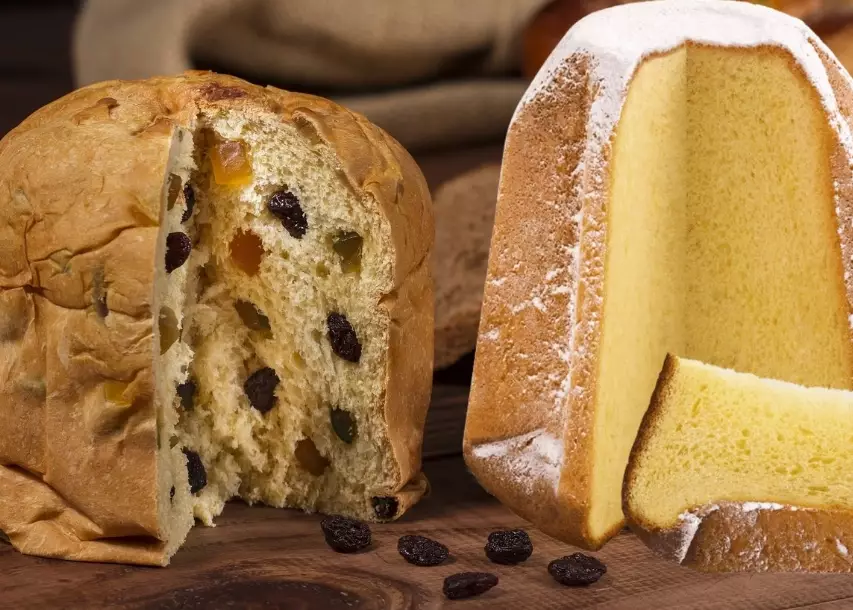
Pandoro (from Verona) means "golden bread." It's baked in a star-shaped mold, contains no fruit, and has a richer, buttery, vanilla flavor. It's dusted with powdered sugar to resemble a snowy mountain.
My take? I prefer pandoro for its pure, buttery taste. Many find the candied fruit in panettone off-putting. The best come from artisanal producers like Bauli, Motta, or smaller bakeries. Avoid the cheap, dense ones sold in plastic boxes.
9. Torta Caprese: The Flourless Wonder
This dense, moist chocolate cake from the island of Capri is a gluten-free dream by accident. It's made with ground almonds (or sometimes hazelnuts), butter, eggs, and dark chocolate. No flour in sight. The center should be almost fudgy.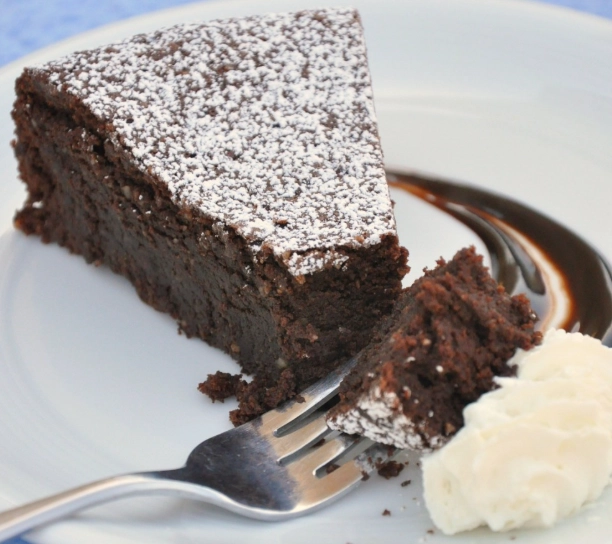
Legend says it was created by a baker who forgot to add flour. A happy accident. It's often served dusted with powdered sugar or with a dollop of whipped cream. The flavor is intensely of almond and high-quality chocolate. It's rich, so a small slice goes a long way.
10. Biscotti: The Ultimate Dipping Cookie
Biscotti means "twice-cooked." These dry, crunchy almond cookies are baked first in a loaf, sliced, and then baked again. This makes them incredibly hard and shelf-stable—perfect for dipping.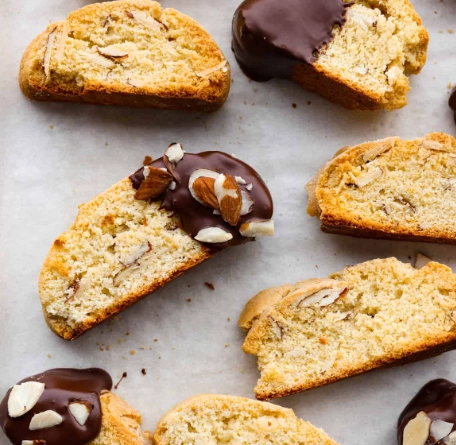
They're not meant to be eaten alone. Their purpose is to be dunked into a drink—vin santo (a sweet dessert wine) is the classic partner, but espresso or even a latte works beautifully. The cookie softens just enough and absorbs the flavor. Look for ones with whole almonds and a simple ingredient list.
How to Enjoy Italian Desserts Like a Pro
It's not just what you eat, but how and when. Italians typically eat dessert (dolce) after a meal, not as a snack. It's the final act. Coffee (an espresso) almost always follows dessert, not accompanies it. Gelato is the exception—it's a standalone afternoon treat or evening stroll snack.
When ordering in a restaurant, don't expect a massive dessert menu. Often, there are just a few staples: tiramisu, panna cotta, torta della nona (grandma's cake), and maybe a fruit sorbet. Quality over choice.
Top 10 Italian Desserts at a Glance
| Dessert | Key Ingredients | Origin Region | Best Paired With |
|---|---|---|---|
| Tiramisu | Mascarpone, coffee, ladyfingers, cocoa | Veneto | After-dinner espresso |
| Gelato | Milk, cream, sugar, natural flavorings | All Italy | A sunny afternoon walk |
| Cannoli | Ricotta, fried pastry shell, candied fruit | Sicily | A strong black coffee |
| Panna Cotta | Cream, sugar, gelatin | Piedmont | Wild berry sauce |
| Sfogliatella | Layered pastry, semolina, ricotta, citrus | Campania (Naples) | A cappuccino (morning only) |
| Zeppole | Fried dough, custard or ricotta filling | Across Southern Italy | Street food festivals |
| Tartufo | Gelato, chocolate core, cocoa/nuts | Calabria | As a restaurant dessert plate |
| Panettone | Sweet bread, candied fruit, raisins | Lombardy (Milan) | Sweet wine (Vin Santo or Moscato) |
| Torta Caprese | Almonds, dark chocolate, butter (no flour) | Campania (Capri) | Whipped cream or a bitter espresso |
| Biscotti | Almonds, flour, eggs, sugar | Tuscany (Prato) | Vin Santo dessert wine |
Your Italian Dessert Questions Answered
What is the most authentic Italian dessert to make at home for beginners?
Panna cotta. It requires no baking, just gentle heating and patience. The ingredients are easy to find (cream, sugar, gelatin, vanilla), and it's almost foolproof if you follow the gelatin instructions. Mastering a smooth, wobbly panna cotta will give you more confidence than a complicated tiramisu on your first try.
I'm visiting Italy with dietary restrictions. Which traditional desserts are naturally gluten-free?
Several classics are naturally gluten-free or can be easily adapted. Gelato is your safest bet (check for cones or cookie pieces). Torta Caprese is flourless by design. Panna Cotta is gluten-free if the gelatin is certified. Most semifreddo (a frozen mousse) recipes don't use flour. Always ask "Senza glutine?" in gelaterie, as some flavors may contain thickeners.
Why does gelato in Italy taste so different from what's called gelato abroad?
It often comes down to regulations and tradition. In Italy, artisanal gelato has strict limits on air content (called overrun) and fat percentage, leading to that dense, intense flavor. Many places abroad use pre-made bases high in stabilizers and whip in more air to increase volume (and profit). The quality of the ingredients—like the milk, nuts, and fruit—also plays a huge role. That's why a pistachio gelato in Sicily, made with Bronte pistachios, is unreplicable.
Is it true Italians don't eat cookies or cake for breakfast like Americans do?
Generally, yes. The classic Italian breakfast is sweet but simple: a cornetto (a croissant, often plain or filled with jam or custard) or a simple pastry, paired with a cappuccino or espresso at a bar, standing up. Eating a slice of cake or a plate of cookies for breakfast is very uncommon. Sweet, yeasted breads like panettone might be an exception during the holidays, but it's still not an everyday thing. Desserts are firmly for the dolce course after lunch or dinner.
Exploring the top 10 Italian desserts is more than a tasting tour; it's a lesson in regional history, ingredient quality, and the Italian philosophy of dolce far niente—the sweetness of doing nothing. Start with one, savor it slowly, and let it pick you up, just like a good tiramisu is meant to do.
Related Articles
What is the Traditional Drink of Italy? The Definitive Guide
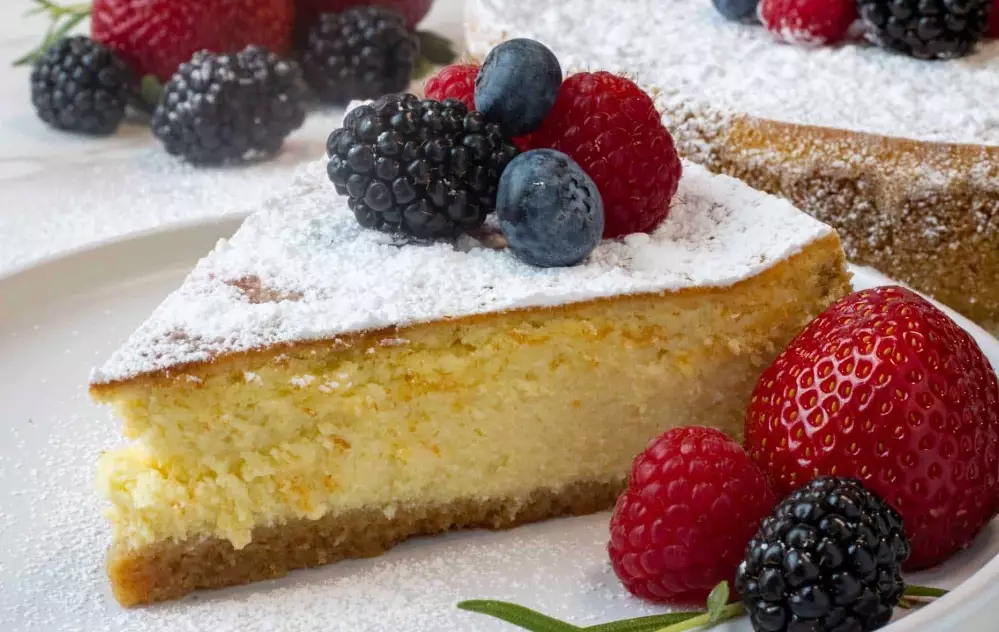
Authentic Italian Cheesecake Recipe: Creamy Ricotta Dessert Guide
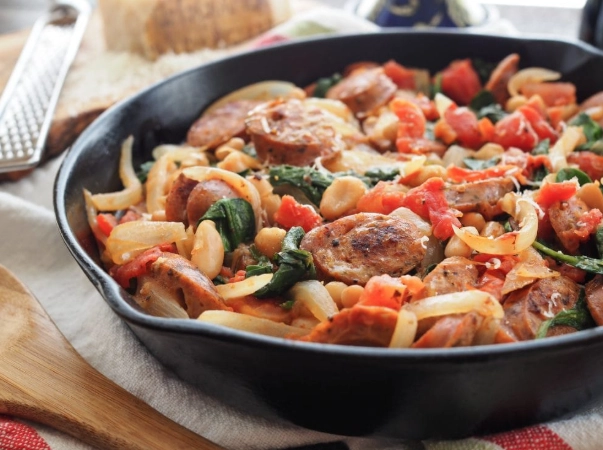
Easy Italian Sausage Recipes for a Delicious Dinner | Quick & Flavorful
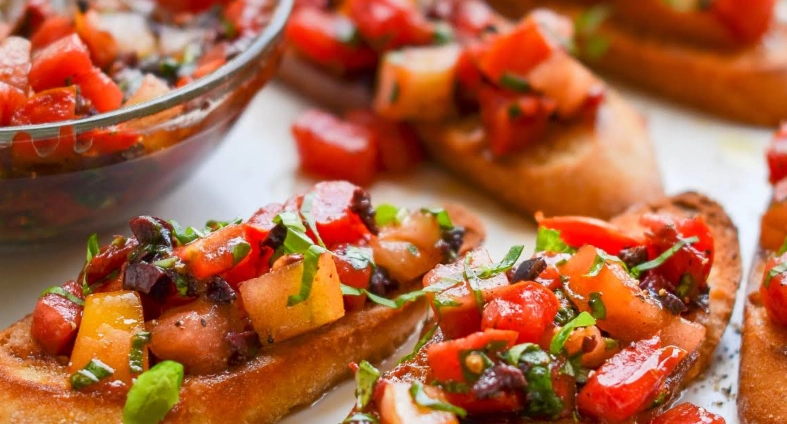
Ultimate Guide to Best Italian Appetizer Recipes for Any Occasion
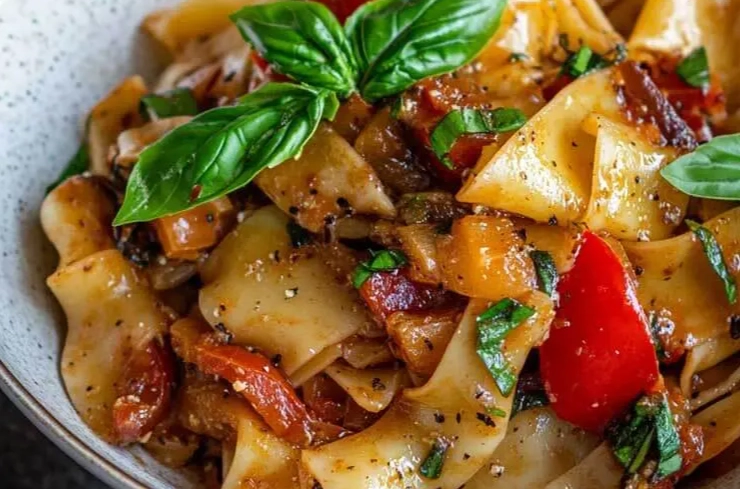
Authentic Italian Drunken Noodles Recipe (Pasta alla Ubriaca)