Types of Italian Bread: A Guide to 7 Essential Loaves
Ask about Italian bread, and most people might name Ciabatta or Focaccia. But that's just scratching the crust. Italy's bread landscape is a regional mosaic, shaped by centuries of tradition, local wheat, and specific purposes—from sopping up sauce to celebrating Christmas. I've spent years exploring bakeries from Alto Adige to Sicily, and the biggest mistake I see is treating all Italian bread as just a side dish. It's often the foundation of the meal itself. So, let's move beyond the supermarket aisle and dive into the seven essential types of Italian bread you need to know, how to eat them properly, and the little secrets that make each one unique.
Your Bread Journey Awaits
- More Than Just a Side: Italian Bread Culture
- Ciabatta: The Slip-On Slipper of Italian Bread
- Focaccia: Italy's Savory Canvas
- Pane Toscano: The Purposefully Saltless Wonder
- Pane di Altamura: The DOP King of Puglia
- Pane Casareccio & Pane di Matera
- Grissini: The Breadstick That Started in Turin
- Panettone & Pandoro: The Festive Giants
- Italian Bread at a Glance: A Quick Comparison
- Your Italian Bread Questions Answered
More Than Just a Side: Italian Bread Culture
In Italy, bread is sacred. It's never thrown away. Stale bread becomes panzanella (Tuscan bread salad), ribollita (bread-thickened soup), or breadcrumbs (pangrattato). The variety is staggering because each region, sometimes each town, had to work with what it had: soft wheat in the north, hard durum wheat in the south, olive oil in Liguria, lard in the north. The Italian Ministry of Agricultural, Food and Forestry Policies even has a list of traditional breads (Pane tradizionale) to protect this heritage. Understanding this context turns a simple loaf into a story.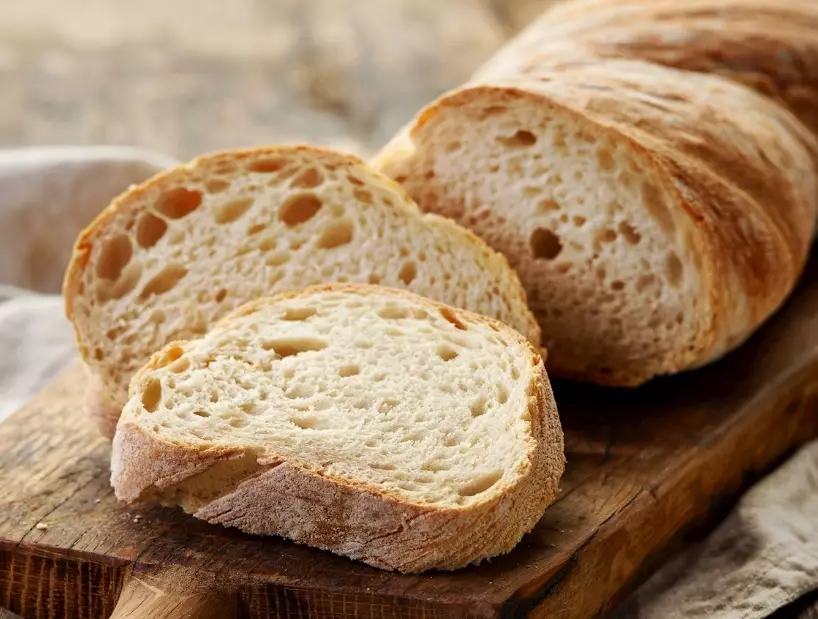
Ciabatta: The Slip-On Slipper of Italian Bread
Surprise: Ciabatta isn't ancient. It was invented in the 1980s in the Veneto region by a baker named Arnaldo Cavallari, aiming to create an Italian alternative to the popular French baguette. The name means "slipper," which perfectly describes its long, flat, oval shape.
What makes it unique? An extremely wet dough, high hydration, which creates those massive, irregular holes and a chewy, elastic crumb. The crust is thin but crisp.
How to eat it right: This is the ultimate sandwich bread. Its open crumb and sturdy structure hold up to moist fillings without getting soggy. Think panini with prosciutto, mozzarella, and roasted vegetables. It's also fantastic simply torn and dipped into high-quality olive oil or a rich bean soup. A common error? Toasting it too much. You want to warm it to crisp the crust, not turn it into a cracker.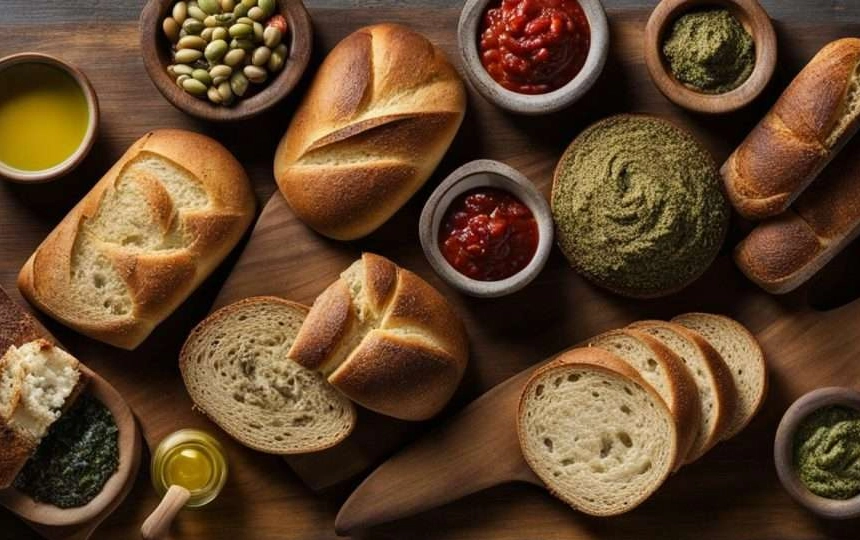
Focaccia: Italy's Savory Canvas
Focaccia is essentially a flatbread, but that description feels insulting. It's a pillowy, oily, dimpled masterpiece. While associated with Liguria (especially Genoa), versions exist all over.
The Genoese classic is about simplicity: a thick, soft crumb, a crisp bottom, saturated with extra virgin olive oil and topped with coarse salt. Sometimes a sprinkle of rosemary. The dimples aren't just decorative; they trap the oil.
Regional twists: In Bari (Puglia), you get focaccia barese with tomatoes and olives. In the north, it might be thinner and topped with onions. I've had focaccia in Recco that had no yeast at all—just a stretchy dough filled with stracchino cheese. Mind-blowing.
Pro tip: The best focaccia should be moist, not dry. If it feels light and airy like a sponge, that's good. It's a snack, a breakfast, a substitute for bread at the table. Don't use it for sandwiches; savor it on its own.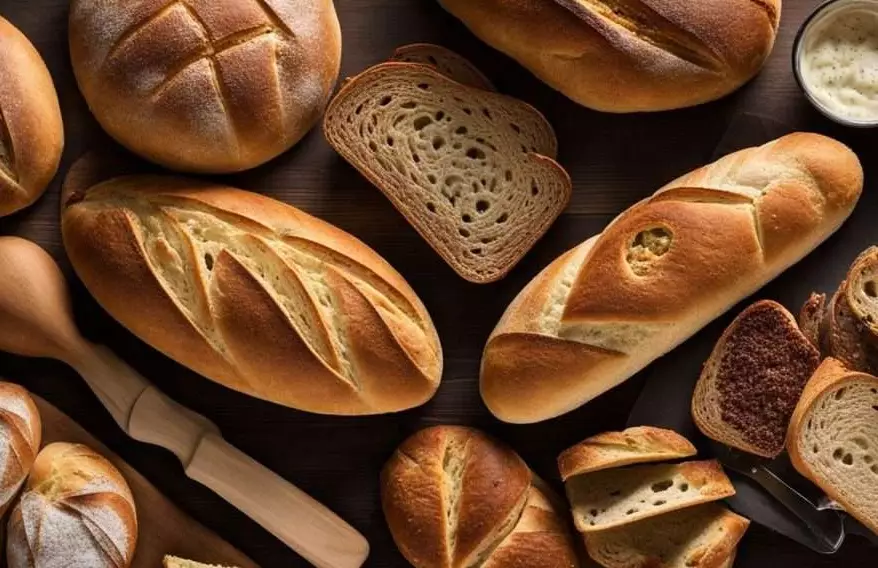
Pane Toscano: The Purposefully Saltless Wonder
Tuscan bread (Pane Toscano) is famous for having no salt. This isn't a mistake or a health fad. The legend goes back to the 12th-century salt tax, but the practical reason is culinary: Tuscany's cuisine is bold and salty—think cured meats, hearty stews, and aged pecorino cheese. The bland bread perfectly balances these intense flavors.
The experience: The crust is dark and crackly, the crumb is dense and chewy with a slightly sour tang from a long fermentation. By itself, it tastes... plain. But drag it through the juices of a ribollita or the leftover sauce on your plate (la scarpetta), and it transforms. It soaks up flavor like nothing else.
Many first-timers are disappointed. They expect salt. But once you use it as intended, as a flavor sponge, it makes perfect sense.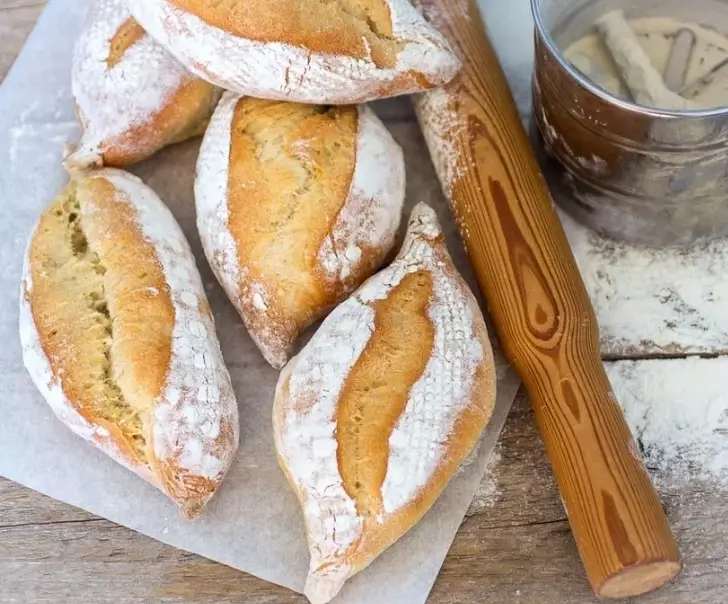
Pane di Altamura: The DOP King of Puglia
This is serious bread. Pane di Altamura holds a DOP (Denominazione di Origine Protetta) status, meaning it can only be made in Altamura, Puglia, with specific local varieties of durum wheat semolina. It's the only bread in Europe with this protection.
Characteristics: It's massive, with a golden, incredibly hard crust that you almost need to crack open. The inside is a distinct yellow color from the durum wheat, dense, and fragrant. It stays fresh for over a week, traditionally baked for farm workers.
How to eat it: Tear off chunks. It's perfect with Pugliese dishes like orecchiette con le cime di rapa or simply with extra virgin olive oil and tomatoes. Its sturdiness makes it ideal for bruschetta—it won't collapse under toppings.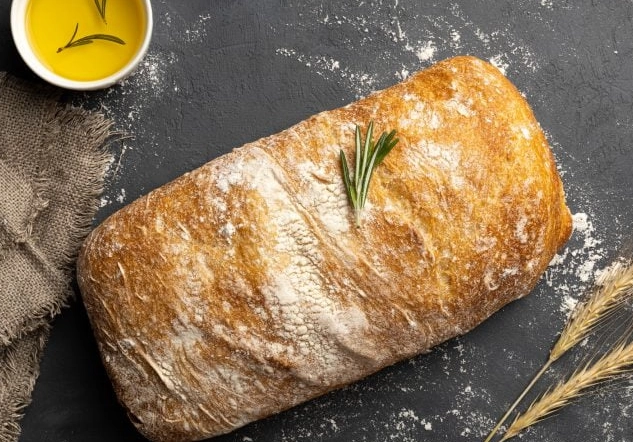
Pane Casareccio & Pane di Matera
Pane Casareccio means "homestyle bread." It's a generic term for a round or oblong loaf with a flour-dusted, rustic crust and a soft, holey interior. It's the daily workhorse bread found in Roman bakeries, great for sandwiches (tramezzini) or on the table.
Another southern star is Pane di Matera (also IGP protected). From the cave city of Matera, it's shaped like a bishop's hat or a horn. It's made with durum wheat semolina and has a thick, dark crust with a moist, chewy crumb. It has a unique, slightly sweet and nutty flavor. You'll see it stacked high in bakeries, and its shape makes it easy to tear and share.
Grissini: The Breadstick That Started in Turin
Forget the packaged, soggy breadsticks in plastic. Authentic grissini (or rubatà) from Turin are a revelation. They originated in the 17th century, possibly for a sickly duke who needed digestible bread.
The real deal is hand-rolled, unevenly thin, incredibly crisp, and snap with a light crackle. They are dry, not oily. In Piedmont, they're served in a tall glass on the table before the meal, not with pasta but to stimulate the appetite.
You can find them plain, sesame-studded, or with poppy seeds. The key is the texture—they should be brittle and airy, not bendy. A great test: they should survive a day in the bread basket without going limp.
Panettone & Pandoro: The Festive Giants
Yes, these sweet, tall, domed cakes are considered bread (dolce da forno). They're the undisputed kings of the Italian Christmas table.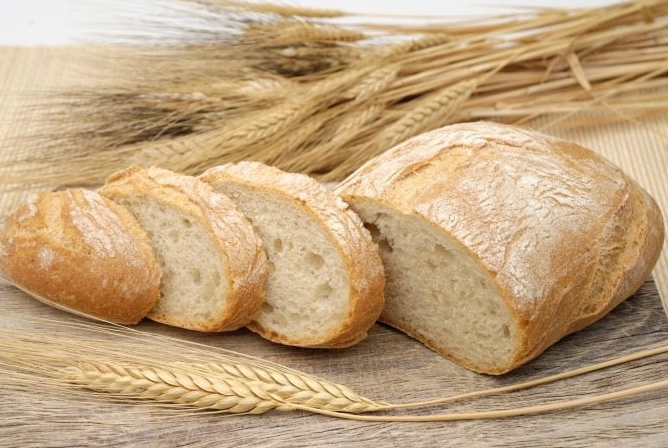
Panettone from Milan is a sourdough-based brioche, studded with candied orange, lemon zest, and raisins. The best ones are tall, light, and buttery, with a moist, stringy crumb that pulls apart. Industrial versions are often dry and cakey—a real letdown.
Pandoro ("golden bread") from Verona is the simpler, arguably more elegant cousin. No fruits, just a rich, vanilla-scented, golden dough baked in a star-shaped mold and dusted with powdered sugar to resemble a snowy mountain.
My two cents: The rivalry is fun, but I lean towards a high-quality artisanal Pandoro. The flavor of butter and eggs shines through without the sometimes-cloying candied fruit. Serve it slightly warmed with a dollop of mascarpone cream or a sweet wine like Vin Santo. And a secret? Leftover panettone makes incredible French toast.
Italian Bread at a Glance: A Quick Comparison
| Bread Name | Key Region | Texture & Crust | Best Way to Eat It |
|---|---|---|---|
| Ciabatta | Veneto (modern) | Chewy, holey crumb; thin, crisp crust | Panini, dipping in soups & oils |
| Focaccia | Liguria | Soft, oily, pillowy; crisp bottom | On its own, as a snack or side |
| Pane Toscano | Tuscany | Dense, chewy crumb; dark, crackly crust | Soaking up sauces, with salty foods |
| Pane di Altamura (DOP) | Puglia | Dense yellow crumb; very hard, thick crust | Torn with stews, for bruschetta |
| Grissini | Piedmont (Turin) | Extremely crisp, dry, and brittle | Appetizer, with antipasti |
| Panettone | Lombardy (Milan) | Light, moist, buttery brioche with fruit | Christmas dessert, with sweet wine |
| Pandoro | Veneto (Verona) | Rich, soft, vanilla-scented cake | Christmas dessert, dusted with sugar |
Your Italian Bread Questions Answered
Related Articles
Top 10 Italian Pasta Dishes: A Guide to Classics
Simple Italian Salad Recipes: Easy, Authentic & Delicious
5 Traditional Italian Dishes: Authentic Recipes & Where to Try Them
Authentic Italian Tomato Sauce Recipe: Secrets from a Home Cook

Sold out! BYD official: The order is extremely large, the stock price has risen