The Best Italian Bread Guide: Types, Uses & How to Choose
Asking for the single best Italian bread is like asking for the best tool in a workshop. A hammer is perfect for nails, useless for screws. The real question isn't "what's best," but "what's best for what." After years of baking, eating, and frankly, obsessing over Italian bread from Milan to Sicily, I can tell you there's no one winner. But there are a handful of champions, each ruling a different part of your table.
Forget the generic lists. We're going deep. We'll look at texture, crust, crumb structure, and—most importantly—the job the bread needs to do. Is it for sopping up sauce? Making a sandwich that doesn't fall apart? Serving with cheese? The "best" changes every time.
Your Quick Guide to Italian Bread
The Top Contenders: A Side-by-Side Look
Let's meet the heavyweights. This table isn't about ranking them 1 to 5. It's about matching their superpowers to your needs.
| Bread Name | Texture & Crust | Flavor Profile | Best Used For | Region of Origin |
|---|---|---|---|---|
| Ciabatta | Very airy, holey interior. Thin, crisp, flour-dusted crust. | Mild, slightly tangy, wheaty. | Panini, bruschetta, dipping in olive oil. | Veneto |
| Focaccia | Soft, oily, chewy crumb. Dimpled top, crisp bottom. | Rich, salty, herby (often rosemary). | Eating on its own, sandwich base, side to soups. | Liguria |
| Pane Pugliese | Dense, moist crumb. Thick, hard crust. | Pronounced wheat flavor, slightly sour. | Sopping up stews & pasta sauces, lasting several days. | Apulia |
| Pane di Altamura | Dense yet soft, yellow crumb. Very thick, crunchy crust. | Nutty, complex from durum wheat semolina. | Cheese plates, hearty soups, simply with olive oil. | Apulia (Altamura) |
| Grissini (Breadsticks) | Dry, crunchy, stick-like. | Neutral to savory (some with sesame or salt). | Appetizer, snack, garnish for soups/salads. | Piedmont |
See? Different tools. Now, let's get personal with each one.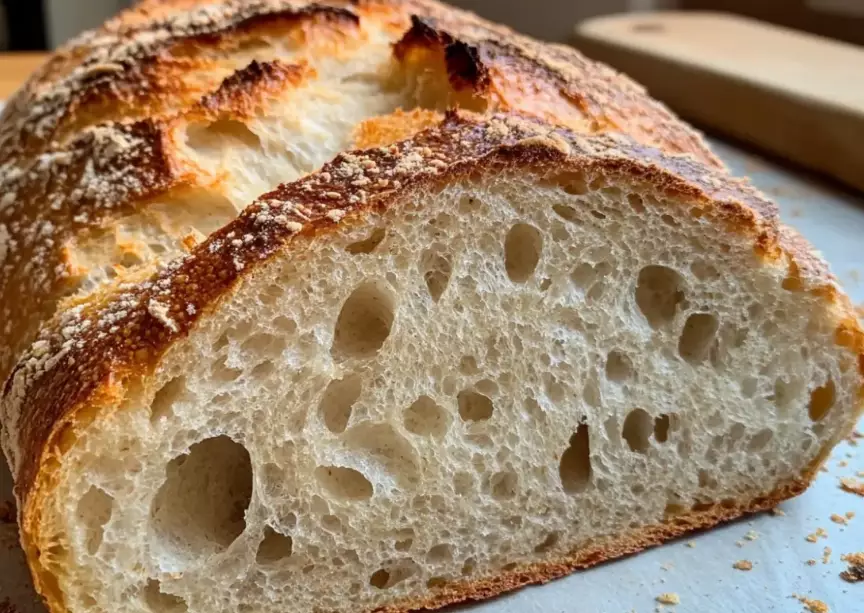
Ciabatta: The Sandwich Architect
Ciabatta means "slipper" – look at its shape. Its genius is in the huge, irregular holes created by a very wet dough and long fermentation. This structure is a trap for flavors. When you bite into a ciabatta panino, the juices from mortadella, the oil from roasted peppers, they all get caught in those pockets. The crust is thin enough not to fight you, but sturdy enough to hold everything in. A common mistake? Using pre-sliced, supermarket "ciabatta" that's just soft white bread in disguise. Real ciabatta should be light but have serious chew.
Focaccia: The Flavor Canvas
Focaccia is often treated as a side, but in Liguria, it's a meal. The key is the olive oil – it's in the dough, on the dough, and in the pan. This creates that unique combination of a soft, almost cake-like interior and a crisp, fried bottom. The dimples aren't just for looks; they hold pools of salty brine and herbs. My favorite is focaccia di Recco – no yeast, just two paper-thin layers of dough stuffed with stracchino cheese. It's a game-changer. Most home bakers under-oil their focaccia. Don't be shy.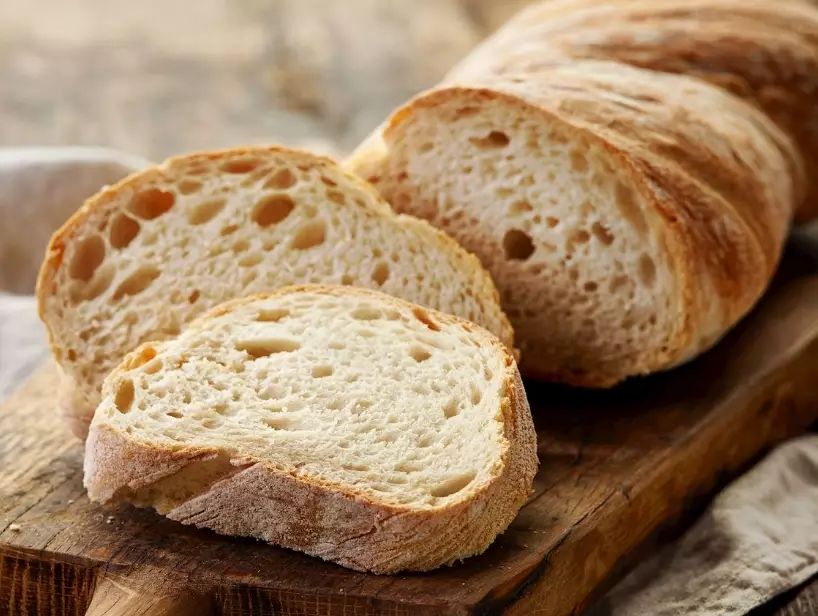
Pro Tip: The best pane di Altamura carries a DOP (Protected Designation of Origin) seal. This EU certification, detailed by the Italian Ministry of Agricultural, Food and Forestry Policies, means it's made strictly with durum wheat semolina from the Altamura area, using specific methods. It's a guarantee of authenticity you can taste.
Pane Pugliese & Pane di Altamura: The Sauce Sponges
These are the workhorses of Southern Italy. Pane Pugliese uses a biga (starter) and often includes some mashed potato, giving it incredible moisture and a long shelf-life. It's designed to last in a warm climate and stand up to robust sauces like ragù. Pane di Altamura is the king of durum wheat breads. The durum semolina gives it a distinctive yellow color and a flavor that's sweet, nutty, and substantial. Its crust is armor – it protects the soft interior for days. Tearing off a chunk to drag through a plate of orecchiette con cime di rapa is a religious experience in Puglia.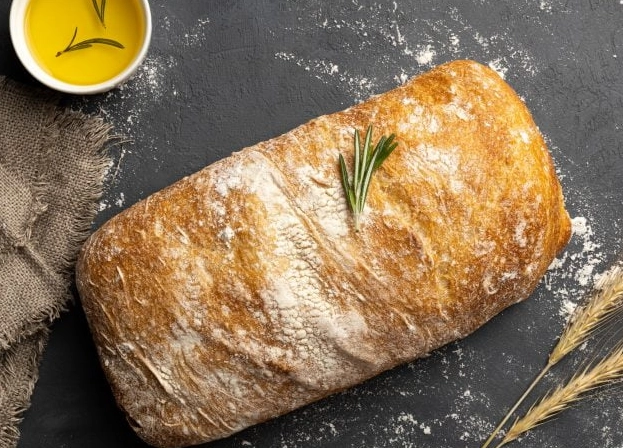
How to Choose the Right Italian Bread for Your Meal
Stop guessing. Use this decision map.
Scenario: You have a beautiful bottle of extra virgin olive oil and some aged balsamic.
Go for: A simple, crusty Ciabatta or a slice of Pane di Altamura. You want a neutral-to-nutty flavor that won't compete, and a porous texture to absorb the oil. Avoid strongly herbed focaccia here.
Scenario: Making Italian-style sandwiches (panini) with prosciutto, mozzarella, and roasted veggies.
Go for: Ciabatta, no question. Its structure is engineered for this. Focaccia can get too soggy if the fillings are very wet.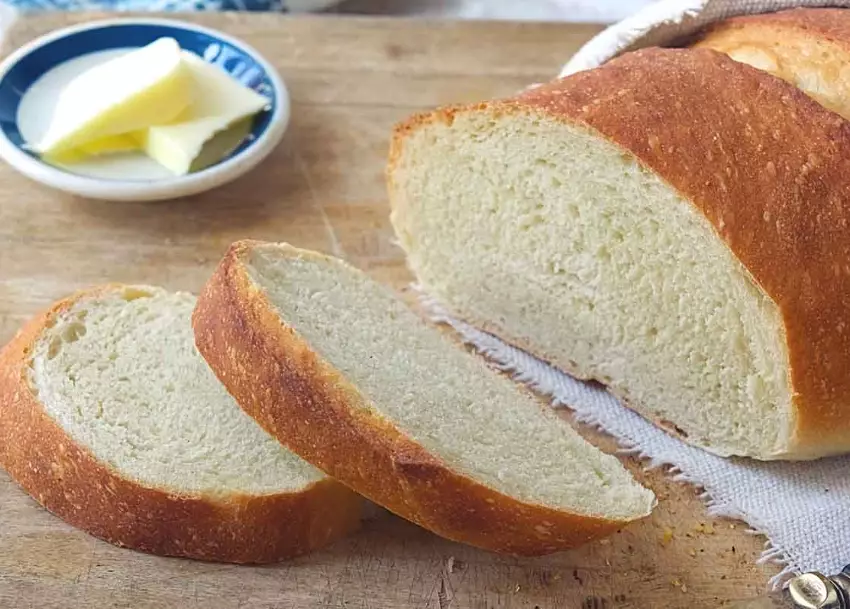
Scenario: Serving a thick bean soup or a stew.
Go for: Pane Pugliese. Its dense, moist crumb won't disintegrate when you submerge it. It provides a hearty, satisfying contrast to the soup.
Scenario: Aperitivo time – you need something to nibble with wine or cocktails.
Go for: Grissini or small squares of Focaccia. They're finger food. Plain grissini are perfect with prosecco; rosemary focaccia pairs beautifully with a light red wine.
Scenario: You just want amazing bread to eat by itself, maybe with some butter.
Go for: Fresh, warm Focaccia or a high-quality Pane di Altamura. These are the stars of the show, not supporting actors.
The One Big Mistake Everyone Makes with Italian Bread
Storing it in the refrigerator. Just don't. The cold temperature accelerates staling (retrogradation of starch) faster than room temperature. That beautiful crust turns leathery, the crumb dries out.
Here's what to do instead:
- Day 1: Keep it in a paper bag or a bread box at room temperature. The crust stays crisp.
- Day 2+: If it's staling, revive it. Sprinkle the loaf with water and heat it in a 350°F (175°C) oven for 5-10 minutes. It won't be "fresh," but it'll be deliciously revived.
- Long-term: Slice and freeze it immediately. Thaw and toast slices directly from the freezer. This locks in moisture better than the fridge ever could.
I learned this the hard way, ruining a perfect loaf of Pugliese by shoving it in the fridge overnight. It was like eating a sponge the next day.
Where to Find (or Make) Authentic Italian Bread
Outside Italy, seek out real artisan bakeries, not just any supermarket bakery aisle. Look for places that talk about fermentation times, use biga or lievito madre (sourdough starter), and have simple ingredient lists (flour, water, salt, yeast, maybe olive oil).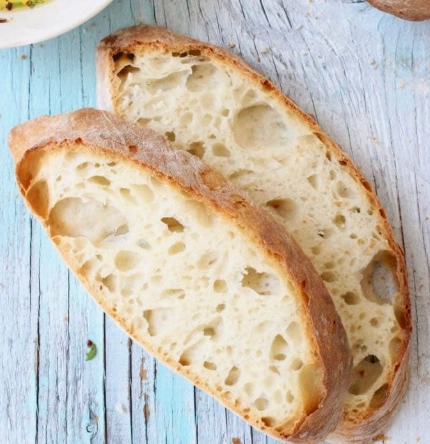
In the U.S., cities with strong Italian communities are your best bet. In New York, places like Sullivan Street Bakery (now Sulla Via) set the standard for ciabatta years ago. In San Francisco, look to the North Beach bakeries. Don't be afraid to ask the baker what's freshest or what they recommend for your specific need.
Making it yourself? Start with focaccia. It's forgiving. The key is high hydration and patience. Let the dough ferment slowly. Use a good extra virgin olive oil – it's a main ingredient, not a garnish. For ciabatta, you'll need a stand mixer or strong arms; the dough is incredibly wet and sticky. Resources from the Associazione Panificatori Italiani (Italian Bakers Association) can point you toward traditional techniques.
Baking your own teaches you what to look for. You'll feel the windowpane of gluten in ciabatta dough, see the bubbles in a properly proofed focaccia. Then, when you buy it, you can spot the good stuff instantly.
Your Italian Bread Questions, Answered
So, what's the best Italian bread? It's the one that makes your meal sing. The ciabatta that holds your perfect sandwich together. The slice of focaccia that's a meal with just a glass of wine. The hunk of Pugliese that soaks up the last bit of sauce on your plate. Don't search for one champion. Build a roster. Your kitchen—and your dinners—will be much better for it.
Related Articles
Classic Italian Pasta Recipes: Authentic Dishes You Can Master
Best Italian Sausage Pasta Recipes: Easy, Creamy & Spicy Ideas
A Typical Italian Dinner at Home: The Real Menu & Traditions
Easy Braciole Recipe: Authentic Italian Beef Rolls Made Simple
Authentic Italian Food Recipes: A Home Cook's Guide to Getting It Right