Top 10 Italian Breads: A Guide to the Best Loaves from Italy
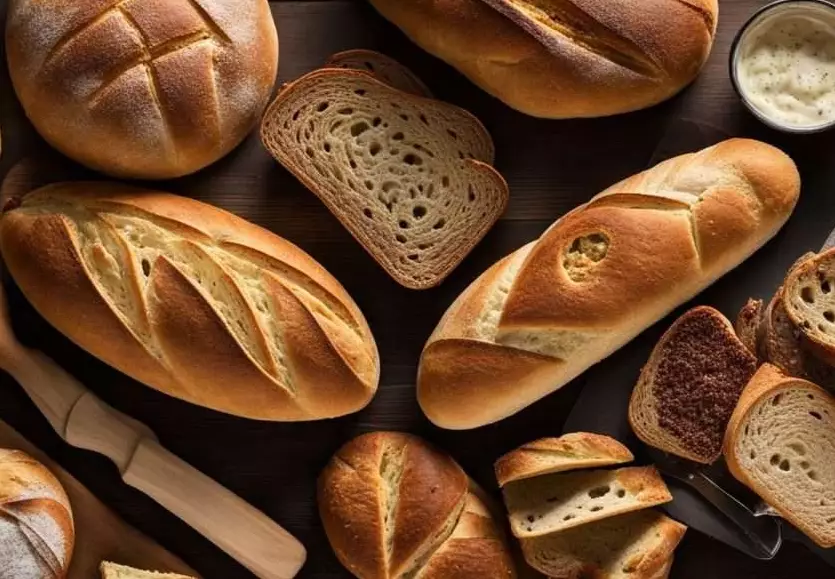
Ask anyone about Italian food, and pasta or pizza usually steals the show. But spend a day in Italy, and you'll realize bread is the silent, essential backbone of every meal. From the crackling crust of a rustic loaf in Tuscany to the oil-soaked, herb-speckled surface of Ligurian focaccia, Italian bread is a world of its own. It's not just a side dish; it's a utensil for sopping up sauce, a vessel for antipasti, and a testament to regional identity. After years of exploring bakeries from Sicily to the Dolomites, I've seen tourists make the same mistake: grabbing the first "Italian-looking" bread without knowing what they're getting. This list cuts through the confusion. Here are the top 10 Italian breads, ranked not just by popularity, but by their cultural significance, versatility, and that undeniable "wow" factor.
Your Quick Guide to Italian Bread Heaven
The Definitive Top 10 Italian Breads
This isn't just a random countdown. The order considers iconic status, usability beyond Italy, and how well each bread represents the Italian philosophy of simple, quality ingredients. Let's start with the heavyweight champion.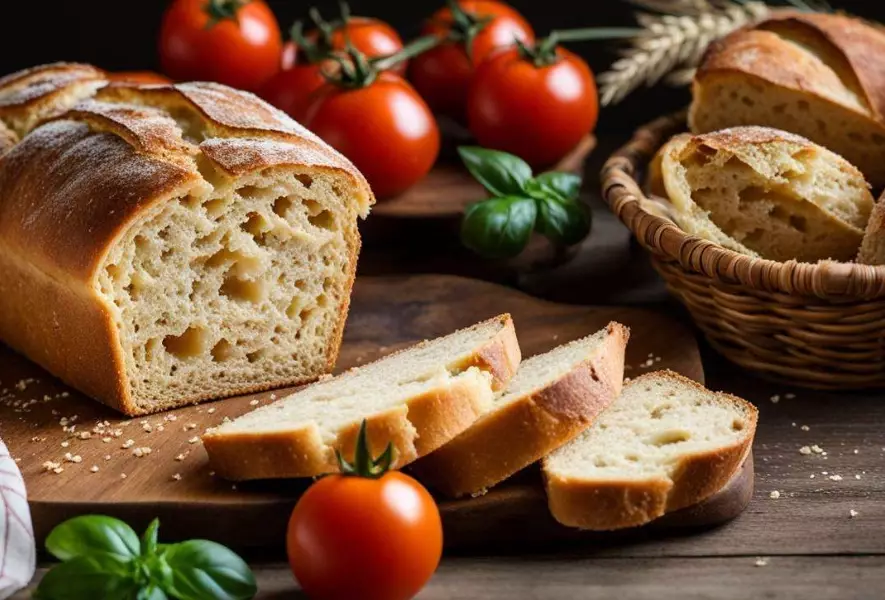
| Rank & Name | Key Characteristics | Best For | Region of Origin |
|---|---|---|---|
| 1. Ciabatta | Elongated shape, porous, chewy crumb, crisp crust. High hydration dough. | Sandwiches (panini), dipping in olive oil, soaking up soups. | Veneto |
| 2. Focaccia | Flat, dimpled, olive oil-rich, often topped with rosemary, salt, or veggies. | A snack on its own, side to salads, split for sandwiches. | Liguria |
| 3. Pane Toscano (Tuscan Bread) | Unsalted, dense crumb, thick crust. A deliberate blank canvas. | Pairing with salty foods (cured meats, soups like ribollita). | Tuscany |
| 4. Grissini (Breadsticks) | Thin, crunchy, dry sticks. Can be plain, sesame-seeded, or herbed. | Antipasti platters, snacks, appetizers in restaurants. | Piedmont |
| 5. Pane di Altamura | DOP-protected. Made with durum wheat semolina, golden crust, long shelf life. | Toasting, breadcrumbs, everyday table bread. | Apulia |
| 6. Coppia Ferrarese | IGP-protected. Intricate twisted shape, crisp, airy interior. | Special occasions, pairing with rich sauces and stews. | Emilia-Romagna |
| 7. Rosetta or Michetta | Small, round roll resembling a rose. Super crunchy exterior, hollow inside. | Quick lunch rolls, filled with cold cuts (the classic "panino"). | Lombardy (Milan) |
| 8. Pane Carasau (Music Bread) | Sardinian flatbread. Paper-thin, crispy, baked twice. Can be softened. | Topping with toppings like cheese and meat, breaking into soups. | Sardinia |
| 9. Panettone | Sweet, dome-shaped Christmas bread. Buttery, filled with candied fruit/raisins. | Christmas breakfast, dessert with sweet wine or mascarpone. | Lombardy |
| 10. Taralli | Small, ring-shaped crackers. Boiled then baked, can be savory (fennel, pepper) or sweet. | Snacking, wine pairing,替代 chips or pretzels. | Southern Italy (Apulia, Campania) |
What is Ciabatta? The Sandwich King
Ciabatta means "slipper" in Italian, named for its elongated, flat shape. Invented in the 1980s by a baker in Verona to compete with the French baguette, it's now Italy's most famous bread export. The magic is in the wet dough, which creates those massive, irregular holes perfect for holding olive oil, balsamic, or sandwich fillings. A common error is buying ciabatta that's too soft. Real ciabatta should have a firm, crisp crust that crackles when you squeeze it. If it's soft all over, it's likely under-baked or old.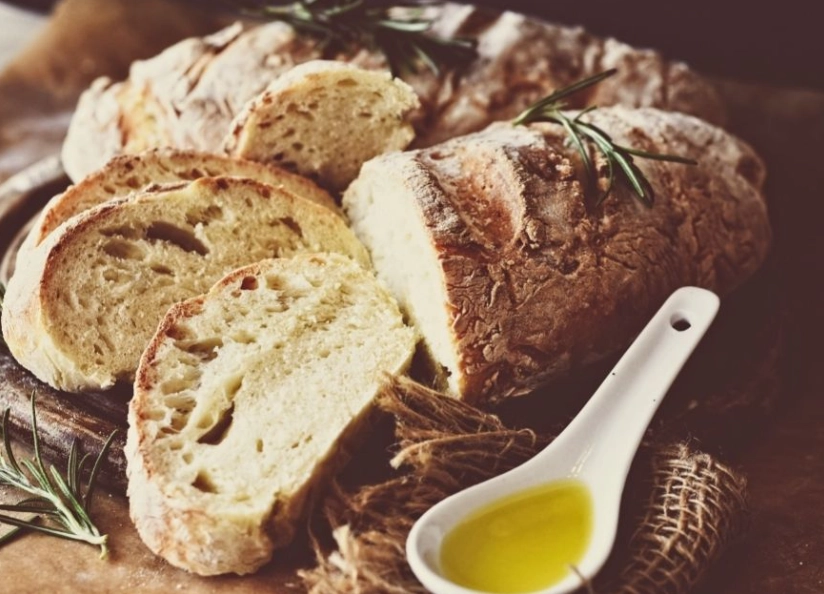
What is Focaccia? Italy's Edible Plate
Focaccia is where bread meets cake (a savory one, thankfully). The dough is similar to pizza but with more olive oil, giving it a tender, almost moist crumb. The dimples aren't just for looks; they trap pools of flavorful oil. The classic from Genoa is topped simply with coarse salt and rosemary, but you'll find versions with olives, cherry tomatoes, or onions. In Liguria, it's common to see locals grabbing a slice for a morning snack from a bakery like Focacceria di Teobaldo in Genoa's old town—it's an experience.
The Unsalted Wonder: Pane Toscano
Pane Toscano confuses first-timers. Why is there no salt? Historians argue it was a medieval tax dodge or a way to preserve salt. The real reason today is tradition. The lack of salt makes the bread mild and slightly sweet, forcing you to pair it with intensely flavored Tuscan foods. It's genius. Try it with a slice of salty finocchiona (fennel salami) or crumbled into a bowl of hearty bean soup. Don't eat it plain; you'll be disappointed. That's the point most guides miss.
What Makes Italian Bread Special? Beyond the Flour
It's not just about wheat and water. Italian bread culture is tied to terroir and rules. Pane di Altamura has a DOP (Protected Designation of Origin) status, meaning by law it must be made with specific local durum wheat semolina in the Altamura area of Apulia. The result is a distinct yellow crumb and a shelf life that can stretch to a week or more. Similarly, Coppia Ferrarese is an IGP (Protected Geographical Indication) bread, its intricate four-armed twist requiring skilled hands to shape. These protections aren't bureaucracy; they're quality guarantees you can taste.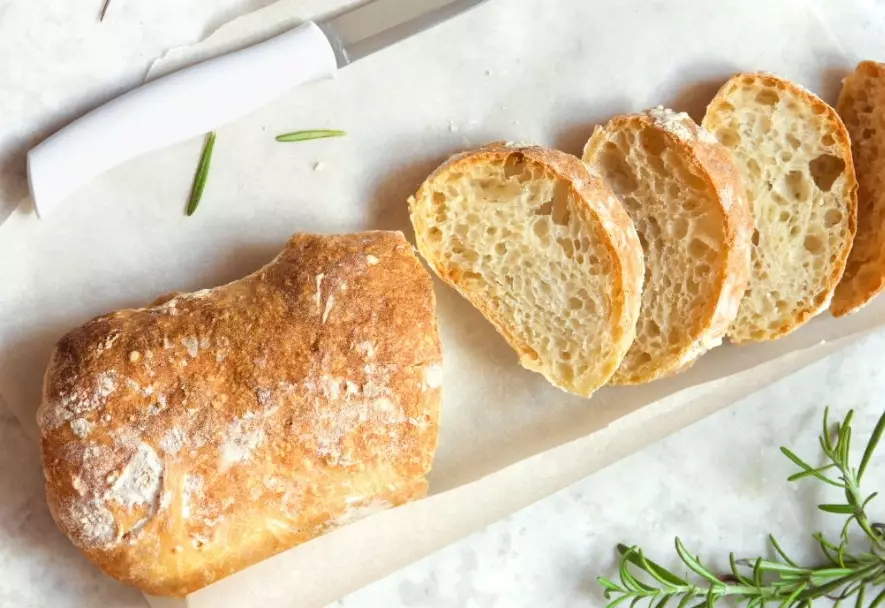
Then there's technique. Pane Carasau from Sardinia is baked twice, like a giant, edible cracker. This method originally preserved it for shepherds months in the mountains. You can eat it crispy or briefly run it under water and wrap it in a cloth to soften into a pliable flatbread, called pane guttiau when drizzled with oil and salted.
A Quick Note on Sweet Breads
Panettone deserves its spot not just as a holiday treat. A well-made artisanal panettone is a feat of baking—a naturally leavened, buttery masterpiece that stays moist for weeks. Avoid the cheap, plastic-wrapped ones loaded with preservatives. Look for brands like Bauli or Motta for a decent supermarket option, or seek out smaller artisanal producers online. The difference in texture and flavor is night and day.
How to Choose, Store, and Use Italian Breads
You're not in Italy, but you can still make smart choices.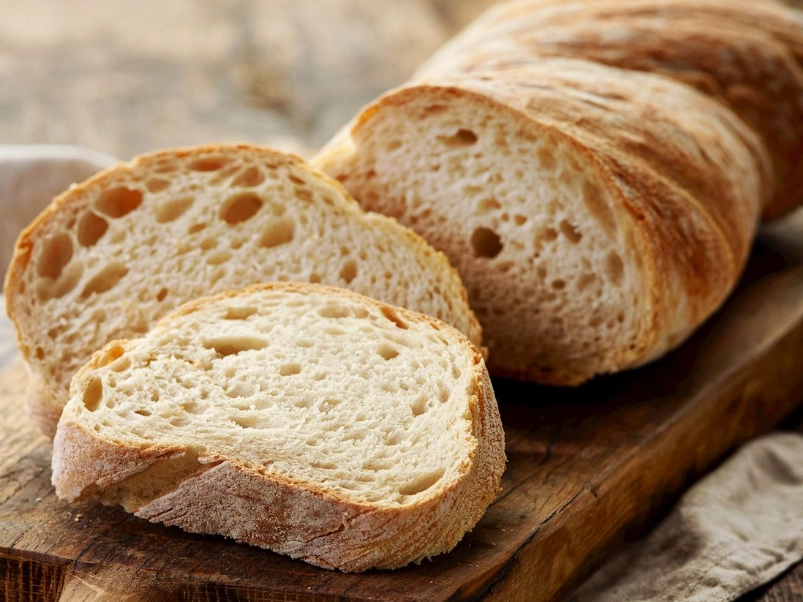
At the Bakery or Store: Look for bread with a hard, deeply colored crust. Tap it—it should sound hollow. Avoid any bread that feels overly soft or has a uniform, cake-like crumb (except Panettone, of course). For ciabatta and rosetta, the crust is everything. If buying packaged taralli or grissini, check the ingredient list. The first ingredient should be wheat flour, not a list of unpronounceable additives.
Storage is the biggest pain point. Italian breads, with their thin crusts and minimal fat (except focaccia), go stale fast. Never, ever refrigerate bread. It accelerates staling. Here's what to do:
- Day 1: Keep in a paper bag at room temperature. A plastic bag steams the crust soft.
- Day 2+: If it's stale, revive it! Sprinkle stale ciabatta or pane toscano with water and heat in a 350°F (175°C) oven for 5-10 minutes. It won't be perfect, but it's close.
- Long-term: Slice and freeze immediately. Toast slices directly from frozen.
Usage Tips: Match the bread to the job. Don't make a sandwich with pane carasau—it'll shatter. Use ciabatta or a soft rosetta roll. Don't serve delicate grissini with a thick dip; they're for dry meats and cheese. Use unsalted Tuscan bread as your edible spoon for a stew.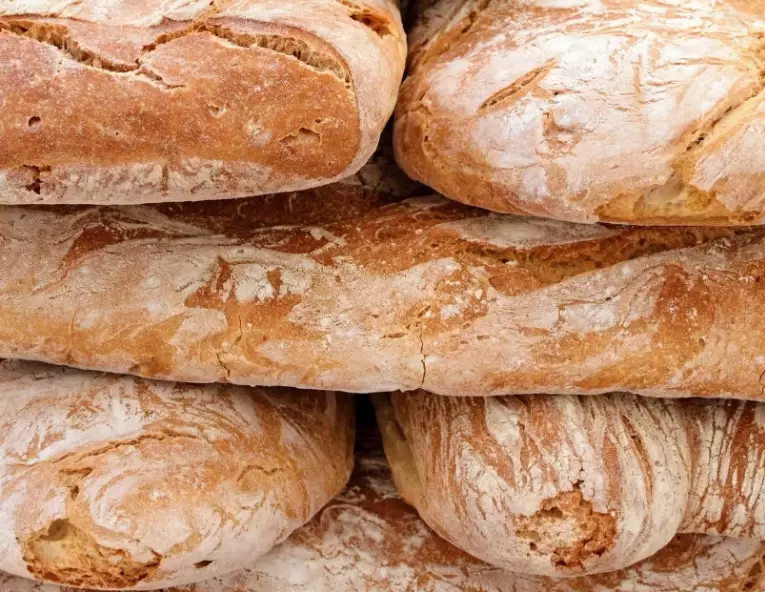
Expert Tips and Your Italian Bread Questions Answered
I see "Italian bread" in my supermarket. Is it authentic?
Probably not. In many countries, "Italian bread" is a generic soft white loaf, sometimes with herbs. It bears little resemblance to the real thing. Look for the specific names: ciabatta, focaccia, pane pugliese. Check the crust—it should be substantial, not soft and pale.
What's the best Italian bread for beginners to bake at home?
Focaccia. It's forgiving. The high olive oil content keeps it tender even if you overwork the dough a bit. You don't need special equipment, and the dimpling is fun. Ciabatta is trickier due to the wet dough. Start with a simple focaccia recipe with rosemary and sea salt to build confidence.
Why does my store-bought ciabatta get soggy so fast in a sandwich?
You might be using the wrong ciabatta or wet fillings too soon. Many mass-produced ciabattas have a softer crust and denser crumb to extend shelf life, making them prone to sogginess. Seek out a bakery with a crustier version. Also, build your sandwich with a barrier: a thin spread of butter or mayo on the crumb creates a seal against moist ingredients like tomatoes.
Are taralli and grissini the same thing?
No, and this is a common mix-up. Grissini are dry, crunchy breadsticks made from a standard bread dough, rolled thin and baked. Taralli are more like crackers or pretzels. The dough is boiled briefly before baking (like a bagel), giving them a unique snap and gloss. Taralli are also often flavored with fennel seeds, black pepper, or wine.
What's the best way to eat Pane Toscano if it's so bland?
Embrace its role as a flavor absorber. Tear a chunk and use it to scoop up the last bits of a pasta sauce (fare la scarpetta, a cherished Italian ritual). Cube it, toast it, and use it for croutons in a panzanella salad. Or do as Tuscans do: drizzle it with your best extra virgin olive oil, rub it with a garlic clove, and add a sprinkle of fresh salt. The bland bread becomes the perfect carrier for the oil's fruitiness and the salt's punch.
The world of Italian bread is deep and delicious. It goes far beyond a basket on the table. Each loaf tells a story of its region, its history, and the hands that made it. Start with these ten. Seek them out, taste them with intention, and you'll never look at a piece of bread the same way again. Your next meal might just need a piece of crunchy coppia or a slice of oily focaccia to make it complete.
Related Articles
Italian Baked Dishes Recipes: From Classic Lasagna to Rustic Focaccia
The Ultimate Authentic Italian Hoagie Recipe: Make the Classic Philly Sandwich at Home
Easy Italian Sausage Recipes for a Delicious Dinner | Quick & Flavorful

Still have to rely on Zhengzhou Foxconn? The truth about the swing between Apple
Italian Soup Recipe: Classic Minestrone & Hearty Ribollita Made Easy
Authentic Italian Carbonara Recipe: The Only Guide You'll Ever Need
Italian Seasoning Chicken Recipe: Easy, Flavorful & Authentic
Authentic Italian Cuisine Recipes: From Classics to Regional Secrets
Authentic Italian Recipes: Your Ultimate Guide to Mastering Classics at Home
Authentic Italian Chicken Recipes: From Classics to Modern Twists
Simple Italian Holiday Dinner Recipes: Effortless & Authentic Feasts
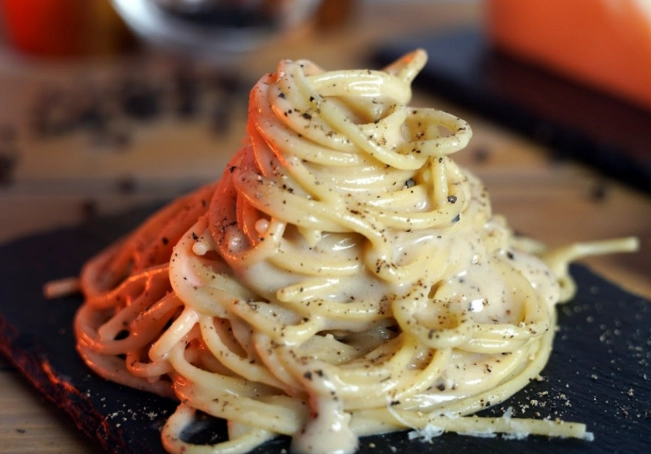
Master Italian Pasta Recipes: Classics, Regional Gems & Pro Tips
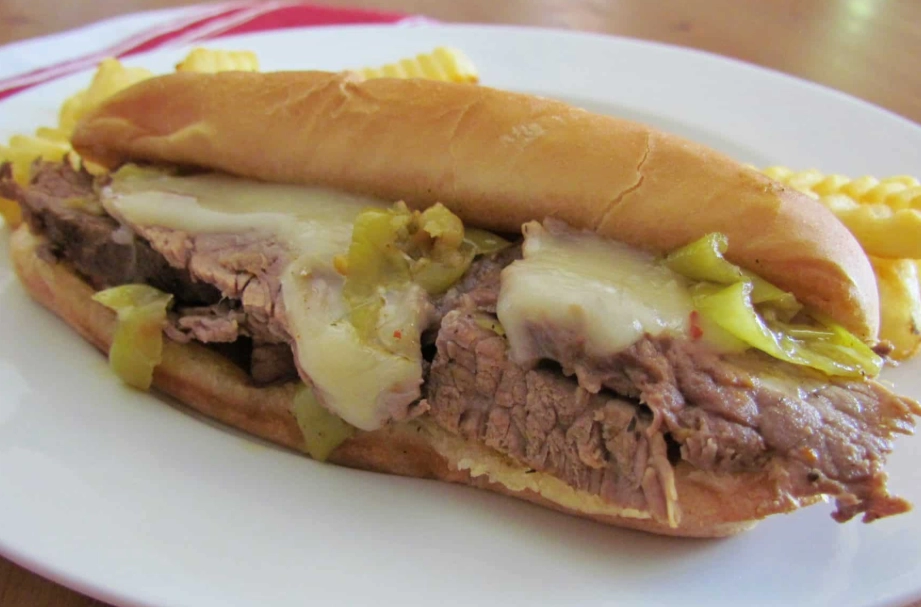
Authentic Italian Beef Sandwich Recipe | Easy Homemade Guide
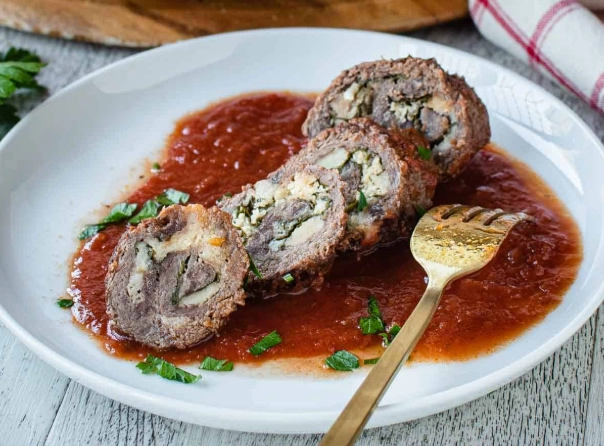
Italian vs American Braciole: The Real Differences Explained
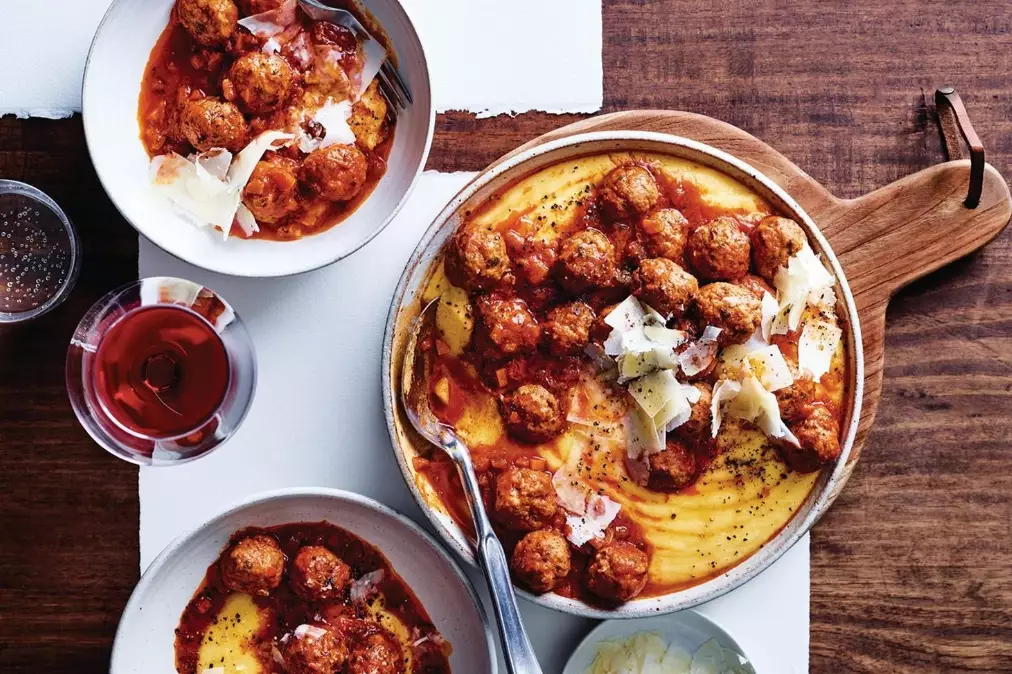
Authentic Italian Recipes: Secrets from a Roman Kitchen

Sold out! BYD official: The order is extremely large, the stock price has risen
Ultimate Braciole Recipe: Authentic Italian Beef Rolls in Tomato Sauce

What is the Traditional Drink of Italy? The Definitive Guide
Top 10 Italian Dinner Dishes: A Curated Guide for Authentic Meals
Authentic Italian Chicken Cacciatore Recipe: A Hunter's Stew
Italian Seasoning Substitutes: 8 Easy DIY Blends & Alternatives
Simple Italian Sausage Dinners: Quick Recipes for Busy Nights
Authentic Italian Salad Dressing Recipe: Easy, Zesty & Homemade
Italian Meatball Recipe: Step-by-Step Guide & Secrets for Tender Meatballs
What is a Good Appetizer Before Pasta Dinner? 15+ Expert Picks & Pairing Guide

Top 10 Italian Cookies: A Guide to Italy's Sweetest Treats
Simple Italian Sausage Recipes for Dinner: Easy & Flavorful Family Meals
Classic Italian Bolognese Recipe: Master the Authentic Ragu
Easiest Italian Food to Make: 5 Simple Recipes for Beginners
Leave a Comment