The Best Italian Bread Recipe: Authentic Ciabatta at Home
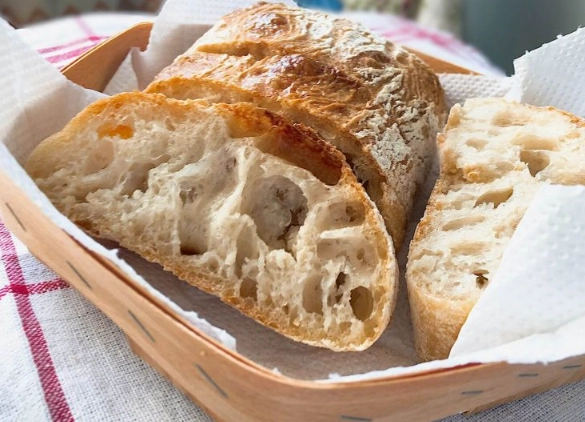
Let's be honest. The phrase "best Italian bread recipe" gets thrown around a lot online. You find a dozen versions claiming to be authentic, but the results are often dense, bland, or just... wrong. After years of testing, burning my fingers, and turning my kitchen into a flour-dusted lab, I'm convinced the crown goes to a well-made ciabatta. Not the chewy, uniform stuff you find in plastic bags, but the real deal: a crust that shatters, an interior with wild, irregular holes, and a flavor that's subtly complex. This isn't just a list of ingredients; it's the method that makes it the best.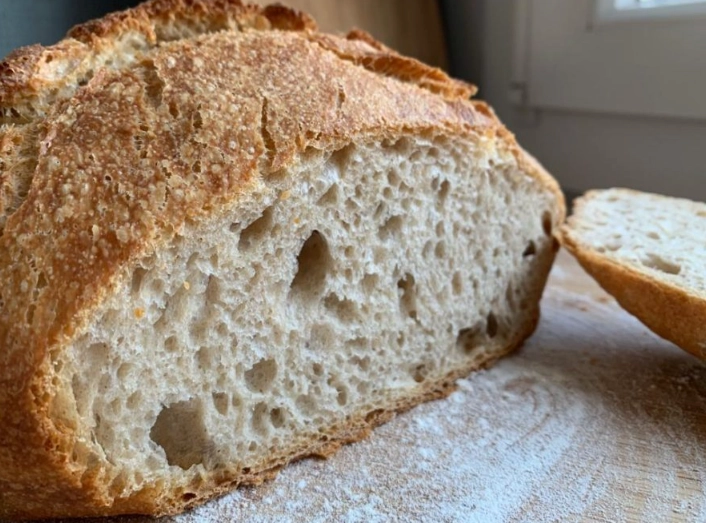
What You'll Find Inside
Why Ciabatta is the Undisputed Champion
When people dream of Italian bread, they're usually picturing ciabatta. Originating in the Veneto region, its name means "slipper" – a nod to its flat, elongated shape. What sets it apart is its incredibly high hydration. We're talking dough that's more like a thick batter than a pliable ball. This high water content is the secret. During baking, the water turns to steam, forcing the dough to expand rapidly, creating those iconic, jagged air pockets. The crust blisters and crisps up beautifully. The flavor? It's wheaty, slightly tangy, and perfect for sopping up olive oil or holding a sandwich without getting soggy.
The Five Non-Negotiable Ingredients
Great bread needs great ingredients, but simplicity is key. Here’s what you absolutely need to get right.
The Core Ingredients
- Bread Flour (500g): Not all-purpose. You need the higher protein content (12-13%) of bread flour to build a strong gluten network that can trap all the gas from fermentation. King Arthur or a similar quality brand makes a difference.
- Water (430g, 86% hydration): Use filtered water if your tap water is heavily chlorinated. Temperature is critical – aim for warm water, about 85°F (30°C), to wake up the yeast gently.
- Fine Sea Salt (10g): Salt does more than flavor; it tightens the gluten structure. Don't add it directly to the yeast.
- Instant Yeast (3g) or Active Dry Yeast (4g): A tiny amount. This recipe relies on a long, slow fermentation for flavor, not a quick yeast blast.
- Extra-Virgin Olive Oil (1 tablespoon): A splash adds richness and helps keep the crumb tender. Use a good one you'd actually eat.
My Pet Peeve: Recipes that tell you to "add flour until the dough comes together." With ciabatta, you must trust the recipe's water-to-flour ratio. The dough will be a sticky, shaggy mess at first. That's exactly what you want. Adding extra flour is the fastest route to a dense, disappointing loaf.
How to Master the High-Hydration Dough Technique
This is where most home bakers fail. You can't treat this dough like a standard loaf. Kneading is out. Instead, we use a series of folds. This technique, championed by bakers like Richard Bertinet (whose books are a fantastic resource), develops gluten without incorporating too much air or overheating the dough.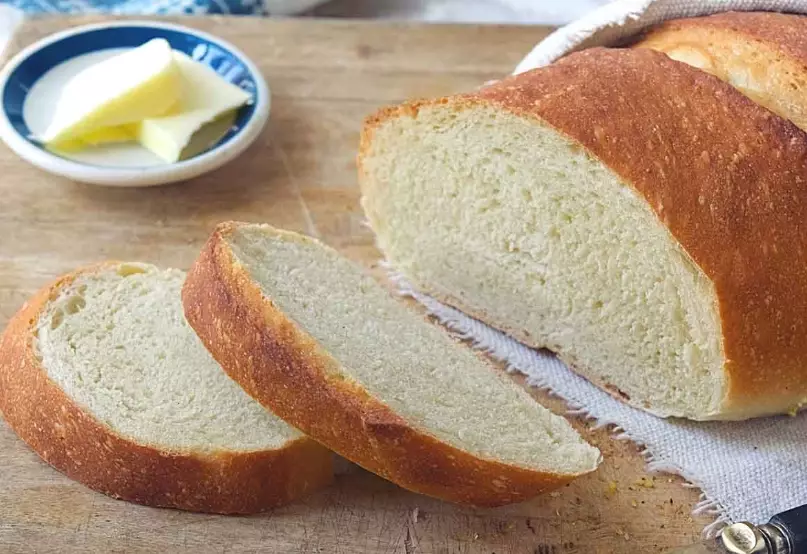
Here’s how it works: after an initial mix, you let the dough rest for 20-30 minutes. This autolyse period lets the flour fully hydrate and starts gluten development on its own. Then, every 30 minutes for the next 2 hours, you perform a series of folds. Wet your hands, grab one side of the dough, stretch it up, and fold it over the center. Rotate the bowl and repeat on all four sides. Each fold builds strength and structure into the wet dough, transforming it from a puddle into a coherent, airy mass.
The Role of Time and Temperature
Flavor doesn't come from ingredients alone; it comes from fermentation. A warm, quick rise (78-80°F) gives you bread faster but with less character. For deeper, more complex flavor, let the dough ferment slowly in a cooler spot (like a basement or a turned-off oven) for 12-18 hours. This long, cold fermentation is a game-changer and is the single biggest tip I can give you for making the best Italian bread at home.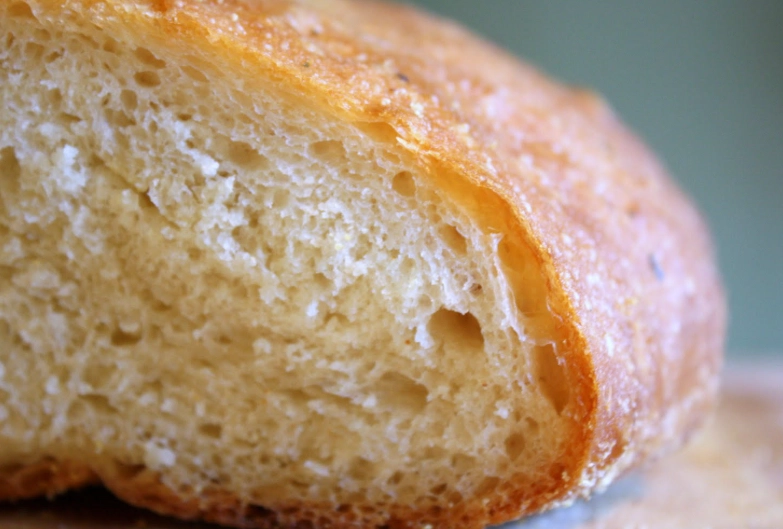
The Complete Step-by-Step Process
Let's walk through it. Clear your schedule; this is a project, not a quick fix.
Day 1 (Evening): The Mix and First Ferment. In a large bowl, whisk the flour and yeast. Add the warm water and olive oil. Mix with a spatula or your wet hands until no dry flour remains – it will be a ragged, sticky mass. Let it rest, covered, for 30 minutes (autolyse). After the rest, sprinkle the salt over the dough and dimple it in with wet fingers. Perform your first set of folds. Cover the bowl tightly and let it sit at room temperature. Over the next 2 hours, perform 3 more sets of folds, spaced 30 minutes apart. After the final fold, cover the bowl and place it in the refrigerator for a slow, cold fermentation overnight (12-16 hours).
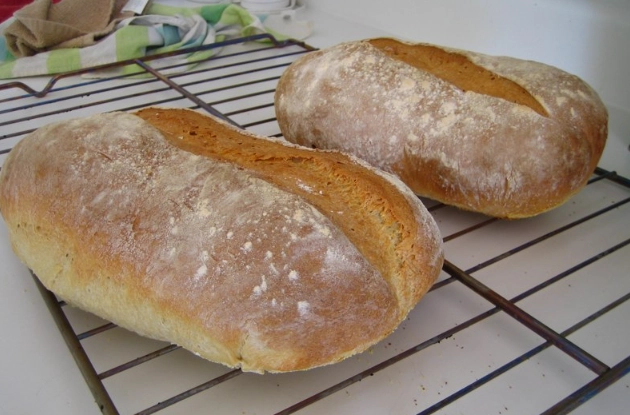
Day 2 (Morning): Shaping and Final Proof. Generously flour your work surface and a couple of tea towels or a proofing couche. The dough will have risen and be bubbly. Gently pour it onto the floured surface. Using a bench scraper, divide it into two portions. Don't knead or punch it down – you want to preserve those bubbles. Gently stretch each portion into a rough rectangle or "slipper" shape. Place them on the floured towels, seam side up, and drape the towels over to create folds between the loaves. Let them proof at room temperature for 1.5 to 2 hours, until puffy and nearly doubled.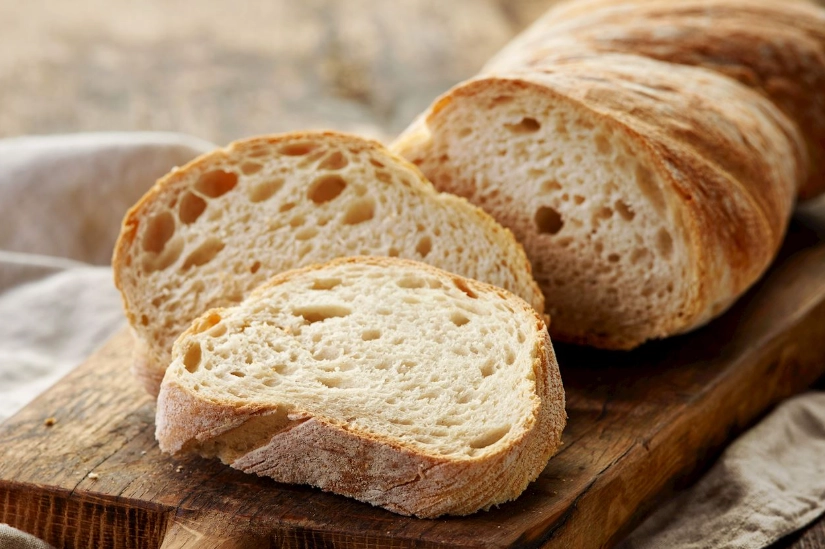
Baking. Preheat your oven to 475°F (245°C) with a Dutch oven or a baking stone inside for at least 45 minutes. If using a Dutch oven, carefully invert one proofed loaf into the hot pot, seam side down. Slash the top quickly with a lame or razor. Cover and bake for 20 minutes. Uncover and bake for another 15-20 minutes until deeply golden brown. The loaf should sound hollow when tapped on the bottom. Cool completely on a wire rack before slicing – I know it's hard to wait, but cutting into hot bread steams the crumb and makes it gummy.
The Top 3 Mistakes and How to Fix Them
I've made these so you don't have to.
- Dense, No-Hole Crumb: The dough was under-hydrated (you added too much flour during handling) or you over-handled it during shaping, deflating all the gas. Trust the wetness and handle the dough with a light, confident touch.
- Pale, Soft Crust: Your oven wasn't hot enough, or you didn't create steam. Baking in a preheated Dutch oven or tossing ice cubes into a tray at the bottom of the oven mimics a professional steam-injected oven, crucial for that crisp, blistered crust.
- Bland Flavor: The fermentation was too fast and warm. Next time, use less yeast and give it that long, slow cold ferment in the fridge. Time is your best ingredient.
Your Ciabatta Questions, Answered
Related Articles

Ten-fold stocks appeared! A-shares set off a "price increase", foreign capital b
The Best Italian Bread Recipe: Authentic Ciabatta at Home
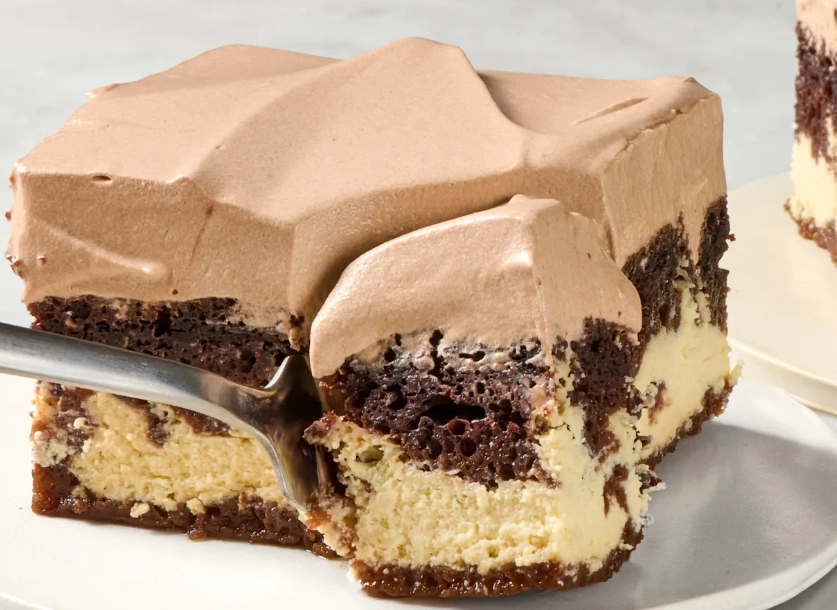
Authentic Italian Love Cake Recipe: The Ultimate 3-Layer Dessert Guide
Easy Traditional Italian Recipes for Home Cooks
The Ultimate Guide to a 3 Course Vegetarian Italian Meal

What Are The Three Italian Cocktails? Negroni, Aperol Spritz, Americano
Authentic Italian Carbonara Recipe: The Only Guide You'll Ever Need

Unique Italian Appetizers: Beyond Bruschetta & Meatballs
Authentic Carbonara Recipe: Traditional Italian Pasta Without Cream

The Most Popular Cocktail in Italy: A Deep Dive into the Aperol Spritz

Authentic Italian Cocktail Recipes: From Classics to Modern Twists

What Are the Top 10 Italian Appetizers? A Taste of Italy's Antipasto Secrets

Why did China Resources take over Tasly?
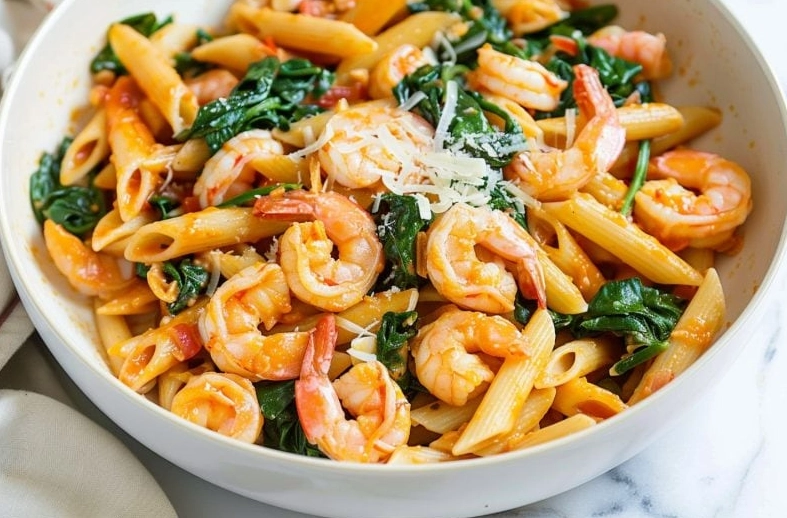
Italian Shrimp Recipes: From Classic Scampi to Modern Dishes

The global economy has ushered in a remarkable transformation after the new crow
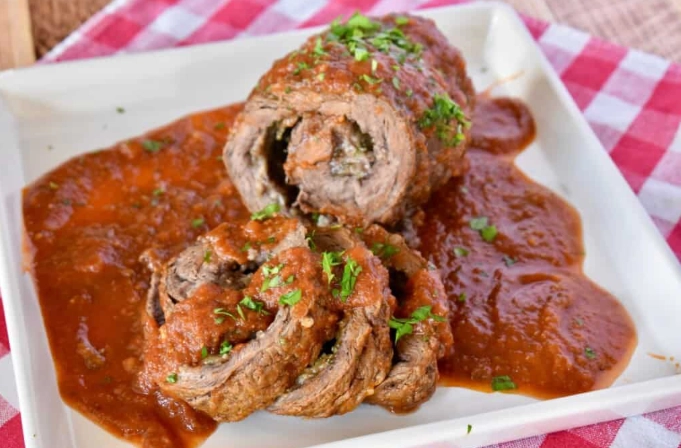
Ultimate Braciole Recipe: Authentic Italian Beef Rolls in Tomato Sauce

Sold out! BYD official: The order is extremely large, the stock price has risen
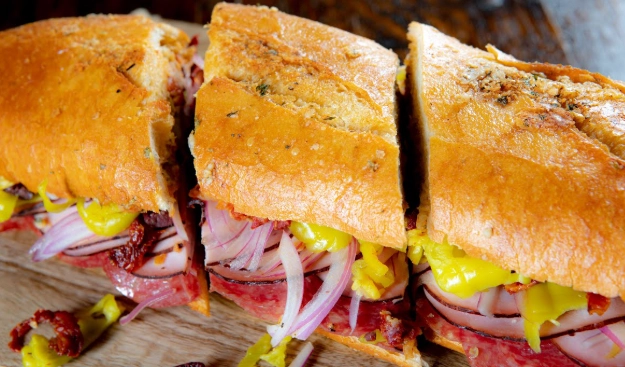
Italian Submarine Sandwich Recipe: The Ultimate Guide to a Classic Hoagie
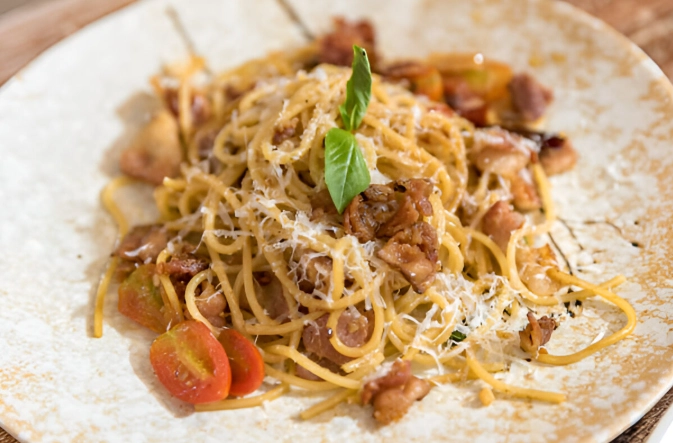
Authentic Italian Carbonara Recipe: The Only Guide You'll Ever Need

Two 1 billion US dollars of large model financing, Internet giants are starting
Italian Buttercream Recipe: How to Make Perfectly Smooth Frosting
Ultimate Italian Recipes List: From Pasta to Desserts
Authentic Italian Holiday Dinner Recipes for a Festive Feast
Easy Italian Recipes: 5 Classics Anyone Can Master at Home
Chopped Italian Sandwich Recipe: Step-by-Step Homemade Guide
Easy Italian Holiday Dinner Recipes: Stress-Free Feasts for Any Celebration
Authentic Italian Steak Recipe: Bistecca alla Fiorentina Guide
Ultimate Guide to Vegetarian Italian Dinner Party Recipes

Tesla VS BYD: A new wave of insurance for electric car giants

Leave a Comment