Traditional Italian Bread Recipes: Authentic Methods & Expert Tips
I still laugh about my first focaccia attempt. It looked great going into the oven, but came out dense and sad—more like a doorstop than bread. That was ten years ago. Since then, I’ve baked alongside Italian nonnas, messed up more dough than I care to admit, and finally cracked the code. Traditional Italian bread isn’t about fancy tricks; it’s about understanding a few simple principles that most recipes gloss over. If you’re tired of bread that’s too heavy or lacks flavor, you’re in the right place. Let’s dive into the heart of Italian baking.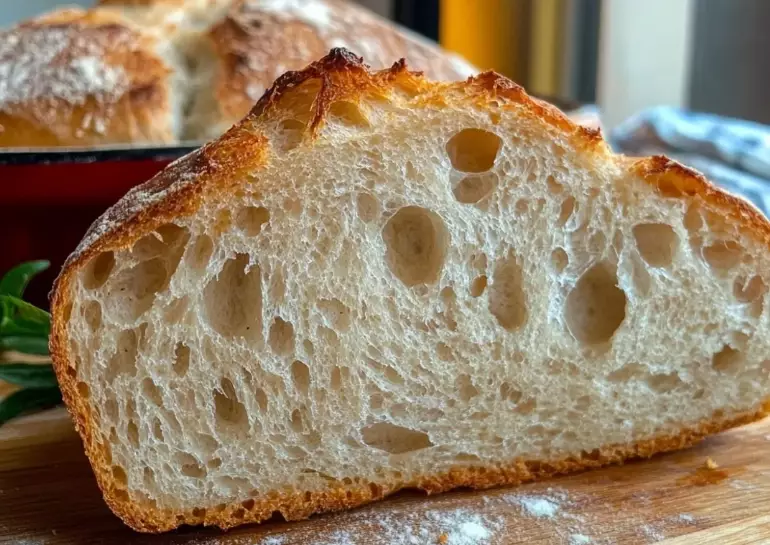
Here’s What We’re Covering
What Makes Italian Bread So Special?
Think of Italian bread, and you might picture a crusty loaf with a soft, holey interior. But it’s not just about texture. The magic lies in simplicity. Unlike French bread that often uses milk or butter, traditional Italian bread sticks to four basics: flour, water, yeast, and salt. That’s it. The variety comes from technique—how you mix, knead, and ferment. For instance, ciabatta’s open crumb is all about a wet dough and gentle handling. Focaccia gets its richness from olive oil, not fat. And pane di Altamura? It’s defined by its durum wheat flour and long fermentation, giving it a nutty flavor that lasts days.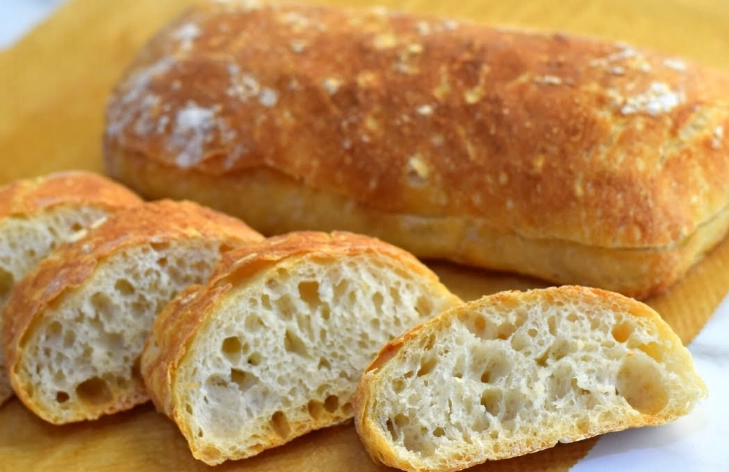
I learned this the hard way. On a trip to Genoa, I watched a baker stretch focaccia dough almost transparently thin before dimpling it with fingers. “Slow,” he said. “You rush, you kill the bubbles.” That patience is key. Many home bakers skip the long rest, eager to see results. But time is your secret weapon here.
The Big Three: Must-Try Traditional Italian Breads
Italy has dozens of bread varieties, but these three are essentials. They cover different styles and teach core skills. Let’s break them down.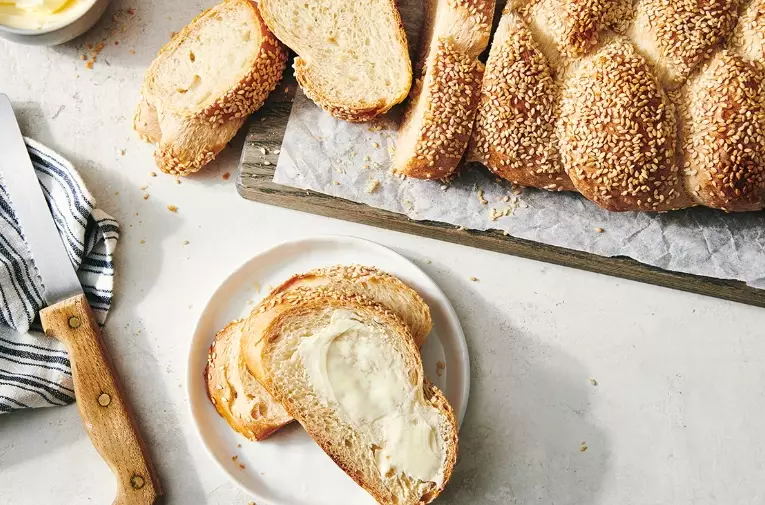
Focaccia Genovese: The Olive Oil-Soaked Wonder
Focaccia from Genoa is pillowy, oily, and topped with coarse salt. The trick? A high-hydration dough and a generous pour of olive oil in the pan. Most recipes tell you to mix and knead, but they miss the crucial step: the stretch-and-fold method. Instead of aggressive kneading, you fold the dough every 30 minutes during the first rise. This builds strength without deflating those precious air pockets.
Here’s a quick rundown of what you’ll need:
>Coarse sea salt for topping| Ingredient | Quantity | Notes |
|---|---|---|
| Bread flour | 500g | Use tipo 00 if you can find it |
| Water | 350ml | Lukewarm, about 85°F |
| Active dry yeast | 7g | Or fresh yeast for a slower rise |
| Extra virgin olive oil | 50ml + more for pan | Good quality—it makes a difference |
| Salt | 10g |
Mix flour, water, and yeast, let it sit 20 minutes (autolyse), then add salt and oil. Fold every 30 minutes for 2 hours. Pour oil into a baking sheet, stretch the dough to fit, dimple with fingers, and let rise another hour. Bake at 425°F for 20-25 minutes until golden. The result? A focaccia that’s crisp outside, tender inside, and soaked with flavor.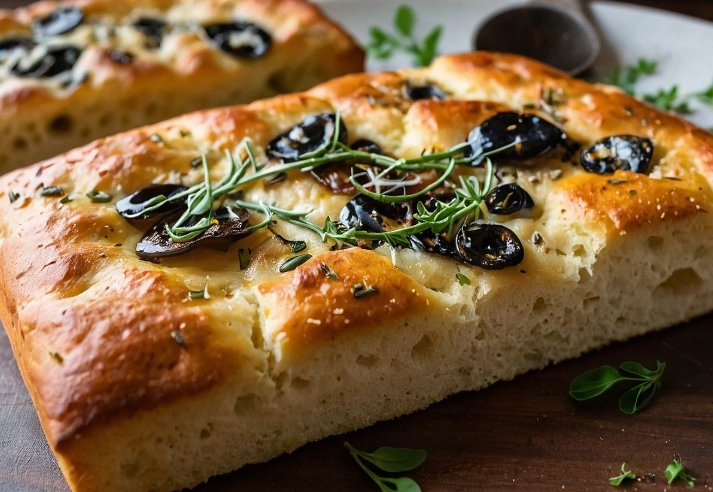
Ciabatta: Mastering the Open Crumb
Ciabatta means “slipper” in Italian—named for its shape. The goal is those irregular, large holes. The secret is a very wet dough, around 75-80% hydration. That means for 500g flour, you’d use 375-400ml water. It’s sticky and messy, but don’t add more flour. Use a dough scraper and wet hands.
Start with a biga, a pre-ferment. Mix 100g flour, 100ml water, and a pinch of yeast, let it ferment overnight. Next day, combine with remaining flour, water, yeast, and salt. Mix until shaggy, then do stretch-and-folds every 30 minutes for 3 hours. Shape gently on a floured surface—no kneading. Bake on a preheated stone at 450°F with steam for the first 10 minutes. Steam is critical; it keeps the crust soft initially, allowing the bread to expand. Without it, your ciabatta might be dense.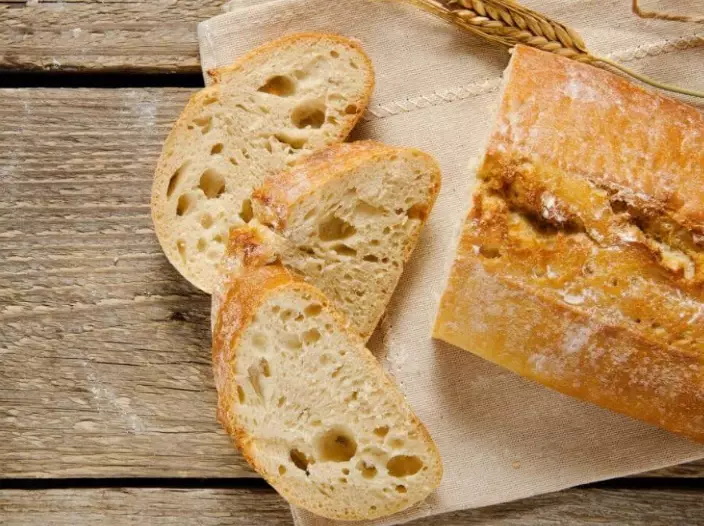
Pane di Altamura: The King of Puglian Bread
This bread has PDO status (Protected Designation of Origin), meaning it must be made in Altamura, Puglia, with specific durum wheat flour. At home, you can approximate it with semolina flour. The flavor is earthy, the crust thick and crisp. The process is slow: a natural starter or biga, and a fermentation that can last 24 hours.
Mix 300g semolina flour, 200g bread flour, 350ml water, 100g biga, and 10g salt. Knead minimally, bulk ferment for 12-16 hours in a cool place. Shape into a round, proof for 4 hours, then slash the top and bake at 400°F for 40 minutes. The long ferment develops acidity that preserves the bread. I’ve kept it for a week, and it still toasted up nicely.
The Ingredient Truth: Flour, Water, Yeast, and Time
Let’s get geeky for a second. Flour type matters more than you think. In Italy, they use tipo 00 flour for soft breads like focaccia—it’s finely milled and low in protein, giving a tender crumb. For ciabatta, bread flour with higher protein (12-13%) helps structure. Water should be filtered if yours is chlorinated; chlorine can inhibit yeast. Yeast—I prefer fresh yeast for slower fermentation, but dry works if you reduce the amount by half. Salt? Sea salt, not iodized, for pure flavor.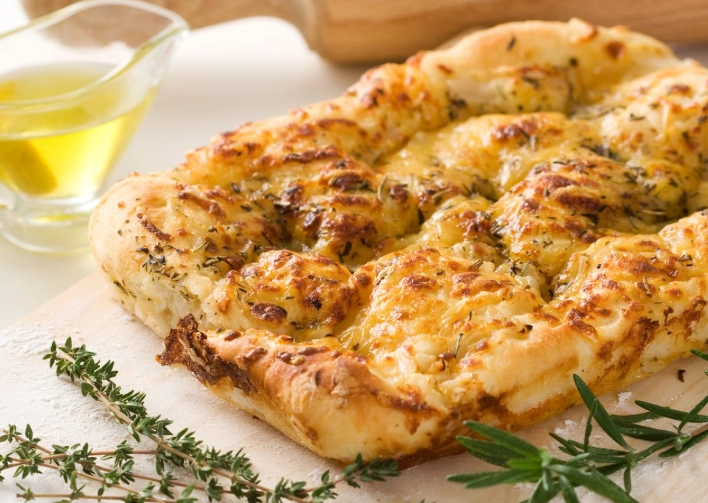
Here’s a tip most bakers overlook: measure by weight, not volume. A cup of flour can vary by 20 grams. Inconsistency leads to failed bread. Get a kitchen scale—it’s a game-changer.
Time is the invisible ingredient. Fermentation isn’t just about rising; it’s where flavor develops. A slow, cold ferment in the fridge overnight can transform bland dough into something complex. Try it with your next batch. Mix dough in the evening, let it rise at room temp for an hour, then refrigerate overnight. Shape and bake in the morning. The difference is night and day.
Step-by-Step: How to Avoid the #1 Home Baker Mistake
The biggest error I see? Overhandling the dough. Italian bread relies on gentle tension, not brute force. When you knead too much, you develop too much gluten too quickly, trapping gas prematurely. The bread rises fast but collapses in the oven. Instead, use the stretch-and-fold technique. After mixing, let the dough rest 30 minutes, then wet your hands, grab one edge, stretch it up, and fold over the center. Rotate the bowl and repeat four times. Do this every 30 minutes during bulk fermentation. It builds strength without tearing.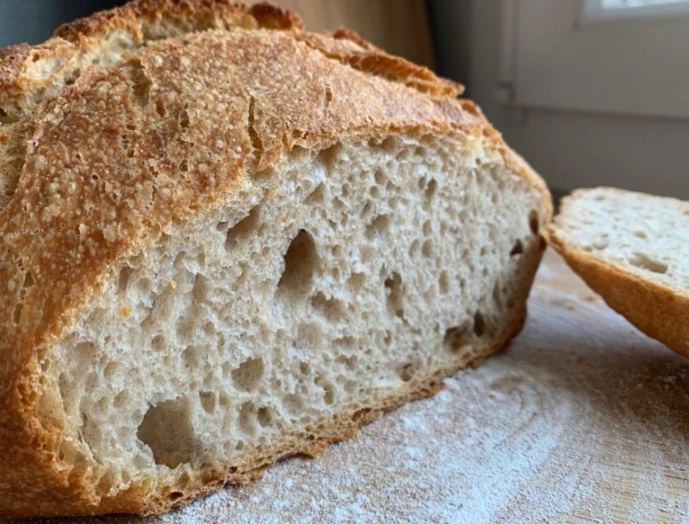
Another common pitfall: baking without steam. Steam in the first 10 minutes keeps the crust elastic, allowing the bread to expand fully. No fancy equipment needed. Place a tray at the bottom of your oven while preheating. When you load the bread, toss a cup of ice cubes into the tray. The steam will do the trick.
Let me share a story. A friend once complained her ciabatta was always flat. I asked about her shaping. She was pressing out air, treating it like pizza dough. We switched to a light touch, just folding the dough onto itself. Next bake, it sprang up beautifully. Sometimes, it’s the small adjustments.
Your Italian Bread Questions, Answered
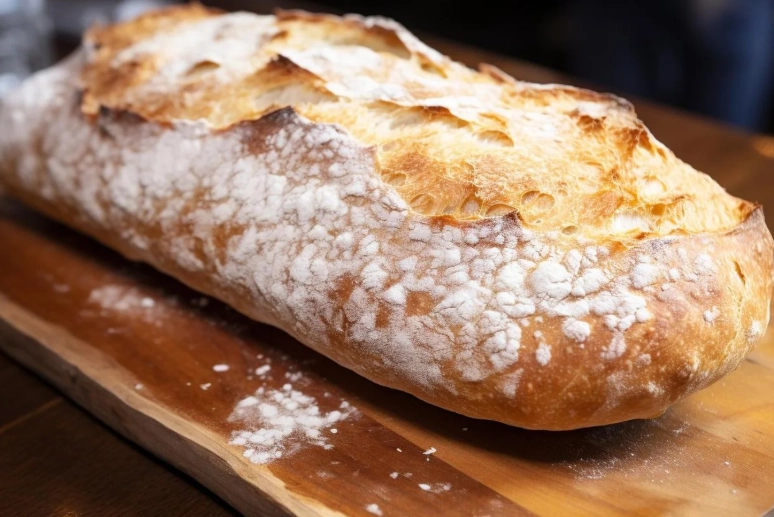
Baking traditional Italian bread is a journey. Start with focaccia—it’s forgiving and rewarding. Move to ciabatta once you’re comfortable with wet doughs. And don’t shy away from long ferments; they’re where the magic happens. Remember, even failed loaves teach you something. My brick-like focaccia taught me patience. Yours might teach you about oven temperature or flour quality. Keep baking, and soon you’ll have bread that rivals any Italian bakery.
Related Articles
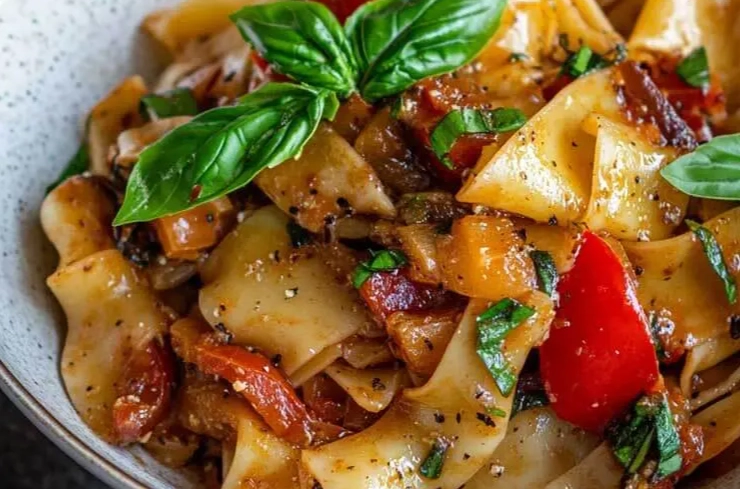
Authentic Italian Drunken Noodles Recipe (Pasta alla Ubriaca)
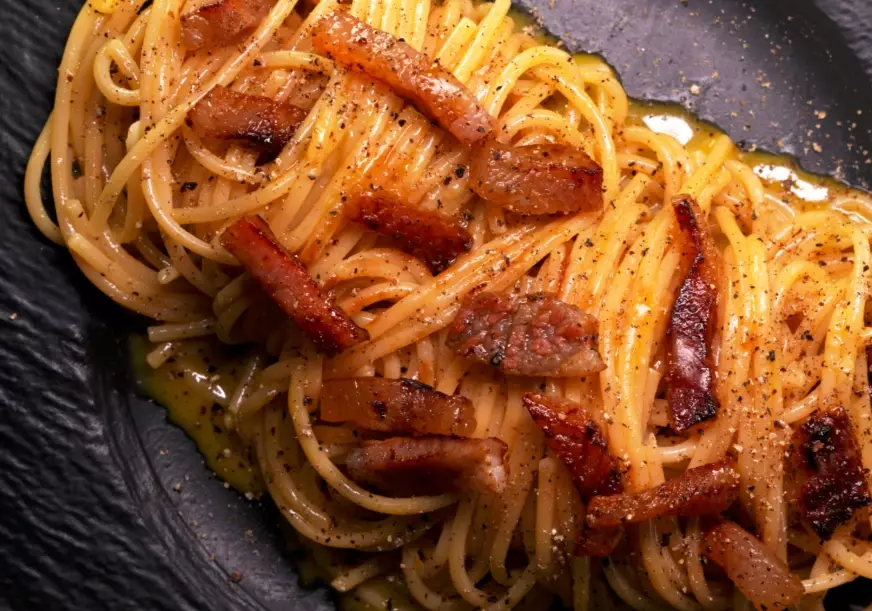
Authentic Carbonara Recipe: The ONLY Way to Make It Right
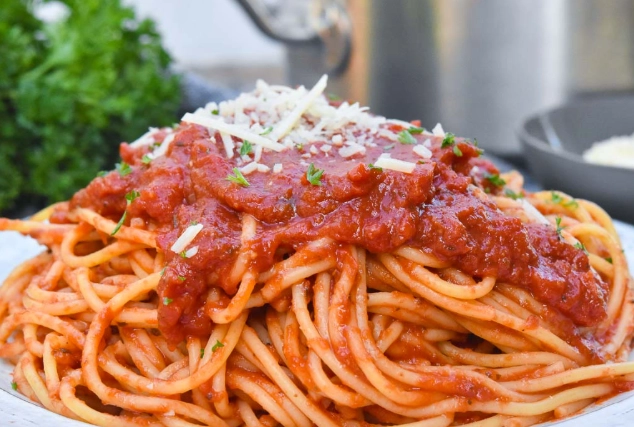
Authentic Italian Spaghetti Sauce Recipe (Ragù alla Bolognese)
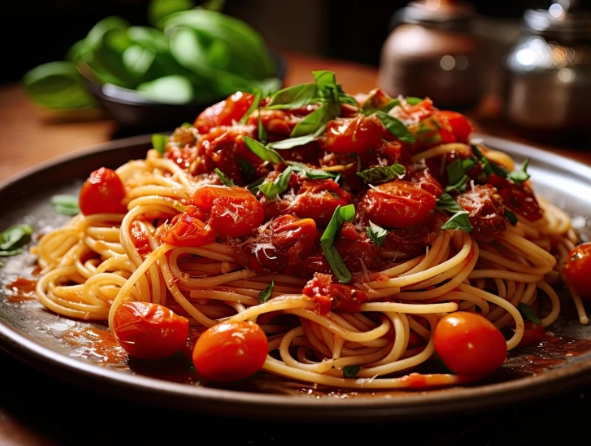
Authentic Italian Cuisine Recipes: From Classics to Regional Secrets
Traditional Italian Salad Names: A Guide to Authentic Recipes & History
Simple Italian Sausage Recipes for Dinner: Easy & Flavorful Family Meals
Authentic Italian Pasta Salad Recipe: Easy & Flavorful

The Ultimate Guide to an Authentic Italian Christmas Dinner Menu
Authentic Italian Regional Recipes Guide: Cook from Source
Italian Sausage Soup: Authentic Recipes & Pro Tips

Top 10 Italian Cookies: A Guide to Italy's Sweetest Treats
Ultimate Italian Recipes List: From Pasta to Desserts
Pasta Italian Dressing Salad Recipes: The Ultimate Guide
The Ultimate Authentic Italian Hoagie Recipe: Make the Classic Philly Sandwich at Home
Authentic Italian Dinner Recipes from Regional Cuisines
Authentic Italian Pizzelle Recipe: Crispy, Classic & Easy
Pasta Recipes: A Complete Guide from Beginner to Pro
Traditional Italian Recipes by Region: A Culinary Journey from North to South
Italian Seasoning Substitutes: 8 Easy DIY Blends & Alternatives

Master Old School Italian Recipes: Authentic Pasta, Ragù & More

Modern Italian Cocktails: A Guide to Artisanal Mixology
Ultimate Italian Sliders Recipe: Party-Perfect and Irresistible
Authentic Italian Porchetta Recipe: Crispy, Juicy Roast Pork

Sudden good news! The RMB surged 300 points, 4,100 A-shares rose, and banks that

Italian Vinaigrette Recipe: The Only Guide You'll Ever Need
Authentic Italian Pizzelle Recipe with Anise: A Family Tradition
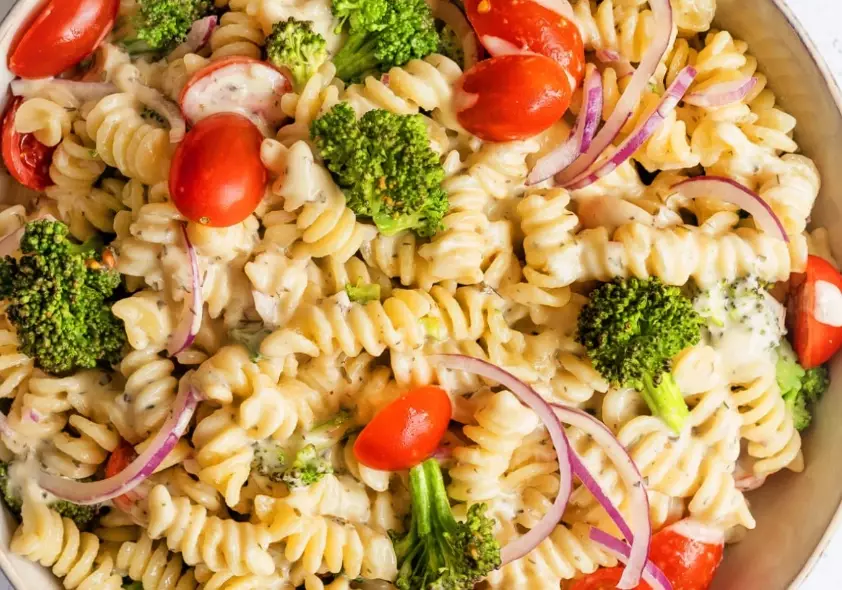
Perfect Pasta Salad Recipe with Homemade Italian Dressing
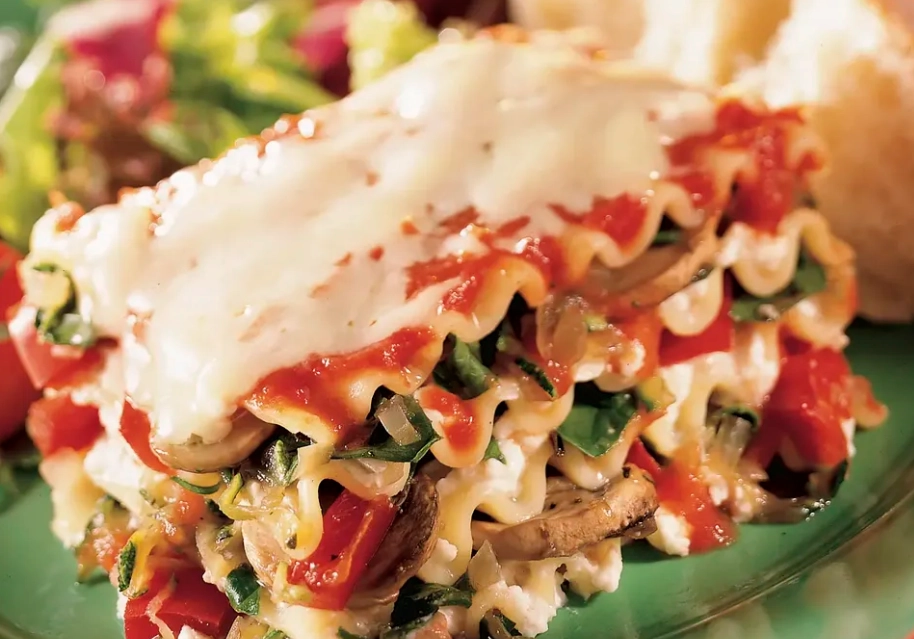
Simple Italian Vegetarian Recipes: 5 Easy Dishes for Weeknights
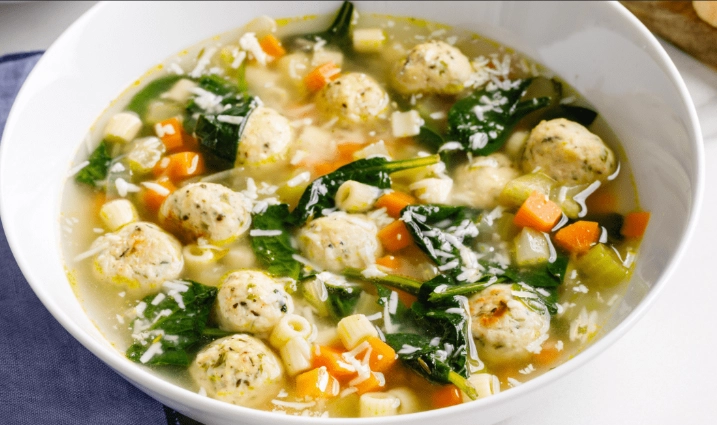
Easy Italian Wedding Soup Recipe (Authentic Flavor, Simple Steps)

Leave a Comment