The Five Italian Spices: A Complete Guide to Flavor & Tradition
You see that little jar labeled "Italian Seasoning" at the grocery store. It promises the flavors of Tuscany, of Nonna's kitchen. But what's actually in it? More importantly, what should be in it to create that authentic, sun-drenched taste we all crave? The answer isn't a single, rigid formula, but a family of five core herbs that form the aromatic backbone of countless Italian dishes. Forget the vague blends. Let's talk about the real players: oregano, basil, rosemary, thyme, and sage. Mastering these is like getting the keys to the Italian pantry.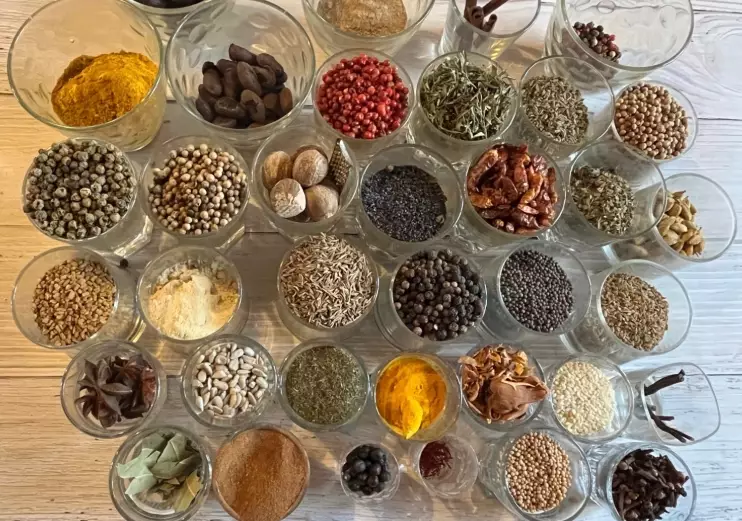
Your Quick Flavor Guide
What Are the Five Italian Spices?
Let's get specific. When Italians talk about essential dried herbs (erbe aromatiche secche), these five consistently top the list. They're not always used together in equal parts—that's the supermarket trick. Instead, each brings a unique personality to the dish.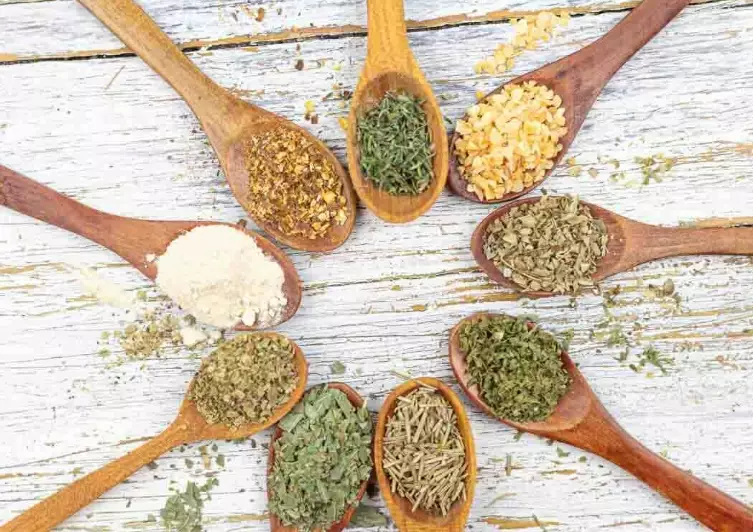
| Spice | Flavor Profile | Best Friends (Pairings) | Classic Dish Spotlight |
|---|---|---|---|
| Oregano | Pungent, earthy, slightly bitter with a peppery kick. The boldest of the bunch. | Tomatoes, garlic, olive oil, mozzarella, lamb. | Pizza Margherita, Neapolitan ragù, grilled vegetables. |
| Basil | Sweet, peppery, anise-like, with a warm, fragrant aroma. The soul of summer. | Tomato (obviously), garlic, pine nuts (pesto!), strawberries, lemon. | Fresh pesto Genovese, Caprese salad, marinara sauce. |
| Rosemary | Piney, woody, camphorous, and intensely aromatic. A little goes a long way. | Roasted meats (lamb, chicken, pork), potatoes, focaccia, beans. | Arrosto di maiale (roast pork), focaccia al rosmarino, roasted potatoes. |
| Thyme | Subtle, dry, slightly minty and lemony. It's the background singer that holds the harmony. | Onions, mushrooms, beans, stews, roasted chicken, fish. | Ribollita (Tuscan soup), cacciatore (hunter's stew), bean soups. |
| Sage | Earthy, slightly peppery, with hints of eucalyptus and lemon. Savory and warming. | Butter, pumpkin, browned butter (burro e salvia), veal, white beans. | Saltimbocca alla Romana, pumpkin ravioli, butter sage sauce. |
Notice something? Marjoram isn't on my core list, though some sources include it. Here's my take after years of cooking and talking to Italian friends: outside of specific regional dishes, marjoram is often used as a fresher, sweeter substitute for oregano, not a constant core player in the national pantry. In Sicily? Absolutely. In the standard "five" used across the country? Oregano takes that spot more consistently.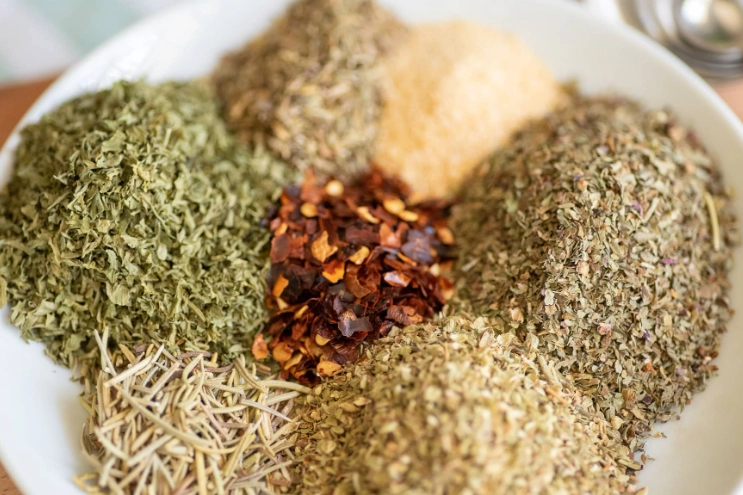
A quick note on fresh vs. dried: This is crucial. Basil is a goddess when fresh but loses most of her magic when dried—it turns musty. For dried blends, the basil flavor often comes from other herbs or is minimized. If you're making a sauce that simmers for hours, dried oregano and thyme hold up better. For a finishing touch, fresh basil and rosemary are unbeatable. Don't swap them 1:1; dried herbs are more concentrated.
The Big Misconception About "Italian Seasoning"
Here's the truth most food blogs won't tell you: There is no single, sacred, centuries-old "five-spice blend" passed down through generations. The concept of a pre-mixed "Italian seasoning" is largely an American supermarket invention, designed for convenience.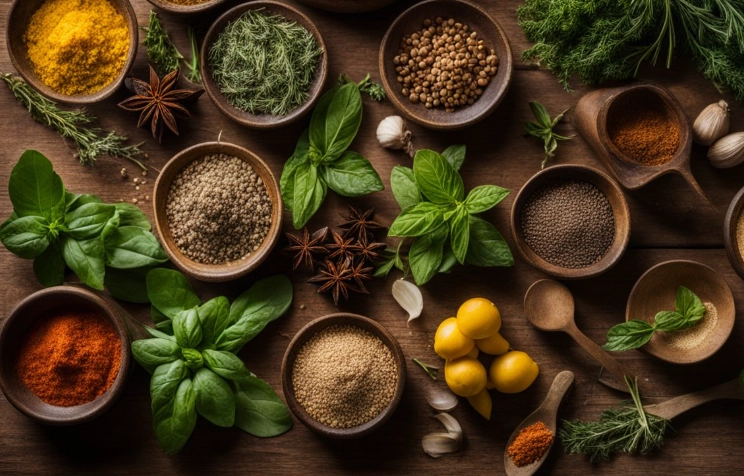
In Italy, cooks reach for individual jars. They build flavors layer by layer. A soffritto for a ragù might start with thyme. Oregano gets added to the tomatoes halfway through. A sprig of rosemary goes into the pot with the braising meat. Sage is fried in butter for a quick sauce. The idea of dumping an equal-parts blend of all five into one dish can actually work against you, muddying the flavors.
The value of knowing the five individual spices is that you become the blender. You decide if tonight's pasta needs the boldness of oregano or the warmth of sage. That's authentic cooking.
How to Use the Five Italian Spices Like a Pro
Let's move from theory to your stovetop. Here’s how I use them, learned partly from mistakes (like the time I used a tablespoon of dried rosemary in a soup… it tasted like medicine).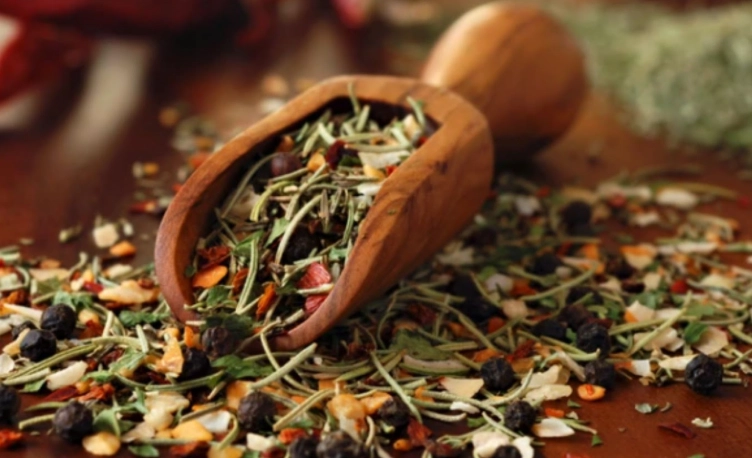
Oregano: The Tomato's Best Friend
Crush dried oregano between your palms before adding it. This releases the essential oils. Add it to tomato sauces about 20 minutes before the end of cooking. If you add it too early, the bitterness can take over. For pizza, sprinkle it on after the sauce but before the cheese so it toasts slightly.
Basil: Handle With Care
If using dried basil (which I rarely recommend), add it at the very end of cooking. Its flavor is fleeting. For pesto, always use fresh. Tear fresh leaves, don't chop them with a dull knife—it bruises them. A trick from Liguria: add a few leaves of mint to your basil pesto to keep it brilliantly green.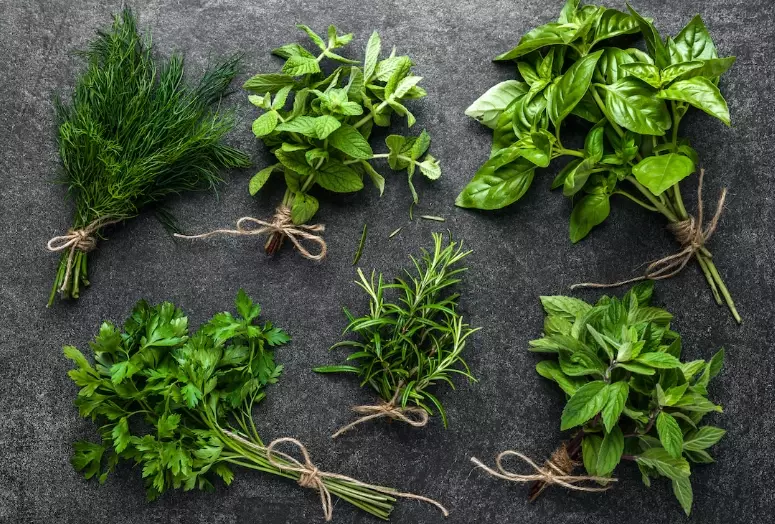
Rosemary: The Power Player
Dried rosemary can be tough and needle-like. Give it a quick grind in a mortar or spice grinder. Infuse whole sprigs into olive oil over low heat for roasting. For roasted potatoes, toss them with the oil after it's been infused and the rosemary sprigs removed. No one likes biting into a woody stem.
Thyme: The Patient Herb
Thyme loves long, slow cooking. Add it at the beginning of a braise or stew. The stems have flavor too—tie a bunch with kitchen twine and remove the whole bundle before serving. For beans, a couple of sprigs while they simmer makes all the difference.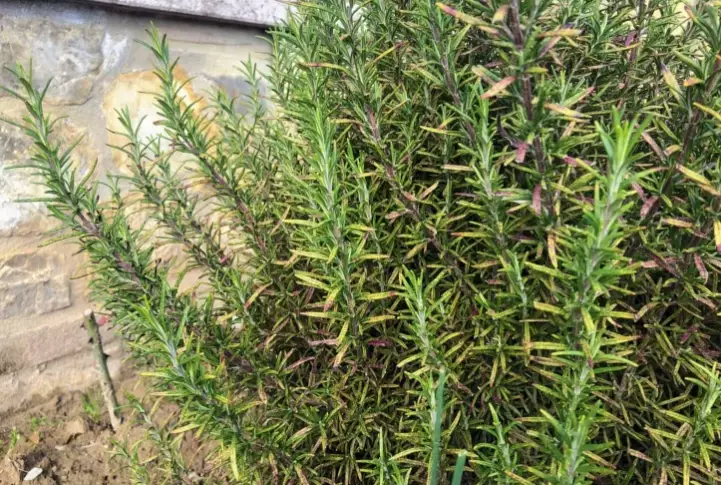
Sage: Brown It, Don't Burn It
Dried sage is strong. Use half of what you think you need. For the classic butter sauce, use fresh leaves. Heat butter until foamy, add sage leaves, and cook for just 30-45 seconds until fragrant and the butter starts to brown (noir beurre). Immediately take it off the heat. Burnt sage is bitter.
Storage is everything. Those clear jars look nice, but light and heat are flavor killers. Store your dried herbs in a cool, dark cupboard, not above the stove. Buy in small quantities from a store with high turnover. Old, faded oregano has no soul left.
Make Your Own Perfect Italian Blend (The Right Way)
Okay, sometimes a blend is convenient for quick weeknight meals, rubs, or seasoning breadcrumbs. Here's my go-to recipe, which breaks the "equal parts" rule for better balance.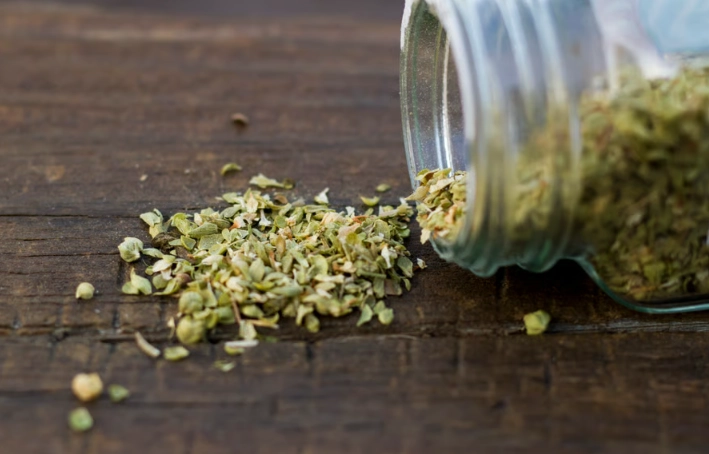
My Go-To Homemade Italian Blend
This makes about 1/2 cup. Adjust to your taste—more oregano for pizza, more thyme for soups.
- 3 tablespoons dried oregano
- 2 tablespoons dried thyme
- 1 ½ tablespoons dried rosemary (lightly ground)
- 1 tablespoon dried sage (rubbed, not powdered)
- 1 tablespoon dried marjoram (optional, for sweetness) OR 1 tsp dried basil (use sparingly)
- 1 teaspoon garlic powder (not garlic salt!)
- Optional: Crushed red pepper flakes, dried lemon zest.
Method: Combine everything in a bowl. Transfer to a clean, airtight jar. Label it with the date. It'll be good for 3-4 months, but you'll use it up faster because it's so much better than store-bought.
A Real-World Buying Guide: What to Look For
Navigating the spice aisle can be overwhelming. Here’s a practical breakdown.
Supermarket vs. Specialty
The big national brands are consistent but often use lower-grade herbs and include fillers like starch to prevent caking. They also tend to over-powder everything. I've found their oregano to be particularly dusty and weak.
For a noticeable upgrade, look for online retailers or local shops that specialize in herbs and spices. Brands that list the country of origin (e.g., Turkish oregano, Sicilian oregano) are usually better. The leaves should be recognizable, not just green dust. Expect to pay more, but you'll use less because the flavor is more potent.
For the absolute best quality, consider buying whole dried herbs (like rosemary needles, sage leaves) and crumbling them yourself. The flavor retention is superior.
What about those colorful markets in Italy? If you're lucky enough to go, look for small erboristeria (herb shops) or weekly markets. The oregano from the slopes of Mount Etna in Sicily has a different, more complex flavor than the common variety. Bring some back in sealed bags—it makes a difference.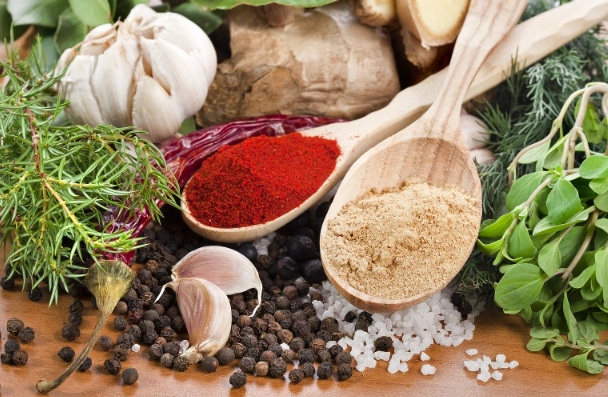
Your Italian Spice Questions, Answered
Related Articles

What Are Italian Cookies? A Guide to Classic Types and Recipes
Italian Christmas Dinner Courses: A Complete Traditional Feast Guide

Microsoft hollowed out AI unicorn Inflection AI and paid 650 million US dollars
Classic Italian Bread Recipe: Authentic & Easy Homemade Loaf

Is it worth it for companies to sponsor the Olympics? | Finance looks at the Oly
Traditional Italian Salad Names: A Guide to Authentic Recipes & History
Unique Italian Appetizers: Beyond Bruschetta & Meatballs
Classic Italian Vegetable Dishes: A Guide to Authentic Recipes
Authentic Gremolata Recipe: The Simple Italian Condiment That Elevates Any Dish
What Is the Most Popular Italian Dish? Top Contenders Revealed
Authentic Italian Hot Chocolate Recipe: Rich, Thick & Easy
Authentic Italian Vegetarian Recipes: Classics Made Simple & Delicious
Authentic Carbonara Recipe: Traditional Italian Pasta Without Cream
Your Complete Guide to Italian Seasoning Substitutes (Flavorful & Easy)
Authentic Italian Regional Recipes Guide: Cook from Source
Discover the Best Non-Alcoholic Italian Drinks: From Aperitivo to Digestivo
Unlock Flavor: 5 Essential Italian Seasoning Recipes & Pro Tips
Easy to Make Italian Food Recipes: Delicious & Quick Meals
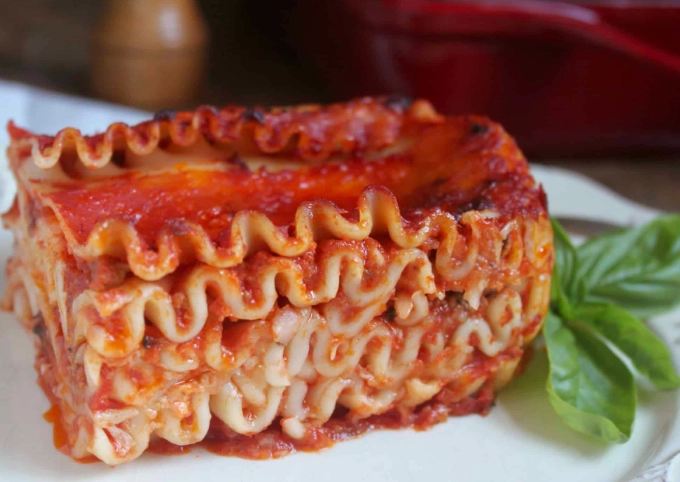
Traditional Italian Recipes by Region: A Culinary Journey from North to South
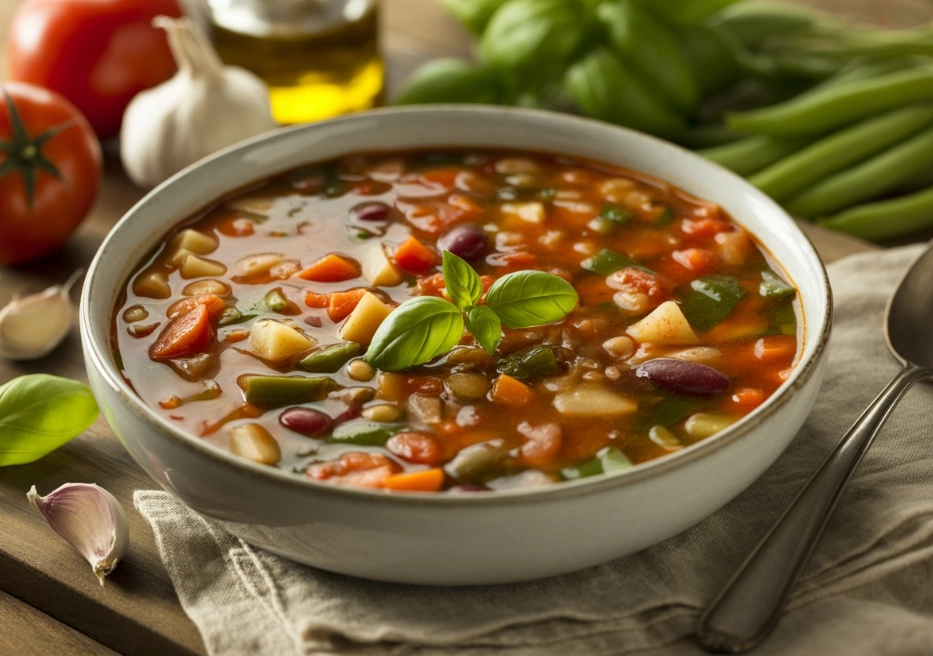
Minestrone Soup Recipe: An Italian Classic Made Simple
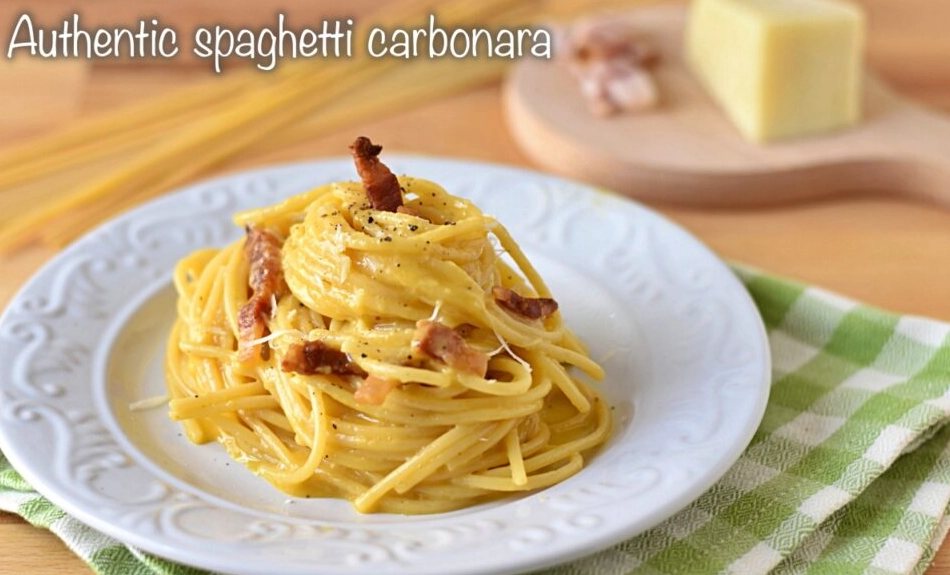
Authentic Carbonara Recipe: The Real Italian Way (No Cream!)

Authentic Italian Zeppole Recipe: Easy Homemade Fried Dough Guide
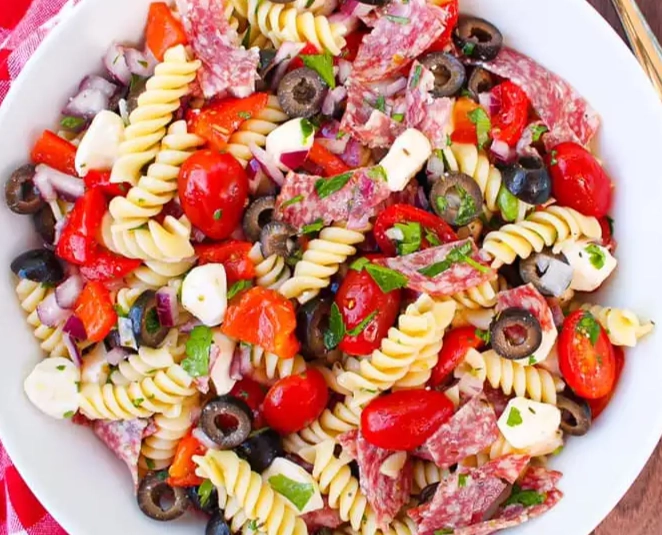
Italian Pasta Salad Recipe: The Ultimate Guide for Perfect Results
Authentic Pasta Carbonara Recipe: The Real Italian Way

Sold out! BYD official: The order is extremely large, the stock price has risen

Restarting private investment|"Caijing" special report
Make-Ahead Italian Appetizers: Stress-Free Recipes & Tips for Any Gathering

Breaking through 1.2 billion kilowatts, China has achieved its commitment to win

Ten-fold stocks appeared! A-shares set off a "price increase", foreign capital b
Leave a Comment