Top 5 Italian Seasonings to Master Authentic Flavor
Let's cut to the chase. If you want to cook Italian food that tastes like it came from a nonna's kitchen, you don't need a cabinet full of exotic spices. You need to master a handful of foundational seasonings. The top 5 Italian seasonings aren't a secret—they're oregano, basil, rosemary, thyme, and garlic. But knowing their names is just the start. The real skill is understanding how to use them, when to use fresh vs. dried, and the common pitfalls that make your pasta sauce taste flat or your roast chicken miss the mark.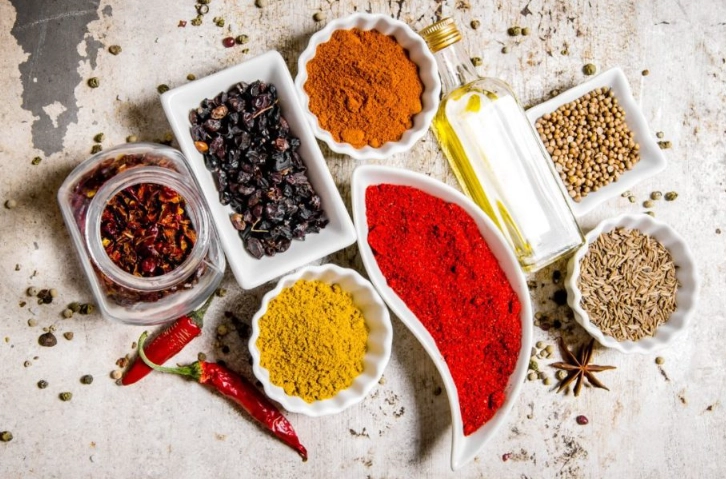
I've spent over a decade cooking, eating, and learning about Italian cuisine, from tiny trattorias in Sicily to family kitchens in Bologna. The biggest mistake I see? People treat "Italian seasoning" like a single ingredient. It's not. It's a conversation between distinct flavors. This guide will break down each of the essential five, not just as a list, but as a toolkit for building authentic flavor from the ground up.
Your Quick Flavor Guide
Understanding Italian Seasoning: More Than Just a Blend
First, a crucial distinction. "Italian seasoning" in a little jar at the store is a pre-mixed blend of dried herbs, usually containing some combination of our top five. It's a convenient shortcut, and I keep one in my pantry for quick weeknight fixes. But relying on it exclusively is like only ever using a pre-made cake mix. You miss the nuance and control.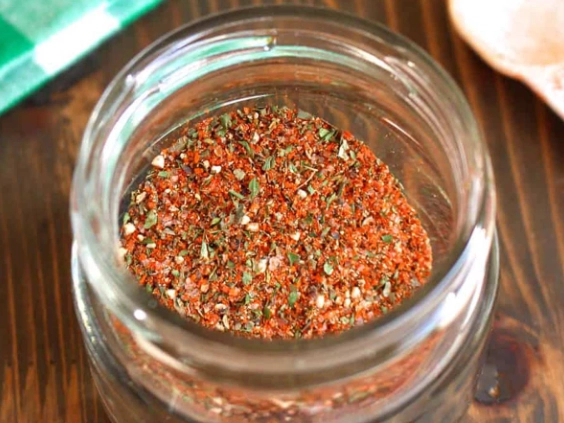
Authentic Italian cooking is regional and seasonal. A sauce from Naples leans heavily on oregano and basil. A stew from Tuscany sings with rosemary and garlic. By understanding each seasoning individually, you gain the flexibility to cook across regions, not just follow a generic "Italian" label. Think of the pre-mixed blend as your training wheels. The individual herbs are your full-speed bicycle.
Expert Tip: Most store-bought "Italian seasoning" blends contain marjoram, which is a milder cousin of oregano. If your blend tastes a bit weak, a pinch of extra dried oregano can often bring back the punch it's missing.
The Essential Five: Your Italian Flavor Foundation
Here’s the deep dive into each of the top 5 Italian seasonings. We’ll go beyond the basic description and into how they actually behave in the pot.
1. Oregano: The Pizza Parlor Powerhouse
If one herb smells like Italian food, it's oregano. It's earthy, slightly bitter, and has a pungent aroma that stands up to long cooking. This is your go-to for tomato-based everything: pizzas, pasta sauces (especially arrabbiata and marinara), and hearty meat dishes.
The Non-Consensus View: Dried oregano is almost always better than fresh for cooked dishes. The drying process concentrates its essential oils, giving it that classic robust flavor. Fresh oregano is lovely in salads or as a finishing touch, but for a simmering pot of sauce, reach for the dried stuff. A common error is using too little, making the sauce taste sweet and one-dimensional rather than complex and savory.
2. Basil: The Fragrant King of Freshness
Basil is the opposite side of the coin. Its sweet, peppery, anise-like flavor is delicate and best added at the end of cooking or used fresh. It’s the soul of pesto Genovese, the perfect finish to a Margherita pizza, and the fragrant lift in a Caprese salad.
Buying & Storing Secret: Avoid those plastic clamshells of wilted basil. Look for vibrant green leaves with no black spots. To keep it fresh, treat it like flowers: trim the stems and place them in a glass of water on your counter, loosely covered with a bag. It'll last for days. Bruising the leaves (like when you tear them for a salad) actually releases more flavor.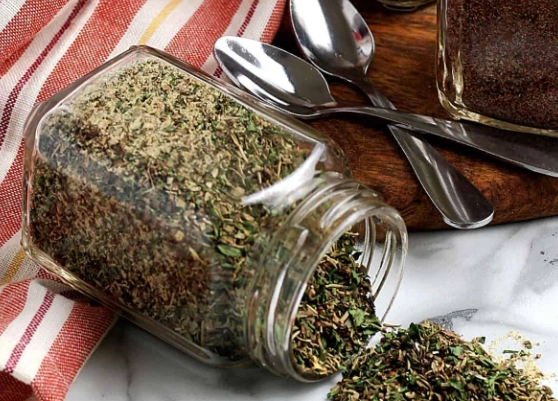
3. Rosemary: The Woody, Resilient Anchor
Rosemary’s piney, sharp fragrance is unmistakable. It's a tough herb, both in flavor and physical form, which means it can handle high heat and long cooking times. It’s perfect for roasting—think potatoes, chicken, lamb, and pork. A few sprigs tucked under the skin of a chicken before roasting is a game-changer.
Pro Technique: Always use rosemary whole (on the stem) for dishes that cook for more than 20 minutes. The needles can be tough and unpleasant to eat. You simply remove the woody stem before serving. For shorter cooks or marinades, you can mince the leaves finely, but be cautious—it's potent.
4. Thyme: The Subtle Workhorse
Thyme is the quiet background singer that makes the whole band sound better. It has a subtle, earthy, slightly floral flavor that complements without dominating. You'll find it in soups, stews (like the classic *spezzatino*), braised meats, and mushroom dishes. It works beautifully with garlic and wine.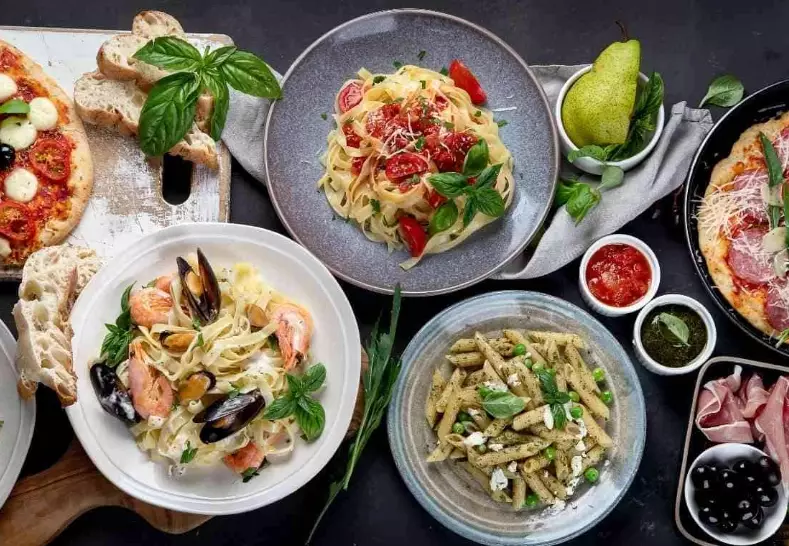
Both fresh and dried thyme are excellent. Dried thyme holds its flavor well. A little trick: when using dried thyme, rub it between your palms as you add it to the dish. This helps release its dormant oils and wakes up the flavor.
5. Garlic: The Pungent Foundation (Yes, It Counts)
Some might argue garlic is a vegetable, not a seasoning. In Italian cooking, that's a distinction without a difference. It is the fundamental aromatic base for countless dishes. The key is to cook it properly. Burnt garlic is bitter and ruins a dish. You want it fragrant and golden, not brown.
The Big Mistake: Adding minced garlic to screaming hot oil. It burns in seconds. Instead, start your garlic in cold or warm oil over low to medium heat, and let it gently sizzle until it just becomes fragrant. For a more subtle flavor, use whole peeled cloves that you remove after they've infused the oil.
| Seasoning | Best Form (Fresh/Dried) | Key Uses | Pro Tip |
|---|---|---|---|
| Oregano | Dried for cooking; Fresh for garnish | Pizza, pasta sauces, grilled meats | Add dried oregano early in cooking to mellow its bitterness. |
| Basil | Fresh (almost always) | Pesto, Caprese, finishing pasta & pizza | Tear, don't chop, to prevent bruising and blackening. |
| Rosemary | Both, but different uses | Roasted meats & vegetables, focaccia | Use whole sprigs for long roasts; remove before serving. |
| Thyme | Both are excellent | Soups, stews, braises, mushrooms | Rub dried thyme between your palms to activate flavor. |
| Garlic | Fresh cloves | Base for sauces, sautés, marinades | Cook low and slow to avoid bitter burnt flavors. |
How to Use and Store Italian Seasonings Like a Pro
Knowing the players is half the battle. The other half is strategy.
The Golden Rule of Dried vs. Fresh: Dried herbs are more concentrated. A standard conversion is 1 part dried to 3 parts fresh. So, if a recipe calls for 1 tablespoon of fresh oregano, use 1 teaspoon of dried. But treat this as a guideline, not a law. Taste as you go.
When to Add Them:
- Dried Herbs (Oregano, Thyme): Add them early in the cooking process, especially for soups, sauces, and braises. They need time to rehydrate and release their flavor into the dish.
- Fresh, Delicate Herbs (Basil, Parsley): Stir them in at the very end of cooking or use as a garnish. Heat destroys their bright flavor and color.
- Fresh, Woody Herbs (Rosemary): These can be added earlier, as they are more resilient. A sprig can simmer in a stew for an hour.
Storage for Maximum Potency: Keep dried herbs in airtight containers, away from light and heat (not right next to the stove!). Most lose significant power after 6-12 months. Write the purchase date on the jar. For fresh herbs, the water glass method for basil works for parsley and cilantro too. Woody herbs like rosemary and thyme can be wrapped in a slightly damp paper towel and stored in a sealed bag in the fridge.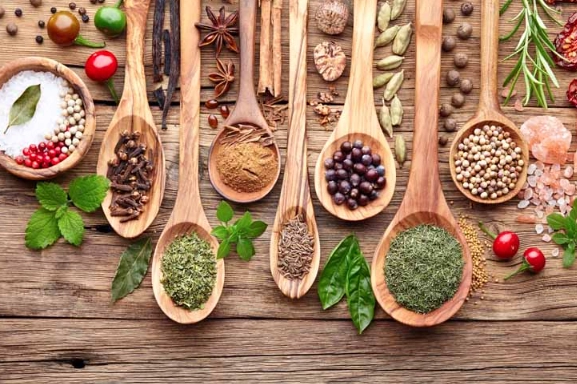
Beyond the Basics: Building Your Italian Pantry
Once you're comfortable with the top 5, you can start expanding your flavor palette. These aren't replacements, but brilliant supporting actors.
Sage: Buttery and slightly peppery. Famous for *Saltimbocca alla Romana* (veal with prosciutto and sage) and brown butter sage sauce for pumpkin ravioli. Use it sparingly; it's strong.
Parsley: Specifically flat-leaf (Italian) parsley. It's not just a garnish. Its clean, grassy flavor is a finish for seafood, pasta, and soups. I always have a bunch in my fridge.
Red Pepper Flakes (Peperoncino): The essential heat. A pinch in hot oil at the start of cooking (like for aglio e olio) infuses the entire dish with a warm, tingling spice.
Bay Leaves (Alloro): A single dried leaf adds a deep, subtle background note to soups, stews, and tomato sauces. Remember to fish it out before serving—it's not edible.
Italian Seasoning FAQs Answered by Experience
Related Articles
Authentic Italian Recipes: Your Ultimate Guide to Mastering Classics at Home
4 Famous Italian Pastas: Types, History & Cooking Guide

Authentic Italian Christmas Cookie Recipes to Bake at Home
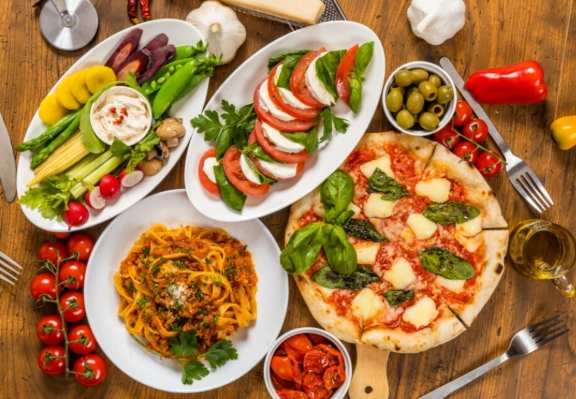
Top 10 Italian Dishes You Must Try: Authentic Flavors Explained
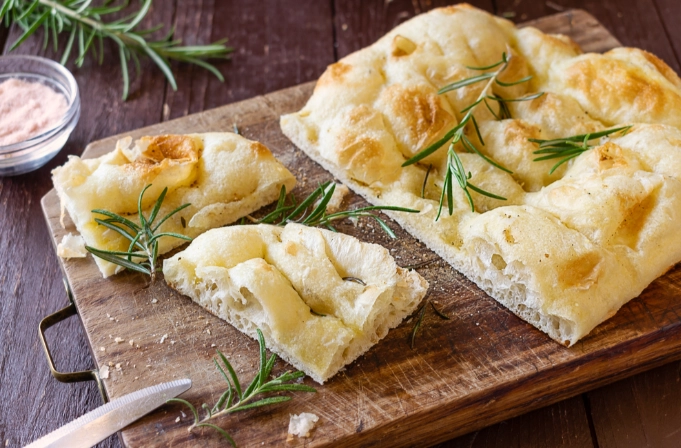
What Are the Most Popular Italian Appetizers? A Complete Guide to Antipasti
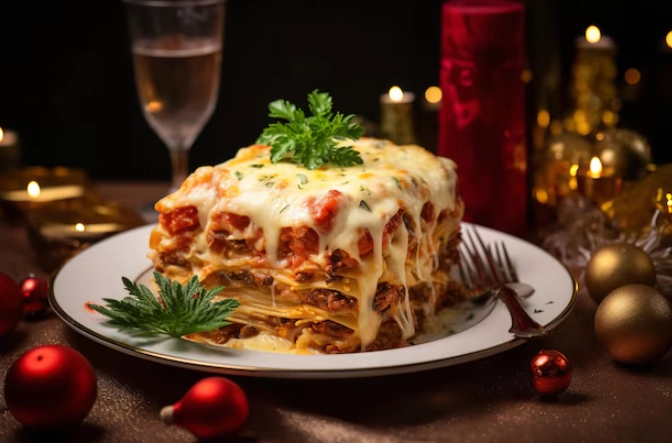
Traditional Italian Holiday Dinner Recipes: A Complete Guide to a Festive Feast
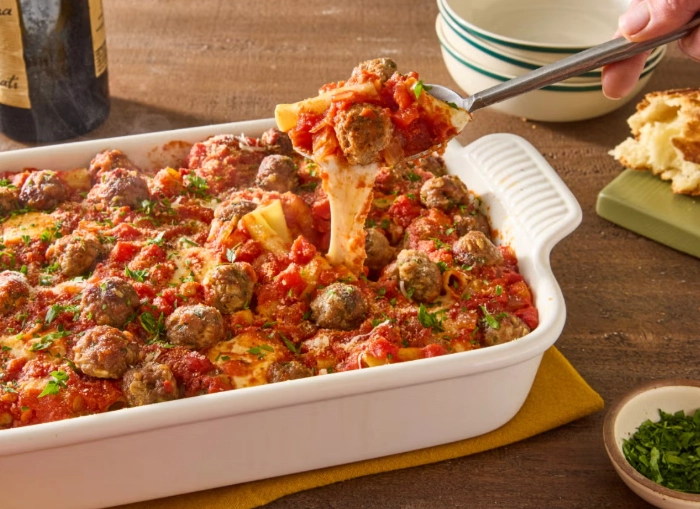
Best Italian Holiday Dinner Recipes: A Complete Menu Guide
Easy Crusty Italian Bread Recipe: Homemade Ciabatta & Focaccia
Master Italian Pasta Recipes: Classics, Regional Gems & Pro Tips
Authentic Italian Regional Recipes: A Guide to Italy's Best Local Dishes
Master Authentic Italian Recipes: The Ultimate Guide to Real Italian Cooking
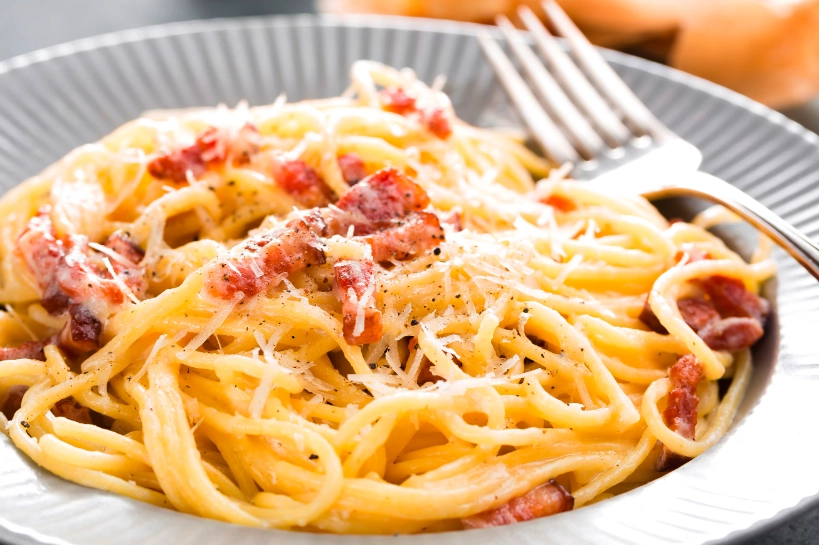
Authentic Pasta Carbonara Recipe: Original Italian Method (No Cream!)

Old Fashioned Italian Cookie Recipes: A Taste of Tradition
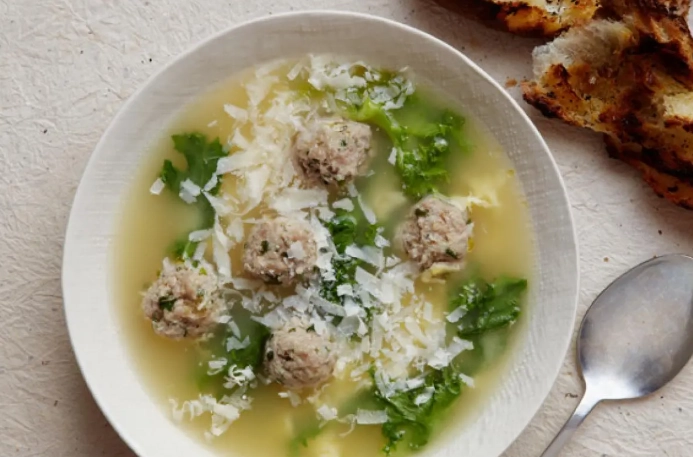
Easy Traditional Italian Wedding Soup Recipe - Authentic & Simple

Top 10 Italian Cookies: A Guide to Italy's Sweetest Treats
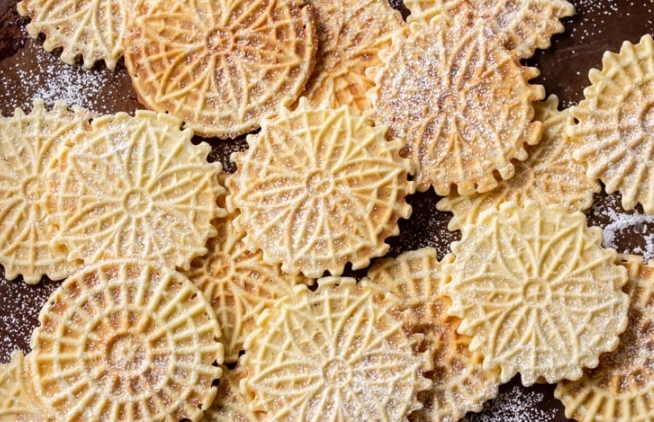
Authentic Italian Pizzelle Recipe with Anise: A Family Tradition
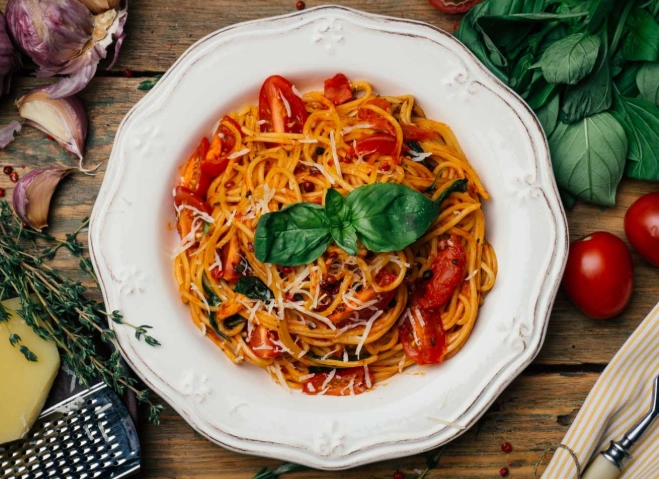
Italy's Most Traditional Dish: The Definitive Guide to Authentic Cuisine
Traditional Southern Italian Recipes: Authentic Dishes & Secrets

Simple Italian Cocktail Recipes: Easy Classics & Modern Twists
Easy Italian Holiday Dinner Recipes: Stress-Free Feasts for Any Celebration

The "half-year report" of the economy of 31 provinces is released: Inner Mongoli

What Are Italian Cookies? A Guide to Classic Types and Recipes
Top 5 Italian Seasonings to Master Authentic Flavor
Easy Braciole Recipe: Authentic Italian Beef Rolls Made Simple
Authentic Carbonara Recipe: How to Make Traditional Italian Pasta
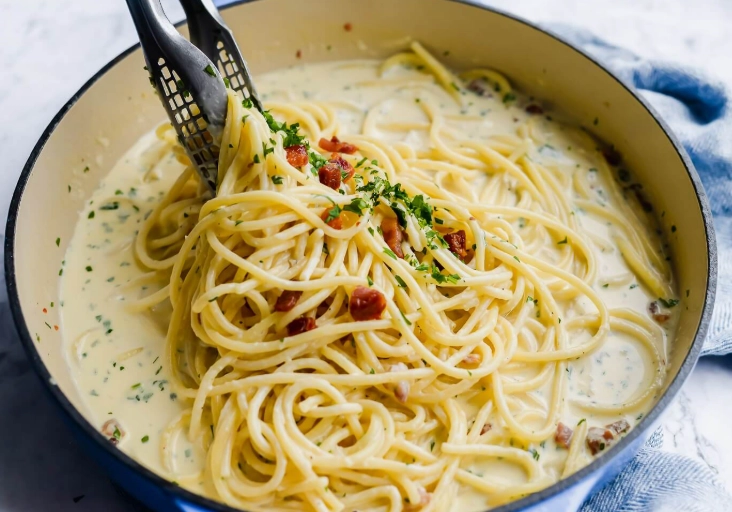
Authentic Carbonara Recipe (No Cream!): The Real Italian Way
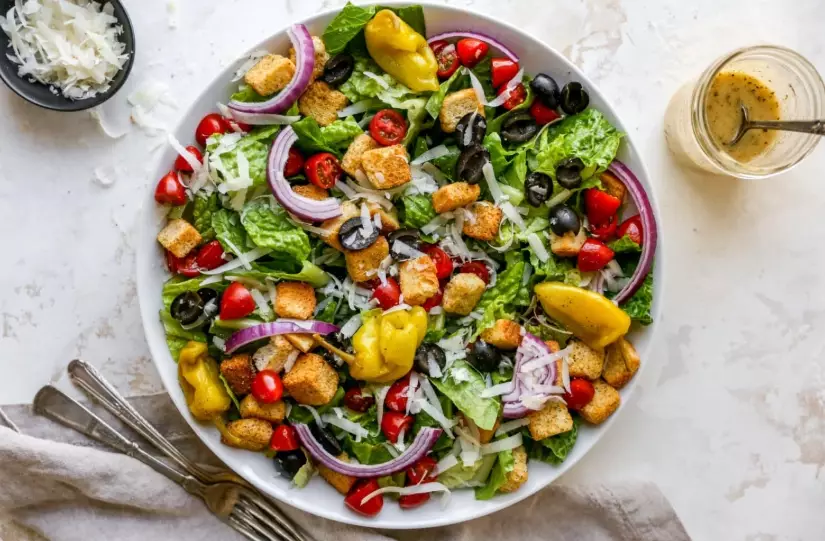
Best Italian Salads You Can Actually Make at Home
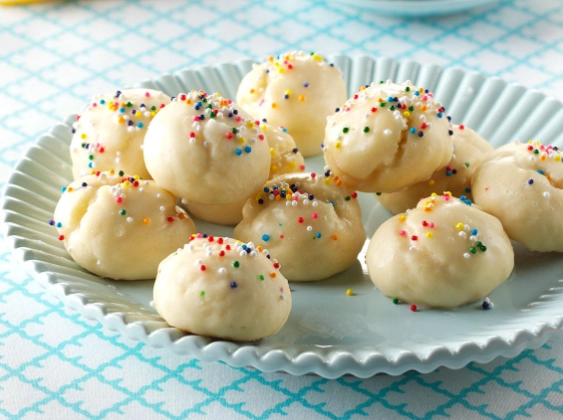
Traditional Italian Cookie Recipes: Biscotti, Amaretti & More

Ultimate Guide to Classic Italian Cookie Recipes: Authentic & Easy
Leave a Comment