Italian Seasoning Substitutes: 8 Easy DIY Blends & Alternatives
You're halfway through making a pasta sauce or sprinkling seasoning on chicken when you realize the jar of Italian seasoning is empty. Don't panic. I've been there more times than I care to admit, especially during my early cooking days. The good news is you almost certainly have everything you need to replace it right in your spice cabinet. Let's break down exactly what Italian seasoning is and how to replicate its flavor with what you've got.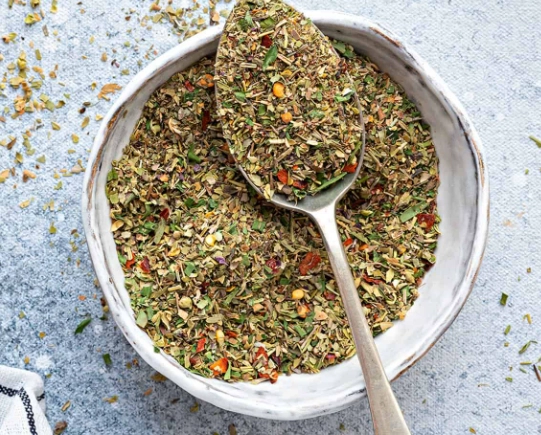
What You'll Find in This Guide
What's Actually in Italian Seasoning?
Think of Italian seasoning not as one specific herb, but as a team. The classic commercial blend, which became popular in the U.S. in the mid-20th century, is a dried herb mix meant to evoke the flavors of the Mediterranean. The core players are almost always oregano, basil, marjoram, rosemary, and thyme. Some blends include sage, savory, or crushed red pepper flakes.
Here's the thing most recipes don't tell you: the balance matters. A cheap blend might be 70% oregano, making it taste one-dimensional and slightly bitter. A good blend has a more even distribution. Knowing this composition is your first step to a successful substitute—you're not looking for one magic bullet, you're assembling a flavor profile.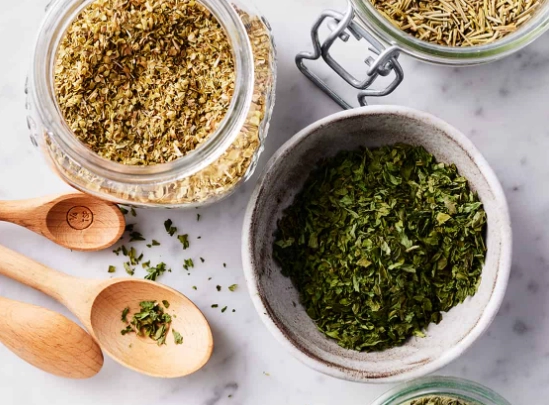
A Quick Note on Fresh vs. Dried
This guide focuses on dried herb substitutes because that's what most people have on hand in a pinch. If you have fresh herbs, that's fantastic! The general rule is 1 tablespoon of finely chopped fresh herb equals 1 teaspoon of dried. Fresh herbs are best added at the end of cooking for maximum flavor.
Option 1: Make Your Own Italian Seasoning Blend (The Best Approach)
If you have 2-3 of the core dried herbs, you can make a superior blend to most store-bought jars. It takes 60 seconds and lets you control the flavor. I find homemade blends taste brighter and less dusty.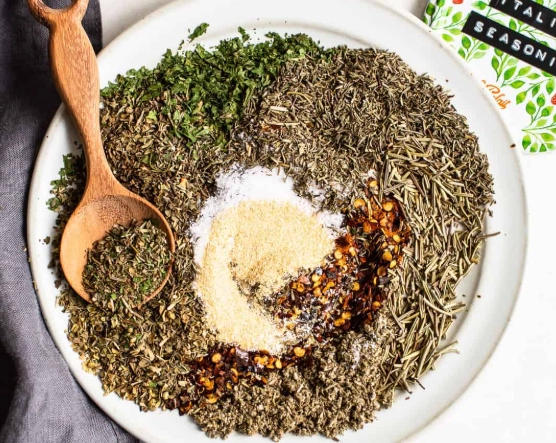
Here are three simple DIY recipes based on what you might have. Use a small bowl and a spoon to mix.
1. The "Classic" 3-Ingredient Blend
This is your most reliable quick fix. It captures the essential Italian flavor.
- 2 tablespoons dried oregano
- 1 tablespoon dried basil
- 1 tablespoon dried thyme (or marjoram if you have it)
How to use it: Use this 1:1 in place of Italian seasoning. It's perfect for meatballs, tomato sauces, and dressings.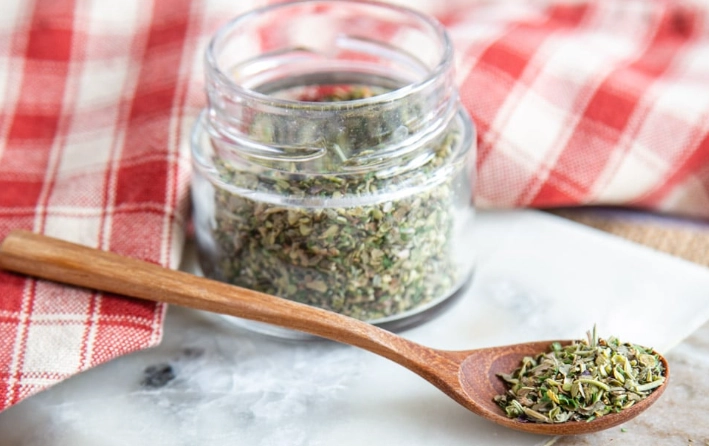
2. The "Sun-Dried" Mediterranean Blend
This one is a bit more aromatic and sweet, great for chicken, fish, or roasted vegetables.
- 1 tablespoon dried oregano
- 1 tablespoon dried basil
- 1 teaspoon dried rosemary (crushed finely between your fingers)
- 1 teaspoon dried parsley
- ½ teaspoon garlic powder (optional, but adds depth)
How to use it: Also a 1:1 substitute. The rosemary adds a piney note that makes it feel more complex.
3. The "Tuscan" Herb Rub
This is my go-to for rubbing on pork chops or mixing into breadcrumbs for chicken cutlets. It's savory and robust.
- 1 tablespoon dried sage
- 1 tablespoon dried thyme
- 1 teaspoon dried marjoram or oregano
- ½ teaspoon black pepper
How to use it: Start with ¾ of the amount of Italian seasoning your recipe calls for, as sage can be potent. Taste and adjust.
A Common Mistake to Avoid
Don't just dump in equal parts of every dried herb you own. I made this error once, adding hefty amounts of dried rosemary and sage to a delicate piccata sauce. The result was overpowering and almost medicinal. Less is often more. Start with the blends above, which are balanced.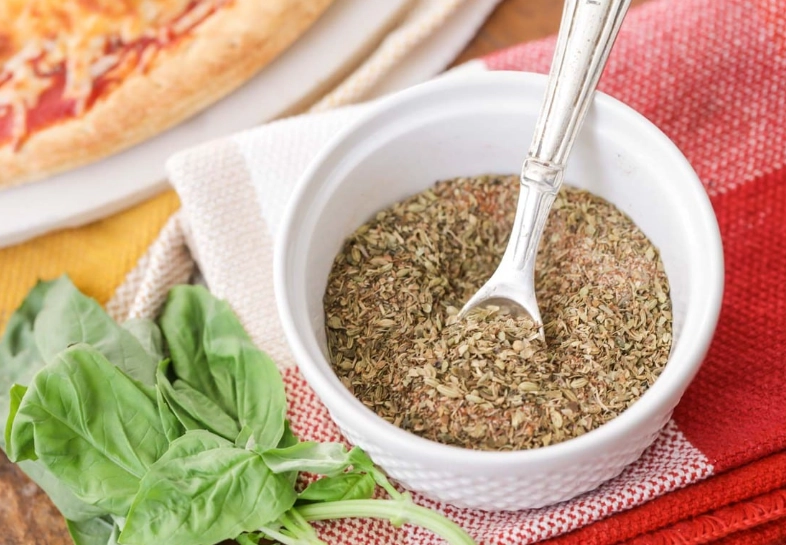
Option 2: Quick Single-Herb Substitutes
Maybe you're really low on supplies and only have one or two herbs. That's okay. One well-chosen herb can often stand in for the whole team in a pinch. The key is to pick one that matches the dish.
Dried Oregano: This is your number one, most versatile single substitute. It's the backbone of most Italian seasoning blends. Use it 1:1. Its slightly bitter, pungent flavor works in tomato-based sauces, on pizza, and in marinades. If you only have one Italian herb, hope it's this one.
Dried Basil: Basil brings a sweet, slightly minty flavor. It's a great single substitute for pestos, pasta sauces, and dishes with mozzarella or eggplant. Use it 1:1. Just know that dried basil loses a lot of its magic compared to fresh, so it can taste a bit flat on its own.
Dried Thyme: Thyme is earthy and subtle. It's an excellent choice for soups, stews, braised meats, or mushroom dishes where you want an herby note without overpowering. Use it 1:1.
Herbes de Provence: This French blend is a fantastic under-the-radar substitute. It contains many similar herbs like thyme, basil, rosemary, and oregano, plus lavender and fennel. The lavender can be surprising, so it works best in roasted meat or vegetable dishes, not necessarily in a simple marinara. Use it 1:1.
Pizza Seasoning: Check your spice rack. Many pizza seasoning blends are essentially Italian seasoning with added garlic, onion, and sometimes fennel seed. It's a nearly perfect 1:1 swap for most savory applications.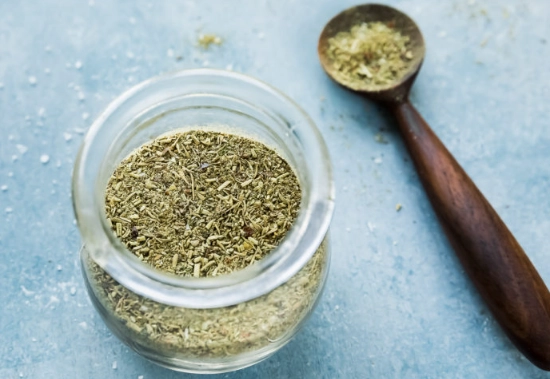
Italian Seasoning Substitution Cheat Sheet
| What You Have | Best Used For | How Much to Use | Notes |
|---|---|---|---|
| DIY 3-Ingredient Blend (Oregano, Basil, Thyme) | All-purpose: sauces, meats, dressings | 1:1 replacement | Your most reliable homemade option. |
| Dried Oregano Alone | Tomato sauces, pizza, Greek dishes | 1:1 replacement | The single best standalone substitute. |
| Herbes de Provence | Roasted meats, chicken, vegetables | 1:1 replacement | Avoid in delicate cream or tomato sauces due to lavender. |
| Dried Basil Alone | Pesto, caprese-style dishes, pasta | 1:1 replacement | Dried basil can be mild; add a pinch more if needed. |
| Pizza Seasoning | Any savory Italian dish | 1:1 replacement | Check the label for added salt or garlic. |
| Fresh Herb Mix (Oregano, Basil, Thyme) | Finishing dishes, salads, bruschetta | 1 tbsp fresh mix per 1 tsp dried blend | Add at the very end of cooking. |
Your Italian Seasoning Questions Answered
I'm making pizza sauce and have no Italian seasoning. What's my fastest fix?
Reach for dried oregano first. Sprinkle in about ¾ of the amount of Italian seasoning the recipe asks for, along with a small pinch of dried basil or thyme if you have it. For a more complete flavor, add a tiny pinch of garlic powder and crushed red pepper flakes. The oregano provides the core "pizza shop" aroma that defines the sauce.
Can I use fresh herbs from my garden instead of a dried substitute?
Absolutely, and it will likely taste better. Chop equal parts fresh oregano, basil, and parsley (or thyme) finely. Since fresh herbs are less concentrated, use triple the amount. For example, if the recipe calls for 1 teaspoon of dried Italian seasoning, use 1 tablespoon of your fresh herb mix. Crucial tip: stir fresh herbs in during the last minute of cooking or as a garnish. Cooking them too long dulls their flavor and vibrant color.
My store-bought Italian seasoning tastes like nothing. Did I get a bad jar?
Probably. Dried herbs have a shelf life of about 1-2 years before they lose potency. That jar might have sat in a warehouse or on the shelf for too long. Always smell your dried herbs. If they lack a distinct aroma, they're stale. This is the best argument for making small batches of your own blend—you know it's fresh. The Spice House, a reputable online retailer, notes that proper storage away from heat and light is key to longevity.
So, the next time you're facing an empty Italian seasoning jar, remember it's not a crisis. It's a chance to get creative with your spice rack. Start with oregano, build a simple blend, or try that jar of Herbes de Provence you forgot about. You might just create a new favorite flavor combination that makes the dish uniquely yours.
Related Articles
Easy Chicken Pasta Recipes for Busy Weeknights
Authentic Carbonara Recipe (No Cream!): The Real Italian Way

Ground Italian Sausage Recipes: The Ultimate Guide for Easy & Flavorful Dinners
Simple Italian Holiday Dinner Recipes: Effortless & Authentic Feasts
Authentic Italian Stromboli Recipe: Easy Homemade Guide for Perfect Results
Top 10 Italian Dishes Veg: Best Vegetarian Pasta & Mains Guide
Classic Italian Bread Recipe: Authentic & Easy Homemade Loaf

Amazon on the fire
Ultimate Vegetarian Pasta Recipes: Flavorful & Easy

Rescue the market requires real money, not IPO suspension
Authentic Italian Spaghetti Sauce Recipe (Ragù alla Bolognese)
Authentic Italian Vegetarian Recipes: Classics Made Simple & Delicious
Top 10 Italian Pasta Dishes: A Guide to Classics
The Ultimate Italian Sandwich Recipe: A Step-by-Step Guide
Authentic Italian Salad Dressing Recipe: Easy, Zesty & Homemade
Easy Original Pizzelle Recipe: Classic Italian Waffle Cookies
How to Make Perfect Italian Polenta: Creamy, Grilled & Fried Recipes
Italian Sauce Recipe: Secrets from a Nonna's Kitchen
Authentic Pasta Carbonara Recipe: Original Italian Method (No Cream!)
Italian Meatloaf Recipe: The Ultimate Comfort Food Guide

Paris Notes 10: Visiting Galeries Lafayette, more than half of the "saleswomen"
Ultimate Italian Margarita Recipe: How to Make the Perfect Amaretto Sour Twist
Zesty Italian Dressing Recipe: Easy Homemade Guide
Pasta Recipes: A Complete Guide from Beginner to Pro
Ultimate Guide to Homemade Italian Sausage Recipe (Sweet & Spicy)
Easy Italian Holiday Dinner Recipes: Stress-Free Feasts for Any Celebration

The medium-sized trap of Internet companies

Authentic Italian Zeppole Recipe: Easy Homemade Fried Dough Guide
Make-Ahead Italian Appetizers: Stress-Free Recipes & Tips for Any Gathering
Leave a Comment