What’s in Italian Seasoning? A Complete Guide to Herbs and Spices
You've seen it in every grocery store aisle: a little jar labeled "Italian Seasoning." You've probably sprinkled it on chicken, stirred it into pasta sauce, or wondered if it's the magic key to making your food taste like it came from a trattoria in Rome. But what's actually in there? Is it just a random mix of green flakes, or is there a standard formula? Let's clear the air. Italian seasoning is a classic dried herb blend built on a core of Mediterranean flavors. At its heart, you'll almost always find oregano, basil, marjoram, thyme, and rosemary. Sometimes there's sage, sometimes a bit of red pepper flake or garlic powder. But the exact recipe? That's where things get interesting, and where you can take control.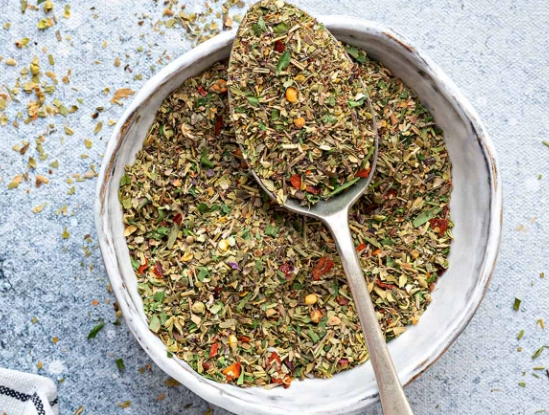
Your Quick Guide to Italian Seasoning
- The 5 Core Ingredients in Italian Seasoning
- Common Additions and Regional Twists
- How to Make Your Own Italian Seasoning (Better Than Store-Bought)
- How to Use Italian Seasoning: The Right Way and The Wrong Way
- Buying Guide: What to Look For (and Avoid) at the Store
- Your Italian Seasoning Questions, Answered
The 5 Core Ingredients in Italian Seasoning
Think of these as the non-negotiable members of the band. If one's missing, the harmony is off. Most commercial blends and authentic homemade recipes revolve around these five dried herbs.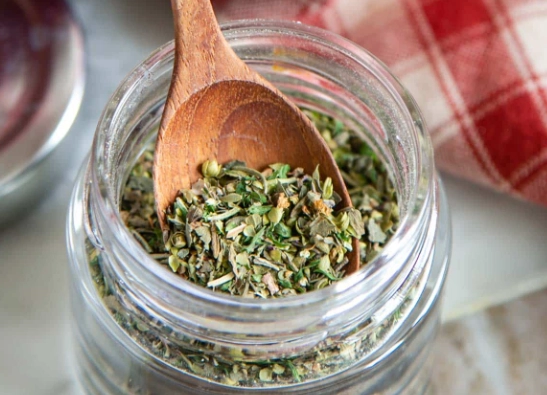
| Herb | Flavor Profile | Why It's Essential |
|---|---|---|
| Oregano | Pungent, earthy, slightly bitter, peppery. | The backbone. It's the most dominant flavor in most blends and is synonymous with Italian-American cuisine. |
| Basil | Sweet, peppery, with hints of anise and mint. | Provides sweetness and aroma. Dried basil is milder than fresh but crucial for that "Italian" fragrance. |
| Marjoram | Sweet, floral, citrusy, and delicate. | Oregano's sweeter cousin. It rounds out oregano's sharpness and adds complexity. Often the "secret" ingredient people can't place. |
| Thyme | Earthy, minty, slightly lemony. | Adds a subtle, grounding depth. It works in the background to tie the brighter herbs together. |
| Rosemary | Piney, woody, sharp, and camphorous. | Used sparingly. It brings a robust, aromatic punch that stands up to long cooking times, perfect for roasts and braises. |
A lot of store-bought mixes get the proportions wrong, in my opinion. They often overdo the rosemary because its needles look distinctive, making the blend taste like a pine tree fell into your soup. The key is balance, not dominance.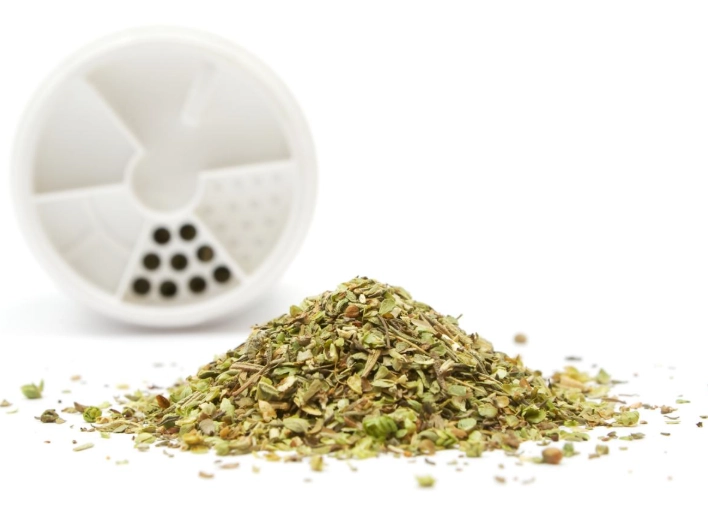
Common Additions and Regional Twists
Once you have the core five, variations come into play. These additions reflect different regional Italian styles or simply a desire for more flavor layers. You won't find "Italian Seasoning" as a single concept in Italy—herbs are used fresh and regionally. But in the diaspora and in our pantries, these extras are common.
- Sage: Adds a warm, slightly bitter, eucalyptus-like note. Fantastic in sausage seasoning and for hearty bean dishes.
- Savory: Less common, but it's a peppery, thyme-like herb that pops up in some blends.
- Garlic Powder or Granules: A huge time-saver for American home cooks. It adds instant savory depth. I prefer granules—they're less likely to clump.
- Onion Powder: The sweet counterpart to garlic powder, building a savory foundation.
- Red Pepper Flakes (Crushed Red Pepper): Just a pinch. It doesn't make the blend "spicy," but it adds a warm, tingling background heat that wakes up the other flavors.
- Dried Parsley: Mostly for color and a faint grassy note. It's a filler in cheaper blends, honestly.
- Fennel Seeds (Crushed): This is a game-changer for anyone making meatballs, sausage, or tomato sauces. That distinct, sweet licorice flavor is classic in Southern Italian cooking.
Here's a personal gripe: Many mass-produced brands use ground herbs or powder to cut costs and extend shelf life. This is a disaster for flavor. The essential oils that give herbs their aroma evaporate almost instantly when ground too fine. You're left with dust that tastes like hay. Always look for blends with visible, flaky leaves and whole or cracked seeds.
How to Make Your Own Italian Seasoning (Better Than Store-Bought)
This is where you win. Making your own blend takes 5 minutes, costs less, and tastes infinitely better. You control the quality, the proportions, and you can customize it. I've been tweaking this base recipe for a decade.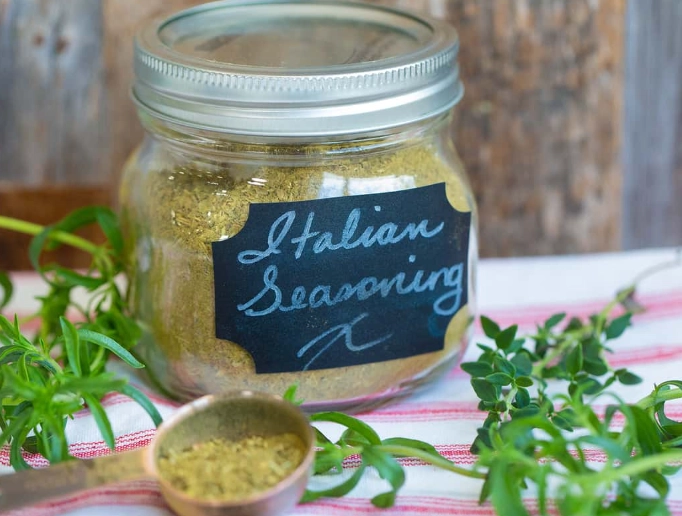
My Go-To Homemade Italian Seasoning Recipe
Yield: About 1/2 cup (enough to fill a standard spice jar).
What you need: A small bowl, a measuring spoon, and an airtight jar.
The Formula (Parts by Volume):
- 2 parts dried oregano
- 2 parts dried basil
- 1 part dried marjoram
- 1 part dried thyme
- 1/2 part dried rosemary (crushed slightly between your fingers)
- Optional but recommended: 1/2 part garlic granules, 1/4 part onion powder, a big pinch of red pepper flakes, 1/4 part crushed fennel seeds.
How to do it: Literally, just put everything in the bowl and stir it with a fork or your fingers. That's it. No grinding. Store it in a cool, dark place. The flavor will be vibrant for about 3-4 months.
Why this works: The 2:2:1:1:0.5 ratio ensures oregano and basil lead, supported by marjoram and thyme, with rosemary as a background singer. It's balanced. No single herb shouts over the others.
But what if you don't have marjoram? It's okay. Skip it. Your blend will be simpler, but still good. The beauty of DIY is adaptation.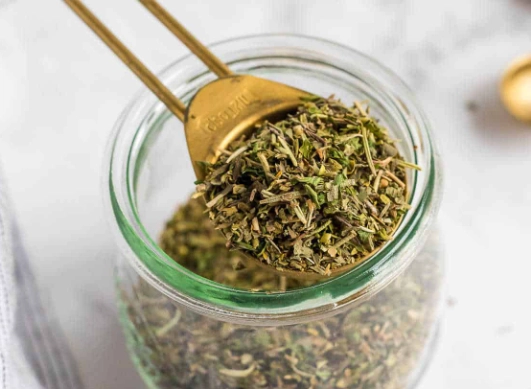
How to Use Italian Seasoning: The Right Way and The Wrong Way
This is the part most recipes don't tell you. Dried herbs need time and fat to release their flavor. Sprinkling them on a finished dish just gives you dry leaves on your food.
The Right Way (Unlock the Flavor)
Bloom it in oil. This is the #1 pro tip. Before you add tomatoes, broth, or other liquids to your pan, sauté your Italian seasoning in olive oil or butter for 30-60 seconds over medium heat. You'll smell the aroma explode. This heat activates the oils trapped in the dried herbs, transforming them from dusty to fragrant.
Add it early in wet cooking. For soups, stews, and sauces, add the blend at the same time you add onions and garlic. Let it simmer with the dish.
Mix it into binders. For meatballs, meatloaf, or veggie burgers, mix the seasoning directly into the breadcrumbs, egg, and meat mixture. It distributes evenly and cooks throughout.
The Wrong Way (Common Mistakes)
Adding it at the end. As mentioned, this does almost nothing.
Using it as a 1:1 substitute for fresh herbs. They're different ingredients. Dried herbs are more concentrated but lack the bright, green notes of fresh. If a recipe calls for 1 tbsp of fresh chopped basil, use about 1 tsp of your Italian blend, and add it while cooking, not at the end.
Storing it next to the stove. Heat, light, and moisture are the enemies of dried herbs. That cute rack by the stove? It's killing your spice's flavor every day. Keep it in a cupboard.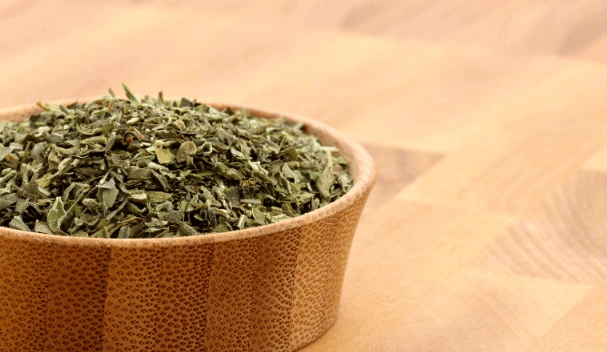
Buying Guide: What to Look For (and Avoid) at the Store
If you're not making your own, you can still make a smart choice. Here’s what I check when I'm in a pinch.
- Look at the ingredient list. It should read like a recipe: oregano, basil, marjoram, thyme, rosemary, etc. Avoid lists with "spices" or "natural flavors" as vague entries.
- Avoid "powder." Choose "rubbed" or "crushed" leaves. You want to see distinct flakes in the jar.
- Check the color. It should be a mix of greens (oregano, basil) and grey-greens (thyme, rosemary). If it's a uniform dull army green or brown, it's old or over-processed.
- Smell it (if possible). A good blend will have a fragrant, complex aroma even through the glass. A stale one smells like nothing or just like dust.
- Consider buying individual organic herbs from the bulk section and mixing them yourself. This is often fresher and cheaper per ounce than a pre-mixed jar.
Resources like the USDA's food composition database can give you dry data on herb shelf life, but your nose is the best tool. If it doesn't smell like anything, it won't taste like anything.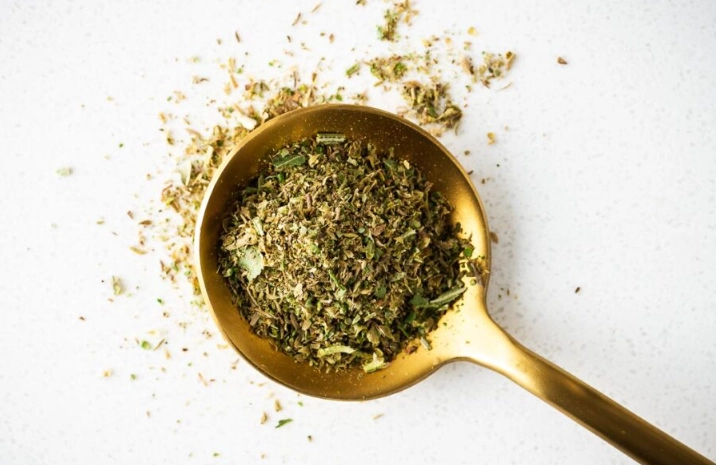
Your Italian Seasoning Questions, Answered
Related Articles
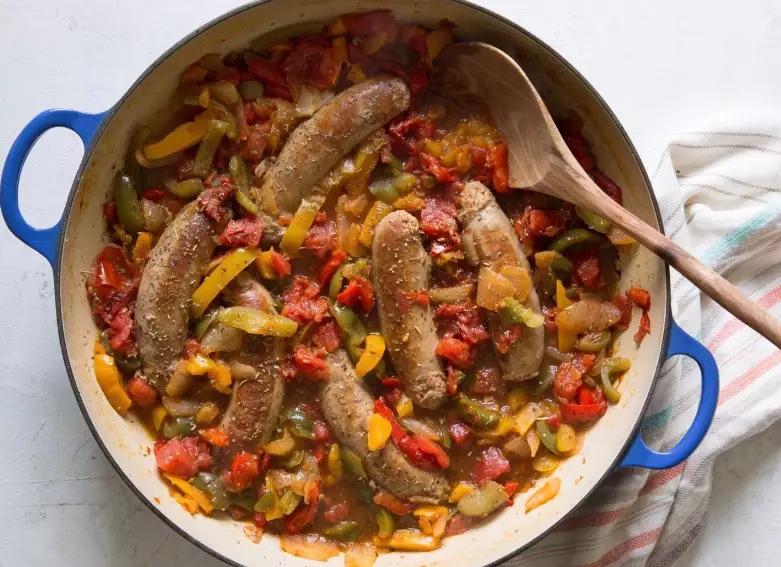
Sweet Italian Sausage Recipes: From Classic Pasta to Creative Feasts

What Side Dishes to Serve with Sausage? 15 Perfect Pairings & Recipes
Authentic Italian Carbonara Recipe: The Only Guide You'll Ever Need
Authentic Italian Sausage Recipe: Tips from a Butcher
Homemade Italian Ice Recipe: Smooth, Grain-Free & Authentic
Italian Sausage Dinner Recipes: Easy, Flavorful Family Meals
Traditional Italian Pasta Sauces: A Complete Guide to the Classics
Ultimate Guide to Best Italian Appetizer Recipes for Any Occasion
The Ultimate Guide to Authentic Italian Meatballs: A Family Recipe
Master Italian Pasta Recipes: Classics, Regional Gems & Pro Tips
Authentic Italian Regional Recipes Guide: Cook from Source
Authentic Italian Meatballs Recipe: Tender, Juicy & Full of Flavor

Authentic Italian Zeppole Recipe: Easy Homemade Fried Dough Guide
Italian Seasoning in Minestrone Soup: The Authentic Herb Blend Explained
Authentic Italian Meatballs Recipe: Nonna's Secret for Tender & Flavorful Polpette

Authentic Italian Stromboli Recipe: Easy Homemade Guide for Perfect Results
5 Traditional Italian Dishes: Authentic Recipes & Where to Try Them
Italian Lasagna Recipe: Authentic Homemade Lasagna Guide
Master the Classics: The Best Italian Recipes You Need to Know

Is Xiaomi Auto dumped?
Authentic Italian Family Meal Recipes: From Antipasti to Dolce
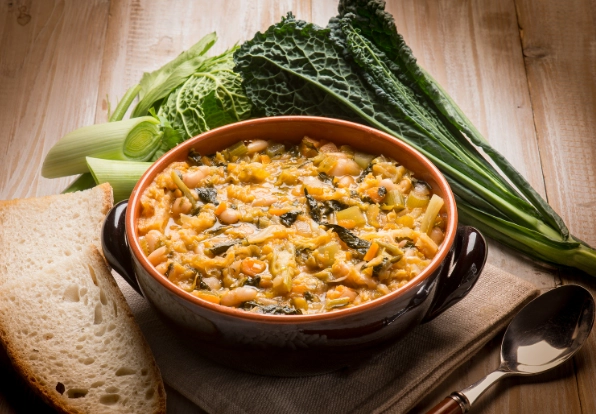
Authentic Italian Peasant Food: Simple Recipes & Where to Eat

Two 1 billion US dollars of large model financing, Internet giants are starting
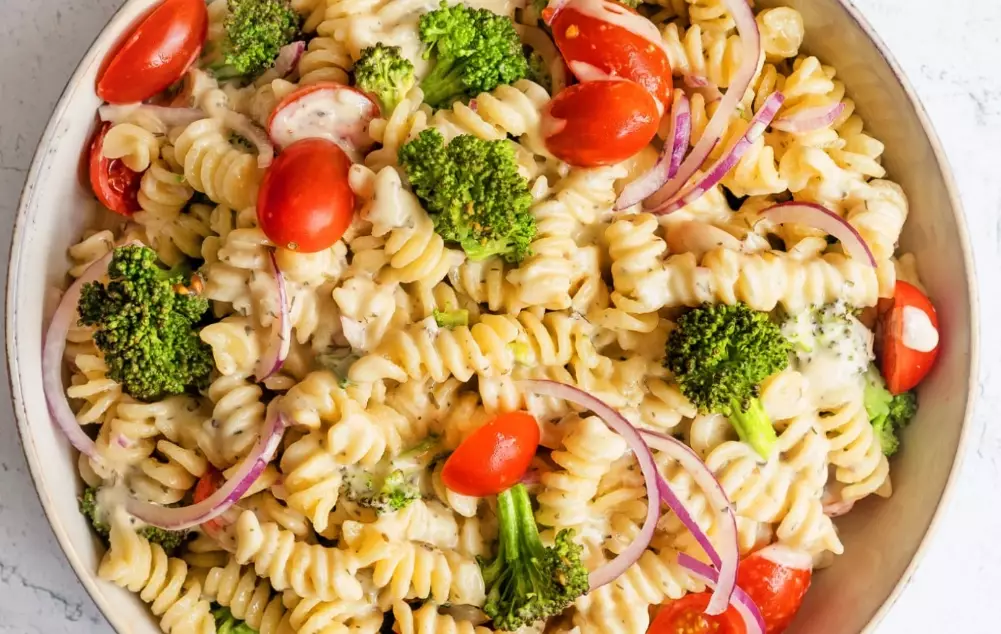
Easy Pasta Salad Recipes with Italian Dressing for Crowd-Pleasing Meals
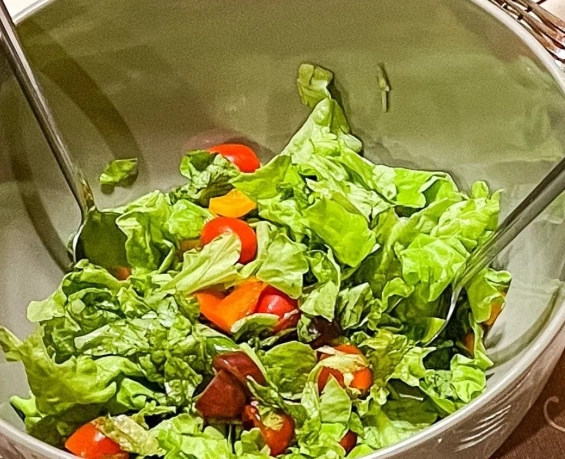
Simple Italian Green Salad Recipe & Authentic Dressing Tips
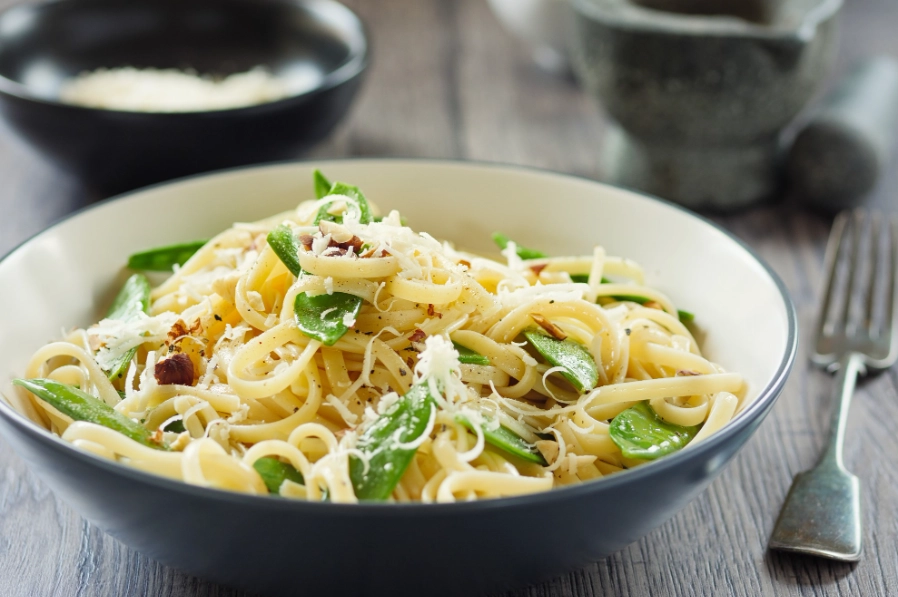
Mastering Homemade Italian Pasta: A Complete Guide to Fresh Pasta Recipes
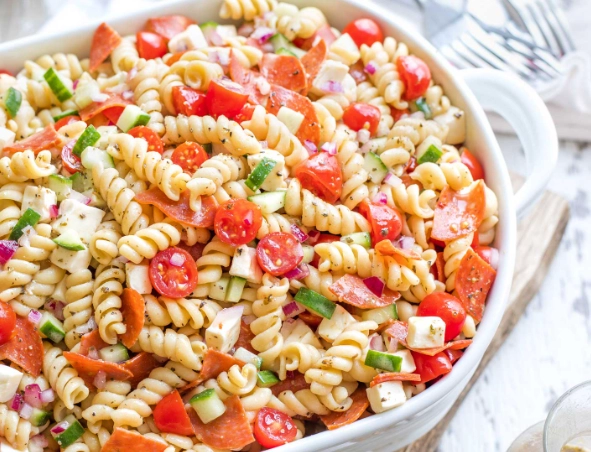
Authentic Italian Pasta Salad Recipe: Easy & Flavorful

Authentic Italian Christmas Cookie Recipes to Bake at Home

Pinduoduo invested 10 billion to support new quality merchants, and continued to
Leave a Comment