Italian Herb Blend vs Italian Seasoning: Key Differences Explained
If you've ever stood in the spice aisle, staring at jars labeled "Italian herb blend" and "Italian seasoning," wondering if they're interchangeable, you're not alone. I've been there—years ago, I ruined a batch of tomato sauce by assuming they were the same. The truth is, while they share similarities, the differences matter more than you might think, especially if you're aiming for authentic Italian flavors. Let's cut through the confusion: Italian herb blend typically refers to a mix of dried herbs like oregano, basil, and thyme, often without added salt or spices, while Italian seasoning usually includes those herbs plus garlic powder, onion powder, and sometimes red pepper flakes or salt. But it's not that simple; brands vary wildly, and your cooking goals should dictate your choice.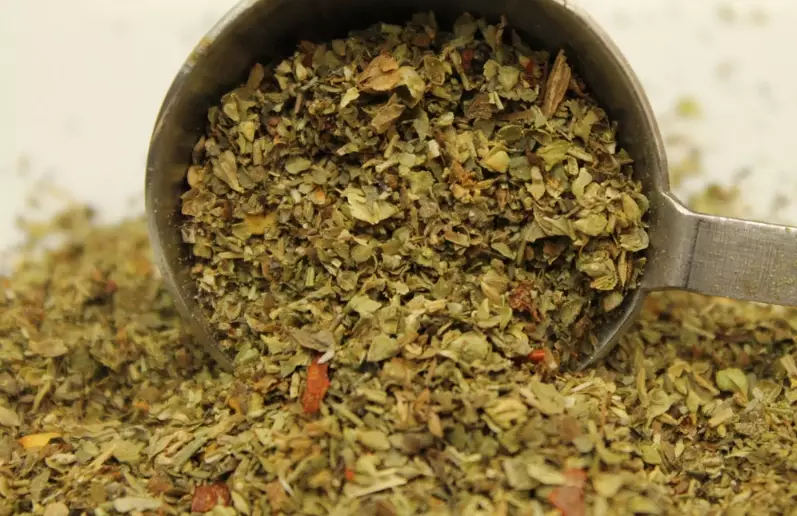
What You'll Find Inside
What Exactly Is an Italian Herb Blend?
An Italian herb blend is essentially a curated collection of dried herbs that are staples in Italian cuisine. Think of it as the foundation—the pure, aromatic elements that give dishes their Mediterranean soul. When I first started cooking, I assumed all blends were created equal, but after tasting dozens, I realized the quality hinges on the herb ratios and sourcing.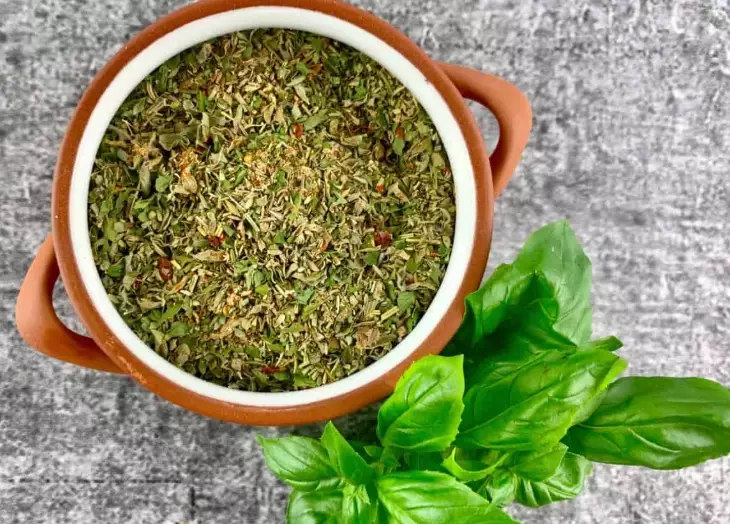
Common Components and Proportions
Most Italian herb blends focus on three core herbs: oregano, basil, and thyme. Oregano brings that earthy, slightly bitter punch—it's the backbone. Basil adds sweetness and a hint of anise, while thyme contributes a subtle, woody note. Some blends toss in rosemary or marjoram for complexity, but I've found that simpler mixes often perform better in delicate sauces. For instance, a blend I love from a local artisanal shop uses 40% oregano, 30% basil, 20% thyme, and 10% rosemary. Compare that to a mass-produced brand I tried recently; it was heavy on basil and tasted flat, almost dusty.
Here's a quick breakdown of typical ingredients:
- Oregano: Dominant in most blends; look for Greek or Mediterranean varieties for more intensity.
- Basil: Sweet and fragrant; avoid blends where it's overly crushed, as it loses potency fast.
- Thyme: Adds depth; I prefer lemon thyme in blends for a brighter touch.
- Rosemary: Optional but common; use sparingly—it can overpower if not balanced.
- Marjoram: Sometimes included; it's milder than oregano and works well in soups.
According to the American Spice Trade Association, dried herb blends should be stored in cool, dark places to preserve flavor, but many commercial products sit on shelves for months, degrading quality. That's why I often make my own—it's cheaper and lets me control the freshness.
Defining Italian Seasoning: More Than Just Herbs
Italian seasoning takes the herb blend concept and amps it up with additional flavor boosters. It's designed to be a one-stop shop for seasoning, often including spices and sometimes salt. I learned this the hard way when I used a seasoning mix in a bruschetta recipe and ended up with a salty, garlicky mess that overshadowed the fresh tomatoes.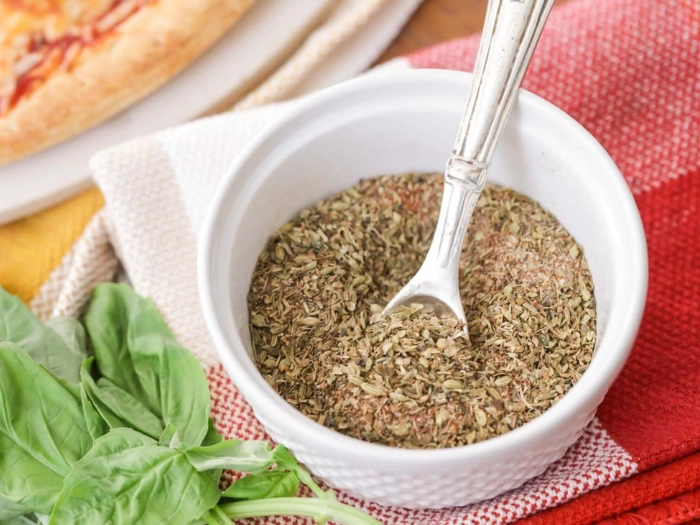
Standard Recipe and Variations
A typical Italian seasoning might contain the same herbs as a blend—oregano, basil, thyme—but adds garlic powder, onion powder, and occasionally red pepper flakes or parsley. Some brands even mix in salt or sugar, which can throw off your dish if you're not careful. For example, a popular supermarket brand I tested listed salt as the second ingredient, making it useless for low-sodium cooking. In contrast, a premium brand from an online retailer focused on herbs first, with just a hint of garlic.
Let's say you're making a quick pasta dish. Italian seasoning can save time because it layers flavors, but you need to taste as you go. I recall a friend who dumped a whole tablespoon into a marinara sauce without checking; it turned out too spicy due to hidden red pepper flakes. Always read the label—ingredients vary more than you'd expect.
Key Differences: Italian Herb Blend vs Italian Seasoning
This is where things get practical. The main difference boils down to composition: herb blends are pure herbs, while seasonings are herb-spice combos. But the impact on your cooking is significant. I've seen home cooks swap them blindly and end up with unbalanced flavors.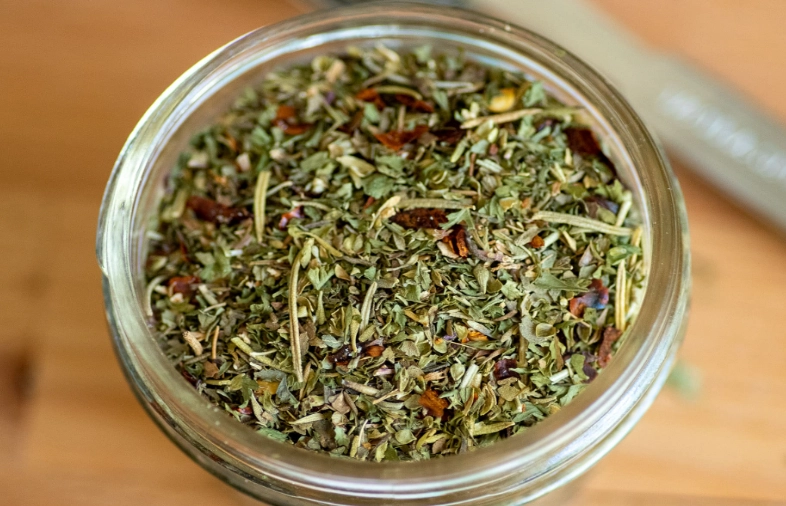
| Aspect | Italian Herb Blend | Italian Seasoning |
|---|---|---|
| Primary Ingredients | Dried herbs (oregano, basil, thyme) | Herbs plus spices (garlic, onion, red pepper) |
| Salt Content | Usually none | Often included, sometimes high |
| Best For | Subtle, herb-forward dishes | Bold, all-in-one seasoning |
| Flexibility | High—you can add other spices | Lower—may overpower if adjusted |
| Common Use Case | Fresh sauces, salads, roasting veggies | Marinades, rubs, quick weeknight meals |
Notice how the herb blend shines in applications where you want the herbs to sing. Last summer, I used a blend on grilled zucchini—just a sprinkle with olive oil—and it was phenomenal. The seasoning, though, worked better for a chicken marinade where I needed garlic and heat without extra prep.
Pro Tip from a 10-Year Cook: Many recipes online call for "Italian seasoning" generically, but if you're following an authentic Italian recipe from a source like GialloZafferano (a renowned Italian food site), they often mean a simple herb mix without additives. Always cross-check the ingredient list in the recipe.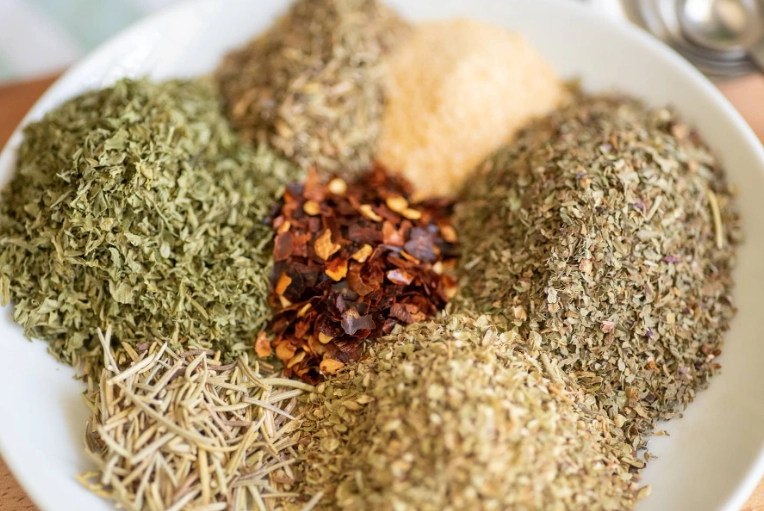
How to Choose Based on Your Cooking Scene
Your choice should depend on what you're making. Let's walk through some concrete scenarios—this isn't just theory; it's about getting dinner on the table with confidence.
Scenario 1: Homemade Tomato Sauce for Pasta
If you're simmering a sauce from scratch, go for an Italian herb blend. Why? You'll likely add garlic and onions separately, so the blend provides herbal depth without duplication. I made a sauce last week with a blend of oregano, basil, and a pinch of thyme—it tasted clean and vibrant. Using a seasoning here might double up on garlic and make it too intense.
Scenario 2: Grilled Chicken or Fish
Italian seasoning is your friend here. The added spices create a crusty, flavorful coating. For a quick dinner, I mix seasoning with olive oil and lemon juice, rub it on chicken breasts, and grill. It's efficient, but watch out for salt—if your seasoning has salt, skip extra salting. A mistake I see often: people add salt on top of a salty seasoning, resulting in an inedible dish.
Scenario 3: Salad Dressing or Dip
Herb blends work better for cold applications. In a vinaigrette, the pure herbs infuse nicely without gritty spices. I once used a seasoning in a yogurt dip, and the garlic powder clumped—not pleasant. Stick to blends for anything uncooked or lightly dressed.
Here's a quick guide for common dishes:
- Pizza dough or bread: Herb blend—you want the herbs to bake in subtly.
- Soup or stew: Either can work, but seasoning adds complexity faster; adjust liquid if it contains salt.
- Roasted vegetables: Herb blend for a fresher taste; seasoning if you crave bolder flavors.
Common Mistakes and Expert Insights
After years of cooking and teaching classes, I've noticed patterns. One big error: assuming all Italian seasonings are created equal. They're not—some are heavy on fillers like cellulose. Read labels; if you see "anti-caking agents" high on the list, the flavor might be weak.
Another subtle mistake: using old blends. Dried herbs lose potency after about six months. I keep mine in airtight jars in a cupboard, not above the stove where heat degrades them. A personal story: I used a year-old herb blend in a minestrone, and it tasted like hay—lesson learned.
Also, don't overlook regional variations. In Northern Italy, blends might include sage or fennel, while Southern versions favor oregano and chili. If you're aiming for authenticity, consider the dish's origin. For example, a Ligurian pesto might call for a specific basil-heavy blend, while a Roman dish could use more oregano.
External resources can help. The Italian Culinary Institute emphasizes using fresh herbs when possible, but for dried, they recommend blends without salt for maximum control. I've found that following such guidelines elevates my cooking from good to restaurant-quality.
Your Burning Questions Answered (FAQ)
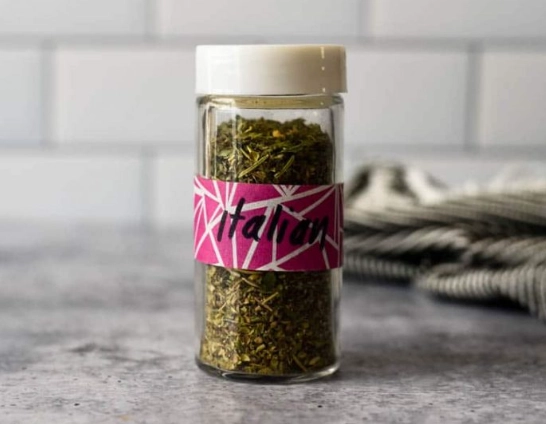
Wrapping up, the choice between Italian herb blend and Italian seasoning isn't just semantic—it affects your dish's flavor profile. Experiment, taste as you go, and don't be afraid to mix your own. For more insights, check out resources like Serious Eats for in-depth spice analyses, but remember, your palate is the ultimate guide. Happy cooking!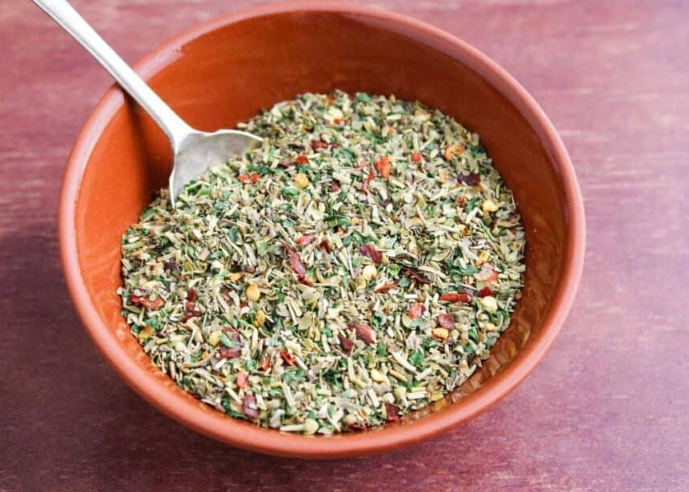
Related Articles
Italian Cream Cake Recipe: A Southern Classic with Italian Flair
Best Italian Baked Dishes Recipes: Authentic & Easy to Make
Authentic Italian Chicken Breast Recipes: Fast, Healthy & Flavorful Dinners
Real Italian Salad Recipes: Authentic Classics & Modern Twists
Authentic Carbonara Recipe: The ONLY Way to Make It Right
Italian Meatloaf Recipe: The Ultimate Comfort Food Guide
Mastering Homemade Italian Pasta: A Complete Guide to Fresh Pasta Recipes
Authentic Gremolata Recipe: The Simple Italian Condiment That Elevates Any Dish

The State Administration of Financial Supervision: Commercial banks have release
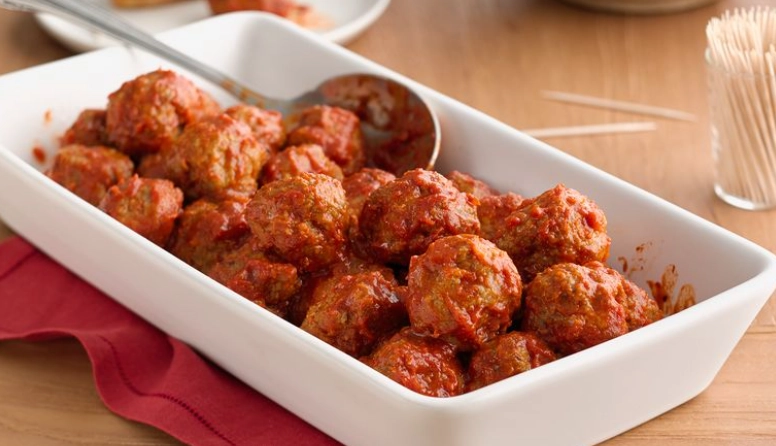
Ultimate Guide to Italian Meatball Recipes: From Classic to Creative
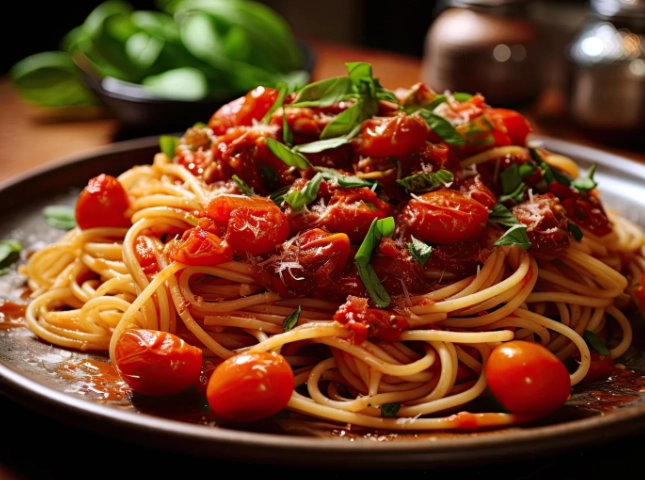
Simple Italian Regional Recipes: Authentic Dishes Made Easy
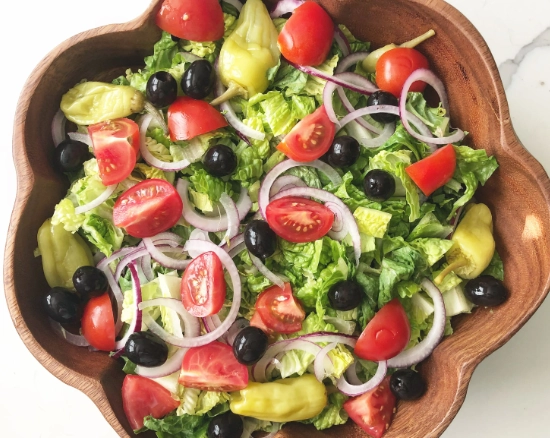
Simple Italian Salad Recipes: Easy, Authentic & Delicious
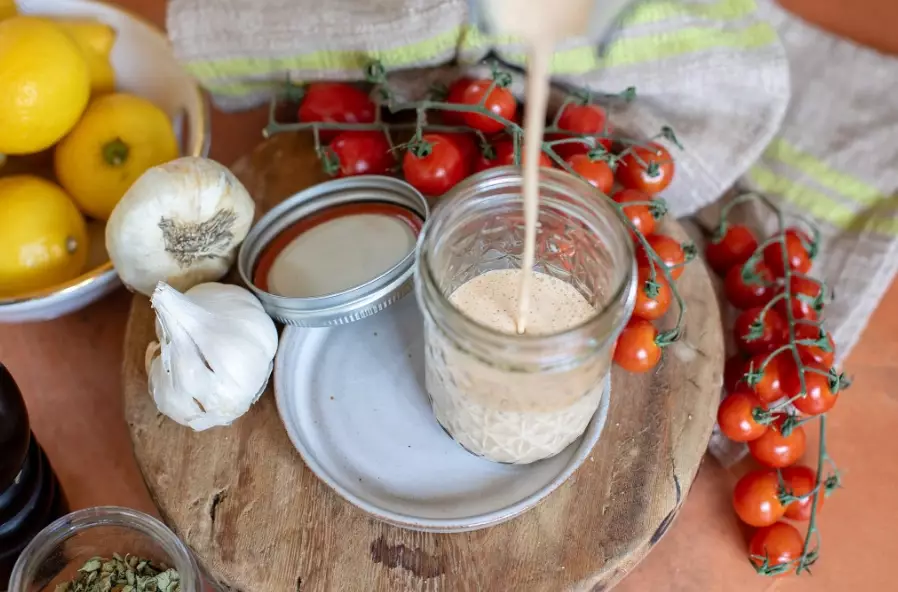
Zesty Italian Dressing Recipe: Easy Homemade Guide
Traditional Northern Italian Recipes: Authentic Dishes & Cooking Secrets
Easy Authentic Italian Minestrone Soup Recipe & Secrets
Traditional Italian Recipes by Region: A Culinary Journey from North to South

Is it worth it for companies to sponsor the Olympics? | Finance looks at the Oly

Sudden good news! The RMB surged 300 points, 4,100 A-shares rose, and banks that

Simple Italian Cocktail Recipes: Easy Classics & Modern Twists
Authentic Italian Pasta Sauce Recipes: From Classic Tomato to Rich Ragù
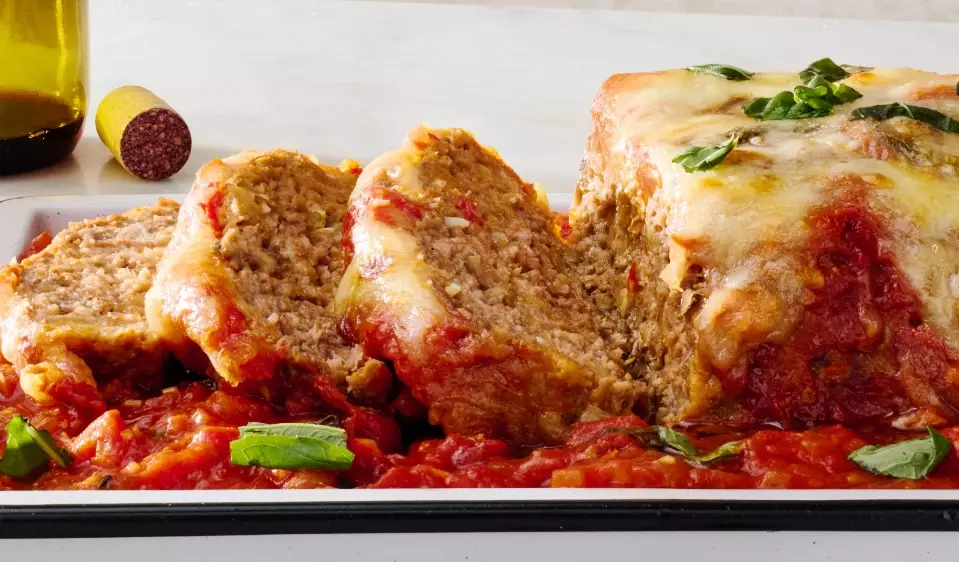
Master Italian Meatloaf: Authentic Family Recipe
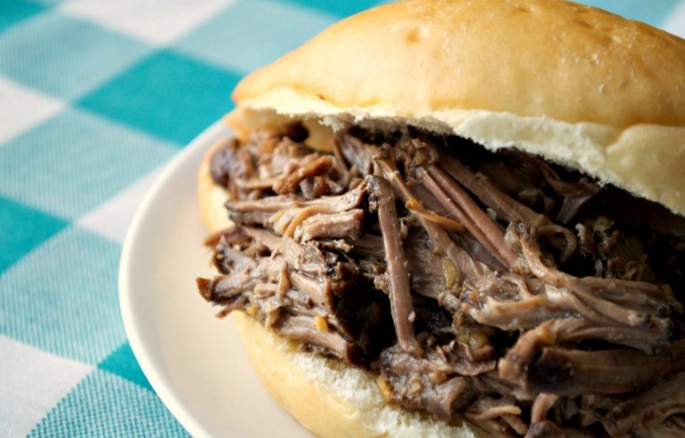
Ultimate Italian Beef Crock Pot Recipe: Tender & Juicy
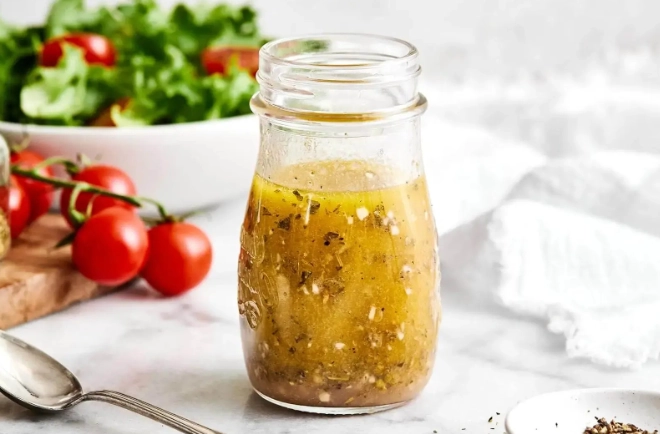
The Ultimate Homemade Italian Dressing Recipe (Easy & Authentic)
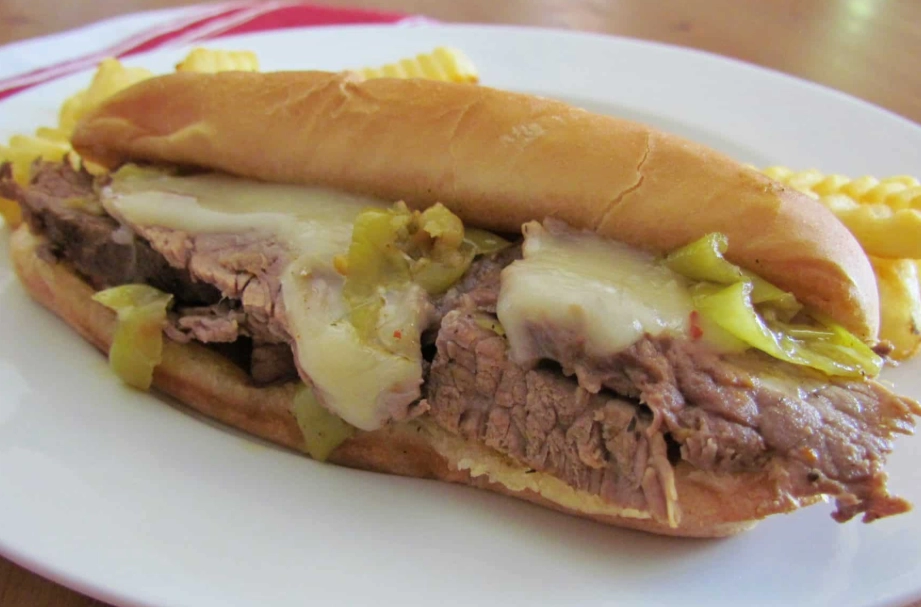
Authentic Italian Beef Sandwich Recipe | Easy Homemade Guide
Unique Italian Cocktails: Beyond the Aperol Spritz
Traditional Italian Pasta Sauces: A Complete Guide to the Classics
Simple Italian Baked Dishes: Easy Recipes for Lasagna, Eggplant & Focaccia
Easy Italian Regional Recipes: Authentic Dishes You Can Actually Make
Classic Italian Salad Mix Ingredients & Homemade Recipe
Leave a Comment