Italian Seasoning Chicken Recipe: Easy, Flavorful & Authentic
Let's be honest. We've all been there. You grab a packet of Italian seasoning from the store, rub it on some chicken breasts, throw them in the oven, and hope for the best. Sometimes it's fine. Often, it's just... okay. The flavor is one-dimensional, a bit dusty, and never quite lives up to the sunny, aromatic promise of Italian cooking. What if you could change that with just a few jars from your spice rack? This isn't just another recipe. It's a breakdown of why the classic Italian seasoning blend works, how to make a vastly superior version at home in two minutes, and the cooking techniques that will transform your chicken from a weeknight chore into a centerpiece worthy of a slow clap.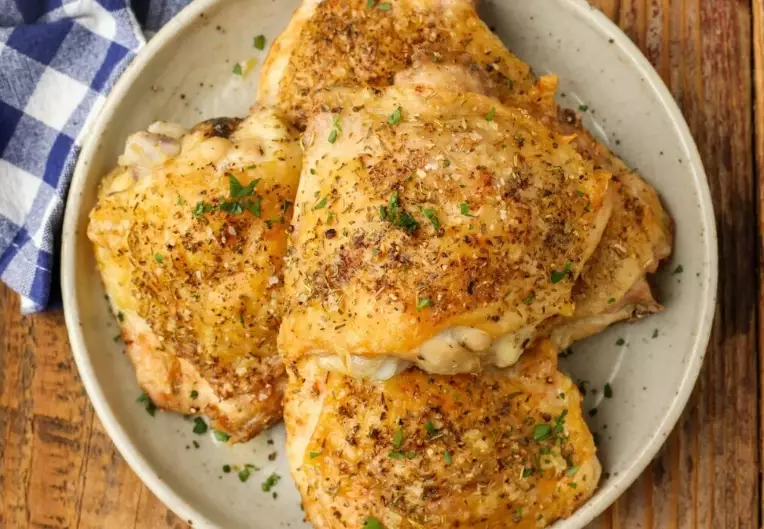
In this article:
What's Really in Italian Seasoning?
Store-bought blends are a convenient starting point, but they're often heavy on oregano and basil, light on nuance, and can include anti-caking agents or filler herbs like rosemary stems. Authentic Italian flavor, the kind you'd find in a countryside trattoria, relies on a balance of a few key dried herbs. Each one plays a specific role.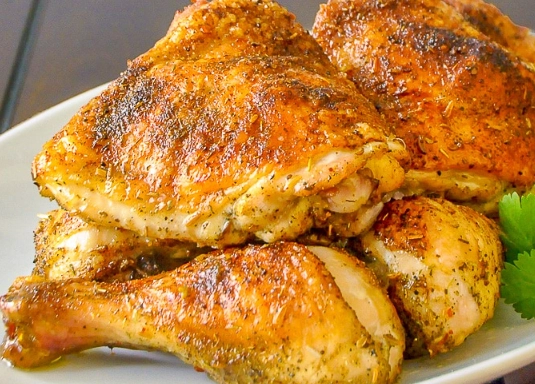
Think of it like a band. Oregano is the lead singer – robust, slightly peppery, and unmistakably Italian. Basil is the harmony – sweet, floral, and essential. Marjoram is the subtle keyboard in the background – similar to oregano but sweeter and more delicate. Thyme adds a earthy, almost lemony depth (the bassline), and rosemary brings the piney, sharp note that cuts through fat (think of it as the lead guitar). Optional players include crushed red pepper for heat, garlic powder for savory punch, and sometimes a bit of sage for a warm, slightly bitter edge.
The problem with pre-mixed jars? You can't adjust the balance. Maybe you love rosemary, or perhaps you find dried basil too dusty. Making your own puts you in the conductor's seat.
How to Make Your Own Homemade Italian Seasoning
This takes less time than finding your keys. The beauty is in the customization. Here's my go-to base ratio, developed after a lot of trial, error, and a memorable cooking lesson in a Tuscan farmhouse where the nonna scoffed at my store-bought jar.
| Herb | Amount (for a standard batch) | Flavor Profile & Role |
|---|---|---|
| Dried Oregano | 3 tablespoons | Robust, slightly bitter, earthy. The backbone. |
| Dried Basil | 3 tablespoons | Sweet, slightly minty and anise-like. The brightness. |
| Dried Marjoram | 2 tablespoons | Sweet, floral, delicate oregano cousin. Adds complexity. |
| Dried Thyme | 2 tablespoons | Earthy, faintly lemony, grounding. |
| Dried Rosemary | 1 tablespoon (finely crushed) | Piney, sharp, aromatic. Use sparingly—it's powerful. |
| Garlic Powder (not salt) | 1 tablespoon | Savory, umami depth. Crucial for chicken. |
| Onion Powder | 1 teaspoon | Adds a sweet, savory base note. |
| Optional: Crushed Red Pepper | 1/2 to 1 teaspoon | For a gentle warmth. Highly recommended. |
Instructions: Simply combine all ingredients in a bowl or jar. Whisk or shake vigorously. That's it. Store it in an airtight jar away from light and heat. It will be infinitely more fragrant than anything you can buy. Taste a pinch on your finger. See the difference?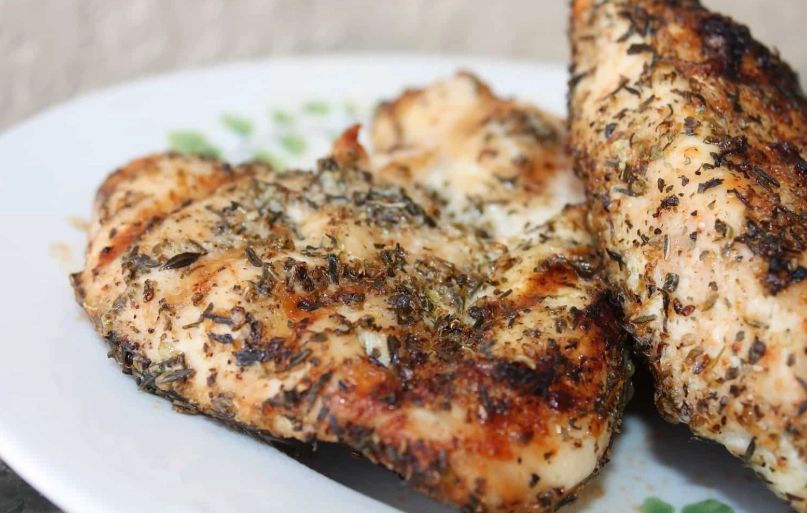
The Perfect Italian Seasoning Roasted Chicken Recipe
Now, let's apply this magic dust. This recipe works for bone-in, skin-on chicken thighs (my favorite for flavor and foolproof juiciness), breasts, or a whole spatchcocked chicken. I'm outlining the thigh method because it's the most forgiving and delivers the best results for a busy cook.
Ingredients You'll Need:
- 4-6 bone-in, skin-on chicken thighs
- 2 tablespoons of your homemade Italian seasoning (see above)
- 1 1/2 teaspoons kosher salt (Diamond Crystal brand is less salty by volume than Morton's – a key detail!)
- 1/2 teaspoon freshly ground black pepper
- 3 tablespoons olive oil
- 1 lemon, sliced into thin rounds
- 4-5 cloves garlic, lightly smashed (no need to peel)
The Step-by-Step Process:
1. Prep and Dry. This is the step everyone skips, and it's the #1 reason chicken skin doesn't get crispy. Pat your chicken thighs extremely dry with paper towels. I mean, aggressively dry. Moisture is the enemy of crisp skin.
2. Season Liberally. In a small bowl, mix the Italian seasoning, salt, and black pepper. Drizzle the olive oil over the chicken and rub it all over, getting under the skin if you can. Then, sprinkle the seasoning mix evenly over both sides of the thighs, again focusing on getting some under the skin. Don't be shy. Let them sit at room temperature for 20-30 minutes. This helps the seasoning penetrate and promotes even cooking.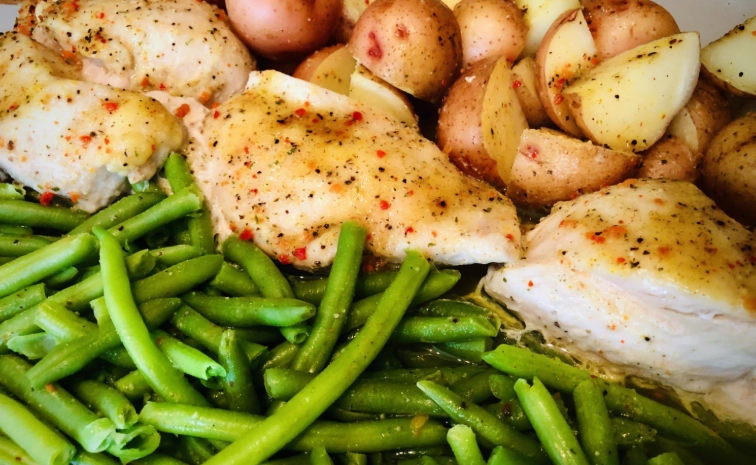
3. Roast to Perfection. Preheat your oven to 425°F (220°C). In a cast-iron skillet or baking dish, scatter the lemon slices and smashed garlic. Place the chicken thighs on top, skin-side up. Roast for 35-45 minutes, until the skin is deeply golden brown and crispy, and the internal temperature at the thickest part reads 165°F (74°C). The high heat is non-negotiable for that crisp finish.
4. Rest and Serve. Take the skillet out and let the chicken rest for 5-10 minutes. This allows the juices to redistribute. Squeeze the roasted lemon over the top if you like. Serve with the pan juices and roasted garlic cloves (the soft, sweet garlic is a chef's treat).
Expert Tips for Juicy, Flavorful Chicken Every Time
Here's where a decade of cooking this dish weekly pays off. These aren't just tips; they're game-changers most recipes don't bother mentioning.
The Buttermilk Secret (The Ultimate Juiciness Hack): If you have an extra 4-24 hours, skip the oil in the recipe. Submerge your chicken pieces in a mixture of 1 cup buttermilk and 1 tablespoon of your Italian seasoning blend. Refrigerate. The buttermilk's acidity tenderizes the meat on a molecular level, and the herbs infuse deeply. When ready to cook, shake off excess buttermilk, pat very dry, season with a bit more salt and pepper, and roast as directed. The result is unbelievably tender, juicy chicken with flavor in every single bite. It's a different league.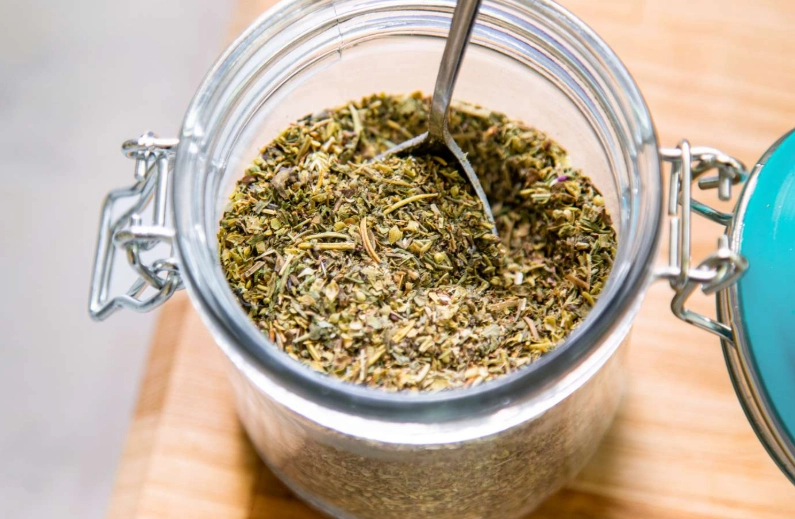
Fresh Herb Finish: After roasting, while the chicken rests, chop a small handful of fresh parsley or basil. Sprinkle it over the hot chicken just before serving. The burst of fresh green flavor against the deep, roasted herbs is spectacular.
Don't Crowd the Pan: If you're cooking more than 4-5 thighs, use two pans or cook in batches. Crowding creates steam, which makes the skin soggy. We want dry, circulating heat for crispness.
Internal Temperature is Your Boss: Stop guessing. A $15 instant-read thermometer is the best investment for perfect poultry. Pull the chicken at 165°F. For breasts, aim for 160°F – they'll carry over to 165°F while resting and stay much juicier.
Your Italian Seasoning Chicken Questions, Answered
I don't have all the herbs for the homemade blend. Can I just use the store-bought kind?
You can, but boost it. To one tablespoon of store-bought blend, add an extra 1/2 teaspoon of dried oregano and 1/4 teaspoon of garlic powder. This compensates for the common lack of depth. And always rub it with oil first—the oil carries the fat-soluble flavors into the meat.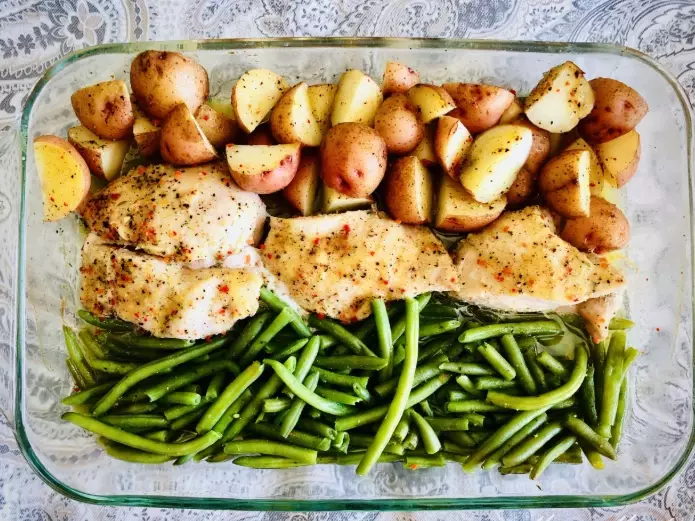
Can I use this on boneless, skinless chicken breasts without them drying out?
Yes, but the technique changes. Pound the breasts to an even thickness first. Sear them in a hot skillet with oil for 2-3 minutes per side to get color, then finish in a 375°F oven for 5-8 minutes, just until they hit 160°F. The initial sear locks in juices better than just roasting. Brining them in saltwater for 30 minutes before cooking is another excellent safeguard against dryness.
No fresh herbs for the finish. What's a good dry alternative?
A light sprinkle of sumac or a very small amount of grated lemon zest (about 1/4 teaspoon for the whole recipe) added after cooking provides that bright, high note that mimics the freshness of herbs.
How long does the homemade Italian seasoning last, and what else can I use it for?
Stored properly, it's good for 6-12 months, though its peak fragrance is in the first 3-4 months. It's incredible on roasted vegetables (toss potatoes or cauliflower in oil and this blend), in meatballs, mixed into ground beef for burgers, or stirred into olive oil for a quick bread dip. It's your all-purpose Italian flavor bomb.
My chicken skin is still not crispy. What am I doing wrong?
The culprit is almost always insufficient drying or an oven that's not hot enough. Re-check step one: pat until the paper towel comes away completely dry. Ensure your oven is fully preheated—use an oven thermometer to confirm it's actually at 425°F. Finally, make sure the chicken isn't sitting in any liquid; prop it on lemon slices or a rack.
Related Articles

The "half-year report" of the economy of 31 provinces is released: Inner Mongoli
Italian Pasta Salad Recipe: The Ultimate Guide for Perfect Results

The Most Popular Cocktail in Italy: A Deep Dive into the Aperol Spritz
Italian Salad Recipe: Authentic, Easy & Delicious Step-by-Step Guide
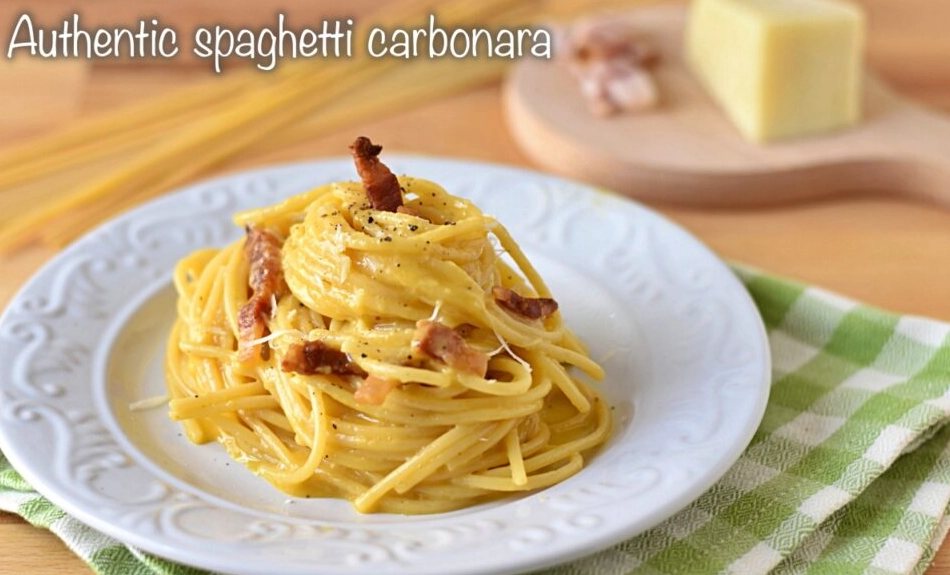
Authentic Carbonara Recipe: The Real Italian Way (No Cream!)

Is Xiaomi Auto dumped?
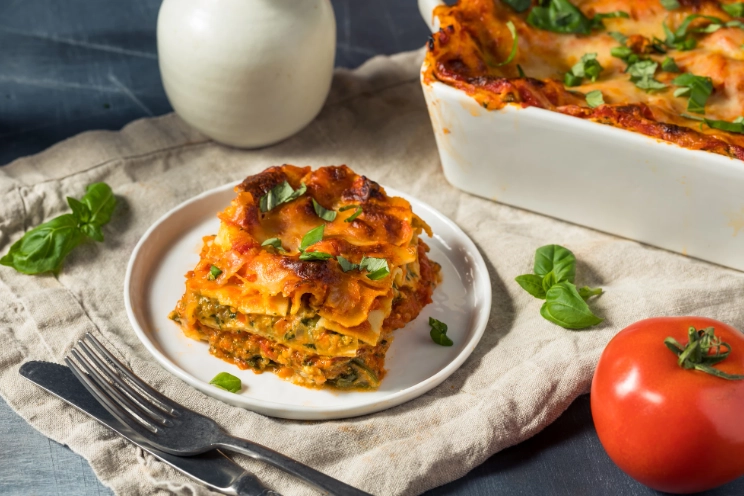
Healthy Italian Vegetarian Recipes: Flavorful Main Dishes Made Easy
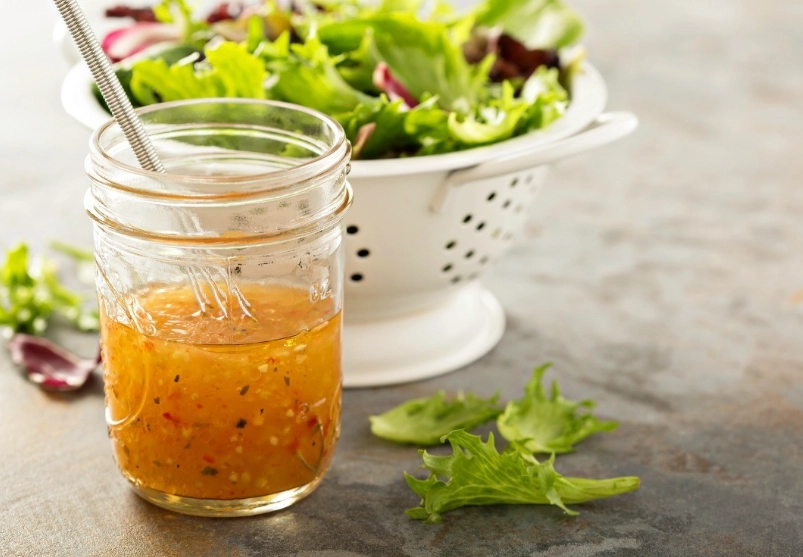
Italian Vinaigrette Recipe: The Only Guide You'll Ever Need

Simple Italian Cookie Recipes: 3 Classics You Can Master
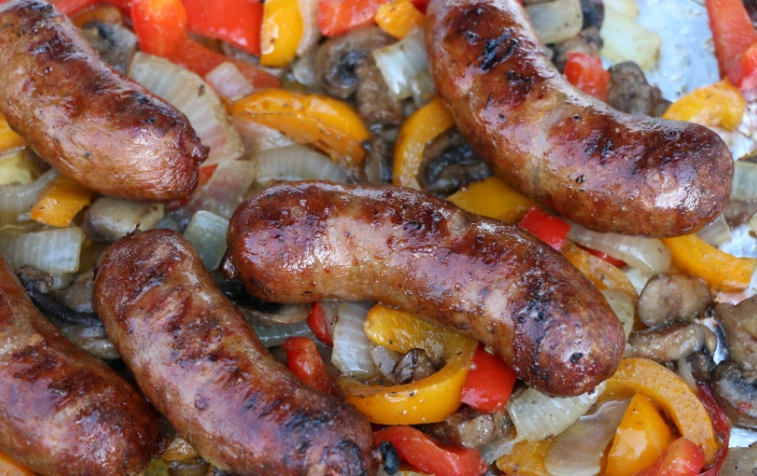
Master Old School Italian Recipes: Authentic Pasta, Ragù & More
Authentic Italian Bolognese Recipe: The Real Ragù from Bologna

Top 10 Italian Foods: The Ultimate List of Must-Try Dishes
What to Cook for an Italian Christmas: The Ultimate Feast Guide
Authentic Italian Christmas Recipes: Traditional Dishes & Festive Menus
Ultimate Guide to Italian Baked Ground Beef Recipes
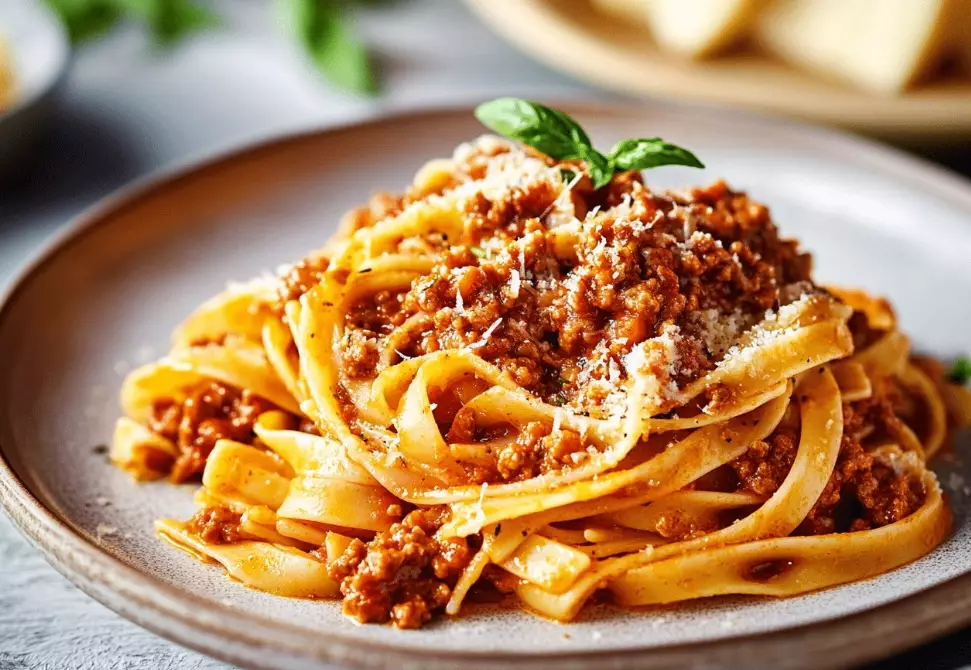
Classic Italian Bolognese Recipe: Master the Authentic Ragu
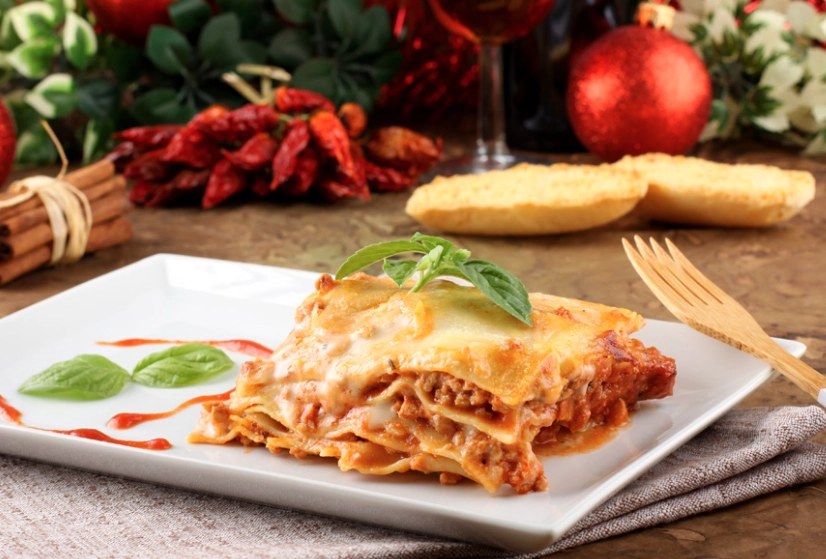
What is a Good Appetizer Before Pasta Dinner? 15+ Expert Picks & Pairing Guide
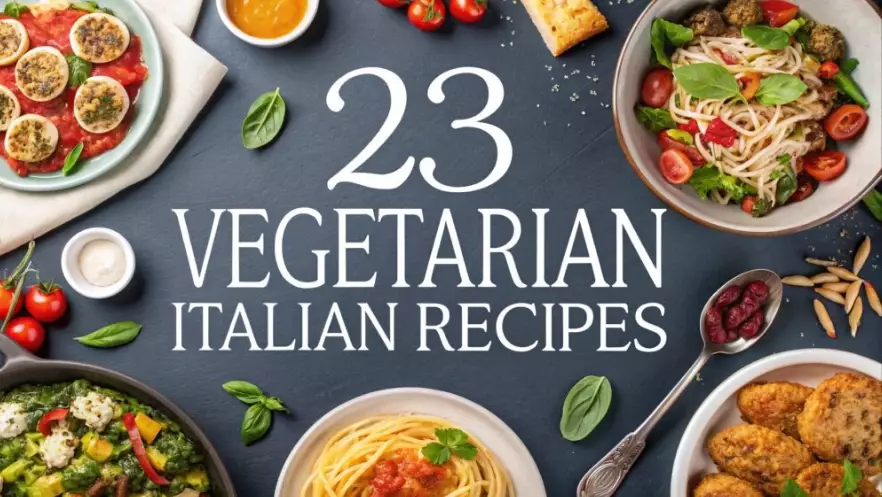
Traditional Italian Vegetarian Recipes: Classics Beyond Pasta
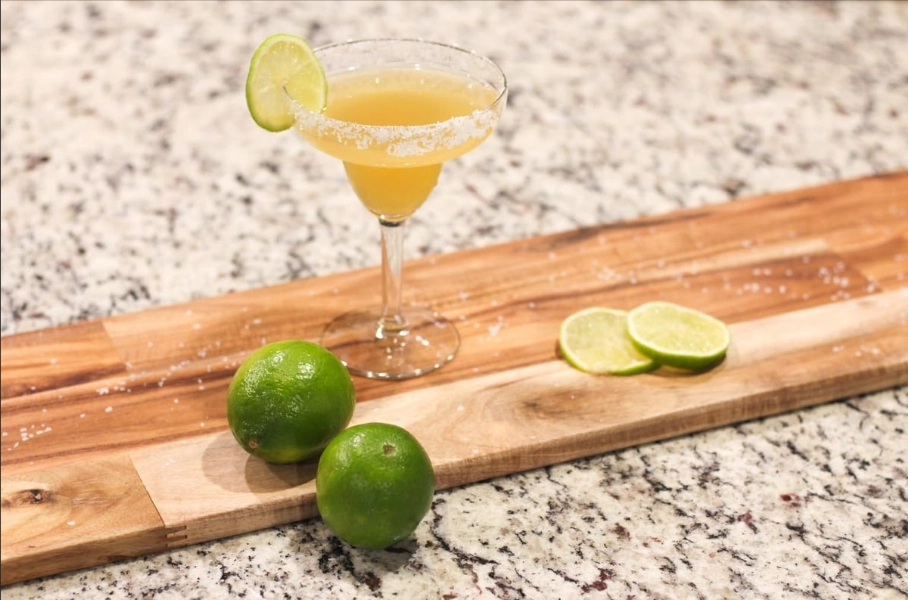
Ultimate Italian Margarita Recipe: How to Make the Perfect Amaretto Sour Twist
Easy Crusty Italian Bread Recipe: Homemade Ciabatta & Focaccia
Traditional Italian Salads for a Crowd: Easy, Make-Ahead Recipes

When going on a long vacation, are electric cars really more "cowardly" than fue
Authentic Italian Pasta Recipes: A Complete Cooking Guide

Top 10 Italian Cookies: A Guide to Italy's Sweetest Treats
Vegetarian Food Guide: What to Eat in Italy
Simple Italian Holiday Dinner Recipes: Effortless & Authentic Feasts
The Ultimate Authentic Italian Hoagie Recipe: Make the Classic Philly Sandwich at Home
Authentic Italian Pizza Dough Recipe: A Step-by-Step Guide
Authentic Italian Pizzelle Recipe: Crispy, Classic & Easy
Leave a Comment