The Most Popular Cookie in Italy: A Guide to Italian Biscotti
In This Article
Let's cut to the chase: the most popular cookie in Italy is biscotti. Not just any biscotti, but the classic twice-baked almond cookie that's been a staple in Italian homes for centuries. I've spent years exploring Italian bakeries, and I can tell you that while there are many contenders, biscotti reigns supreme. It's not just about taste; it's about tradition, versatility, and that perfect crunch that pairs with everything from coffee to wine.
You might think you know biscotti from the supermarket shelves, but the authentic version is a different beast. I remember my first trip to Tuscany, where I bit into a biscotti that was crisp on the outside with a slight chew inside—nothing like the rock-hard versions I'd tried before. That's when I realized there's a whole world to explore.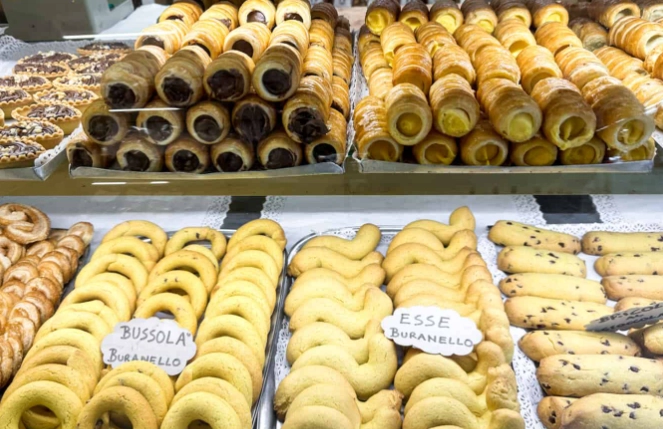
What Makes Biscotti the Most Popular Cookie in Italy?
Biscotti's popularity isn't an accident. It's baked into Italy's culinary DNA. According to historical records from the Accademia Italiana della Cucina, biscotti dates back to Roman times, but it was in Renaissance Tuscany that it became the cookie we know today. The word "biscotti" literally means "twice-cooked," which gives it that long shelf life—perfect for travelers and soldiers back in the day.
The History and Origins of Biscotti
Originally, biscotti were made for practicality. They didn't spoil easily, so sailors and merchants could carry them on long journeys. Over time, they evolved into a symbol of Italian hospitality. In regions like Prato, you'll find cantucci, a specific type of biscotti that's often dipped in Vin Santo, a sweet dessert wine. It's a ritual that's been passed down for generations.
Regional Variations Across Italy
Italy isn't a monolith when it comes to food, and biscotti is no exception. In the north, you might find them with pine nuts or anise. In Sicily, they add pistachios or citrus zest. But the core remains: almonds, flour, sugar, and eggs. That simplicity is part of the appeal. A common mistake people make is assuming all biscotti are the same; regional twists can change the texture and flavor dramatically.
Here's a tip from my own experience: if you're in Florence, skip the touristy spots and head to a local pasticceria. The biscotti there often use locally sourced almonds, which makes a world of difference in taste.
How to Identify Authentic Italian Biscotti
With so many imitations out there, knowing what to look for is key. Authentic biscotti should have a golden-brown color, a firm but not brittle texture, and visible chunks of almonds. If it's uniformly hard or overly sweet, it's probably mass-produced.
Key Ingredients and Traditional Recipes
Traditional recipes stick to basics: unbleached flour, whole almonds, sugar, eggs, and a pinch of salt. No oils, no preservatives. The almonds are usually left whole or roughly chopped, not ground into a paste. I've seen recipes that add butter or vanilla, but purists argue that dilutes the authentic flavor. The BBC Good Food has highlighted that the best biscotti rely on quality ingredients, not extras.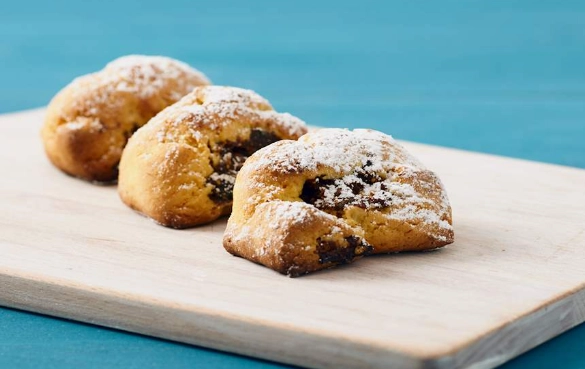
Common Mistakes to Avoid When Buying Biscotti
Many newcomers pick biscotti based on packaging or price. Big error. Check the ingredient list: if it has vegetable oil or artificial flavors, put it back. Also, avoid biscotti that look too perfect—handmade ones have irregular shapes, which is a good sign. Another pitfall: storing them in airtight containers. Biscotti need to breathe to stay crisp; a bread box or paper bag works better.
Where to Find the Best Biscotti in Italy
If you're planning a trip, here are some must-visit spots. Don't just rely on online reviews; locals know best.
Top Bakeries and Their Specialties
- Antonio Mattei in Prato, Tuscany: This place is legendary. Founded in 1858, their cantucci are the gold standard. Address: Via Ricasoli, 20, 59100 Prato PO. They're open from 8 AM to 8 PM, and a pack costs around €5. No fancy seating—just pure biscotti magic.
- Pasticceria Giotto in Florence: A bit off the beaten path, but worth it. Their almond biscotti have a hint of orange zest. Address: Via Giotto, 10, 50121 Firenze FI. Open 7 AM to 9 PM, with prices starting at €4.50. I've spent afternoons here sipping espresso and nibbling biscotti.
- Dolceria Alba in Palermo, Sicily: For a southern twist, try their pistachio biscotti. Address: Via Vittorio Emanuele, 105, 90133 Palermo PA. Hours: 9 AM to 10 PM, and a bag is about €6. The pistachios are from Bronte, which adds a unique richness.
A Guide to Buying Biscotti Online
Can't travel? No problem. Many artisanal bakeries ship internationally. Look for ones that use DOP-certified almonds (like those from Sicily or Puglia). Avoid Amazon generic brands; instead, try sites like Eataly or direct from bakeries like Mattei's online store. Shipping might cost extra, but for authentic flavor, it's worth it.
How to Enjoy Biscotti Like a Local
Italians don't just eat biscotti; they experience it. The classic way is dipping it in Vin Santo, but there's more to it.
Pairing Biscotti with Drinks
Beyond Vin Santo, try it with espresso for a morning kick, or with a sweet Marsala wine in the evening. I've even seen locals dunk it in hot chocolate during winter. The key is to dip briefly—just a second or two—so it softens without falling apart. A rookie mistake is leaving it in too long, turning it into mush.
Creative Ways to Use Biscotti in Desserts
Crush biscotti and use it as a base for cheesecake, or mix it into tiramisu instead of ladyfingers. In my kitchen, I've added chopped biscotti to ice cream for a crunchy texture. It's a great way to use up stale pieces.
Beyond Biscotti: Other Popular Italian Cookies You Should Try
While biscotti is the king, Italy's cookie scene is diverse. Here's a quick rundown of other favorites.
| Cookie Name | Key Ingredients | Region of Origin | Best Paired With |
|---|---|---|---|
| Amaretti | Almond paste, sugar, egg whites | Lombardy | Espresso or dessert wine |
| Ricciarelli | Almond flour, honey, orange zest | Siena, Tuscany | Sweet white wine |
| Baci di Dama | Hazelnuts, butter, chocolate | Piedmont | Tea or coffee |
| Canestrelli | Butter, flour, powdered sugar | Liguria | Sparkling wine |
Each of these has its own charm. For instance, amaretti are softer and chewier, often used in baking like in amaretti torte. Ricciarelli have a marzipan-like texture that's perfect for holidays. I've found that many tourists overlook these, but they're worth seeking out.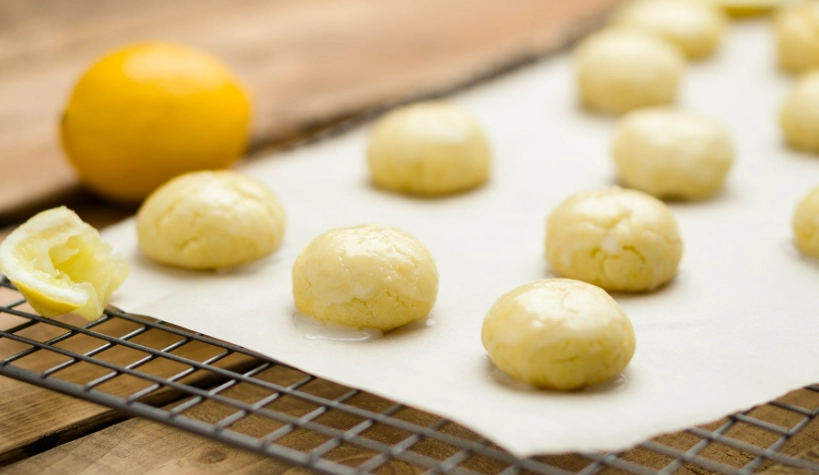
Frequently Asked Questions About Italian Cookies
So, next time you're in Italy or browsing online, remember: biscotti is more than a cookie; it's a piece of history. Whether you dip it, crunch it, or bake with it, you're part of a tradition that's lasted centuries. And if you try nothing else, grab a pack from a local pasticceria—it'll change your cookie game forever.
Related Articles
Traditional Italian Dinner Party Recipes: An Authentic Menu from Start to Finish
The Ultimate Guide to Authentic Italian Meatballs: A Family Recipe
Sweet Italian Sausage Recipes: From Classic Pasta to Creative Feasts
Authentic Italian Beef Sandwich Recipe | Easy Homemade Guide

Why is Dongguan's economy no longer at the bottom?

Simple Italian Cocktail Recipes: Easy Classics & Modern Twists

Sold out! BYD official: The order is extremely large, the stock price has risen
Authentic Pasta Carbonara Recipe: The Real Italian Way
Ultimate Guide to Spaghetti Pasta Recipes: Easy, Authentic & Creative
Italian Lasagna Recipe: Authentic Homemade Lasagna Guide
Classic Italian Vegetable Dishes: A Guide to Authentic Recipes

Sea freight rates soared! One after another raised sea freight rates, the "king
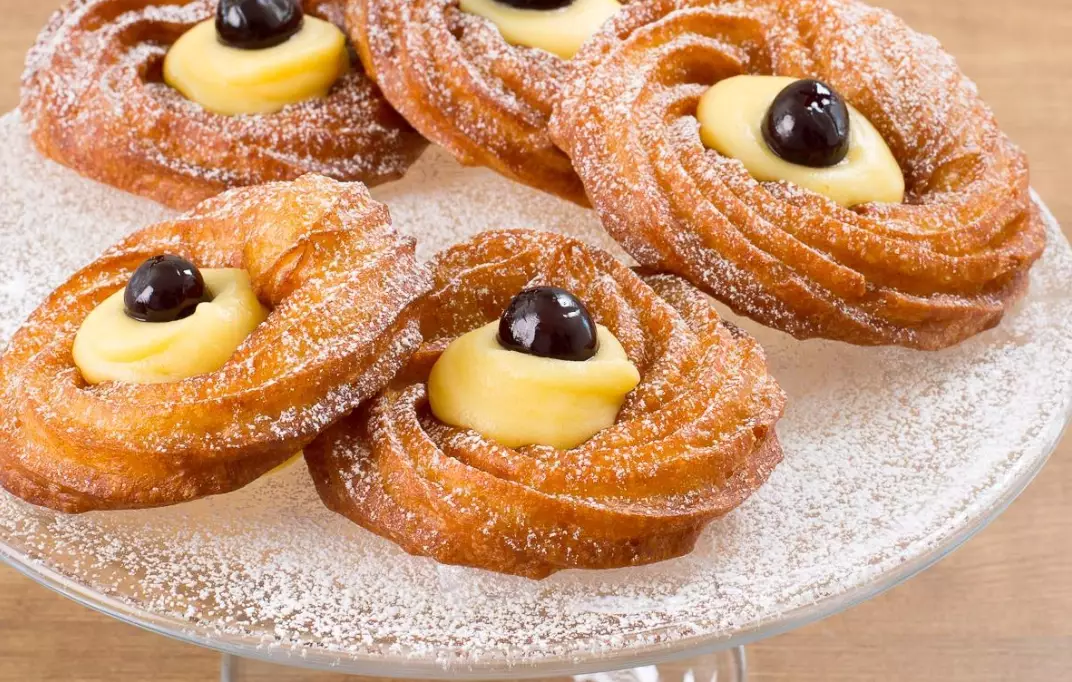
Authentic Italian Zeppole Recipe: Easy Homemade Fried Dough Guide
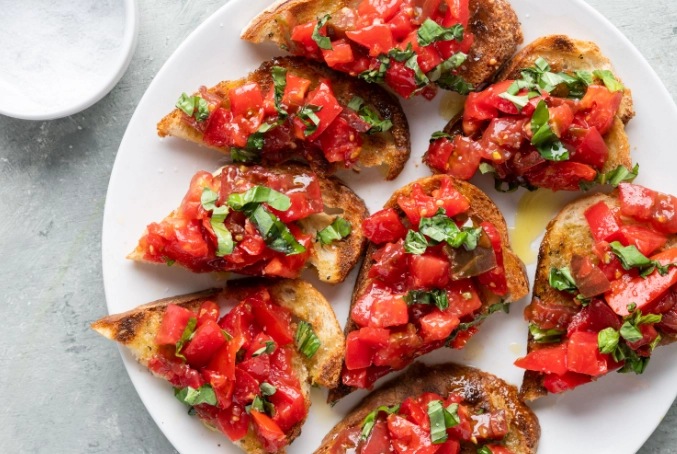
Authentic Italian Bruschetta Recipe: The Only Guide You'll Ever Need
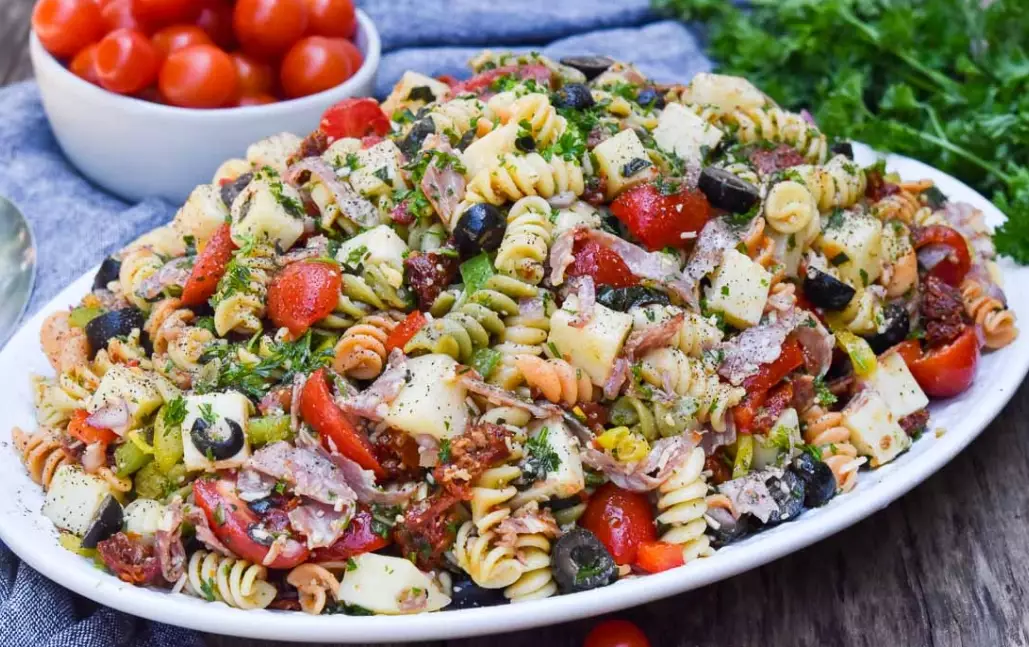
Pasta Italian Dressing Salad Recipes: The Ultimate Guide

Three years and five visits to the Hong Kong Stock Exchange, can Wumart realize
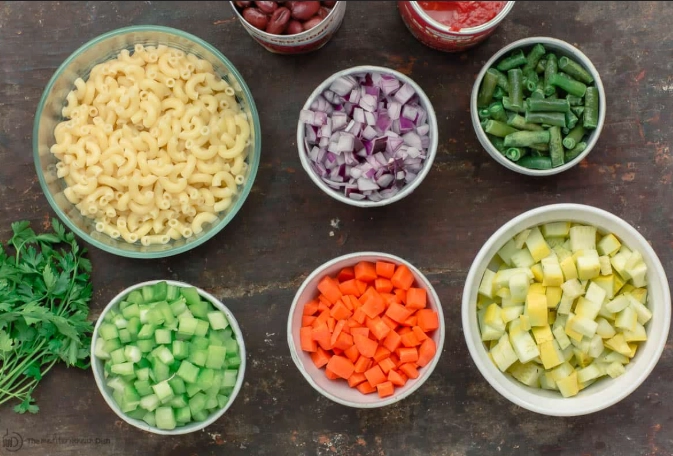
Italian Seasoning in Minestrone Soup: The Authentic Herb Blend Explained
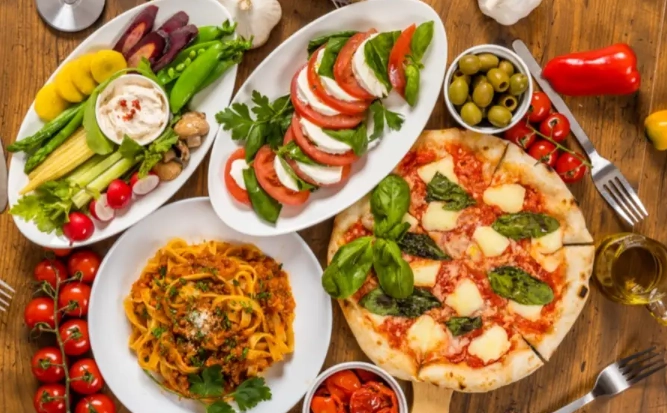
A Typical Italian Dinner at Home: The Real Menu & Traditions
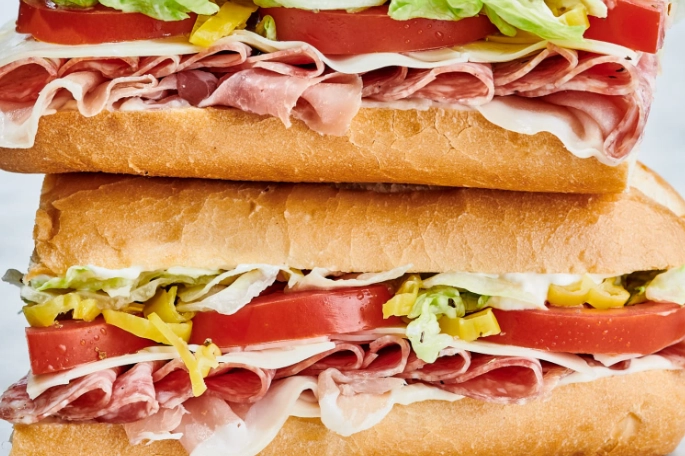
Ultimate Guide to Italian Sandwich Recipes: From Classics to Modern Twists
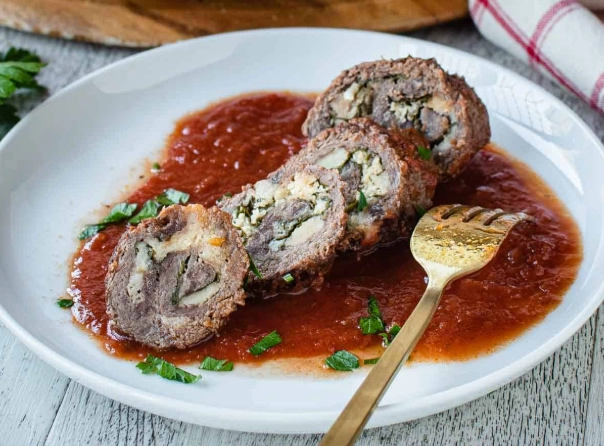
Italian vs American Braciole: The Real Differences Explained
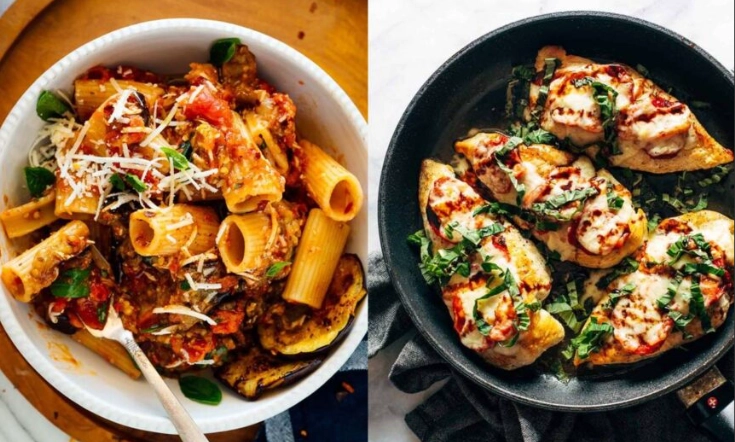
Master the Classics: The Best Italian Recipes You Need to Know

The reason for the surge in A-shares has been found! The Shanghai Composite Inde
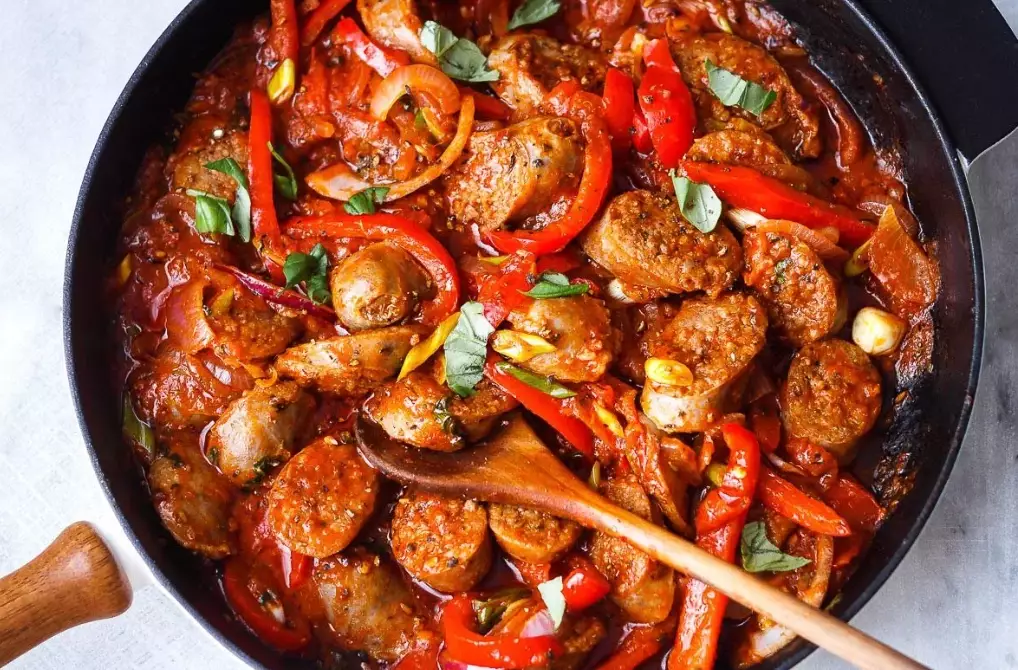
Authentic Italian Sausage Recipe: Tips from a Butcher
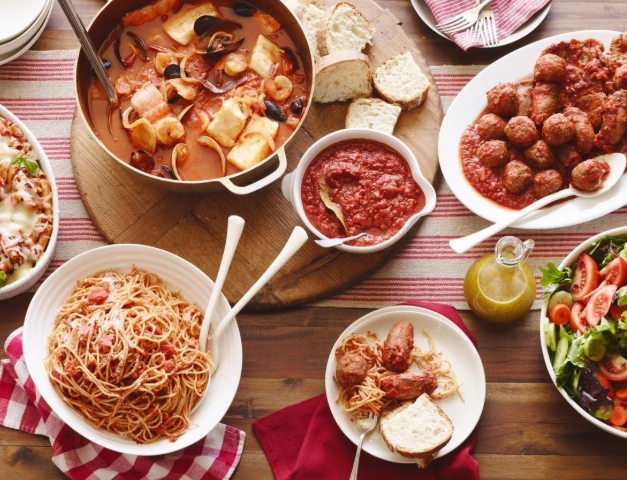
Authentic Italian Family Meal Recipes: From Antipasti to Dolce
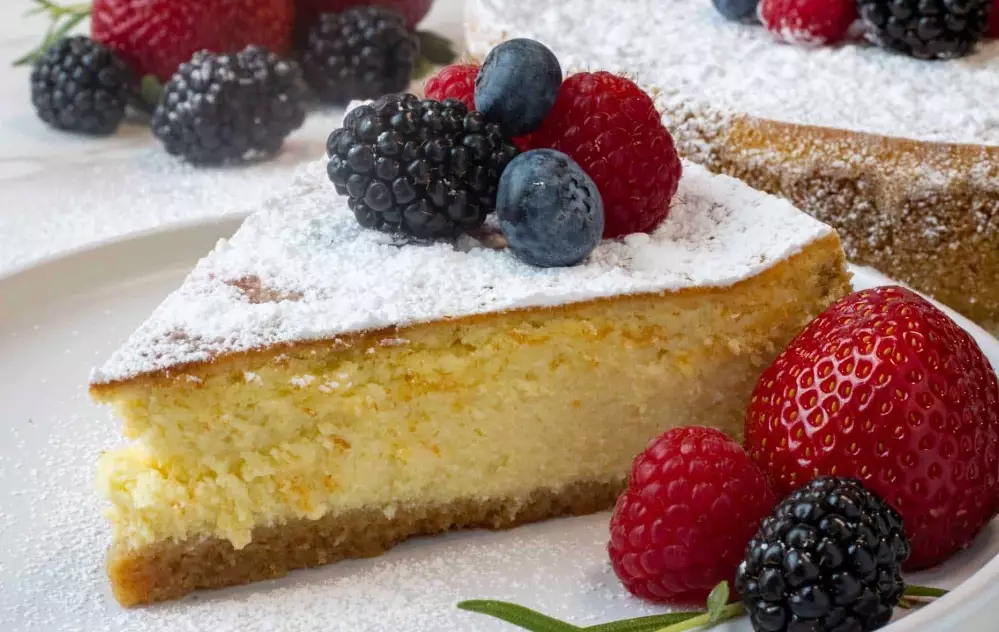
Authentic Italian Cheesecake Recipe: Creamy Ricotta Dessert Guide
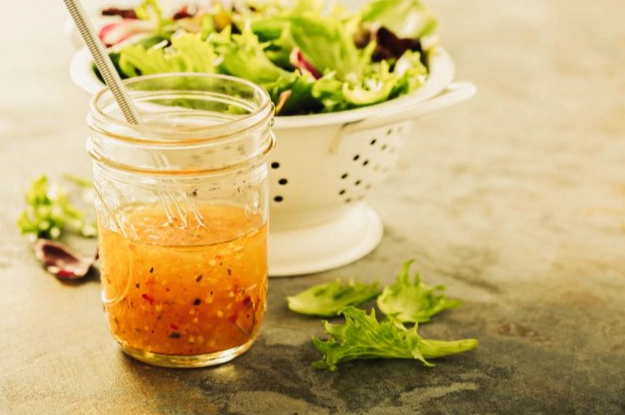
Authentic Italian Dressing Recipe: Easy, Homemade & Better Than Store-Bought
Authentic Italian Christmas Cookie Recipes to Bake at Home

With an increase of nearly 300%, the leader of "flying cars" took off, fearless
Classic Italian Bolognese Recipe: Master the Authentic Ragu
Leave a Comment