Most Famous Italian Cookies: A Guide to Italy's Beloved Biscotti & Beyond
Ask anyone to name an Italian cookie, and "biscotti" will likely be the first word out of their mouth. But here's the thing – that's like saying "pasta" and only thinking of spaghetti. Italy's cookie jar is deep, varied, and steeped in regional tradition. These aren't just snacks; they're edible history, often tied to specific towns, holidays, and family rituals. From the rock-hard, twice-baked soldiers designed for dipping to the soft, chewy almond clouds that melt in your mouth, the most famous Italian cookies tell a story about Italian ingenuity and the art of making incredible food from simple, honest ingredients.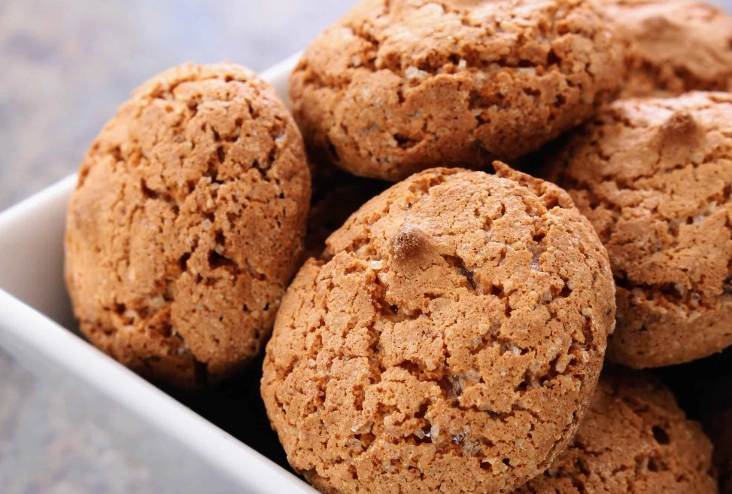
What’s in this guide?
The Undeniable Top Three Italian Cookies
Let's cut through the noise. While there are dozens of varieties, three cookies consistently stand out for their fame, history, and unique character. Getting to know these is like getting the keys to the kingdom.
1. Biscotti di Prato: The King of Dunking
When people say "biscotti," they're usually referring to the specific type from Prato, Tuscany. The name literally means "twice-cooked," and that's the secret. A dry, loaf-shaped dough of flour, sugar, eggs, and almonds (or other nuts) is baked, sliced, and baked again until completely dry and crisp. This wasn't just a culinary whim – it was a brilliant preservation technique. Their rock-hard texture made them perfect for long sea voyages and storage in pantries. Today, that hardness is their glory. You're supposed to dip them. In Vin Santo, a sweet Tuscan dessert wine, is the classic move. The cookie soaks up the wine without disintegrating, creating a perfect textural harmony. A common mistake? Buying overly sweet, oily biscotti loaded with chocolate chips and cranberries. The authentic ones are austere, not too sweet, and all about the almond and the crunch.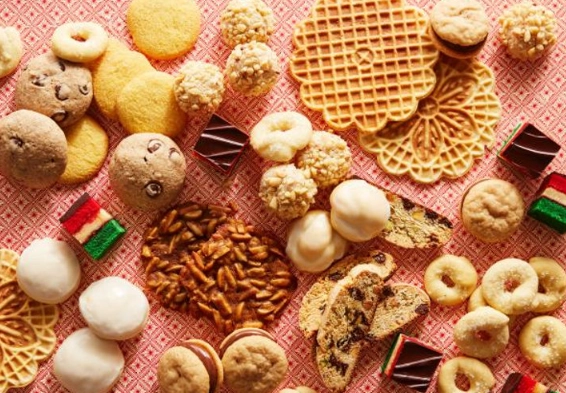
Pro Tip: The best commercial Biscotti di Prato are still made by Antonio Mattei in Prato. If you see that name, grab it. Their texture is textbook – hard enough to tap on a table, but yielding perfectly to a dip.
2. Amaretti di Saronno: The Almond Cloud
Originating from Saronno in Lombardy, these are the polar opposite of biscotti. Amaretti cookies are soft, chewy, and slightly domed, with a cracked surface. The magic comes from bitter almonds or apricot kernels (which provide a similar flavor) and egg whites. No flour, or very little. This gives them an intense marzipan-like aroma and a melt-in-your-mouth quality that's utterly addictive. The legend says they were created by a young couple in love in the 1700s. You can find them in two textures: morbidi (soft) and croccanti (crunchy). The soft ones are the classic. They're often individually wrapped in crisp paper, which peels off to reveal the delicate cookie. I find the mass-produced versions in clear plastic tubs are often too sweet and lack the profound bitter almond punch of the artisanal ones from Saronno.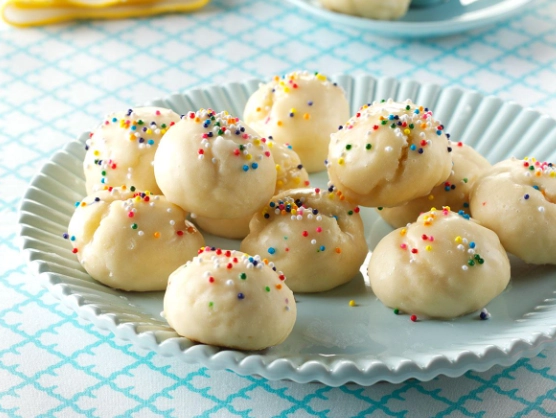
3. Cantucci / Cantuccini di Toscana: Biscotti's Close Cousin
Now, this causes confusion. Are cantucci cookies the same as biscotti? Almost, but not quite. While "biscotti" is the generic Italian word for cookies and the specific Prato variety, "cantucci" (or the smaller "cantuccini") are a Tuscan specialty very similar to biscotti. The main difference is in the dough and the nuts. Cantucci dough is richer, often containing butter or oil, and is always studded with whole, skin-on almonds. The slices are typically smaller and chunkier. The result is a slightly more tender, but still dunk-worthy, cookie that's packed with almond flavor in every bite. In Tuscany, you'll see them labeled as cantucci, and they're just as sacred to the Vin Santo ritual.
| Cookie | Key Characteristic | Origin Town/Region | Perfect Pairing |
|---|---|---|---|
| Biscotti di Prato | Hard, dry, twice-baked, minimalist | Prato, Tuscany | Vin Santo dessert wine |
| Amaretti di Saronno | Soft, chewy, flourless, intense almond | Saronno, Lombardy | Espresso or a sweet dessert wine |
| Cantucci di Toscana | Chunky, almond-packed, slightly richer dough | Tuscany (widespread) | Vin Santo or a late-harvest white wine |
Where to Find the Real Deal in Italy (and Online)
You can buy Italian cookies anywhere, but the experience of getting them from the source is different. If you're planning a trip, or want to order online like a pro, here’s the map.
In Prato, Tuscany: The pilgrimage site is Biscottificio Antonio Mattei (Via Ricasoli, 20/22, 59100 Prato PO). It's been operating since 1858. The shop is no-frills, the packages are simple, and the cookies are legendary. They ship internationally, but check their website for details. Just being there, smelling the toasted almonds, is worth the detour from Florence.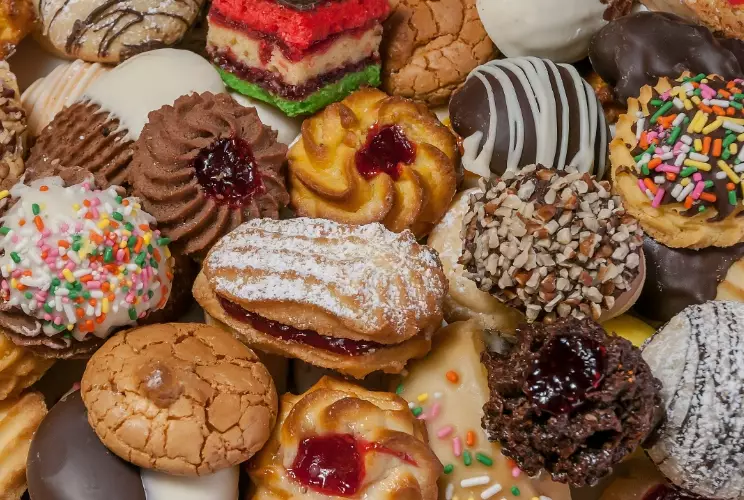
In Saronno, Lombardy: For amaretti cookies, the original producers are Lazzaroni and Saronno (the brand is named after the town). Visiting their historic facilities or flagship stores gives you the full story. The Lazzaroni website often has great gift sets that include their famous Amaretto liqueur, made from the same base.
For Online Shopping (Outside Italy): Don't just grab any brand from the international aisle. Look for specialty importers or Italian gourmet sites. Brands like Mattei (for biscotti), Lazzaroni (for amaretti), and Pasticceria Gualtieri (for artisanal cantucci) are reliable indicators of quality. Amazon often carries them, but check the seller reviews to ensure they handle shipping properly – stale cookies are a tragedy.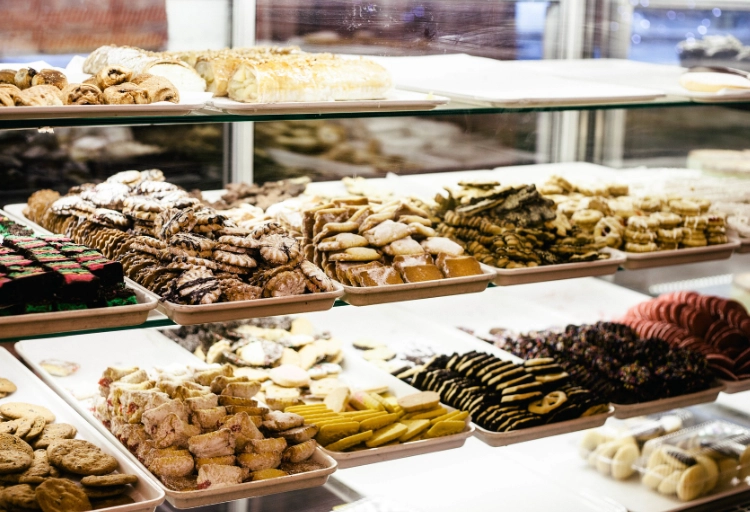
Baking Italian Cookies at Home: The Pitfalls to Avoid
So you want to make your own? Fantastic. But Italian cookie recipes are deceptively simple, and small errors lead to big disappointments. Having baked these for years, I've seen (and made) all the mistakes.
For Biscotti/Cantucci: The number one error is a wet dough. If your dough is sticky and soft, you'll never get clean slices, and the second bake won't dry them out properly; they'll just be hard and unpleasant. The dough should be stiff, almost like a thick bread dough. Don't be afraid to add a bit more flour if it's sticking to your hands. Second mistake: slicing when too hot. Let the first-baked loaf cool for a good 15-20 minutes. If you slice it hot, it crumbles. Use a serrated knife and a gentle sawing motion.
For Amaretti: The pitfall here is overworking the egg whites. You're not making a meringue. You just need the whites foamy and slightly increased in volume before folding in the almond mixture. Over-beaten whites make the cookies tough. Also, skipping the resting time before baking is a rookie move. Letting the shaped cookies sit for an hour forms a skin that helps create that classic cracked top.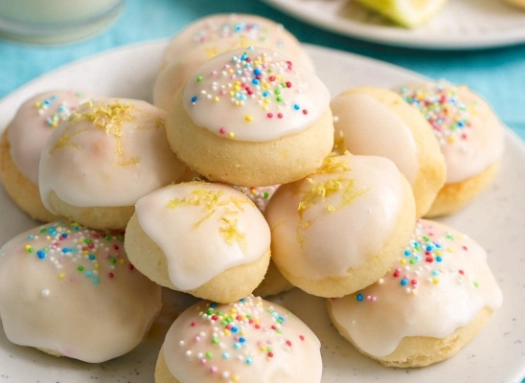
Here's a non-negotiable tip: Source good bitter almond extract or apricot kernels for amaretti. Pure almond extract won't give you that authentic, almost cherry-like depth. It's the defining flavor.
Your Italian Cookie Questions, Answered
Can I use regular almonds instead of bitter almonds in amaretti?
You can, but you'll lose the signature flavor. Bitter almonds (or their extract, or ground apricot kernels) contain benzaldehyde, which gives amaretti their distinct taste. Using only sweet almonds makes a pleasant macaroon, but it won't be a true amaretti. A workaround is to use 3 parts sweet almond flour to 1 part regular almond extract plus 1/4 teaspoon of pure bitter almond extract (use sparingly, it's potent).
My homemade biscotti turned out too hard, even for dipping. What went wrong?
You likely over-baked them in the second stage. The second bake is for drying, not for further browning. After slicing, lay the pieces cut-side up and bake at a lower temperature (300°F / 150°C) and start checking at 15 minutes. They should feel dry and firm to the touch, but not rock-hard. They will harden slightly more as they cool. Pull them out when they still have a tiny bit of give in the very center.
What's the best way to store these cookies to keep them fresh?
This is crucial and depends on the type. Biscotti and Cantucci: Their low moisture content is their preservation. Store them in an airtight container at room temperature. They can last for weeks, even months. Do NOT refrigerate, as humidity is their enemy. Amaretti (soft): These are more delicate. Keep them in their original paper wrapping inside an airtight container. They are best consumed within 1-2 weeks. The crunchy (croccanti) version can be stored like biscotti.
Are there any famous Italian cookies that are chocolate-based?
While not in the absolute top tier of fame like the almond-based classics, chocolate does have its place. Look for Baci di Dama ("Lady's Kisses") from Piedmont – two buttery hazelnut cookies sandwiched with dark chocolate. Or Brutti ma Buoni ("Ugly but Good") – rustic, craggy meringue-like cookies with hazelnuts and sometimes chocolate chips. They're beloved regionally and are a fantastic next step after mastering the big three.
I'm in the US. Which supermarket brand of biscotti is closest to authentic?
Honestly, most mass-market supermarket biscotti are too sweet, soft, and cake-like. For a closer experience, look in the specialty food section or at stores like Trader Joe's (their almond biscotti are a decent, affordable option) or Costco (they sometimes carry large packs of imported brands). Your best bet is always an Italian deli or bakery, or biting the bullet and ordering Mattei online. The difference in ingredient quality and technique is night and day.
Related Articles
Authentic Italian Chicken Cacciatore Recipe: A Hunter's Stew
Authentic Italian Recipes: Secrets from a Roman Kitchen
Italian Baked Dishes Recipes: From Classic Lasagna to Rustic Focaccia
Italian Seasoning in Minestrone Soup: The Authentic Herb Blend Explained
Authentic Italian Meatballs Recipe: Nonna's Secret for Tender & Flavorful Polpette
Authentic Italian Cream Cake Recipe: Moist, Nutty & Irresistible
Traditional Italian Vegetarian Recipes: Classics Beyond Pasta
Authentic Italian Carbonara Recipe: The Only Guide You'll Ever Need

What is the dispute over the open and closed source of large models?
The Ultimate Authentic Italian Hoagie Recipe: Make the Classic Philly Sandwich at Home
Ultimate Guide to Italian Sandwich Recipes: From Classics to Modern Twists
Best Italian Cocktails: From Classic Negroni to Modern Aperitivo
Authentic Italian Christmas Cookie Recipes to Bake at Home
Best Vegetarian Italian Dishes: Recipes & Cooking Tips
What Are The Three Italian Cocktails? Negroni, Aperol Spritz, Americano
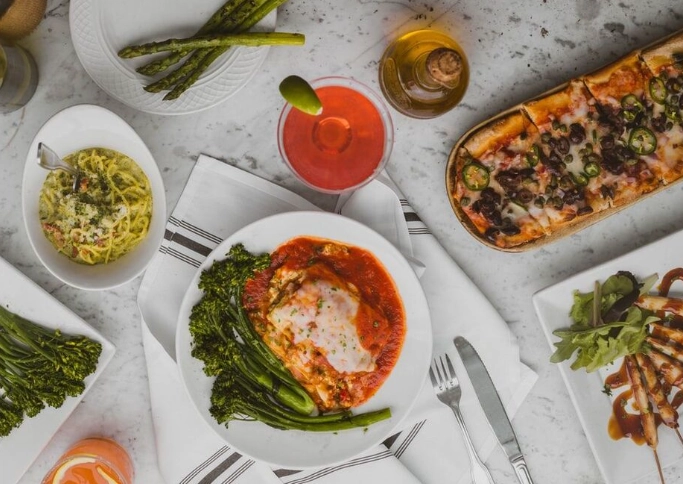
What are the 4 Classic Italian Dishes? A Food Lover's Guide
Authentic Italian Steak Recipe: Bistecca alla Fiorentina Guide
Ultimate Vegetarian Pasta Recipes: Flavorful & Easy

Still have to rely on Zhengzhou Foxconn? The truth about the swing between Apple
Traditional Italian Holiday Dinner Recipes: A Complete Guide to a Festive Feast
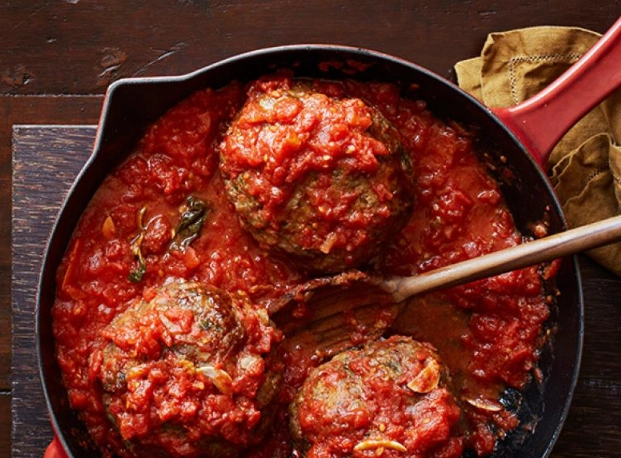
Master Italian Meatball Recipes: Secrets from Nonna's Kitchen
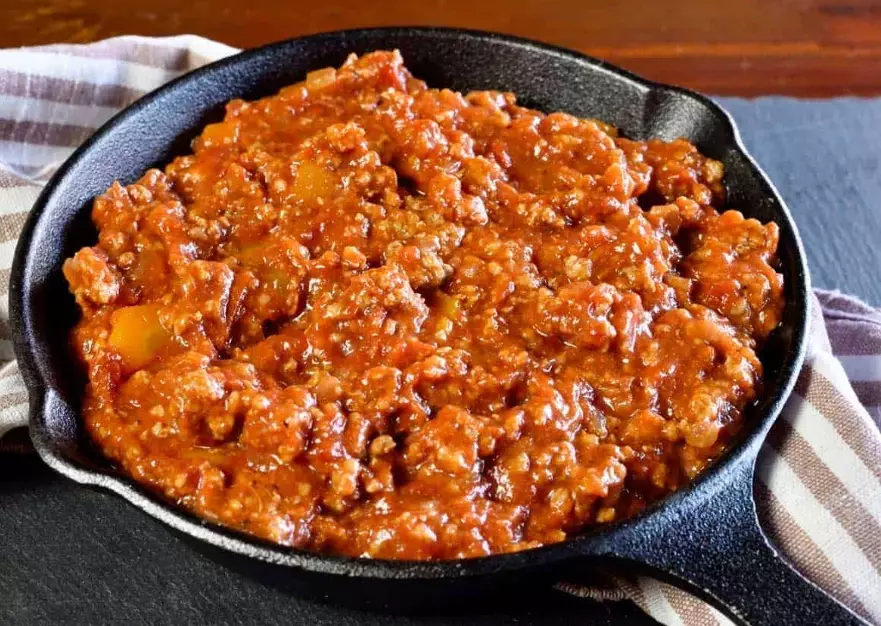
Authentic Italian Bolognese Recipe: The Real Ragù from Bologna
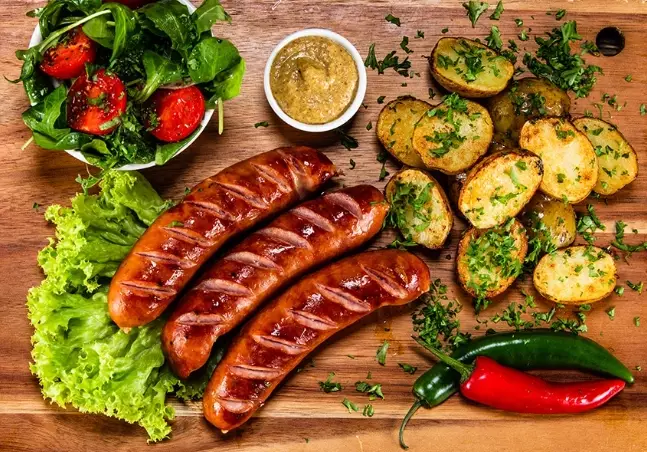
What Side Dishes to Serve with Sausage? 15 Perfect Pairings & Recipes
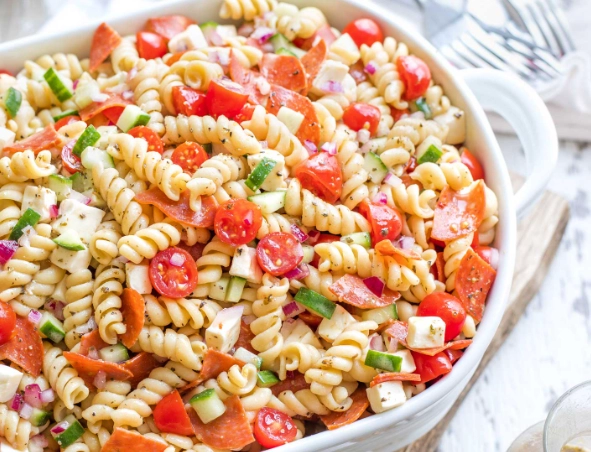
Authentic Italian Pasta Salad Recipe: Easy & Flavorful
Authentic Italian Chicken Recipes: From Classics to Modern Twists
Italian Vinaigrette Recipe: The Only Guide You'll Ever Need
Italian Pasta e Fagioli Soup Recipe: Authentic & Easy
Traditional Italian Cookie Recipes: Biscotti, Amaretti & More
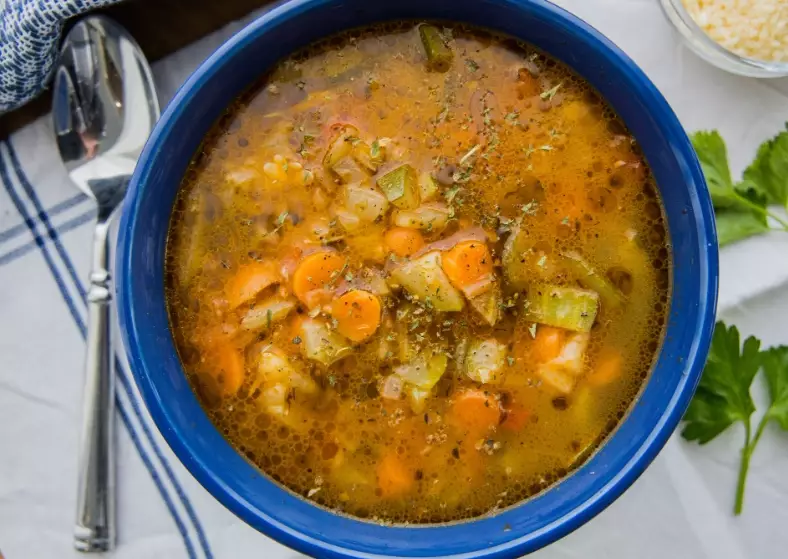
Easy Authentic Italian Minestrone Soup Recipe & Secrets
Leave a Comment