Ultimate Guide to Classic Italian Cookie Recipes: Authentic & Easy
You want that authentic Italian bakery taste at home, right? The kind that makes you close your eyes and think of a sun-drenched piazza. Forget the overly sweet, uniform stuff from the supermarket. Real Italian cookies, or biscotti in the broad sense, are about texture, simple high-quality ingredients, and recipes passed down through nonne (grandmothers). This guide isn't just a list. It's your toolkit for mastering the five essential Italian cookies that define the category, complete with the little tricks most recipes gloss over. I've burned my share of almond biscuits to learn them.
What's Inside This Guide?
The 5 Essential Italian Cookies Every Baker Should Master
Let's cut to the chase. If you master these five, you've covered the spectrum of Italian cookie artistry. They range from twice-baked and crunchy to soft and cake-like. Here’s a quick cheat sheet before we dive into the details.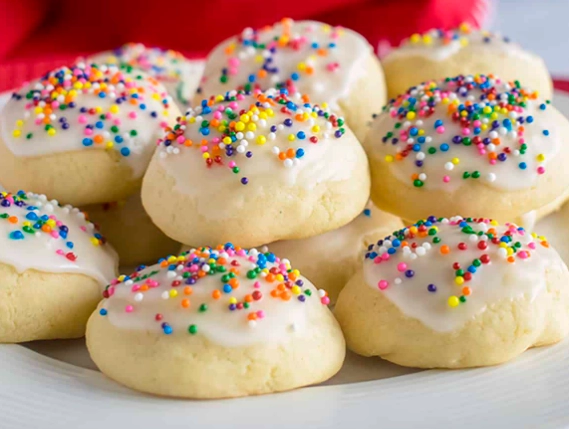
| Cookie Name | Texture | Key Flavor | Difficulty | Perfect For |
|---|---|---|---|---|
| Biscotti di Prato | Hard, crunchy, dunkable | Almond, Anise | Easy | Coffee, Vin Santo |
| Brutti ma Buoni | Chewy-crisp, meringue-like | Hazelnut, Toasty | Medium | Tea, Afternoon snack |
| Ricotta Cookies | Soft, cakey, tender | Lemon, Vanilla | Easy | Holidays, Festive trays |
| Amaretti | Chewy, dense, macaron-like | Bitter Almond | Medium | Dessert garnish, Gift |
| Baci di Dama | Buttery, crumbly, sandwiched | Hazelnut, Dark Chocolate | Medium | Elegant occasions |
1. Biscotti di Prato: The Ultimate Dunking Cookie
This is the king. The word "biscotti" literally means "twice-cooked," and this is the prototype. Most recipes get the basics right: flour, sugar, eggs, almonds, baking powder. But the secret isn't in the ingredients list—it's in the shape and the second bake.
Everyone tells you to form logs. But if you make them too tall, the center stays soft and they break unevenly. Form two flat, wide logs—about 1 inch tall and 3 inches wide—on your baking sheet. After the first bake, let them cool just enough to handle. Slice on a sharp diagonal, not straight down. More surface area means more crunch. Lay them cut-side up for the second bake. Don't be afraid to let them get a deep golden brown. A pale biscotti is a sad biscotti.
2. Brutti ma Buoni ("Ugly but Good")
The name says it all. These rustic hazelnut meringue cookies are lumpy, craggy, and absolutely delicious. The base is a French meringue (egg whites and sugar whipped) folded with finely ground toasted hazelnuts. The common failure point? Under-folding.
If you're too gentle, the meringue deflates dramatically in the oven. You need to fold aggressively enough to deflate the meringue by about a third. The batter should look messy and thick, not light and airy. Drop them in ugly blobs on parchment. They'll come out with a crisp shell and a chewy, nutty interior. Trust the process.
3. Ricotta Cookies: The Soft, Cakey Staple
These pillowy-soft cookies, often iced with a simple glaze, are a holiday staple in Southern Italian homes. The ricotta is the magic ingredient, providing fat, moisture, and a subtle tang. The biggest mistake is using the wrong ricotta.
You need whole milk ricotta, and it should be well-drained. If it's swimming in whey, your dough will be a wet mess. Dump it in a fine-mesh strainer for 15-20 minutes before using. The dough will be sticky—that's normal. Chill it for at least an hour, and use a cookie scoop for uniform, easy handling.
How to Make Perfect Italian Cookies: The Non-Negotiable Rules
You can have the best recipe and still fail if you ignore these fundamentals. After years of testing (and tasting), these are the rules I live by.
Rule 1: Weigh Your Ingredients, Especially Flour. This is the single biggest upgrade you can make. A "cup" of flour can vary by 20% depending on how you scoop it. That's the difference between a tender cookie and a dry brick. A simple digital scale is cheap and transformative. For Italian cookies, precision with almond flour and semolina is also critical.
Rule 2: Nut Flour Quality is Everything. Almond flour and hazelnut flour can go rancid quickly. Buy from a store with high turnover, store it in the fridge or freezer, and always give it a sniff before using. Stale nut flour tastes bitter and flat, ruining the entire batch. Resources like the Academia Barilla guide emphasize using fresh, high-quality nuts as the foundation of Italian baking.
Rule 3: Patience with Chilling and Resting. Italian cookie doughs are often sticky or soft. That hour of chilling in the fridge isn't a suggestion—it's what allows the flavors to meld and the dough to become workable. Rushing this step leads to cookies that spread too much or have a raw flour taste.
Rule 4: Know Your Oven's Personality. Oven thermostats are notoriously inaccurate. Get an inexpensive oven thermometer. Italian cookies often bake at moderate temperatures (325°F to 350°F / 160°C to 175°C). If your oven runs hot, those delicate nut flavors will burn before the cookie sets. The visual cues in the recipe ("golden brown around the edges") are more reliable than the timer.
Italian Cookie FAQs: Solving Your Baking Mysteries
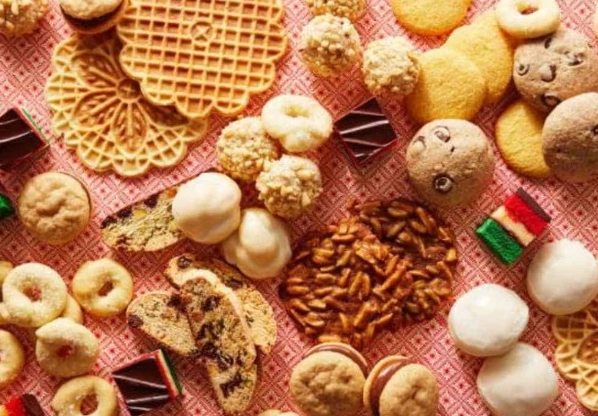

The beauty of these best italian cookie recipes is their simplicity and soul. They're not about fancy piping or food coloring. They're about the honest flavor of good ingredients treated with respect. Start with the biscotti. Master the slice. Then move on to the chewy challenge of brutti ma buoni. Before you know it, your kitchen will smell like a tiny corner of Italy, and you'll have a repertoire of easy italian cookie recipes that never fail to impress. Now, go preheat your oven—and don't forget to check that temperature with a thermometer.
Related Articles
Top 10 Italian Pasta Dishes: A Guide to Classics

Simple Italian Cookie Recipes: 3 Classics You Can Master
Authentic Italian Porchetta Recipe: Crispy, Juicy Roast Pork
Authentic Italian Sausage Recipe: Tips from a Butcher
Authentic Italian Chicken Cacciatore Recipe: A Hunter's Stew

Three years and five visits to the Hong Kong Stock Exchange, can Wumart realize
What is a Good Appetizer Before Pasta Dinner? 15+ Expert Picks & Pairing Guide
Simple Italian Sausage Dinners: Quick Recipes for Busy Nights

Why did China Resources take over Tasly?
Italian Vinaigrette vs Italian Dressing: The Real Difference Explained
What are the 4 Classic Italian Dishes? A Food Lover's Guide
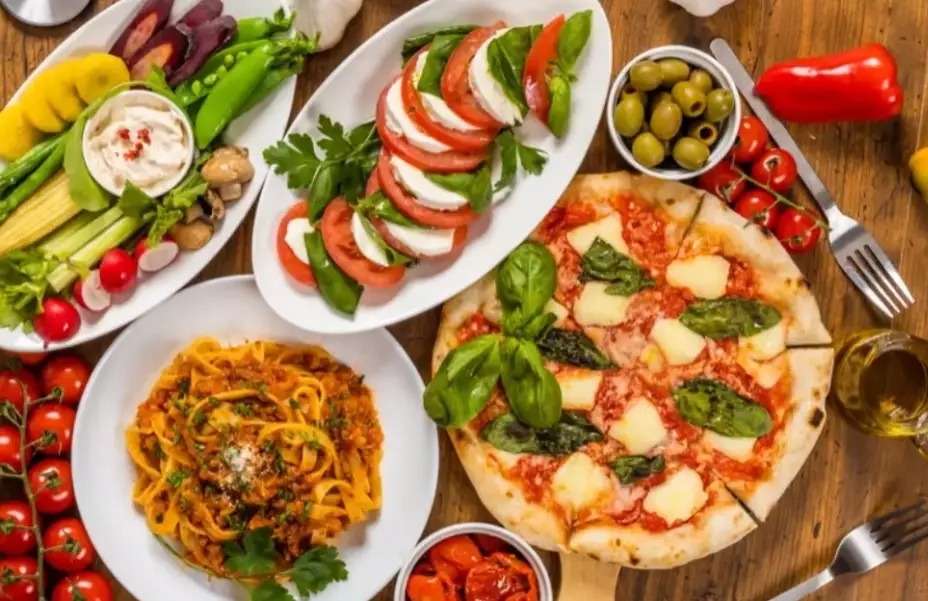
What to Bring to an Italian Dinner Party: The Ultimate Guest's Guide
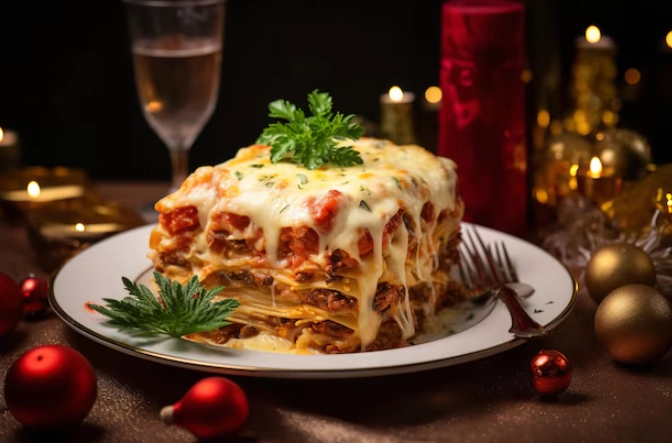
Traditional Italian Holiday Dinner Recipes: A Complete Guide to a Festive Feast
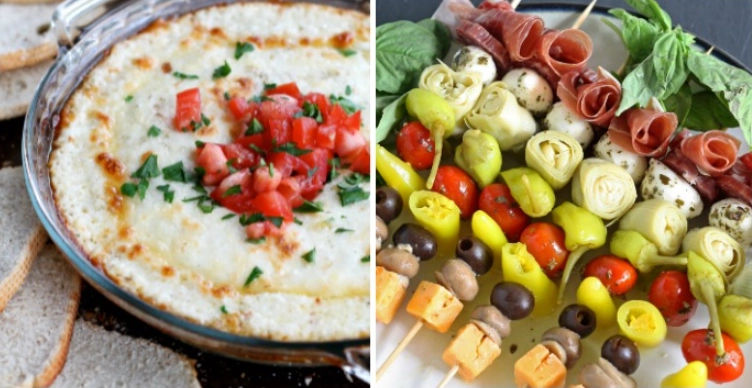
Easy Italian Appetizer Recipes for a Crowd: Make-Ahead & Crowd-Pleasing Ideas
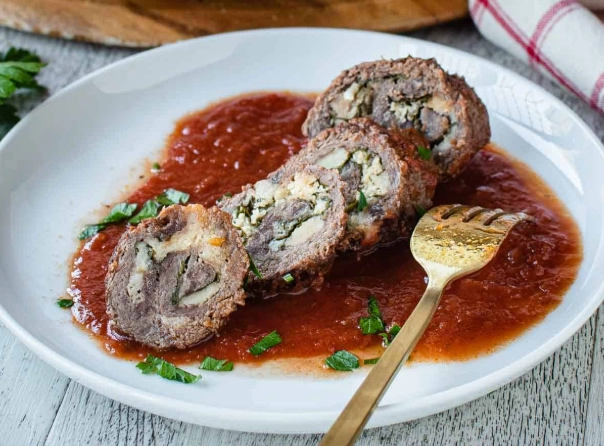
Italian vs American Braciole: The Real Differences Explained
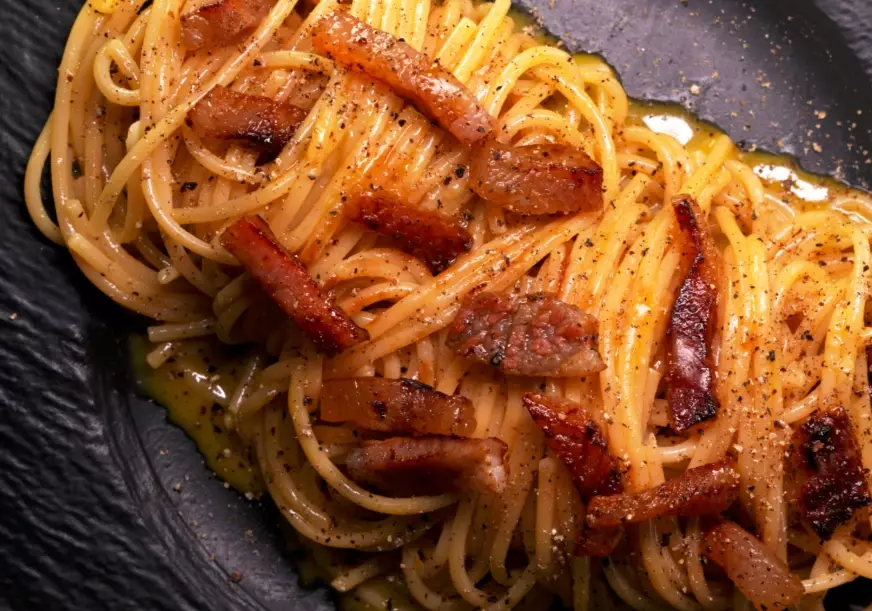
Authentic Carbonara Recipe: The ONLY Way to Make It Right
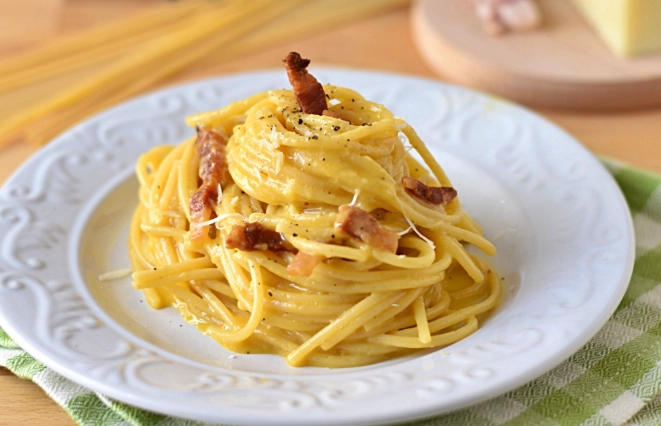
The Best Pasta Carbonara Recipe: Authentic Roman Secrets Revealed
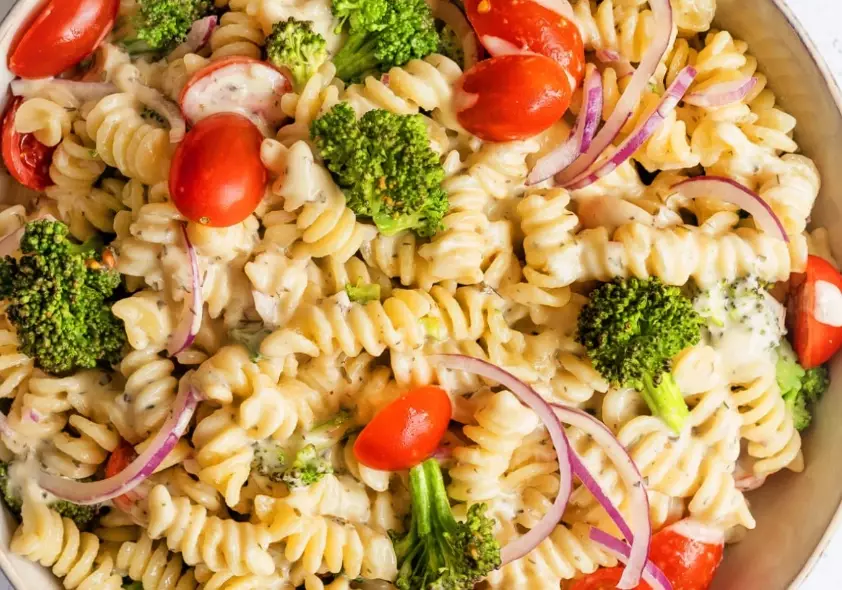
Perfect Pasta Salad Recipe with Homemade Italian Dressing
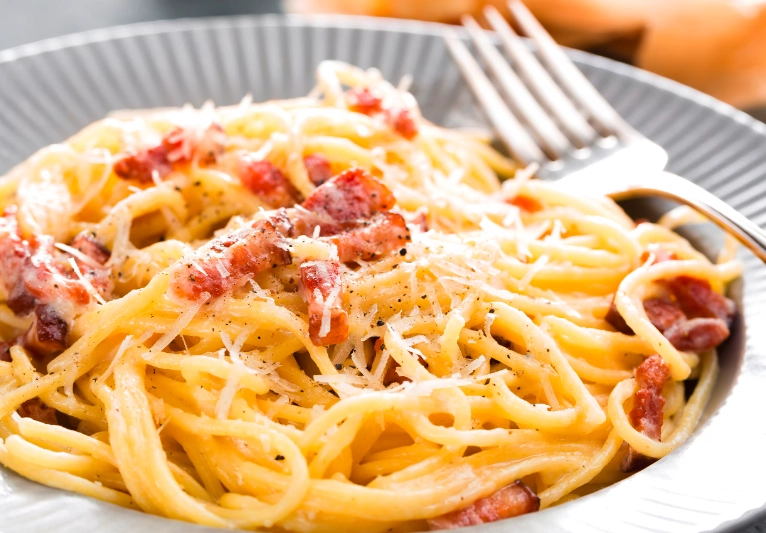
Authentic Carbonara Recipe: Traditional Italian Pasta Without Cream
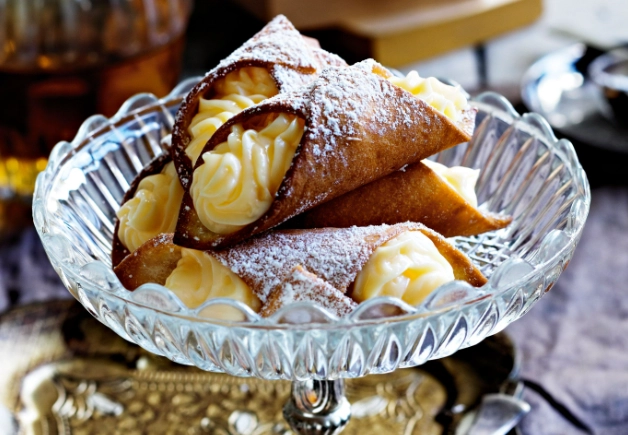
Authentic Italian Dessert Recipes: From Tiramisu to Cannoli

Performance exploded! Sungrow Power Supply made a huge profit of tens of billion

Paris Notes 10: Visiting Galeries Lafayette, more than half of the "saleswomen"
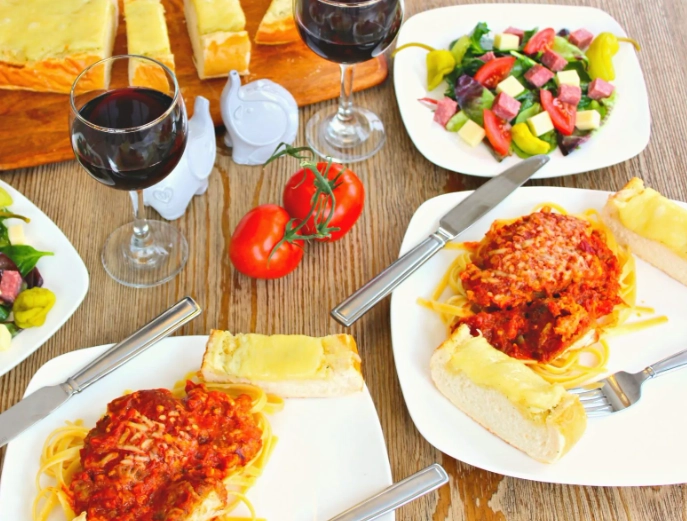
Simple Italian Holiday Dinner Recipes: Effortless & Authentic Feasts
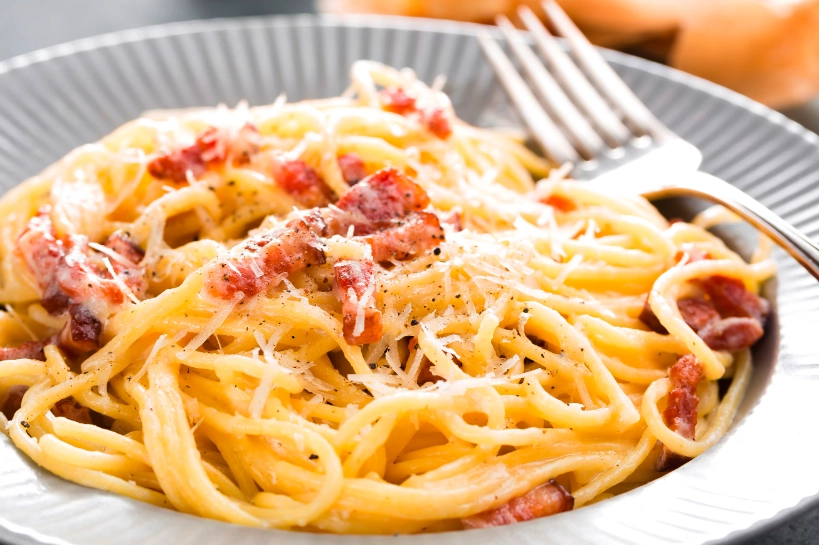
Authentic Pasta Carbonara Recipe: Original Italian Method (No Cream!)
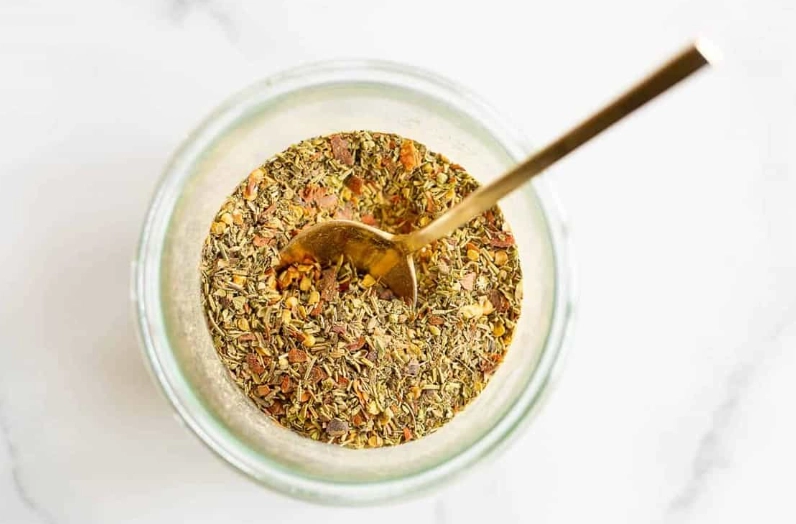
Craft Your Own Italian Seasoning Recipe: A Complete Guide to Homemade Flavor

Restarting private investment|"Caijing" special report
Authentic Gremolata Recipe: The Simple Italian Condiment That Elevates Any Dish
Authentic Italian Spaghetti Sauce Recipe (Ragù alla Bolognese)

Two 1 billion US dollars of large model financing, Internet giants are starting
Leave a Comment