Simple Italian Green Salad Recipe & Authentic Dressing Tips
Let's be honest. Most of us have messed up a simple green salad. You toss some romaine in a bowl, drown it in bottled dressing, and end up with a soggy, vinegary mess that gets pushed to the side of the plate. The real Simple Italian Green Salad is the opposite. It's a lesson in restraint, quality, and technique. It's not a side thought; it's a vibrant, essential part of the meal designed to cleanse the palate and refresh you between bites of rich pasta or grilled meats. I learned this not in a fancy culinary school, but by watching my friend's nonna in a small town outside Bologna. She could make a bowl of lettuce taste like sunshine.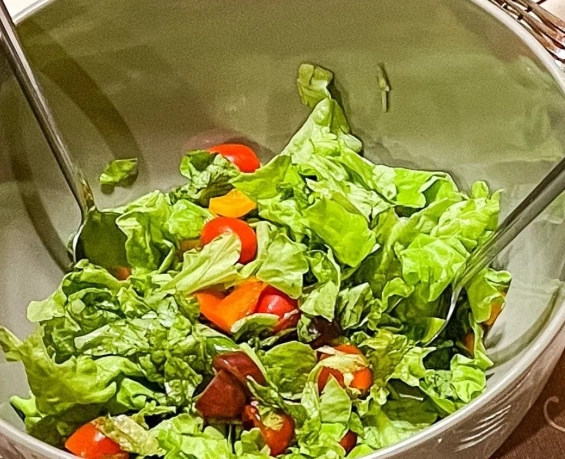
Your Quick Guide to Salad Success
- The Core Philosophy of a True Italian Salad
- Selecting Your Greens: Beyond Iceberg
- The Dressing Breakdown: A 3:1 Ratio is Just the Start
- Step-by-Step Assembly: The Order Changes Everything
- Common Mistakes and How to Fix Them
- Perfect Pairings: What to Serve With Your Salad
- Expert FAQ: Your Questions, Answered
The Core Philosophy of a True Italian Salad
In Italy, this salad is called "insalata verde" or "insalata mista." Its purpose is specific: to be light, crisp, and slightly acidic to cut through the flavors of the main course. It's never weighed down with chunks of cheese, croutons, or sweet fruits. The magic lies in the harmony of three elements: perfectly dry and crisp greens, a balanced, emulsified dressing that coats rather than drowns, and seasoning applied at the right moment.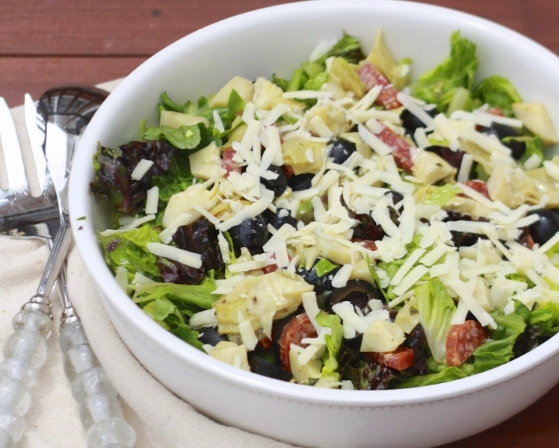
Think of it as the refreshing pause in your meal. After a few bites of creamy carbonara, a forkful of this salad resets your taste buds. That's its job.
Key Takeaway: An authentic Simple Italian Green Salad is a palate cleanser, not a meal-in-a-bowl. Its simplicity is intentional and requires attention to detail.
Selecting Your Greens: Beyond Iceberg
This is where most home cooks take the first wrong turn. A bag of pre-washed spring mix is convenient, but it often contains delicate greens (like spinach) that wilt instantly under dressing and bitter varieties that can dominate. For the classic texture and mild flavor profile, you want a mix of crispness and tenderness.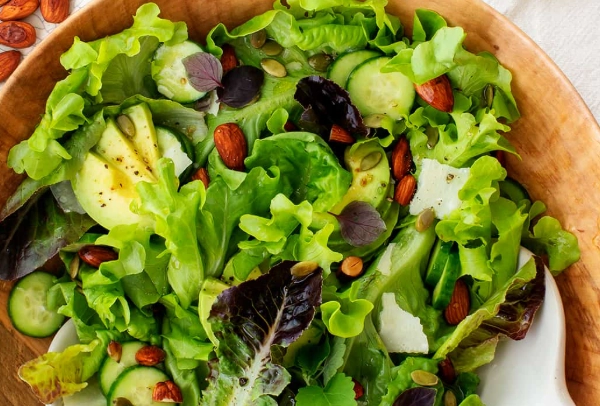
Here’s my go-to combination, which mirrors what you'd find in a trattoria:
- Romaine Lettuce (Cuore di Romana): Provides the crucial crunch and body. Use the inner, lighter green leaves for more tenderness.
- Tender Butter Lettuce: Adds a soft, almost sweet buttery texture that contrasts beautifully with the romaine.
- Wild Arugula (Rucola Selvatica): Just a handful. This is the secret weapon. It adds a subtle, peppery spark without being aggressive. Avoid the larger, mature arugula which is too bitter.
Wash your greens in very cold water. This is non-negotiable. Then, and this is the step 90% of people skip: dry them obsessively. Water is the enemy of dressing adhesion and causes immediate sogginess. Use a salad spinner, then pat them down with a clean kitchen towel. Your greens should be bone-dry.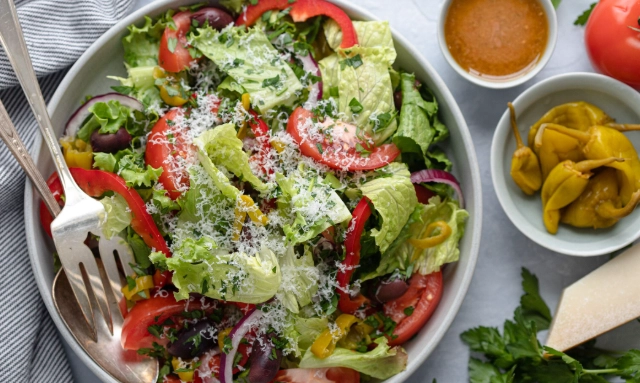
The Dressing Breakdown: A 3:1 Ratio is Just the Start
The famous "3 parts oil to 1 part vinegar" ratio is a good foundation, but it's a guideline, not a rigid rule. The quality of those parts matters infinitely more.
| Ingredient | Recommendation & Why | Common Pitfall |
|---|---|---|
| Extra Virgin Olive Oil | Use a robust, fruity EVOO from Italy (like from Puglia or Sicily). It's the flavor backbone. A mild oil gets lost. | Using "light" olive oil or neutral vegetable oil. You lose all character. |
| Vinegar | Red or White Wine Vinegar is traditional. For a smoother touch, use fresh lemon juice. Sherry vinegar can be too strong. | Using balsamic vinegar. It's too sweet, thick, and dark for a *green* salad. Save it for caprese. |
| Salt | Fine sea salt or kosher salt. It must dissolve. Iodized table salt can leave a metallic taste. | Adding salt to the bowl of greens before dressing. It draws out water and wilts them. |
| Black Pepper | Freshly cracked. The pre-ground powder is flavorless dust in comparison. | Using too little. A good amount of pepper is essential. |
| Optional: Garlic | Rub a peeled clove around the inside of the empty salad bowl. It gives a whisper of flavor without chunks. | Mincing garlic into the dressing. It overpowers and can burn the palate. |
Here’s my method: In a small jar or bowl, combine 1 tablespoon of vinegar (or lemon juice) with a big pinch of salt and a generous amount of cracked pepper. Whisk or shake until the salt mostly dissolves. Then add 3 tablespoons of your best olive oil. Shake or whisk vigorously until it's slightly creamy and emulsified. This order helps the salt dissolve in the acid first, creating a more cohesive dressing.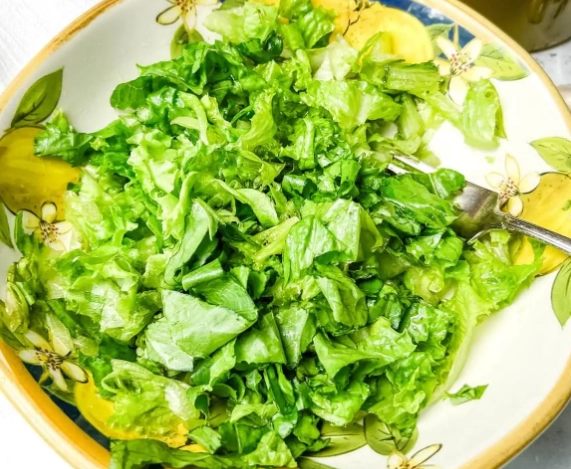
Step-by-Step Assembly: The Order Changes Everything
The sequence of events is critical. Doing this wrong ruins all your careful prep.
- Chill your bowl. A ceramic or glass bowl chilled in the freezer for 10 minutes keeps everything crisper.
- Prepare the greens. Tear, don't cut, your dried greens into bite-sized pieces into the chilled bowl. Cutting can bruise the edges.
- Dress the bowl, not the leaves. Pour about half of your dressing around the inner sides of the bowl, not directly on top of the greens.
- Toss with intent. Using your hands or salad tongs, lift and fold the greens from the bottom up, gently coating them. This is gentler than stabbing and stirring.
- Taste and adjust. Take a leaf. Need more dressing? Add the remaining bit by bit. Need more salt or acid? Adjust the dressing in your small jar first, then add. You can't remove seasoning once it's in the bowl.
- Serve immediately. This salad has a 5-minute window of perfection. Plate it right away.
The #1 Mistake I See: People make the dressing in the bottom of the salad bowl, then pile greens on top and toss. The bottom leaves get soaked while the top ones are bare. Dressing the bowl's sides first ensures even distribution from the first toss.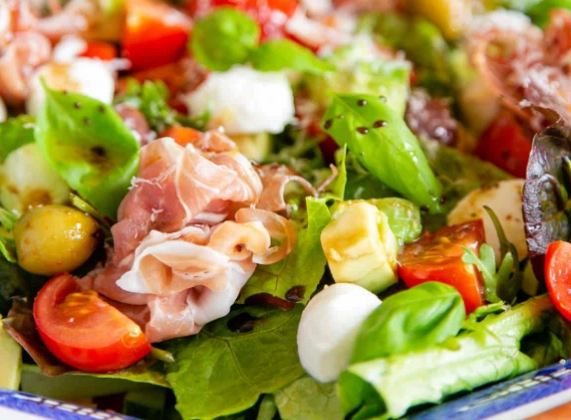
Common Mistakes and How to Fix Them
Let's troubleshoot based on years of eating (and making) bad salads.
- Problem: Soggy, wilted lettuce within minutes.
Cause: Wet greens or adding salt directly to them.
Fix: Dry greens like your dinner depends on it. Only salt the dressing. - Problem: Dressing pools at the bottom of the bowl.
Cause: Dressing wasn't emulsified, or greens were too cold/wet causing the oil to solidify slightly.
Fix: Shake/whisk your dressing vigorously until creamy. Ensure greens are dry and your bowl is cool, not ice-cold. - Problem: Salad tastes harsh or too vinegary.
Cause: Low-quality vinegar or simply too much acid.
Fix: Use a better vinegar and start with a 3.5:1 oil-to-vinegar ratio. You can always add more acid. - Problem: No flavor.
Cause: Underseasoned dressing or bland oil.
Fix: Taste your dressing on a piece of lettuce before tossing the whole salad. Be bold with salt and pepper.
Perfect Pairings: What to Serve With Your Salad
This salad is designed to complement, not compete. Here’s how to place it in your meal:
- The Classic Trattoria Move: Serve it after the pasta course and before or alongside the main protein (like a grilled chicken scaloppine or roast lamb). This is the authentic sequence.
- Weeknight Dinner Shortcut: Serve it directly alongside a hearty dish like Epicurious's classic lasagna or a frittata. The acidity cuts the richness perfectly.
- Lighter Meal: Pair it with a thick slice of frittata, some cured meats (prosciutto), and crusty bread for a complete, light lunch.
It's not meant to go with Asian or heavily spiced cuisines. Its flavor profile is distinctly Mediterranean.
Expert FAQ: Your Questions, Answered
Can I make the dressing ahead of time for my Simple Italian Green Salad?
You can mix the oil and vinegar a few hours ahead, but shake it again vigorously right before using. For the best flavor, I prefer making it fresh. The aromas of freshly cracked pepper and the vibrant taste of just-opened olive oil fade over time. If you must prep, combine everything except the oil, then whisk the oil in at the last second.
My Italian green salad dressing always separates. What am I doing wrong?
Separation is natural for a vinaigrette, but a proper emulsion holds for a few minutes—long enough to dress the salad. The key is dissolving the salt in the vinegar first, then adding the oil slowly while whisking aggressively. A tiny dab of Dijon mustard (about 1/4 teaspoon) acts as a natural emulsifier and is a common, though not universal, Italian trick. It won't alter the flavor noticeably.
What's a good substitute for wine vinegar in an easy Italian salad?
Freshly squeezed lemon juice is the absolute best and most authentic substitute. In many parts of Southern Italy, it's preferred. Use the juice of half a lemon (about 1.5 tbsp) in place of 1 tbsp of vinegar. The flavor is brighter and cleaner. Avoid distilled white vinegar—it's too harsh.
How do I scale up a simple Italian salad for a dinner party without it getting soggy?
Prep in layers and dress at the very last second. Dry all your greens and keep them in a bag or container lined with a paper towel in the fridge. Make a quadruple batch of dressing in a large jar. Chill your serving bowl. When guests are seated for the first course, combine the greens in the bowl, shake the dressing like crazy, pour it around the sides, and toss at the table. The theatrical touch is very Italian, and it guarantees crispness.
Is it ever okay to add other vegetables like tomatoes or cucumbers?
Then it becomes a different salad—an "Insalata Mista" or "Insalata di Pomodoro." A true *green* salad (insalata verde) is just greens. If you add cherry tomatoes or shaved fennel, it's delicious, but it's no longer the classic, focused palate-cleanser. For authenticity, keep it green. For your own kitchen, do what tastes good, but know the distinction.
Mastering the Simple Italian Green Salad is a small victory with a big payoff. It transforms a mundane side into an intentional, refreshing part of your culinary rhythm. It teaches you about quality ingredients, technique, and balance. Next time you're tempted to just open a bag of salad, take those extra ten minutes. Wash, dry, whisk, and toss with care. The difference isn't subtle—it's the difference between something you eat and something you enjoy.
Related Articles
Authentic Italian Peasant Food: Simple Recipes & Where to Eat
Traditional Italian Baked Ziti Recipe: Authentic Step-by-Step Guide
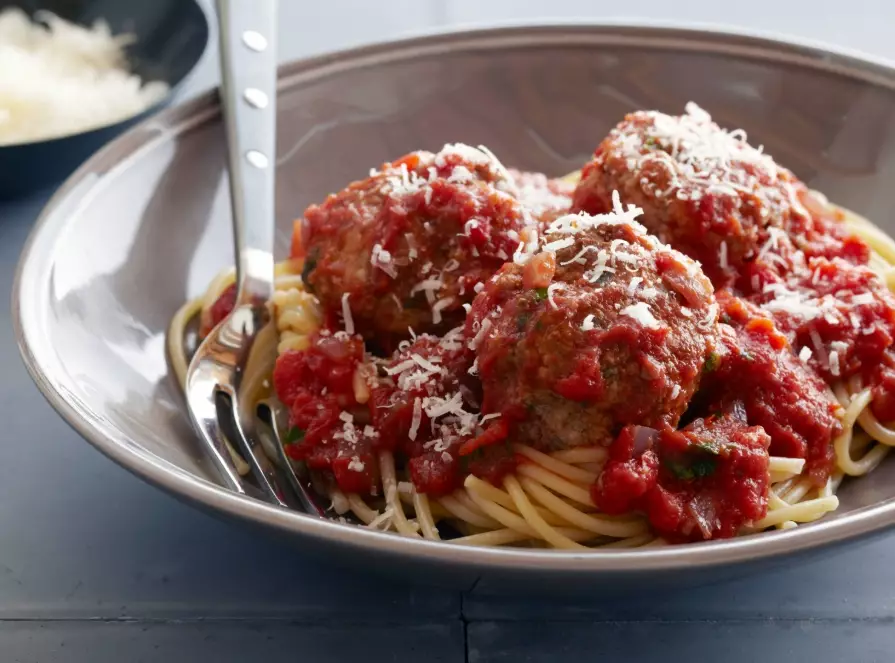
The Ultimate Guide to Authentic Italian Meatballs: A Family Recipe
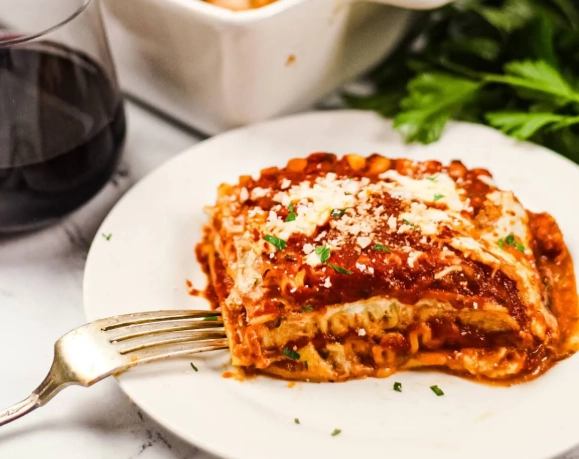
Authentic Italian Dinner Recipes & Essential Secrets Explained
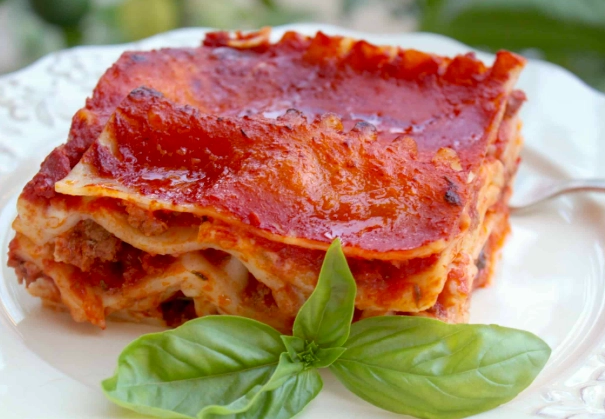
Authentic Italian Recipes: Your Ultimate Guide to Mastering Classics at Home
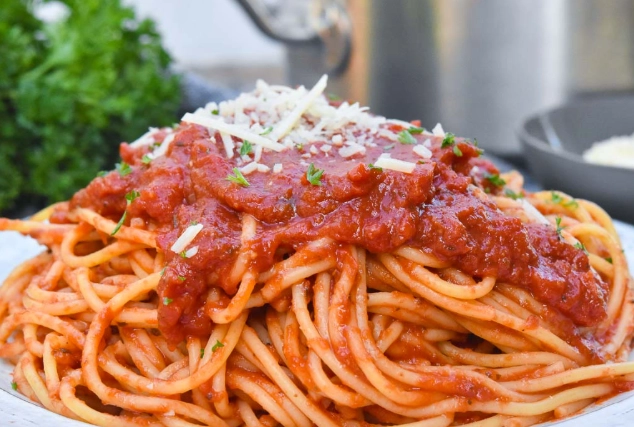
Authentic Italian Spaghetti Sauce Recipe (Ragù alla Bolognese)
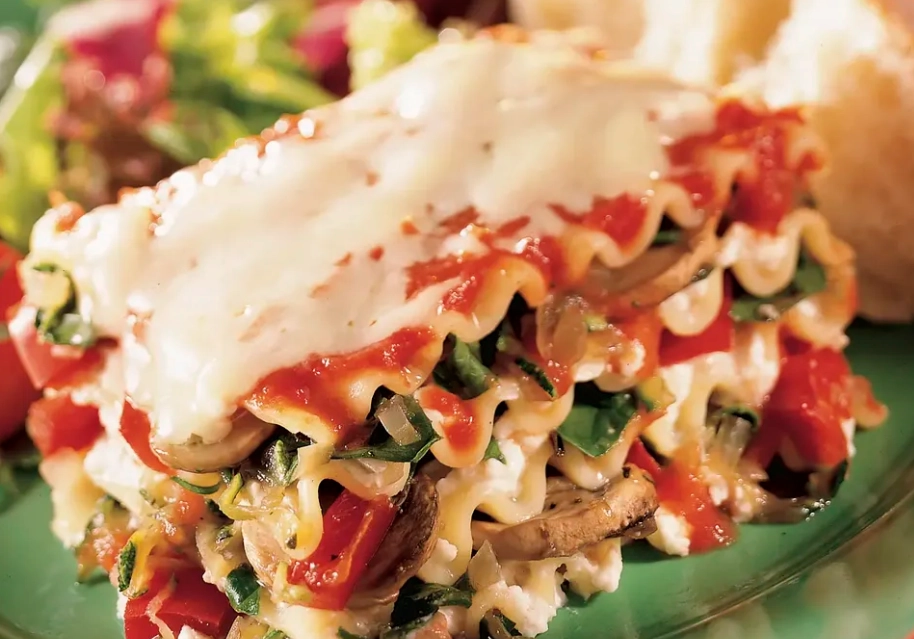
Simple Italian Vegetarian Recipes: 5 Easy Dishes for Weeknights
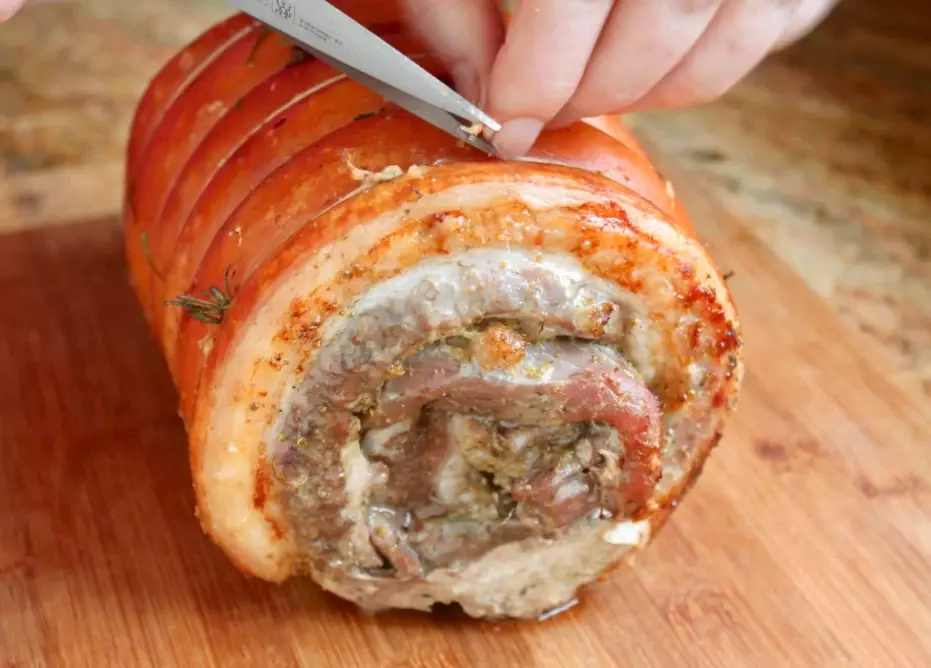
Authentic Italian Porchetta Recipe: Crispy, Juicy Roast Pork
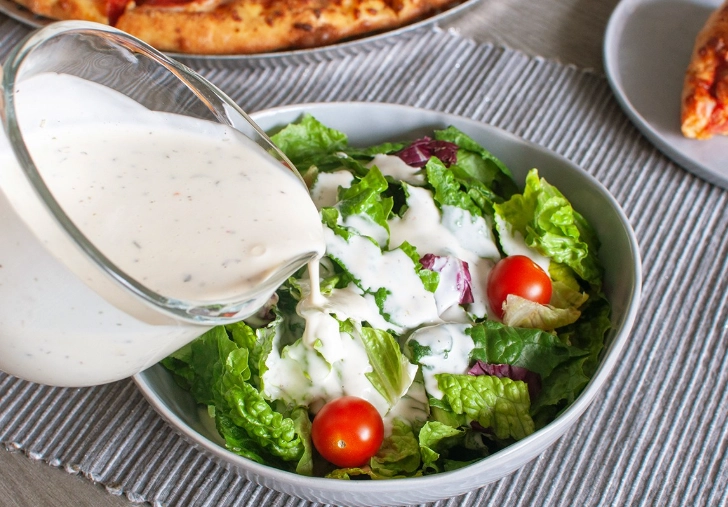
Easy Creamy Italian Dressing Recipe (Better Than Store-Bought)

Authentic Italian Cookies Recipe: A Guide to Classic Biscotti & More
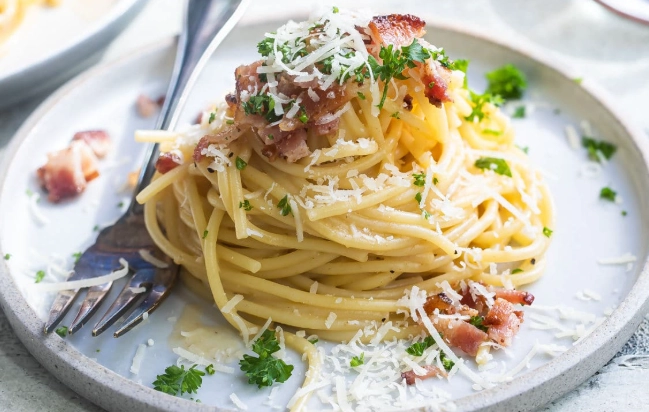
Authentic Italian Carbonara Recipe: The Only Guide You'll Ever Need
Italian Sauce Recipe: Secrets from a Nonna's Kitchen
Italian vs American Braciole: The Real Differences Explained
Ultimate Italian Beef Crock Pot Recipe: Tender & Juicy
A Complete Guide to the Traditional Southern Italian Christmas Dinner Feast
Authentic Italian Regional Recipes Guide: Cook from Source
Authentic Italian Chicken Recipes: From Classic Pollo alla Cacciatora to Modern Favorites
Authentic Italian Pasta Recipes: From Carbonara to Pesto
Ultimate Guide to Spaghetti Pasta Recipes: Easy, Authentic & Creative
Authentic Italian Minestrone Soup Recipe: A Hearty Classic
Easiest Italian Food to Make: 5 Simple Recipes for Beginners
A Typical Italian Dinner at Home: The Real Menu & Traditions

Two 1 billion US dollars of large model financing, Internet giants are starting
Mastering Italian Fish Recipes: From Classic to Coastal

Perfect Pairings: What to Serve with Italian Sausage for Dinner
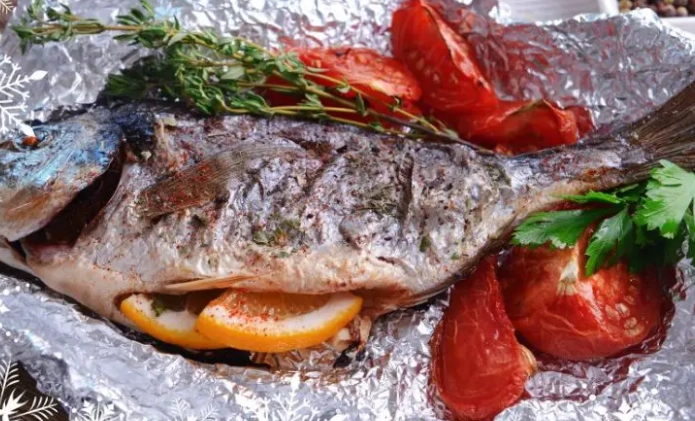
Italian Christmas Dinner Courses: A Complete Traditional Feast Guide
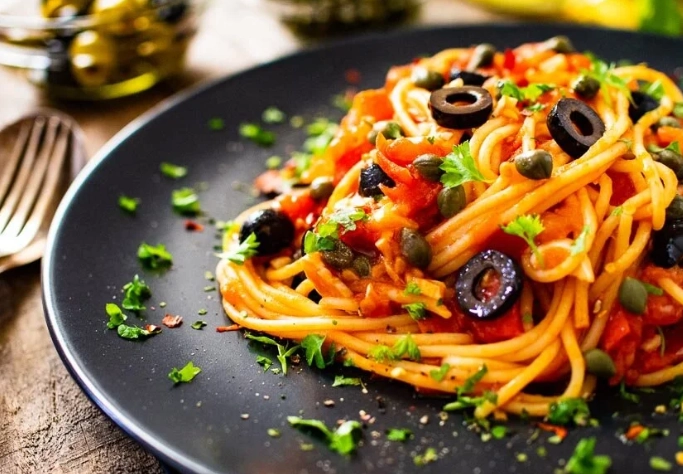
4 Famous Italian Pastas: Types, History & Cooking Guide
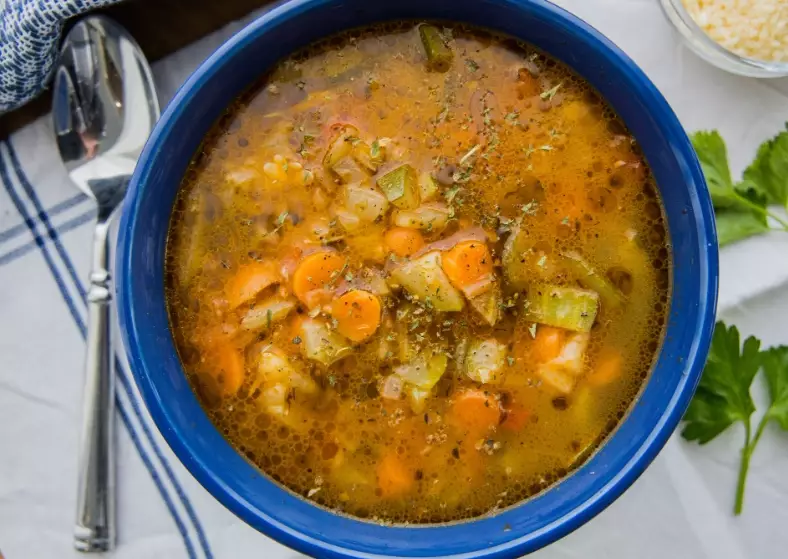
Easy Authentic Italian Minestrone Soup Recipe & Secrets
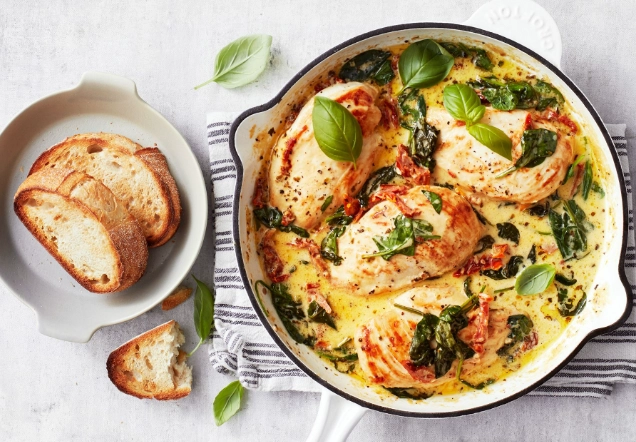
Authentic Italian Dinner Recipes from Regional Cuisines

Leave a Comment