Simple Italian Salad Recipes: Easy, Authentic & Delicious
Let's talk about simple Italian salads. Not the complicated, over-dressed plates you sometimes get, but the real deal. The kind you'd find in a trattoria in Rome or a home kitchen in Tuscany. They're built on a few non-negotiable principles: the best ingredients you can find, minimal fuss, and respect for flavor. Forget the ten-ingredient dressing. Here, olive oil, vinegar, salt, and pepper are often the only heroes you need.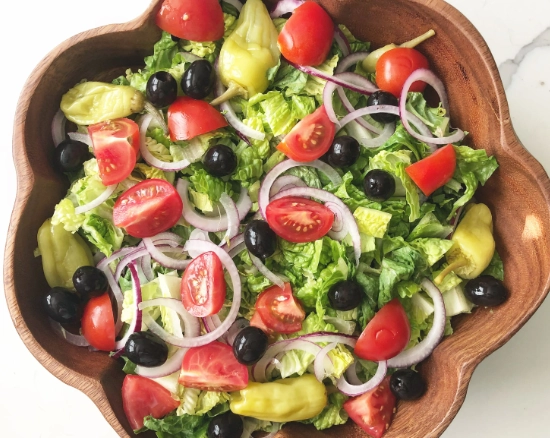
I've spent years cooking and eating my way through Italy, and the biggest lesson? Simplicity isn't lazy. It's confident. A great Italian salad is about making a few excellent things sing together. It solves the weeknight dinner side dish problem, the "I need something fresh" lunch problem, and the "how do I impress guests without stress" problem.
This guide will walk you through three foundational recipes that cover most bases. We'll also dig into the why behind the what—those little tricks that turn ingredients into a memorable dish.
What's Inside This Guide
How to Make Authentic Insalata Caprese
This is the poster child for simple Italian salads. When done right, it's stunning. When done wrong, it's a sad, watery plate. The key is treating each component with care.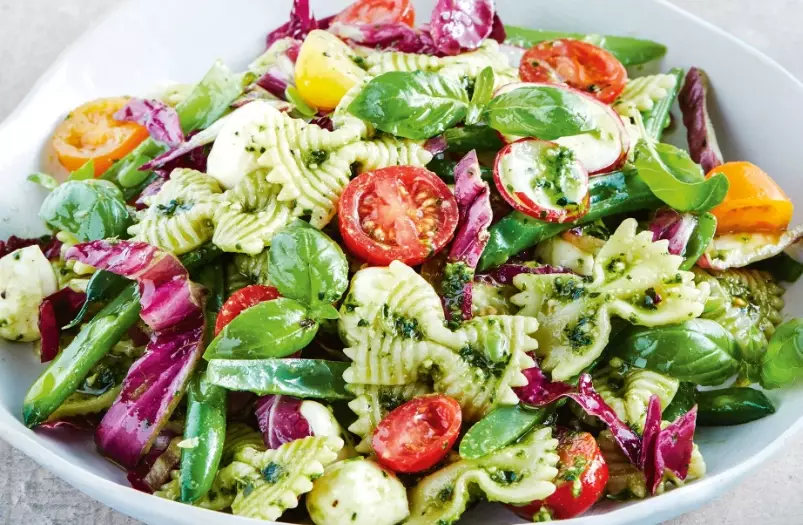
Insalata Caprese Recipe
What you need:
- Tomatoes: 2-3 large, ripe beefsteak or heirloom tomatoes. Not refrigerated. If they're not in season, use the best cherry tomatoes you can find.
- Fresh Mozzarella: 1 ball (about 8 oz/225g) of mozzarella di bufala (buffalo mozzarella) or fior di latte (cow's milk mozzarella). The packed-in-water kind, not the low-moisture block.
- Fresh Basil: A big handful of leaves.
- Extra Virgin Olive Oil: The good stuff. You'll taste it.
- Salt: Flaky sea salt like Maldon or a fine sea salt.
- Optional: A drizzle of aged balsamic glaze (not cheap, watery vinegar).
What to do:
- Slice the tomatoes about 1/4-inch thick. Arrange them on a plate, slightly overlapping.
- Slice the mozzarella to a similar thickness. Tuck the slices between the tomato slices.
- Tear the basil leaves by hand (cutting bruises them) and scatter them generously over the top.
- Drizzle a generous amount of olive oil over everything.
- Sprinkle with a good pinch of flaky salt just before serving. Add balsamic glaze if using.
The biggest mistake? Using cold cheese straight from the fridge. It mutes the flavor and can make the tomatoes weep. Take the mozzarella out of its water, pat it dry gently, and let it sit on the counter for 20-30 minutes before slicing.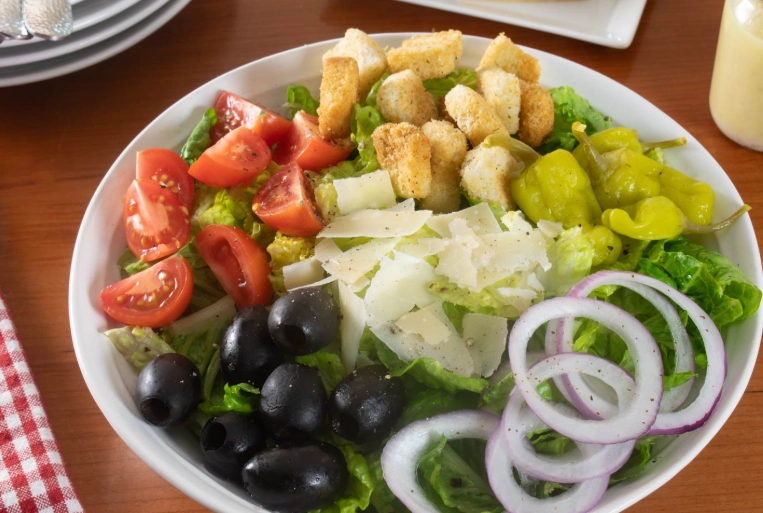
Panzanella: The Ultimate "Nothing Goes to Waste" Salad
Born from thrift, this Tuscan bread salad transforms stale bread into something magical. It's a hearty, flavor-packed salad that can be a meal on its own.
Traditional Panzanella Recipe
What you need:
- Stale Bread: About 1/2 lb (225g) of a rustic, crusty loaf like ciabatta or sourdough. Day-old is perfect.
- Tomatoes: 1.5 lbs (700g) ripe tomatoes. A mix of types is great.
- Red Onion: 1 small, thinly sliced.
- Cucumber: 1 medium, peeled and chopped into chunks.
- Fresh Basil: A large bunch.
- Extra Virgin Olive Oil: 1/3 cup (80ml).
- Red Wine Vinegar: 3 tablespoons.
- Salt & Pepper: To taste.
What to do:
- Tear the bread into bite-sized chunks (don't cut it). Place in a large bowl.
- Chop the tomatoes into rough chunks. As you chop, let the juices and seeds fall into the bowl with the bread. This is crucial—the tomato juice soaks the bread.
- Add the chopped tomato flesh, onion, and cucumber to the bowl.
- In a small jar, shake together the olive oil, vinegar, a big pinch of salt, and pepper.
- Pour about 3/4 of the dressing over the salad and toss very well. Let it sit for at least 30 minutes, preferably an hour, at room temperature. The bread should soften but still have some chew.
- Just before serving, tear in the basil, add the remaining dressing if it looks dry, and toss again. Taste and adjust salt.
Here's where people go wrong: they soak the bread in water. Don't. The tomato juice and dressing provide all the moisture you need, and they provide flavor. Water just makes it soggy and bland. If your bread is rock-hard, you can sprinkle it with a little water, but the slow soak in dressing is the real secret.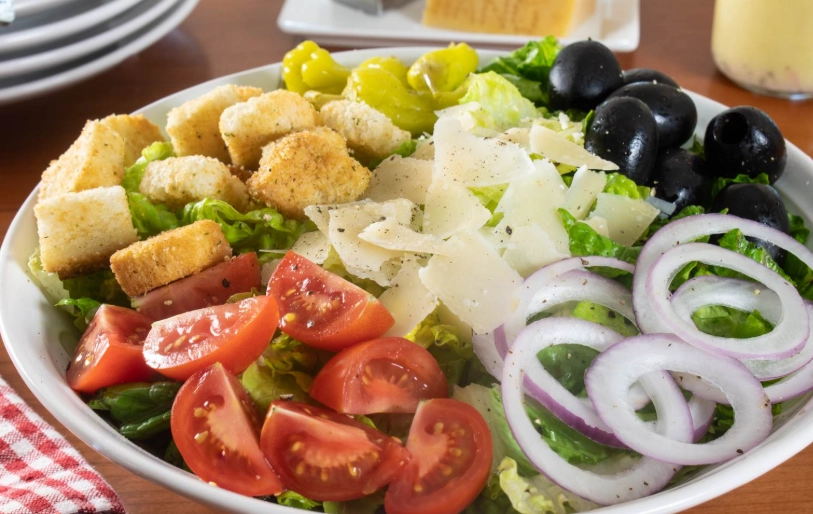
The Go-To Italian Green Salad & Dressing Formula
This is the workhorse. The salad that appears alongside every pasta dish. It's deceptively simple, and getting the dressing right is 90% of the battle.
Classic Italian Green Salad (Insalata Verde)
For the salad: A mix of textures works best. Think 50% tender greens (butter lettuce, red leaf) and 50% crisp greens (romaine, radicchio for bitterness, endive). Wash, dry thoroughly (a salad spinner is essential), and tear.
The Dressing Formula (La Vinaigrette): This isn't a recipe, it's a ratio you memorize: 3 parts oil to 1 part acid.
- Acid: Red wine vinegar is the standard. Fresh lemon juice is also fantastic.
- Oil: Extra virgin olive oil.
- Seasoning: Salt, freshly ground black pepper. Maybe a tiny bit of dried oregano.
- Method: Always mix in the bowl before adding greens. Put the vinegar, salt, and pepper in the bottom of your salad bowl. Whisk with a fork. Slowly drizzle in the olive oil while whisking until it emulsifies slightly. Taste a leaf dipped in it. Adjust.
Assembly: Add your perfectly dry greens to the bowl. Toss with your hands, lifting from the bottom, until every leaf is lightly coated. Serve immediately.
The cardinal sin? Putting wet greens in the dressing. The water repels the oil, so the dressing slides off and pools at the bottom of the bowl. You get bland leaves and a vinegary puddle. Dry greens are non-negotiable.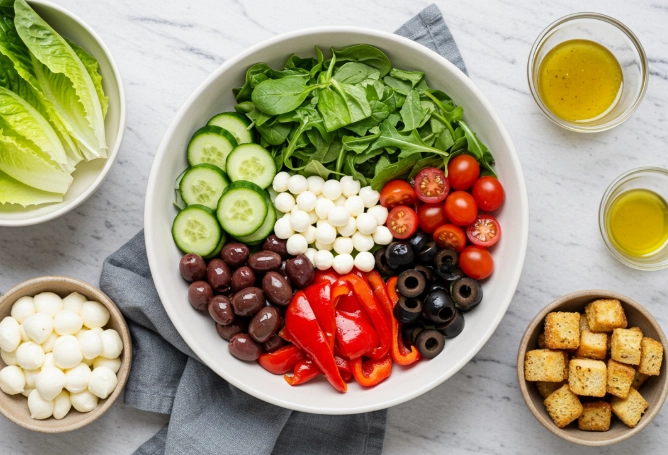
The Unwritten Rules of Simple Italian Salads
These ideas thread through every authentic recipe.
Season in Layers. Salt your tomatoes separately. Salt your dressing. Don't just rely on one final sprinkle. It builds depth.
Fat is Flavor. Don't be shy with good olive oil. It's a primary ingredient, not just a lubricant. A study published by the Olive Oil Times emphasizes that high-quality EVOO's polyphenols are key to both health and that distinctive peppery flavor.
Temperature Matters. Serve salads at room temperature, or slightly cool. Ice-cold ingredients numb your taste buds. Take things out of the fridge ahead of time.
Hands Are Tools. Tearing basil and lettuce prevents bruising you get from a knife. Tossing a salad with your hands is gentler and more thorough than with utensils.
Pro Tips & Common Pitfalls to Avoid
After cooking in a family-run place in Bologna, I learned a few things they don't always put in cookbooks.
Your Olive Oil Questions
Yes, you need extra virgin. But within that, choose a bottle labeled with a harvest date (within the last 18 months). Store it in a dark, cool place—not next to the stove. Heat and light are its enemies. If it tastes greasy or has no aroma, it's probably rancid or low quality.
The Cheese Swap Trap
In a Caprese, if you can't find fresh mozzarella, don't substitute with the low-moisture, pizza-type cheese. It's a different product entirely. Better to make a different salad. For a green salad, a few shavings of real Parmigiano-Reggiano (look for the pin-dots on the rind) beat a cup of pre-grated "parmesan" any day.
When to Dress
Green salads: Dress at the absolute last second.
Panzanella and bean salads: Dress early to let flavors marry.
Caprese: Dress just before serving, but you can prep components ahead.
Your Questions, Answered
Why does my Italian green salad always go soggy so fast?
I made a panzanella but the bread turned to mush. What happened?
What's a good vegetarian substitute for anchovies in a classic Caesar-style dressing?
My tomato and mozzarella salad releases so much water on the plate. How do I fix that?
Can I make any of these salads ahead for a dinner party?
The beauty of these simple Italian salad recipes is their flexibility. Once you grasp the core principles—quality ingredients, simple dressings, proper technique—you can improvise with confidence. That basket of farmers' market veggies? You'll know exactly what to do with it.
Start with the Insalata Caprese this weekend. Pay attention to the temperature of the cheese and the salting of the tomatoes. That one experience will teach you more than a dozen complicated recipes. Then, the next time you have some stale bread, you won't see waste—you'll see dinner.
Related Articles

Why is Dongguan's economy no longer at the bottom?
The Ultimate Authentic Italian Hoagie Recipe: Make the Classic Philly Sandwich at Home
Authentic Italian Chicken Recipes: From Classics to Modern Twists

Performance exploded! Sungrow Power Supply made a huge profit of tens of billion
Authentic Italian Food Recipes: A Home Cook's Guide to Getting It Right
The Ultimate Italian Sandwich Recipe: A Step-by-Step Guide
Mastering Classic Italian Baked Dishes: Recipes & Secrets
Top 10 Italian Pasta Dishes: A Guide to Classics
Italian Pasta e Fagioli Soup Recipe: Authentic & Easy
Easy Italian Dinner Recipes You Can Make Tonight
Traditional Italian Pasta Sauce: The Complete Guide to Authentic Recipes & Secrets
Best Vegetarian Italian Dishes: Recipes & Cooking Tips
Authentic Italian Meatballs Recipe: Nonna's Secret for Tender & Flavorful Polpette

The number has increased nearly fourfold in ten years, and the global digital ba

Simple Italian Cocktail Recipes: Easy Classics & Modern Twists

Amazon on the fire
Real Italian Salad Recipes: Authentic Classics & Modern Twists
Italian Chopped Salad Recipe: The Ultimate Guide to a Perfect Antipasto
Italian Seasoning in Minestrone Soup: The Authentic Herb Blend Explained
Italian Meatloaf Recipe: The Ultimate Comfort Food Guide

Best Italian Cocktails: From Classic Negroni to Modern Aperitivo
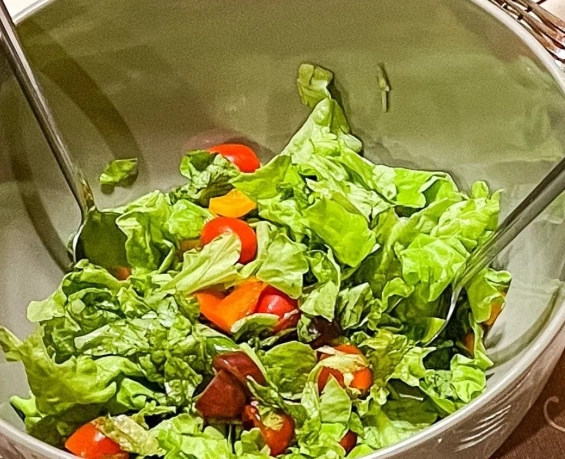
Simple Italian Green Salad Recipe & Authentic Dressing Tips

The latest public offering "rat warehouse" exposed: fines of more than 30 millio
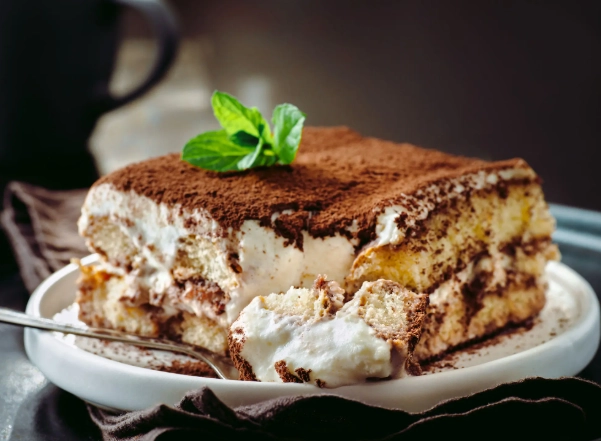
Ultimate Guide to Classic Italian Dessert Recipes from Tiramisu to Cannoli
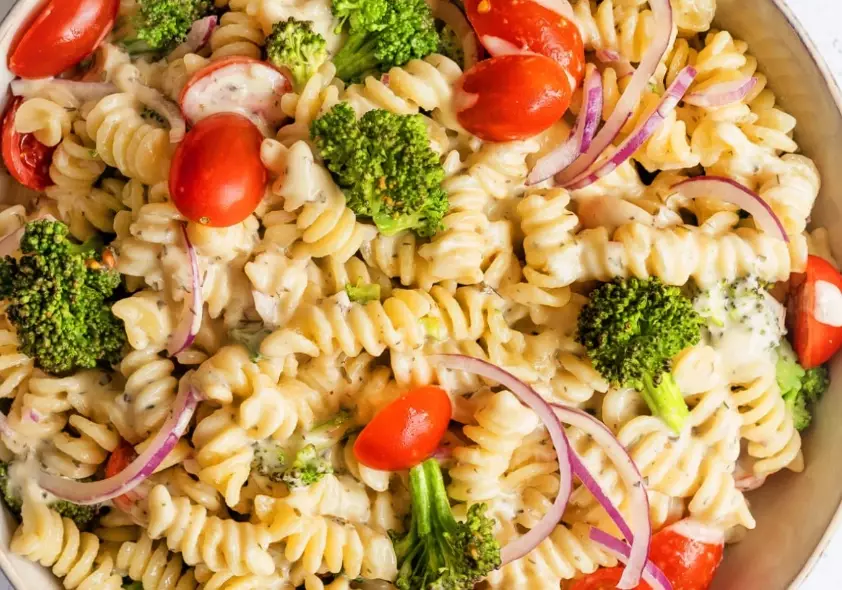
Perfect Pasta Salad Recipe with Homemade Italian Dressing
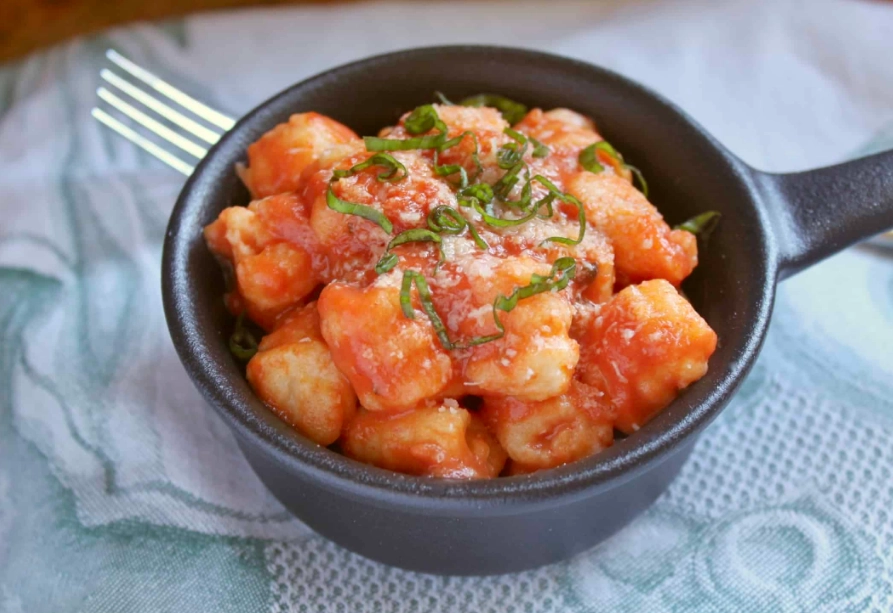
Perfect Homemade Italian Gnocchi Recipe: Light & Fluffy
Simple Italian Vegetarian Recipes: 5 Easy Dishes for Weeknights
Authentic Italian Beef Sandwich Recipe | Easy Homemade Guide

Pinduoduo invested 10 billion to support new quality merchants, and continued to
Leave a Comment