Best Italian Salads You Can Actually Make at Home
Let's be honest. When you think "Italian salad," a bowl of limp iceberg with a few pale tomato wedges and bottled dressing probably flashes in your mind. That's not it. A real Italian salad, or *insalata*, is a vibrant, intentional dish that celebrates peak-season produce, high-quality fats, and a perfect balance of textures. It's often a starter, sometimes a side, and in the right portions, a glorious light main. The best Italian salads aren't an afterthought; they're a cornerstone of the meal.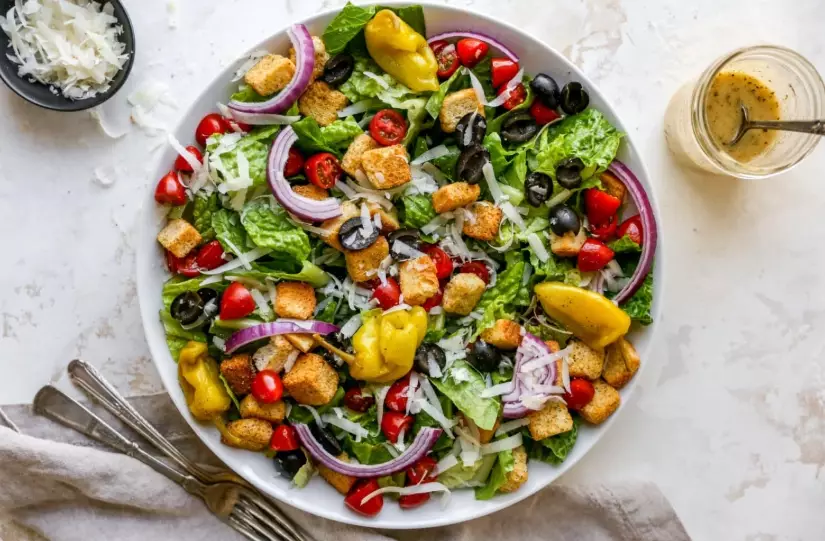
I learned this the hard way, ordering a "house salad" in Rome years ago and getting a plate of sliced fennel and orange with olives. It was a revelation. Since then, I've spent summers in Tuscany and Puglia, eating my way through regional specialties and bothering nonnas in markets. The common thread? Simplicity with impeccable ingredients.
What You'll Find in This Guide
The Undisputed Classics (And How Not to Mess Them Up)
These are the salads you'll see from Milan to Sicily. Getting them right is less about fancy techniques and more about respecting a few non-negotiable rules.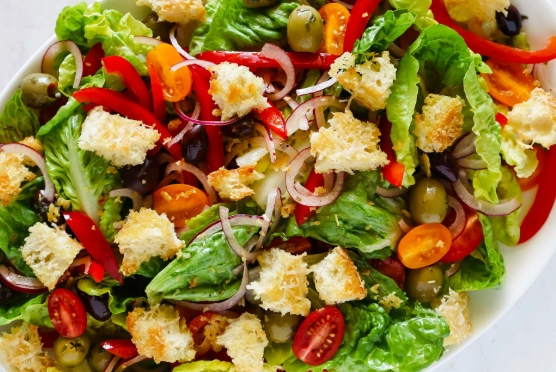
Insalata Caprese: The Test of Simplicity
Tomato, mozzarella, basil. That's it. The trap here is using any old tomato and rubbery, pre-shredded cheese. It becomes a sad, watery plate.
The right way: Wait for summer. Use ripe, room-temperature tomatoes with real flavor—heirlooms are ideal. For cheese, it must be fresh mozzarella (*mozzarella di bufala* if you can swing it), stored in its liquid and torn, not sliced with a knife, right before serving. The basil should be vibrant green and added at the last second. Drizzle with your best extra virgin olive oil and a pinch of flaky sea salt. No balsamic glaze. Purists will argue, but a single drop of high-quality aged balsamic *vinegar* (not the thick, sweet glaze) is sometimes acceptable in the north, but never the default.
My first attempt was a failure. I used refrigerated tomatoes and a block of low-moisture mozzarella. The flavors never married. It was just chunks of cold stuff on a plate.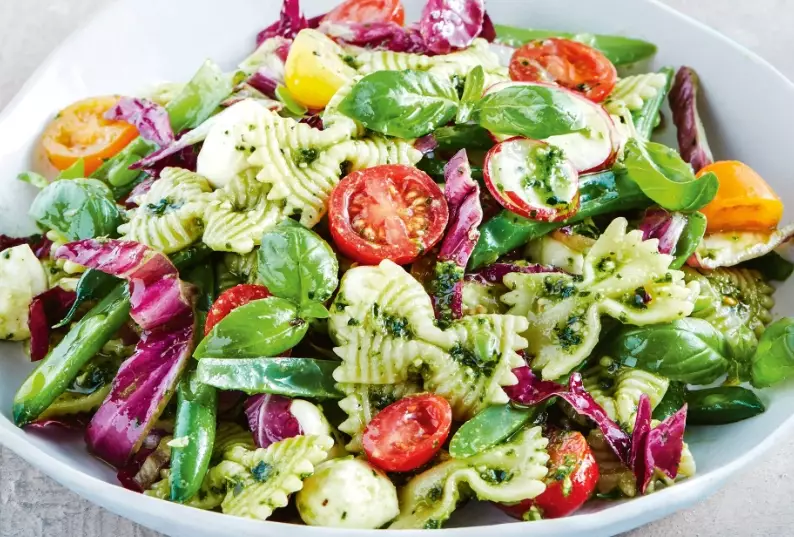
Insalata di Rucola e Parmigiano (Arugula and Parmesan)
This is the ultimate peppery, salty, crisp salad. The mistake? Drowning the delicate arugula in a heavy, acidic dressing.
You need young, tender arugula. Wash and spin it bone-dry. Shave Parmigiano-Reggiano (not "parmesan" from a canister) with a vegetable peeler for wide, delicate ribbons. The dressing is just lemon juice, extra virgin olive oil, salt, and maybe a whisper of black pepper. Toss the greens gently with the dressing first, then let the cheese shavings fall on top so they don't get soggy. It's a 2-minute salad with a 10/10 payoff.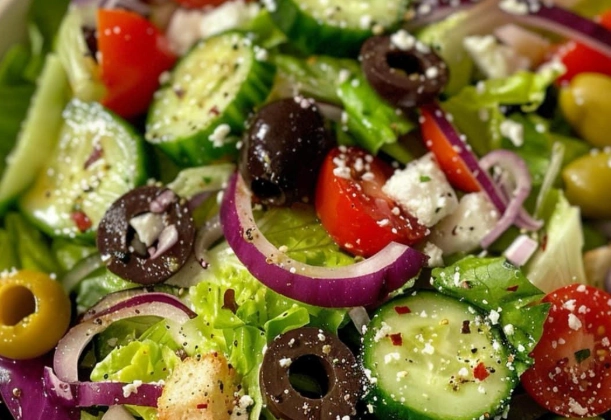
The Italian Restaurant Staple: What's Actually in It?
That simple mixed green salad served before pasta has a formula. It's usually radicchio (for color and bitterness), frisée (for texture), and romaine or butter lettuce. The magic is in the pairing with a tangy, garlic-forward dressing. It's designed to cleanse the palate, not fill you up.
Lesser-Known Regional Stars Worth Seeking Out
Italy's regional diversity shines in its salads. Here are two you should try to recreate.
Insalata di Finocchio e Arancia (Sicilian Fennel & Orange Salad): A winter masterpiece from Sicily. Thinly sliced fennel bulb and blood oranges, red onion, black olives, and a sprinkle of wild oregano. The anise crunch with the citrus burst is incredible. The key is to slice the fennel paper-thin, ideally with a mandoline.
Panzenella (Tuscan Bread Salad): This is a lesson in Italian resourcefulness—stale bread becomes the star. It's not just bread soaked in dressing; it's a specific technique. Day-old, sturdy Tuscan bread (no crust) is lightly moistened with water, then torn and mixed with ripe tomatoes, cucumber, red onion, and basil. The tomato juices and a simple vinaigrette do the rest. The bread should be soft but not mushy, absorbing all the summer flavors. It's a full meal on a hot day.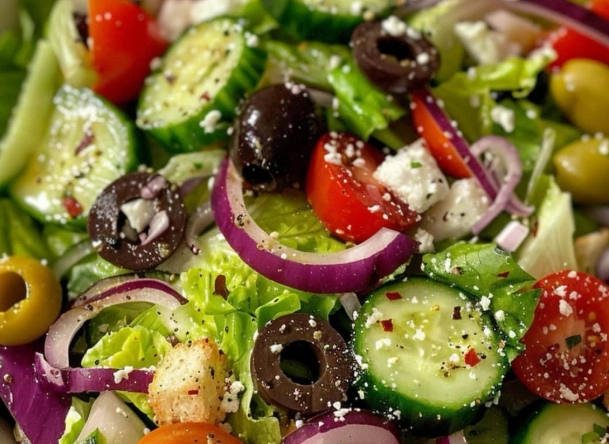
How to Make a Perfect Italian Salad Dressing Every Time
Italians don't buy bottled salad dressing. The formula is sacred: 1 part acid to 3 parts oil. But which acid? Which oil? This is where personality comes in.
| Dressing Type | Best Used For | Pro Tip & Common Pitfall |
|---|---|---|
| Lemon-Oil (Fresh lemon juice + EVOO) |
Delicate greens (arugula, butter lettuce), seafood salads. | Use freshly squeezed juice. Bottled lemon juice adds a metallic tang. Whisk the salt into the lemon juice first to dissolve it before adding oil. |
| Red Wine Vinaigrette (Red wine vinegar + EVOO + garlic) |
Hearty mixed greens, bean salads, grilled vegetable salads. | Rub a cut garlic clove around the bowl instead of mincing it into the dressing for a subtle, non-overpowering flavor. Avoid white vinegar—it's too harsh. |
| Balsamic Vinaigrette (Aged balsamic + EVOO) |
Salads with fruit (pears, strawberries), cheese (goat cheese, gorgonzola), nuts. | Invest in a small bottle of true Aceto Balsamico Tradizionale or at least a well-aged "condimento" grade. The cheap, syrupy stuff is just colored wine vinegar and caramel. |
Your oil matters more than you think. A robust, peppery early-harvest olive oil is great for bitter greens. A milder, buttery late-harvest oil is better for delicate flavors. The International Olive Council sets quality standards, but looking for a Protected Designation of Origin (PDO) label is a good start.
Always emulsify. Put your ingredients in a small jar, screw the lid on tight, and shake it like you mean it for 20 seconds. It creates a creamy, cohesive dressing that coats evenly.
The Assembly Secrets Most Recipes Don't Tell You
Order matters. Here’s the sequence I follow after a decade of trial and error.
- Dry Your Greens Thoroughly: Water is the enemy of dressing. A salad spinner is non-negotiable. Wet greens make a diluted, sad dressing that slides off.
- Season the Bowl, Not Just the Dressing: After drying the greens, add them to your serving bowl. Sprinkle with a tiny pinch of fine sea salt and toss. This seasons the leaves directly.
- Dress in Stages: Add about half your dressing and toss gently with your hands or tongs until every leaf is just glistening. Taste a leaf. Does it need more acidity? More salt? Adjust and add more dressing only if needed. You rarely need it all.
- Add Hefty Toppings Last: Cheese, nuts, croutons, beans—add these after tossing. They'll sink to the bottom, and that's okay. It creates a treasure hunt in the bowl and prevents sogginess.
- Serve Immediately: An Italian salad is a live event. It wilts fast. Have everything prepped and combine only when you're ready to eat.
A note on cheese: We've covered fresh mozzarella and Parmigiano. Other game-changers include creamy burrata (split it over the top), salty pecorino romano (shaved over a Caesar-inspired salad), or tangy gorgonzola dolce (crumbled over pears and walnuts).
Your Italian Salad Questions, Answered by Experience
What's the one ingredient I shouldn't skip if I want an authentic taste?
My Italian salad dressing always separates. What am I doing wrong?
I'm bored with lettuce. What are some unconventional bases for an Italian-style salad?
How do I make my salad feel like a main course without adding meat?
Is it true Italians don't use Caesar salad dressing?
The journey to the best Italian salad starts with shifting your mindset. See it not as a side dish, but as a celebration of what's fresh and good. It's about the crunch of a perfect radicchio leaf, the burst of a sun-warmed tomato, and the way a great olive oil ties it all together. Don't overcomplicate it. Start with one classic, master the dressing ratio, and pay attention to texture and timing. Your dinners are about to get a lot more vibrant.
Related Articles
Ultimate Guide to Making Homemade Pasta from Scratch
Sweet Italian Sausage Recipes: From Classic Pasta to Creative Feasts

The number has increased nearly fourfold in ten years, and the global digital ba
The Ultimate Guide to Making Authentic Italian Lasagna at Home
Authentic Italian Pasta Sauce Recipes: From Classic Tomato to Rich Ragù
Authentic Italian Recipes: Secrets from a Roman Kitchen
Best Vegetarian Italian Dishes: Recipes & Cooking Tips

What is the Traditional Drink of Italy? The Definitive Guide
Authentic Italian Tomato Sauce Recipe: Secrets from a Home Cook

The State Administration of Financial Supervision: Commercial banks have release
Easiest Italian Food to Make: 5 Simple Recipes for Beginners
Easy Italian Sausage Recipes for a Delicious Dinner | Quick & Flavorful
Ultimate Italian Pizzelle Recipe: Crispy, Authentic & Easy
Traditional Italian Pasta Sauce: The Complete Guide to Authentic Recipes & Secrets
Cold Italian Appetizers: The Ultimate Guide to Antipasti & Finger Foods
Italian Sausage Pasta Recipes: A Complete Guide to Classic Comfort Food
Traditional Italian Dinner Party Recipes: An Authentic Menu from Start to Finish
Traditional Italian Recipes by Region: A Culinary Journey from North to South
Authentic Italian Bolognese Recipe: The Real Ragù from Bologna
The Heart of Italy on Your Plate: Timeless Traditional Italian Recipes & Kitchen Wisdom
Easy Italian Regional Recipes: Authentic Dishes You Can Actually Make
Mastering Classic Italian Baked Dishes: Recipes & Secrets
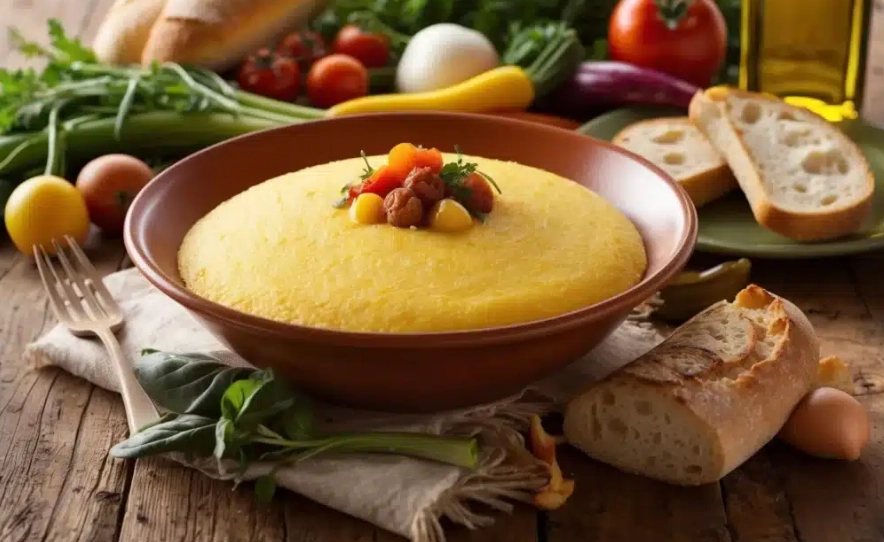
How to Make Perfect Italian Polenta: Creamy, Grilled & Fried Recipes
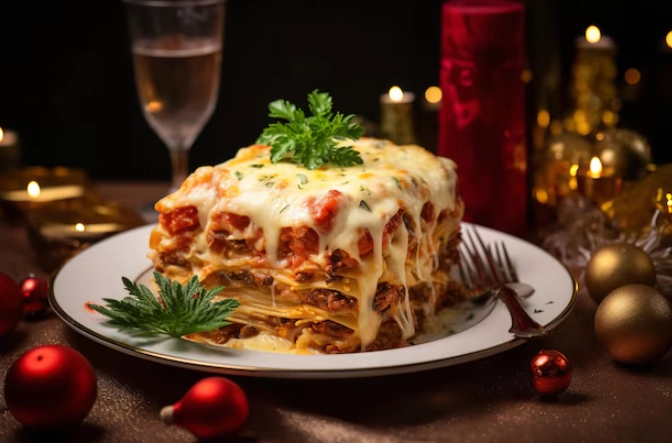
Traditional Italian Holiday Dinner Recipes: A Complete Guide to a Festive Feast
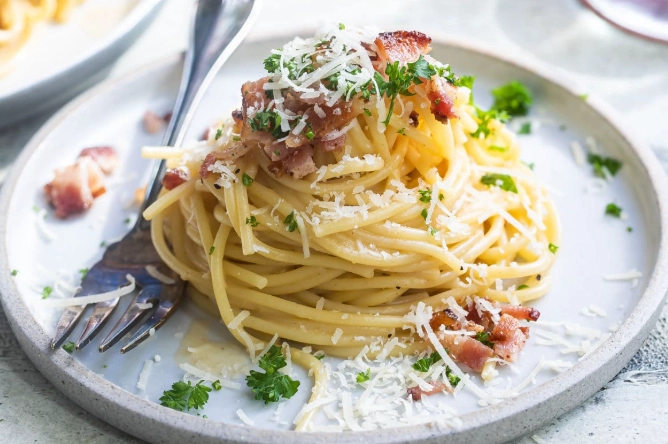
Authentic Italian Carbonara Recipe: The Only Guide You'll Ever Need
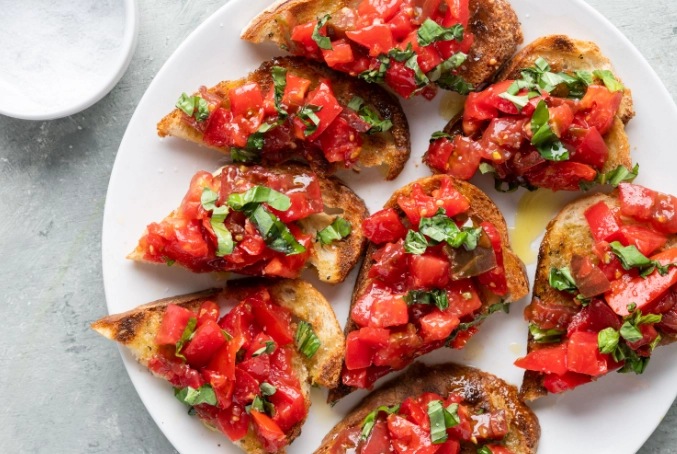
Authentic Italian Bruschetta Recipe: The Only Guide You'll Ever Need
What Are the Most Popular Italian Appetizers? A Complete Guide to Antipasti
Ultimate Guide to Best Italian Appetizer Recipes for Any Occasion

The only Olympic TOP partner in China's consumer goods industry: Mengniu's pursu
Leave a Comment