Traditional Italian Salads: A Guide to Freshness Beyond Caesar
Forget everything you think you know about salad. In Italy, a salad (or insalata) isn't an afterthought or a diet punishment. It's a celebration of what's perfectly ripe right now, a lesson in restraint, and often the most refreshing part of the meal. While the world got obsessed with Caesar and Cobb, Italy quietly perfected the art of turning a few impeccable ingredients into something you actually crave.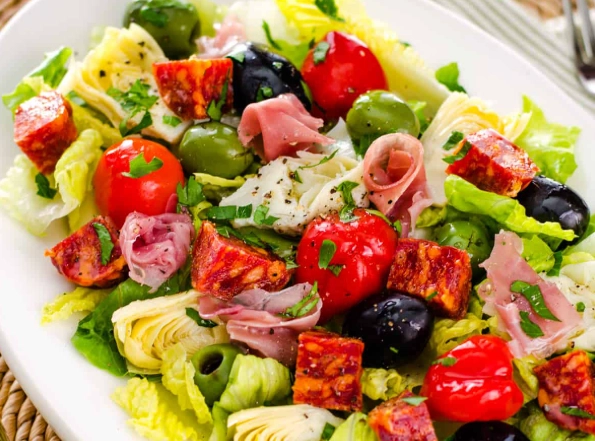
I spent years eating my way through trattorias before I understood this. I'd see "Insalata Mista" on the menu and think, "Just lettuce?" What arrived was a revelation—crisp, bitter greens dressed in nothing but spectacular olive oil, a squeeze of lemon, and a pinch of salt. It wasn't just a side; it was a palate cleanser, a textural contrast, and proof that less, when the less is extraordinary, is everything.
What's Inside This Guide
The Philosophy Behind Italian Salads
It boils down to three non-negotiable principles. First, seasonality is law. You won't find a true Insalata Caprese in December because the tomatoes lack sun. Italians wait. Second, quality over quantity. Three perfect ingredients are better than ten mediocre ones. Third, the dressing is an accent, not a sauce. The goal is to enhance, not drown. This is why extra virgin olive oil (olio extra vergine di oliva) is the undisputed king—its fruitiness and pepper are part of the flavor profile.
It's a mindset shift. The salad isn't assembled; it's composed.
Iconic Italian Salads You Must Know
These are the classics you'll find from Sicily to the Alps. Each tells a story of its place.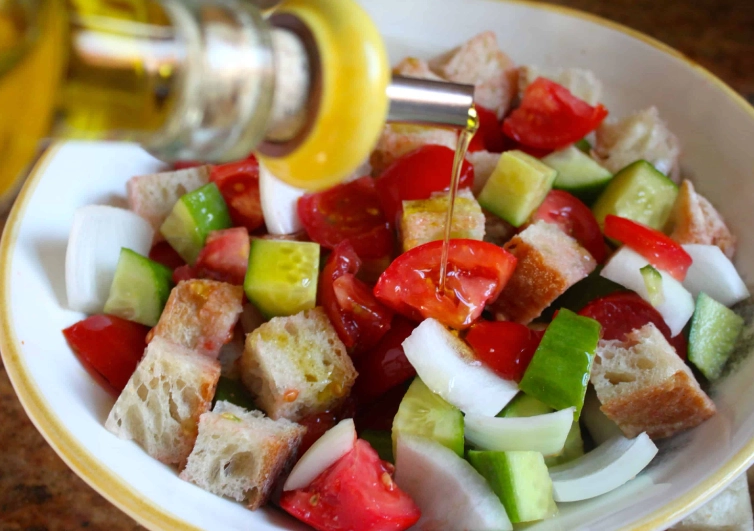
| Salad Name | Key Ingredients | Region of Origin | The Character |
|---|---|---|---|
| Insalata Caprese | Tomatoes, Fresh Mozzarella (Fior di Latte or Buffalo), Basil, EVOO, Salt. | Campania (Capri) | The flag of Italy on a plate. Summertime in a bite. The mozzarella should be room temperature and weepy. |
| Panzenella | Stale Bread, Tomatoes, Red Onion, Cucumber, Basil, Vinegar, EVOO. | Tuscany | A brilliant peasant dish born from thrift. The bread soaks up the tomato juices and dressing, becoming savory and soft. |
| Insalata di Rucola e Parmigiano | Arugula (Rocket), Shaved Parmigiano-Reggiano, Lemon Juice, EVOO, Salt. | Widespread | Peppery, nutty, sharp. A perfect prelude to a rich pasta. The arugula must be young and tender. |
| Insalata di Finocchio e Arancia | Fennel, Orange Slices, Black Olives, EVOO. | Sicily | Bright, crunchy, and aromatic. The aniseed of the fennel plays beautifully with the citrus sweetness. |
Pro Tip from a Roman Chef: "For Caprese, tear the basil, don't cut it. Cutting bruises the leaves and releases bitter oils. Tearing keeps it fragrant." It's a tiny detail most recipes miss, but it makes a noticeable difference.
Regional Gems & Where to Find Them
Venture off the classic path and you'll find salads that define their local landscape. Here are two you should seek out.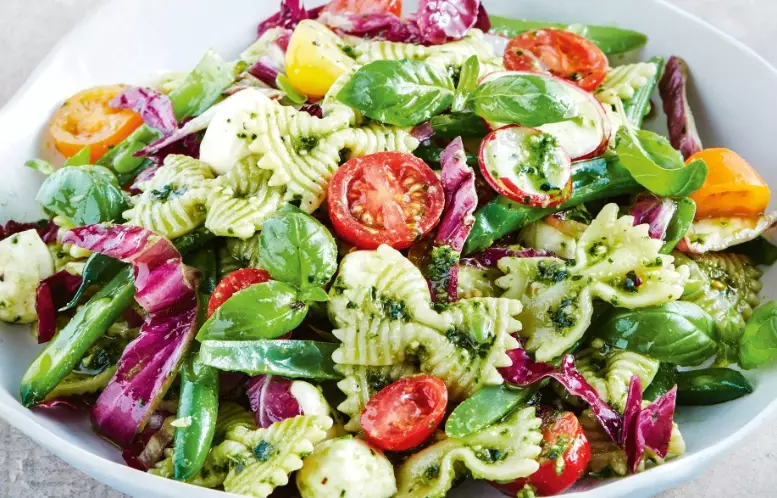
Insalata di Mare (Seafood Salad) - The Coastal Star
Not for the faint of heart, this is a celebration of the sea's bounty. It's a mix of boiled octopus, squid, shrimp, mussels, and sometimes cuttlefish, dressed with lemon, parsley, garlic, and olive oil. It's served cold, often as an antipasto. The texture is everything—tender, chewy, briny.
Where to try it authentically: Head to a port town. In Naples, try Trattoria da Nennella (Vico Lungo del Gelso, 103). It's chaotic, cash-only, and utterly unforgettable. Their Insalata di Mare is piled high and tastes like the Mediterranean. Expect to pay around €15-€20 for a portion meant to share. Open for lunch and dinner, but go early—they don't take reservations and the queue is legendary.
Insalata di Rinforzo - The Christmas Workhorse
A Neapolitan Christmas Eve staple. It's a robust mix of cauliflower, pickled vegetables (giardiniera]), olives, and capers, all in a garlicky white wine vinegar and oil marinade. The "rinforzo" (reinforcement) refers to the tradition of adding more fresh-cooked vegetables to the leftover batch over the holiday days, so it constantly evolves.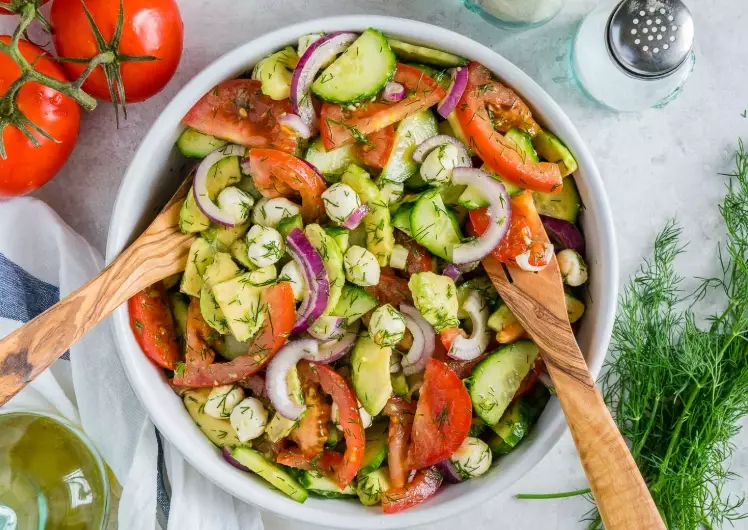
You won't typically find this on a restaurant menu year-round; it's a home cook's domain. But some traditional salumerie or gourmet delis in Naples sell it by weight during the holidays.
How to Make an Authentic Italian Salad at Home
Let's build a simple, perfect green salad, the Insalata Verde that accompanies so many meals. The mistake is thinking it's simple. It's precise.
Step 1: The Greens. Use a mix of textures and flavors. Curly endive (scarola) for bitterness, tender lettuce (like lattughino) for softness, and maybe some radicchio for color and a bitter punch. Wash them thoroughly, but more importantly, dry them completely. Water is the enemy of dressing. A salad spinner is non-negotiable.
Step 2: The Dressing in the Bowl. This is the secret. Don't mix it in a jar. In your large, empty salad bowl, add a good pinch of sea salt. Add a tablespoon of high-quality red wine vinegar or fresh lemon juice. Swirl to dissolve the salt. This step, seasoning the acid, is crucial. Then, add 3 tablespoons of your best extra virgin olive oil. Whisk with a fork until it just emulsifies.
Step 3: The Combine. Add your bone-dry greens to the bowl with the dressing. Toss with your hands or tongs, lifting from the bottom, until every leaf is glistening. Taste. Adjust with a drop more oil or a pinch of salt if needed. Serve immediately.
No garlic croutons. No shredded carrots. No bacon bits. Just green, white, and gold.
Common Mistakes to Avoid
I've seen these errors ruin good ingredients in kitchens everywhere.
- Using cold ingredients from the fridge. Tomatoes, cheese, and even greens lose their flavor when ice-cold. Take them out 30 minutes before assembling.
- Over-complicating the dressing. Dijon mustard, honey, dried herbs—they have their place, but not in a traditional Italian salad. Start with the holy trinity: salt, acid (vinegar/lemon), oil. Master that first.
- Dressing the salad too early. Especially for green salads, dressing equals wilting. Dress at the absolute last second.
- Using "light" olive oil or vegetable oil. You need the fruit and pepper of EVOO. It's the soul of the dish. According to data from the International Olive Council, the chemical composition of true EVOO is integral to its health benefits and flavor.
What to Drink with Italian Salads
Pairing isn't just for mains. A sharp, acidic salad can clash with wine if you're not careful.
For Caprese or simple green salads, a crisp, neutral white like a Verdicchio or a Pinot Grigio works. The wine cleanses the palate for the olive oil.
For Panzenella or salads with vinegar, you need a wine with higher acidity to match. A young Chianti (Sangiovese) or a Barbera from Piedmont can stand up to it.
With the Insalata di Mare, you're back to white: a zesty Vermentino from Sardinia or Liguria is a classic match, cutting through the richness of the seafood.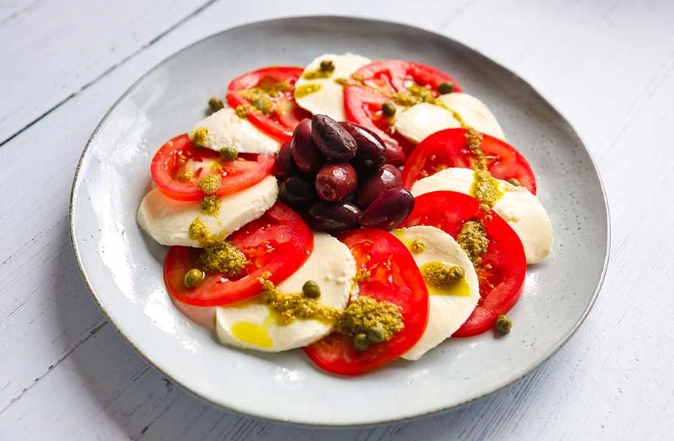
Your Italian Salad Questions, Answered
Related Articles
Authentic Italian Drunken Noodles Recipe (Pasta alla Ubriaca)

Ground Italian Sausage Recipes: The Ultimate Guide for Easy & Flavorful Dinners
Authentic Italian Chicken Breast Recipes: Fast, Healthy & Flavorful Dinners

The medium-sized trap of Internet companies
Simple Italian Baked Dishes: Easy Recipes for Lasagna, Eggplant & Focaccia
Traditional Southern Italian Recipes: Authentic Dishes & Secrets

Restarting private investment|"Caijing" special report
Authentic Italian Family Meal Recipes: From Antipasti to Dolce

The RMB exchange rate against the US dollar rose to a high point this year
Top 10 Italian Dishes Veg: Best Vegetarian Pasta & Mains Guide
Authentic Gremolata Recipe: The Simple Italian Condiment That Elevates Any Dish
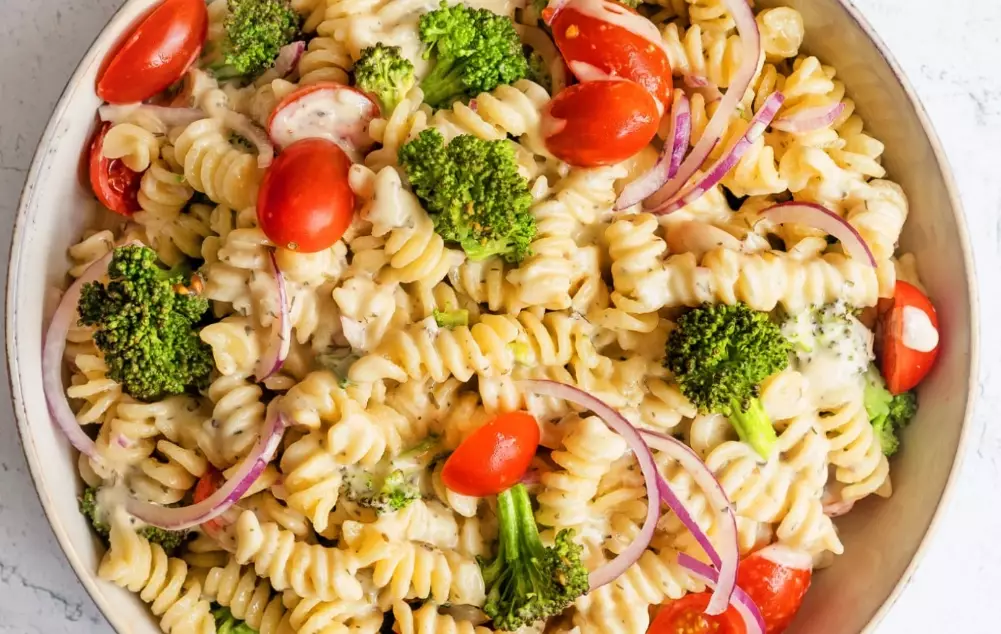
Easy Pasta Salad Recipes with Italian Dressing for Crowd-Pleasing Meals
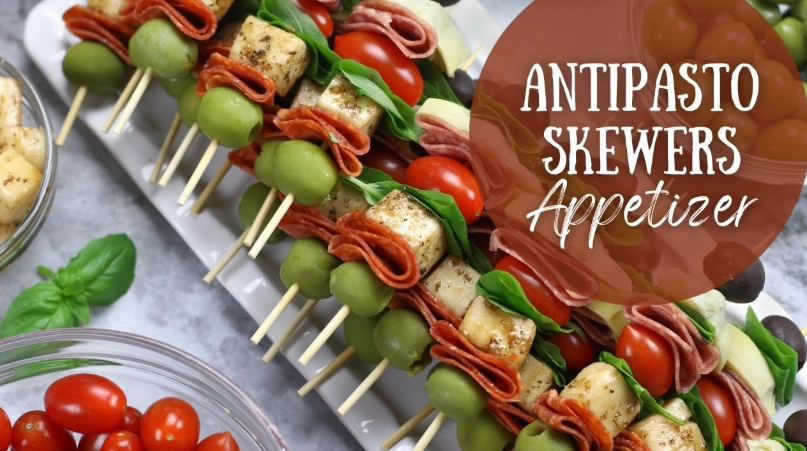
Make-Ahead Italian Appetizers: Stress-Free Recipes & Tips for Any Gathering
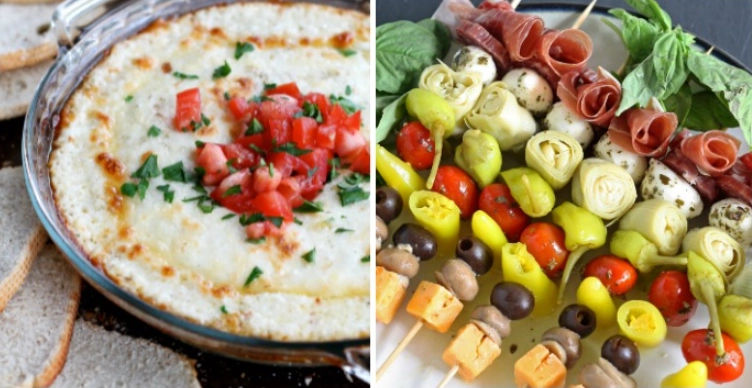
Easy Italian Appetizer Recipes for a Crowd: Make-Ahead & Crowd-Pleasing Ideas

Top 10 Italian Cocktails: From Negroni to Spritz & Beyond

Rescue the market requires real money, not IPO suspension
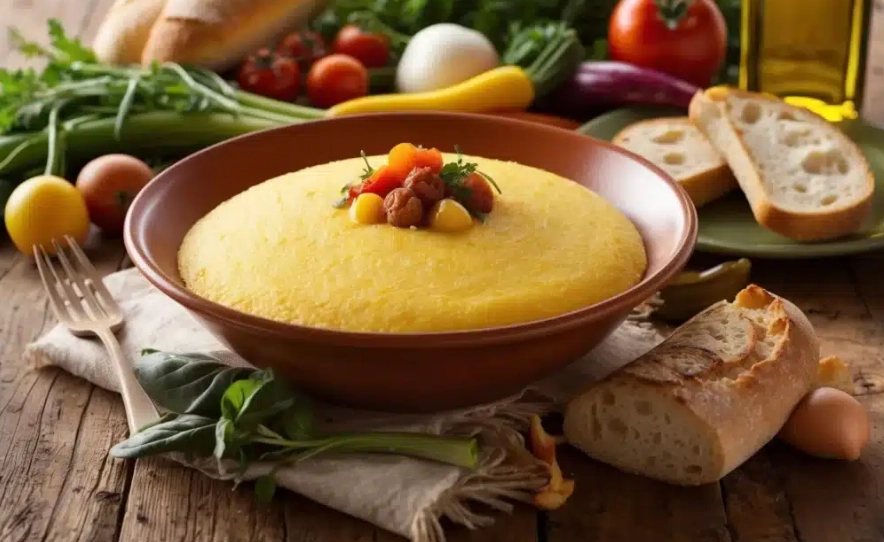
How to Make Perfect Italian Polenta: Creamy, Grilled & Fried Recipes
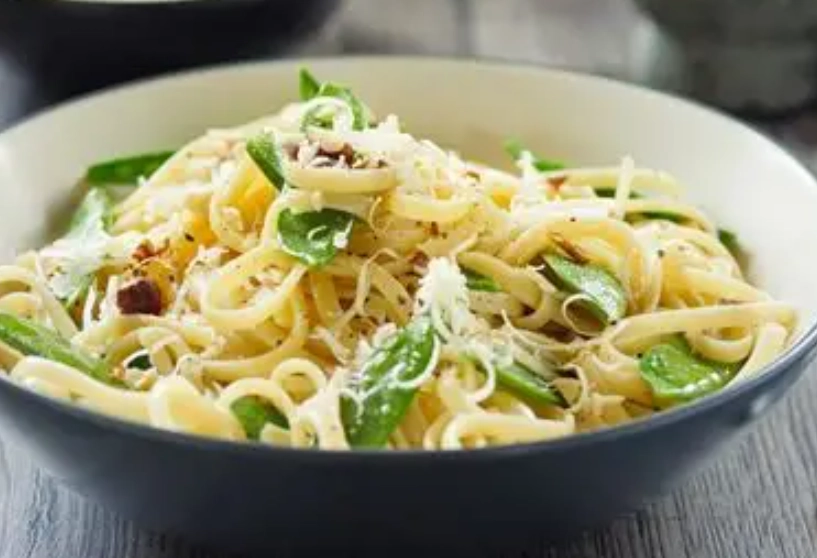
Authentic Italian Pasta Recipes: A Complete Cooking Guide
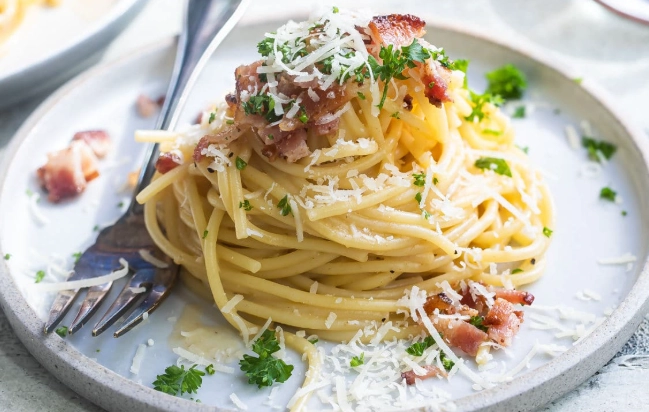
Authentic Italian Carbonara Recipe: The Only Guide You'll Ever Need
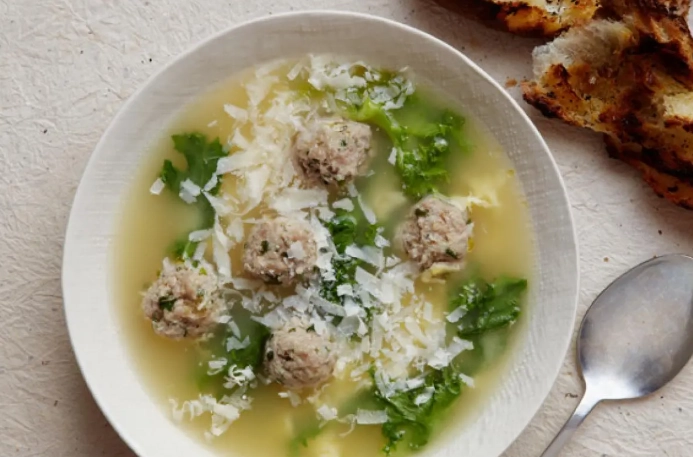
Easy Traditional Italian Wedding Soup Recipe - Authentic & Simple
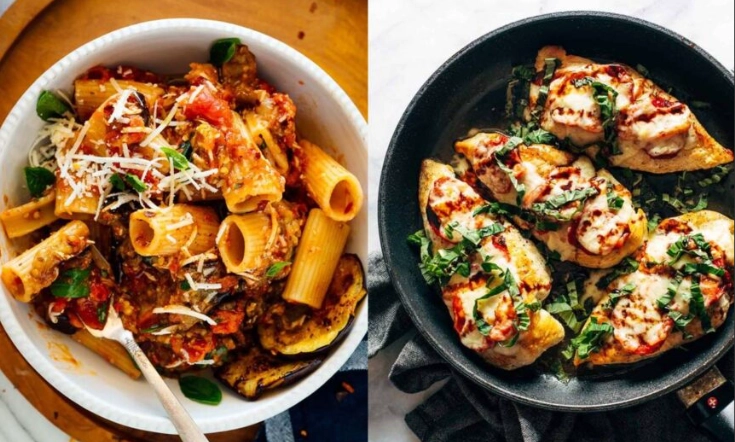
Master the Classics: The Best Italian Recipes You Need to Know
How to Assemble Italian Sliders: The Ultimate Guide for Perfect Party Food
Authentic Italian Beef Recipe: The Ultimate Chicago-Style Sandwich Guide
A Typical Italian Dinner at Home: The Real Menu & Traditions
What are the 4 Classic Italian Dishes? A Food Lover's Guide
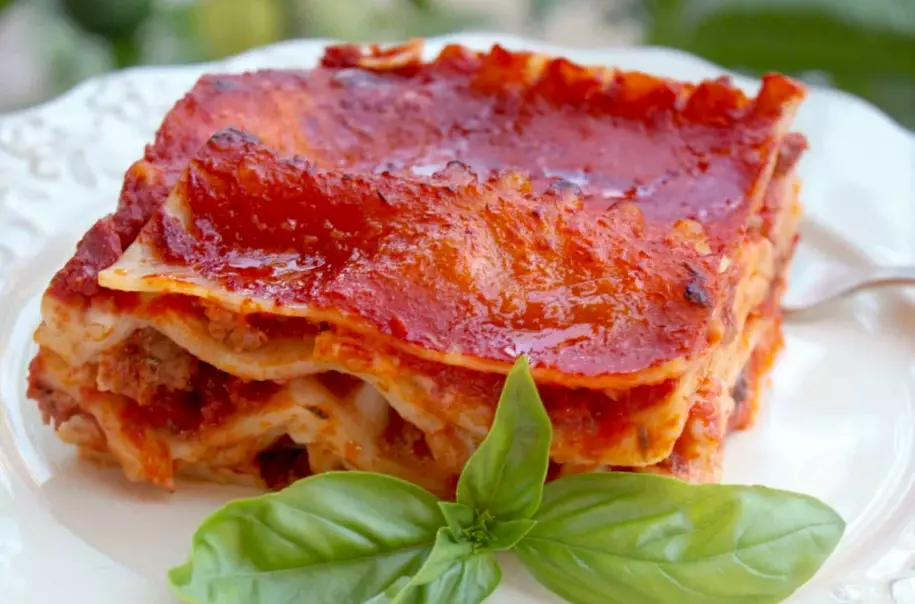
The Heart of Italy on Your Plate: Timeless Traditional Italian Recipes & Kitchen Wisdom
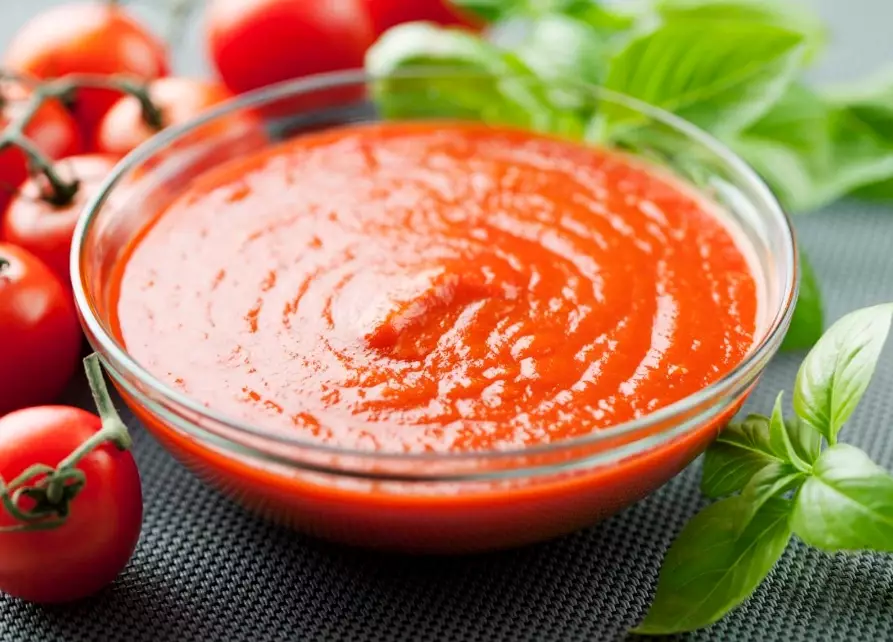
Authentic Italian Tomato Sauce Recipe: Secrets from a Home Cook

Ten-fold stocks appeared! A-shares set off a "price increase", foreign capital b

The global economy has ushered in a remarkable transformation after the new crow
Leave a Comment