The Ultimate Guide to an Authentic Italian Christmas Dinner Menu
Let's be honest. When you think of an Italian Christmas dinner, you might picture a massive plate of pasta followed by a giant roast. That's part of it, but you're missing the beautiful, deliberate rhythm that makes it special. A true Italian Christmas dinner menu isn't just a meal; it's a slow, joyful celebration stretched over several hours and multiple, purposeful courses. It's about abundance, family, and tradition, each dish telling a part of the holiday story.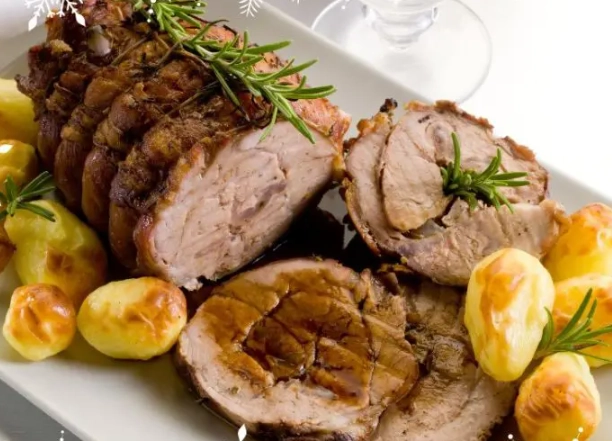
I learned this the hard way. My first attempt at hosting was a logistical nightmare—everything was ready at once, the table was overcrowded, and my guests were too full after the first course to appreciate the main event. I had the food, but not the flow. The secret isn't just in the recipes from sources like Academia Barilla or Gambero Rosso, but in understanding the structure, the pacing, and the little details that turn a dinner into a traditional Italian Christmas feast.
This guide walks you through each essential stage of the holiday dinner, from the welcoming nibbles to the final sweet bite. We'll cover what to serve, when to serve it, and how to pull it off without losing your mind on the big day.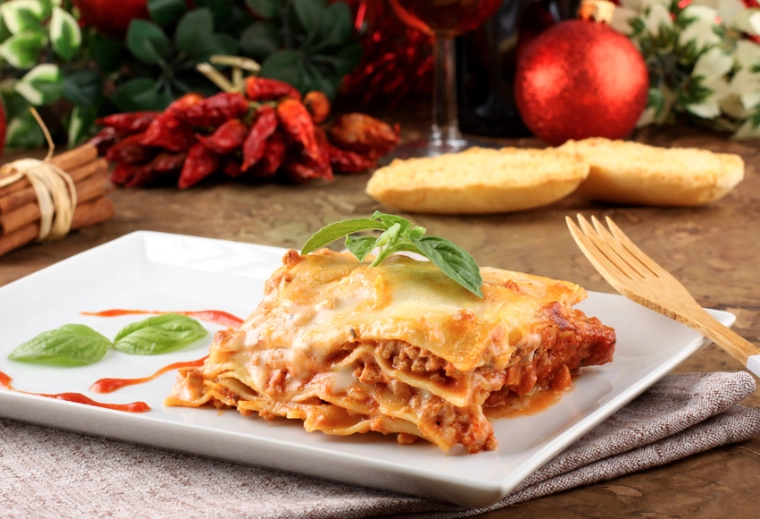
Your Festive Menu at a Glance
The Art of the Antipasti (Starters)
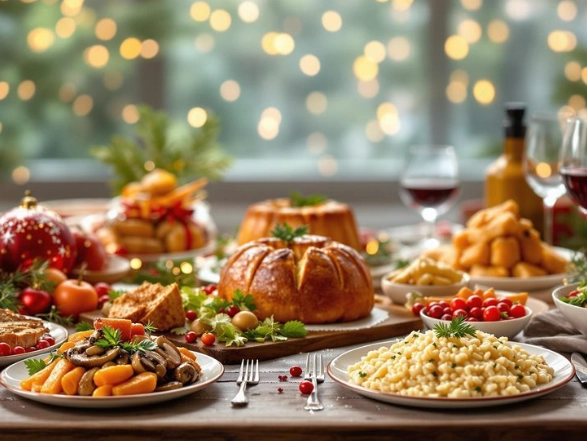
This isn't just a starter. It's the opening act that sets the tone. The goal is to stimulate the appetite and encourage conversation, not to fill people up. Think variety, think color, think things that can be mostly prepared ahead.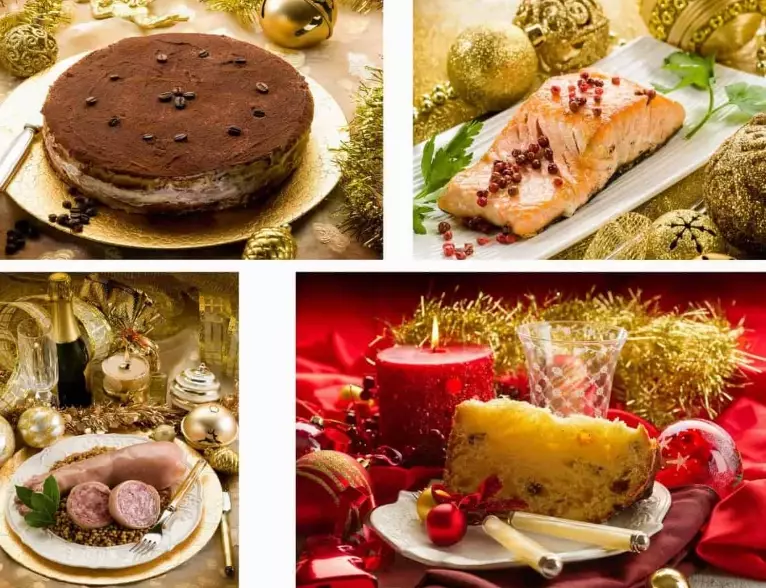
A classic spread might include:
- Affettati Misti: A platter of high-quality cured meats like prosciutto crudo, salami, and coppa. Get them sliced paper-thin at a good deli.
- Formaggi: A selection of 2-3 cheeses. A sharp Parmigiano-Reggiano, a creamy Gorgonzola dolce, and a mild pecorino work beautifully.
- Veggie-based bites: Roasted peppers in olive oil, marinated artichoke hearts, or a simple caponata (Sicilian eggplant relish).
- Something warm: A small batch of fried dough like frittelle di baccalà (salt cod fritters) or stuffed mushrooms. One warm item makes a huge difference.
The Primo Piatto: Pasta, Risotto & Soup
Now we get to the heart of Italian holiday cooking. The primo is often the most iconic dish of the night. It's rich, celebratory, and deeply regional.
Forget spaghetti bolognese. Christmas calls for something more special.
Top Contenders for the Christmas Primo
Tortellini in Brodo: The ultimate Christmas classic, especially in Emilia-Romagna. Small, meat-filled pasta parcels served in a clear, flavorful capon broth. It's light yet deeply satisfying. The key is a rich, homemade broth—store-bought just won't give you the same depth.
Lasagne: Not the heavy, cheese-laden version. A proper holiday lasagne is often made with besciamella (béchamel), ragù, and sometimes spinach pasta sheets. It's a project, but you can assemble it a day ahead.
Risotto: A showstopper if you're confident. A saffron risotto (Risotto alla Milanese) or a luxurious seafood risotto makes a fantastic primo. The trick is to do 90% of the work before guests arrive, finishing it with a final ladle of hot stock and a vigorous stir at the last minute.
Portion control is crucial here. A standard serving is about 100-120g of dry pasta or 80g of risotto rice per person. This is a course, not the main event.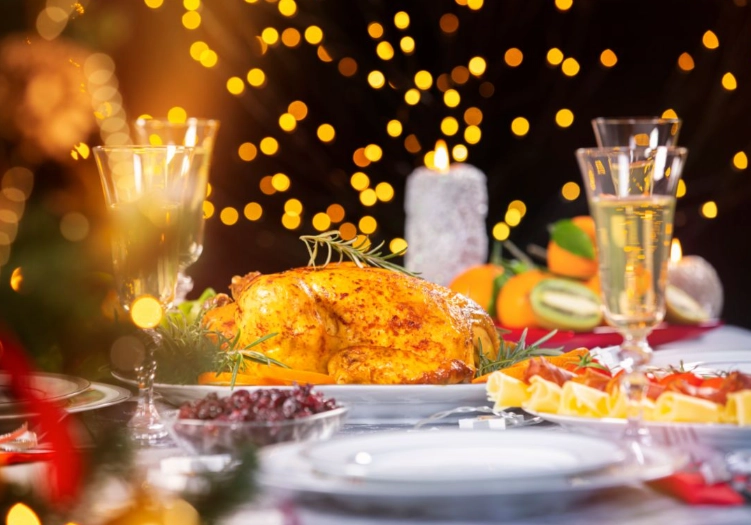
The Main Event: Roasts & Centerpieces
After the primo, there's usually a break. Clear the table, reset the wine glasses. This intermission is vital. The main course is where regional differences really shine.
| Main Dish | Region | Key Characteristics & Tips |
|---|---|---|
| Arrosto di Vitello o Maiale (Veal or Pork Roast) |
Northern Italy | Often roasted with rosemary, garlic, and white wine. Pork loin (arista) is a favorite. Use a meat thermometer to avoid overcooking—let it rest for 20 minutes before carving. |
| Capitone Fritto (Fried Eel) |
Southern Italy (especially Naples) | A traditional Christmas Eve dish for the Feast of the Seven Fishes, but sometimes appears on Christmas Day too. An acquired taste, but deeply traditional. |
| Arrosto di Tacchino (Stuffed Turkey) |
Influenced by global traditions, now common nationwide | Often smaller than the American version. The stuffing (ripieno) is key—sausage, chestnuts, and sometimes ground veal. Baste frequently with its own juices and a splash of broth. |
| Agnello al Forno (Roast Lamb) |
Central & Southern Italy | A leg of lamb roasted with potatoes and rosemary. Bold flavor. Marinating overnight in wine, garlic, and herbs makes a world of difference. |
My personal favorite is a well-executed roast veal. It feels celebratory but isn't as daunting as a whole turkey. Whatever you choose, remember the salsa or sugo—the pan juices deglazed with a little wine or broth make the simplest and most delicious sauce.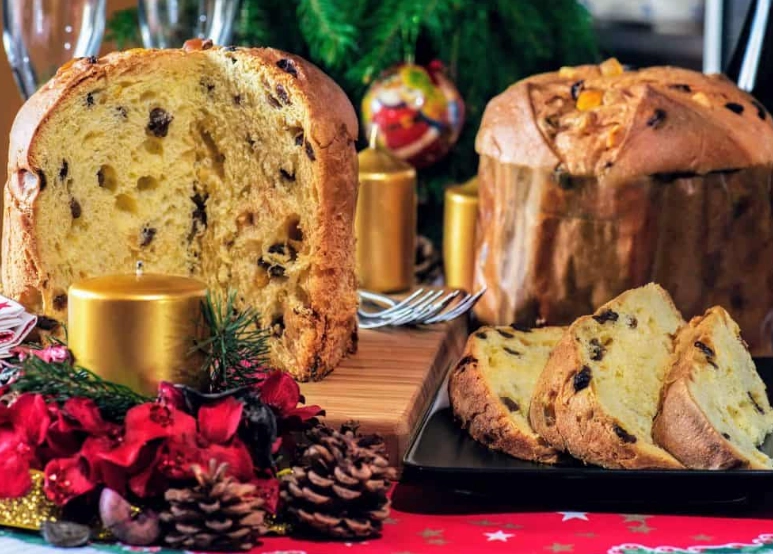
The Secret Weapon: Contorni (Side Dishes)
This is where many home cooks drop the ball. The contorni are not an afterthought. They provide balance, color, and freshness to cut through the richness of the meat.
You need at least two, and they should be served on separate platters, not piled on the dinner plate.
- Insalata di Rinforzo: A sturdy Neapolitan salad of cauliflower, pickles, olives, and peppers in vinegar. It's crunchy, tangy, and cuts through fat perfectly. Make it a day ahead—it gets better.
- Patate al Forno: Roasted potatoes. But elevate them. Toss with olive oil, rosemary, and a sprinkle of semolina for extra crunch. Roast them around the meat if you can.
- Verdure Gratinate: Baked vegetables like cardoons or endive with béchamel and cheese. A bit richer, but a wonderful winter side.
- Simple Sautéed Greens: Spinach or Swiss chard sautéed with garlic and chili flakes. Quick, healthy, and essential.
The Sweet Finale: Dolci & Drinks
Dessert is non-negotiable. The coffee and liqueurs will flow, and the sweets are often as symbolic as they are delicious.
Panettone vs. Pandoro: The great debate. Panettone (from Milan, with candied fruit) and Pandoro (from Verona, a golden, star-shaped vanilla cake) are the national icons. Serve them sliced with a sweet wine like Moscato d'Asti or a glass of sparkling Prosecco. Don't cheap out—a good artisanal panettone from a brand like Bauli or Tre Marie is exponentially better than a supermarket version.
Regional Specialties: Look beyond the classics. There's Panforte di Siena (a dense fruit and nut cake), Struffoli (Neapolitan honey balls), or Torrone (nougat). Offering a small selection of 2-3 sweets is a lovely touch.
And finally, the digestivi: Limoncello, Amaro, Grappa. These aren't just shots; they're a polite way to signal the end of the feast and aid digestion. Put the bottles on the table and let people help themselves.
Timing Tips & Common Mistakes to Avoid
Pulling this off is about strategy, not just cooking skill.
The biggest mistake? Trying to cook everything on the day. You can't. Here's a realistic timeline:
3 Days Before: Make broths for tortellini or risotto. Make dessert if it's something like Panforte or cookie dough.
2 Days Before: Prepare any vegetable preserves for the antipasti (roast those peppers). Make sauces for pasta (ragù freezes beautifully).
1 Day Before: Assemble baked pasta dishes. Prep all vegetables for contorni (wash, chop). Set the table. Marinate the meat if required.
Christmas Day: Focus on cooking the meat, finishing the primo, and reheating/reheating sides. Your job is to orchestrate, not to execute every step from scratch.
Another common error: serving portions that are too large. Remember, this is a marathon. People need to pace themselves. Smaller portions of each course are not only more elegant, they're essential for getting through the menu.
Your Italian Christmas Dinner Questions Answered
What's the most important course in an Italian Christmas dinner?
That's like asking which child is your favorite. But if I had to pick, I'd say the primo piatto. It's often the most labor-intensive and carries the most regional identity. A perfect plate of homemade tortellini in a rich broth encapsulates the spirit of the holiday—care, tradition, and warmth—more than any roast. The main course is impressive, but the primo is often the heart.
I'm short on time. What's the one course I can simplify without losing authenticity?
The antipasti. You can absolutely create a stunning, authentic spread with high-quality store-bought items. Visit a reputable Italian deli for your cured meats and cheeses. Buy good marinated vegetables from a jar (just dress them up with fresh herbs). Focus your energy on the primo and the main course, where shortcuts are more noticeable. A beautiful, well-curated platter of purchased items is far better than a stressed-out host trying to make everything from scratch.
How do I manage wine pairings for so many different courses?
Don't overthink it. You don't need a different wine for each course. Choose two versatile bottles: a lively, acidic white like a Verdicchio or a Falanghina for the antipasti and seafood-based primi. Then switch to a medium-bodied red like a Chianti Classico or a Barbera d'Alba for the pasta (if it has meat sauce), the main roast, and the cheese. Finish with a sweet Moscato or Prosecco for the desserts. That's three bottles total, which is manageable and keeps the table uncluttered.
My family doesn't like some traditional items like eel or certain cheeses. How rigid are the rules?
Not rigid at all. The core principle is the structure and the spirit of shared abundance, not dogma. If no one likes Gorgonzola, serve a different cheese. If capitone is a hard sell, make a beautiful baked sea bass as your fish course. The menu should reflect your guests' tastes while honoring the Italian approach. The worst thing you can do is serve a dish everyone dislikes just because a guide told you to. Adapt, but do it thoughtfully within the framework of the courses.
What's a good vegetarian alternative for the main course that still feels festive?
A spectacular baked pasta can easily serve as a vegetarian main course. Think a rich, layered lasagne primavera with seasonal vegetables and besciamella. A large, golden sformato (a savory baked flan) made with pumpkin or artichokes is also elegant and substantial. Or, center the meal around a grand fritto misto di verdure—an assortment of lightly battered and fried seasonal vegetables. Pair it with a bold, flavorful contorno like the Insalata di Rinforzo to maintain that sense of abundance.
Related Articles
Italy's Most Traditional Dish: The Definitive Guide to Authentic Cuisine
Authentic Italian Braciole Recipe: Slow-Cooked Beef Rolls

The number has increased nearly fourfold in ten years, and the global digital ba
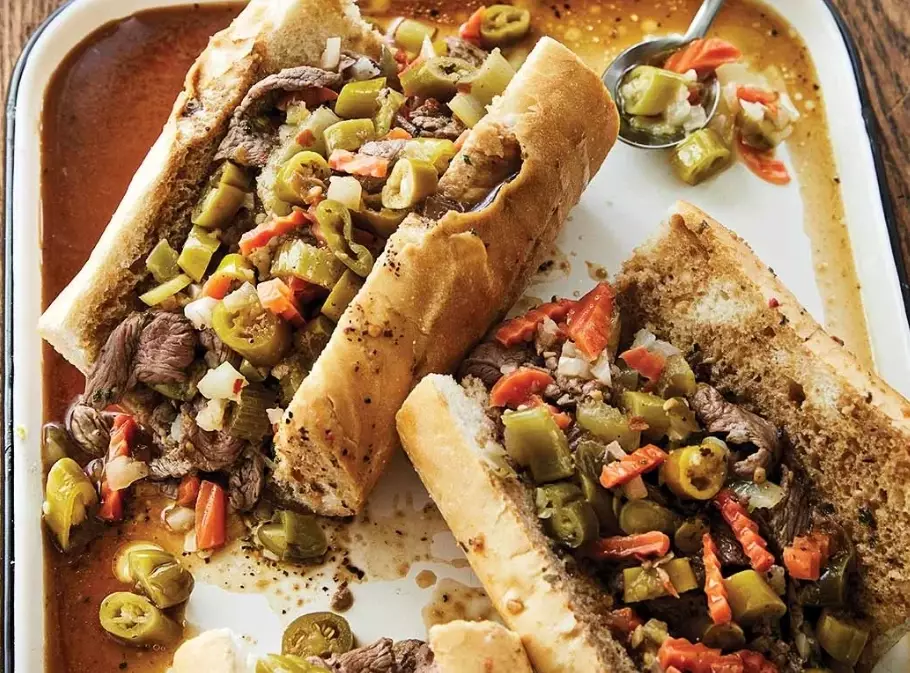
Authentic Italian Beef Recipe: Slow-Cooked Chicago-Style Sandwiches

Sea freight rates soared! One after another raised sea freight rates, the "king
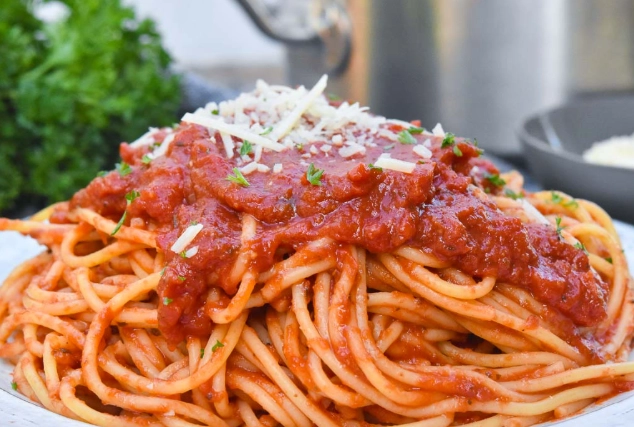
Authentic Italian Spaghetti Sauce Recipe (Ragù alla Bolognese)
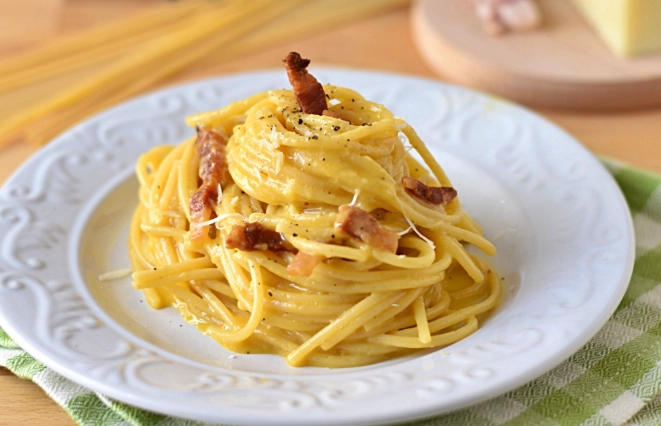
The Best Pasta Carbonara Recipe: Authentic Roman Secrets Revealed
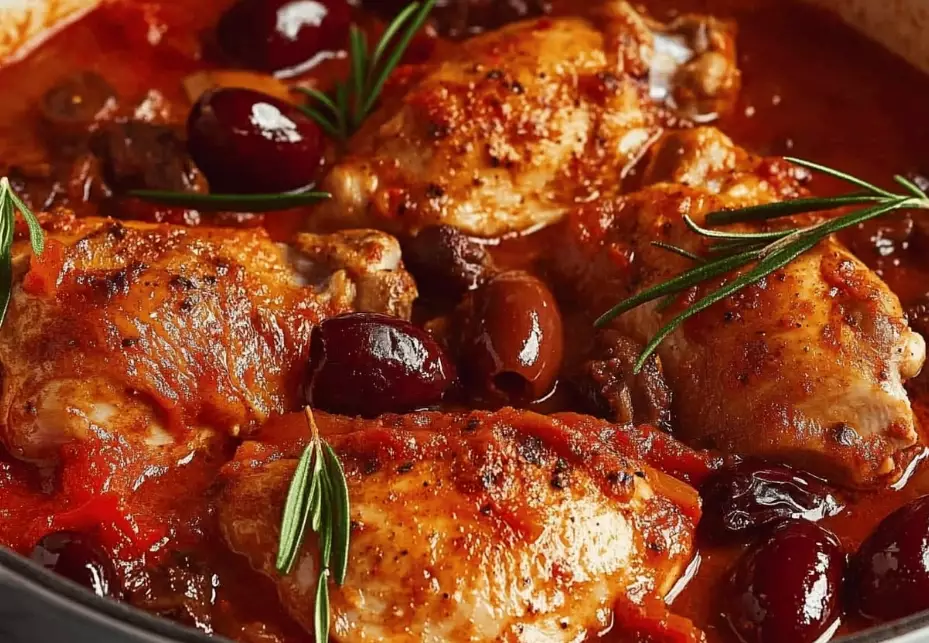
Authentic Italian Chicken Cacciatore Recipe: A Hunter's Stew
Top 10 Italian Dinner Dishes: A Curated Guide for Authentic Meals
Easy Italian Regional Recipes: Authentic Dishes You Can Actually Make
Ultimate Italian Recipes List: From Pasta to Desserts
Traditional Italian Pasta Sauces: A Complete Guide to the Classics

Best Italian Cocktails: From Classic Negroni to Modern Aperitivo
Ultimate Guide to Italian Sandwich Recipes: From Classics to Modern Twists
Authentic Italian Pizzelle Recipe: Crispy, Classic & Easy
Master Italian Meatloaf: Authentic Family Recipe

Amazon on the fire
Traditional Italian Holiday Dinner Recipes: A Complete Guide to a Festive Feast
Authentic Italian Drunken Noodles Recipe (Pasta alla Ubriaca)
Pasta Recipes: A Complete Guide from Beginner to Pro

The RMB exchange rate against the US dollar rose to a high point this year

The reason for the surge in A-shares has been found! The Shanghai Composite Inde
Top 10 Italian Dishes Veg: Best Vegetarian Pasta & Mains Guide
Easy Italian Baked Dinner Recipes: Lasagna, Chicken Parm & More
Authentic Italian Dessert Recipes: Easy Tiramisu, Cannoli & More
Chopped Italian Sandwich Recipe: Step-by-Step Homemade Guide
Sausage Dinner Ideas: What Meals Can I Make with Sausages?
Easy Traditional Italian Wedding Soup Recipe - Authentic & Simple
Italian Vinaigrette vs Italian Dressing: The Real Difference Explained
Leave a Comment