Authentic Italian Christmas Recipes: Traditional Dishes & Festive Menus
What You'll Find in This Guide
Christmas in Italy isn't just a holiday; it's a culinary marathon that stretches over days, centered around family, tradition, and incredibly flavorful food. If you've ever wanted to recreate that authentic Italian Christmas experience at home, you're in the right place. I've spent years living in Tuscany and Lombardy, cooking alongside nonnas who guard their recipes like family secrets. This guide dives deep into the real deal—traditional Italian Christmas recipes that go beyond the usual internet listicles. We'll cover everything from the essential structure of the meal to step-by-step recipes, regional twists, and the subtle mistakes that can make or break your feast.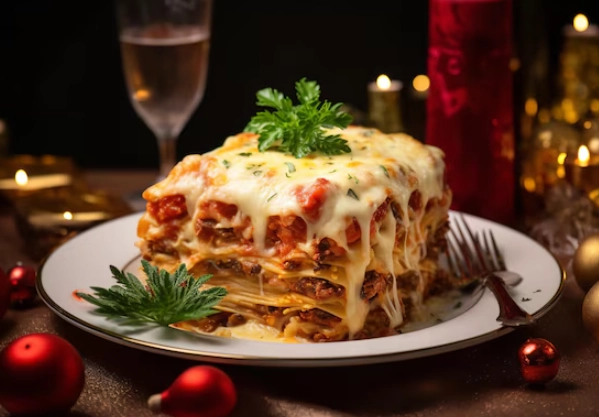
The Structure of a Traditional Italian Christmas Meal
An authentic Italian Christmas dinner, or Cena di Natale, isn't a single plate. It's a multi-course journey. Forget the rushed meals; here, it's about pacing and celebration. The meal typically unfolds over several hours on Christmas Eve or Christmas Day, depending on regional customs. Northern Italy often leans toward Christmas Day feasts, while the South might focus on La Vigilia (Christmas Eve) with fish-based dishes.
Antipasti: Welcoming Guests with Small Bites
This is the warm-up. Think platters of cured meats like prosciutto and salami, marinated vegetables, and cheeses. A common star is insalata di rinforzo, a pickled cauliflower salad from Naples that's made days ahead to let flavors meld. Most recipes online tell you to boil the cauliflower, but that's a mistake. Steaming it keeps a crunch that contrasts beautifully with the olives and peppers.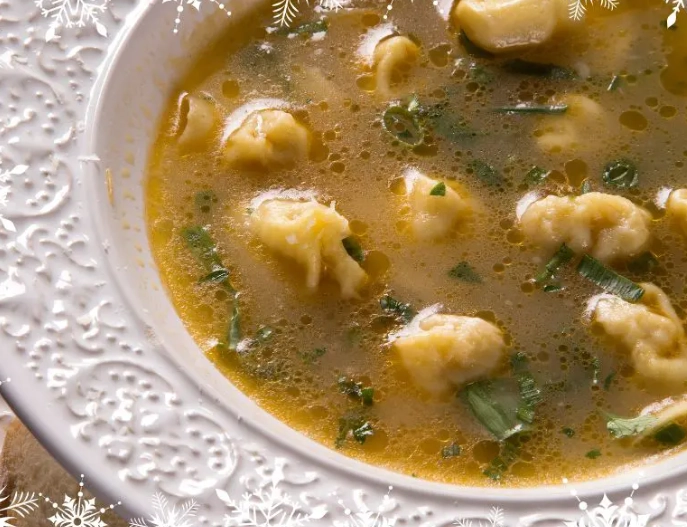
Primi Piatti: Pasta and Rice Dishes
Here's where the carbs shine. It's often a rich pasta or risotto. Tortellini in brodo (meat-filled pasta in broth) is a classic from Emilia-Romagna, especially for Christmas Day. The broth should be clear, golden, and homemade—using a store-bought cube here feels like cheating. Another favorite is lasagna, but not the heavy, cheese-laden version. In many homes, it's a lighter, besciamella-based lasagna with ragù.
Secondi Piatti: The Main Event
The centerpiece. This varies wildly by region. In the North, you might find arrosto (roast meats) like capon or turkey. Coastal areas serve baccalà (salted cod), prepared in ways like Baccalà alla Vicentina, a slow-cooked dish from Veneto. The key? Soaking the cod for at least 48 hours, changing the water often. I've seen people rush this, and the result is unbearably salty.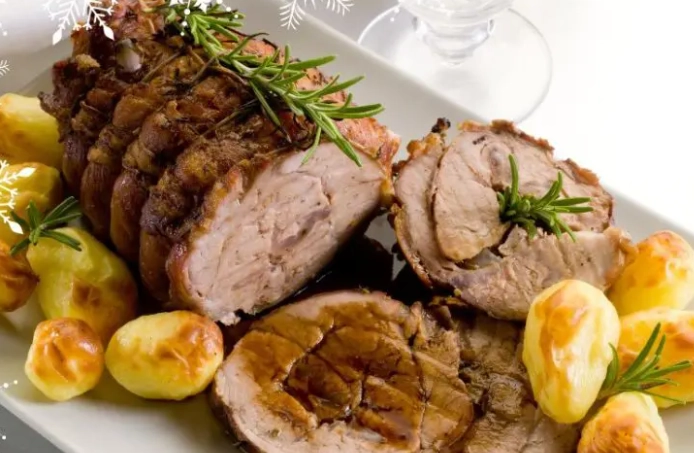
Dolci: Sweet Endings
No Italian Christmas is complete without dessert. Panettone and pandoro are the national stars, but there's so much more. Panforte from Siena, a dense fruit and nut cake, or struffoli, honey-coated fried dough balls from Naples. Store-bought panettone is fine, but homemade? That's a game-changer.
Must-Try Authentic Italian Christmas Recipes
Let's get practical. Here are three foundational recipes with details you won't find on most blogs. I've included prep times, cooking notes, and personal tweaks.
1. Homemade Panettone: The Heart of Christmas
Why it's essential: This sweet bread from Milan symbolizes generosity. A good panettone is light, airy, and fragrant with citrus.
Ingredients (for one large loaf): 500g strong bread flour, 150g sugar, 250ml whole milk, 3 eggs, 200g butter, 150g mixed candied fruit (orange and citron), 100g raisins, 25g fresh yeast, pinch of salt, vanilla extract.
Step-by-step summary: Start by activating the yeast in warm milk. Mix flour, sugar, and salt, then add eggs and yeast mixture. Knead for 15 minutes until elastic. Incorporate softened butter gradually—this is crucial for that rich texture. Fold in soaked raisins and candied fruit. Let it rise in a warm place for 4-6 hours, until tripled in size. Shape into a ball, place in a panettone paper mold, and rise again for 2 hours. Bake at 180°C (350°F) for 45-50 minutes. Hang it upside down to cool completely to prevent collapsing.
My tip: Most recipes say to use any candied fruit, but true authenticity calls for cedro(citron) and orange. If you hate candied fruit, soak dried apricots in rum for a day—it's a non-traditional but delicious swap. The rising time can't be rushed; I once tried a quick-rise yeast, and the texture was dense like cake.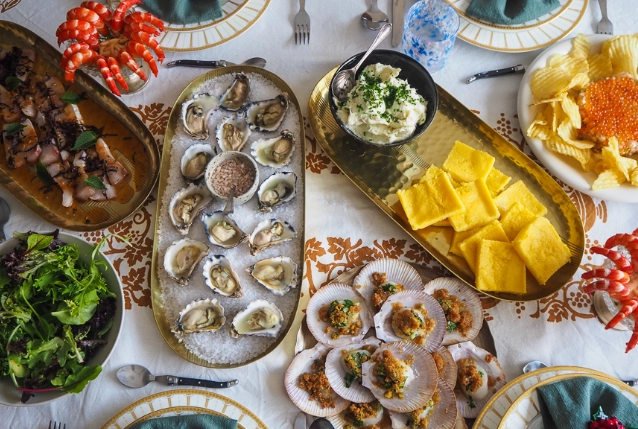
2. Tortellini in Brodo: Comfort in a Bowl
Why it's essential: A Christmas Day staple in Emilia-Romagna, these tiny meat-filled pasta parcels in clear broth are soothing and elegant.
For the broth: 2kg chicken or capon bones, 1 onion, 2 carrots, 2 celery stalks, parsley, salt. Simmer for 4-5 hours, skimming foam. Strain—you want it crystal clear.
For the tortellini filling: 200g ground pork, 200g mortadella, 100g Parmigiano-Reggiano, 1 egg, nutmeg, salt, pepper. Grind mortadella finely, mix all. Use fresh pasta sheets rolled thin.
Assembly: Cut pasta into circles, place a pea-sized filling, fold into triangles, then wrap around your finger to form the classic shape. Cook in simmering broth for 3-4 minutes.
My tip: Don't overfill the tortellini. They'll burst. And for the broth, a trick from a Modena chef: add a splash of white wine while simmering for depth. Skip the bouillon cubes; the homemade broth makes all the difference.
3. Baccalà alla Vicentina: A Northern Delicacy
Why it's essential: Perfect for Christmas Eve, this Vicenza dish features salted cod slow-cooked in milk and oil until tender.
Ingredients: 1kg salted cod (soaked for 48 hours), 500ml whole milk, 200ml olive oil, 2 onions, parsley, flour, salt, pepper.
Steps: After soaking, pat dry the cod and cut into pieces. Dust with flour. Sauté sliced onions in oil until soft. Layer cod and onions in a pot, add milk and oil to cover. Simmer on very low heat for 4 hours—never boil. Serve with polenta.
My tip: The soaking is non-negotiable. Change the water every 8 hours to desalt properly. Many home cooks skip this, and the dish becomes inedible. Also, use a heavy-bottomed pot to prevent burning.
Regional Christmas Specialties Across Italy
Italy's culinary landscape is diverse. Here's a quick table to show how Christmas dishes vary—useful for planning a themed menu.
| Region | Signature Christmas Dish | Key Ingredients & Notes |
|---|---|---|
| Emilia-Romagna | Tortellini in Brodo | Meat-filled pasta, clear broth. Often served on Christmas Day. |
| Veneto | Baccalà alla Vicentina | Salted cod, milk, olive oil. Slow-cooked for hours. |
| Sicily | Caponata | Eggplant relish with capers, celery. Served as antipasto. |
| Campania (Naples) | Struffoli | Fried dough balls, honey, sprinkles. A festive dessert. |
| Tuscany | Ribollita | Hearty vegetable soup. Often on Christmas Eve. |
I remember spending Christmas in Sicily where the caponata was tangier than in the North, with more vinegar—a reflection of local tastes. According to the Italian National Tourist Board, these regional differences stem from historical trade and agriculture.
Planning Your Italian Christmas Feast: A Timeline
Pulling off this meal requires strategy. Here's a realistic timeline based on my own kitchen disasters and successes.
One week before: Source special ingredients. Order salted cod online if needed. Buy candied fruit and high-quality flour for panettone. Check your local Italian deli—they often import authentic items.
Three days before: Make the broth for tortellini. Let it cool, skim fat, and refrigerate. It tastes better with time. Also, start soaking the baccalà if using.
Two days before: Prepare desserts like panforte or soaked fruits for panettone. These keep well. Make insalata di rinforzo—it needs time to pickle.
Christmas Eve/Day morning: Cook the baccalà (it takes hours). Shape and cook tortellini, then store them on floured trays. Bake the panettone if homemade.
3 hours before serving: Reheat broth gently. Arrange antipasti platters. Let meats come to room temperature.
During the meal: Pace yourself. Italians often take breaks between courses. Play some music, pour wine—Barolo or Prosecco work well.
This timeline avoids the last-minute chaos I experienced my first time, when I tried to do everything on Christmas Day.
Common Pitfalls and How to Avoid Them
Even with great recipes, small errors can ruin the dish. Here are pitfalls I've seen (and made).
Overworking pasta dough: For tortellini, knead just until smooth. Over-kneading makes it tough. Use 00 flour for tenderness.
Rising dough in a cold kitchen: Panettone needs warmth. I place it in a turned-off oven with a bowl of hot water. A cold rise leads to dense bread.
Skimping on broth simmering time: That clear broth for tortellini? It requires patience. Simmer on low, skimming frequently. Boiling makes it cloudy.
Using low-quality olive oil: In dishes like baccalà, extra virgin olive oil matters. It adds fruitiness. Cheap oil can taste bitter.
Serving everything at once: This isn't a buffet. Course it out. Antipasti first, then pasta, then main, then dessert. It keeps things lively.
Your Italian Christmas Cooking Questions Answered
Bringing an authentic Italian Christmas to your table is about more than recipes; it's about embracing the slow, joyful pace. Start with one dish, like a homemade panettone, and build from there. Remember, even Italians argue over family recipes—so make it your own. For further reading, check out resources from the Academia Barilla or Gambero Rosso, which document traditional Italian cuisine. Now, roll up your sleeves and let the feast begin!
Related Articles
Unlock Flavor: 5 Essential Italian Seasoning Recipes & Pro Tips
Authentic Pasta Carbonara Recipe: The Real Italian Way
Traditional Italian Baked Ziti Recipe: Authentic Step-by-Step Guide
Traditional Italian Pasta Sauce: The Complete Guide to Authentic Recipes & Secrets
Simple Italian Baked Dishes: Easy Recipes for Lasagna, Eggplant & Focaccia

With an increase of nearly 300%, the leader of "flying cars" took off, fearless
Easy Original Pizzelle Recipe: Classic Italian Waffle Cookies
Cold Italian Appetizers: The Ultimate Guide to Antipasti & Finger Foods
Authentic Italian Pizzelle Recipe with Anise: A Family Tradition
Authentic Italian Spaghetti Sauce Recipe (Ragù alla Bolognese)
Authentic Italian Bolognese Recipe: The Real Ragù from Bologna
Easy Italian Appetizer Recipes for a Crowd: Make-Ahead & Crowd-Pleasing Ideas
Zesty Italian Dressing Recipe: Easy Homemade Guide
Ultimate Guide to Homemade Italian Sausage Recipe (Sweet & Spicy)
A Guide to Italy's Classic Dishes: Pasta, Pizza & More
Authentic Italian Cheesecake Recipe: Creamy Ricotta Dessert Guide
Authentic Carbonara Recipe: How to Make Traditional Italian Pasta

Sold out! BYD official: The order is extremely large, the stock price has risen
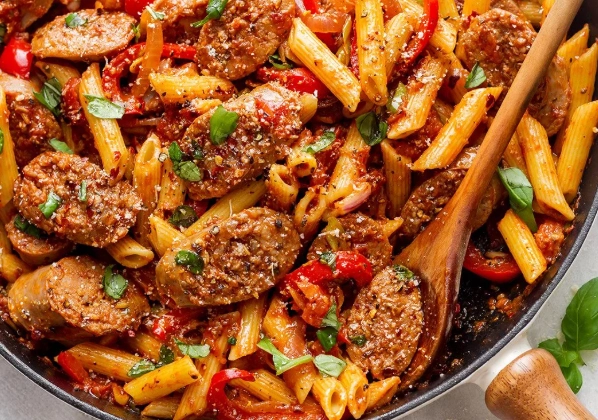
Italian Sausage Recipes: Easy Family Dinners in 30 Minutes
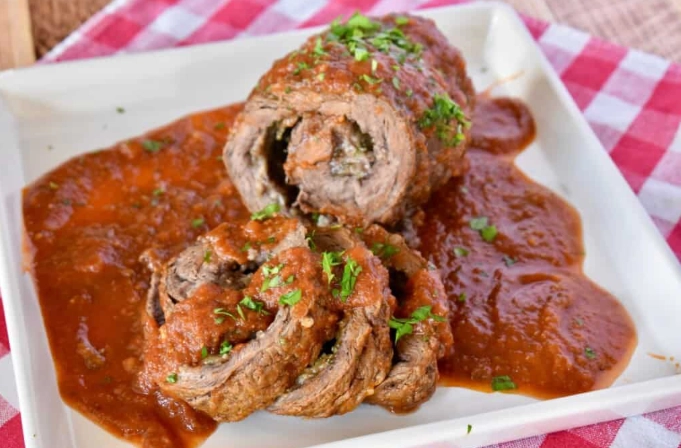
Ultimate Braciole Recipe: Authentic Italian Beef Rolls in Tomato Sauce
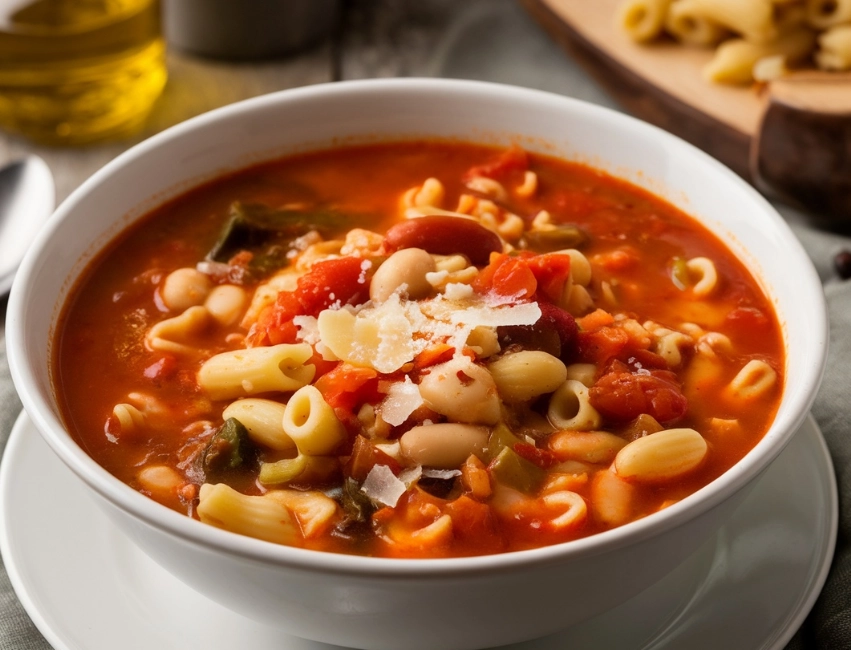
Italian Pasta e Fagioli Soup Recipe: Authentic & Easy
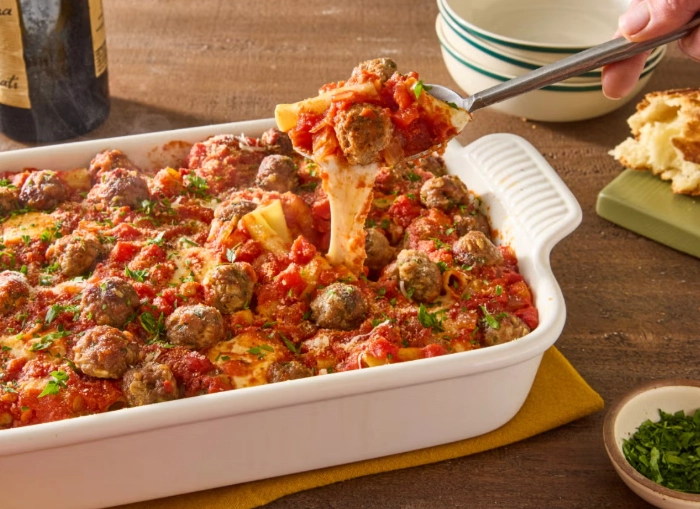
Best Italian Holiday Dinner Recipes: A Complete Menu Guide
Authentic Italian Pizza Recipe: A Step-by-Step Guide
Best Italian Baked Dishes Recipes: Authentic & Easy to Make

Two 1 billion US dollars of large model financing, Internet giants are starting
Mastering Italian Fish Recipes: From Classic to Coastal
Ultimate Guide to Italian Baked Ground Beef Recipes
Authentic Italian Cannoli Recipe: Crispy Shells & Sweet Ricotta Filling
Master Old School Italian Recipes: Authentic Pasta, Ragù & More
Leave a Comment