Italian Christmas Dinner Courses: A Complete Traditional Feast Guide
What You'll Find in This Guide
I still remember my first Christmas in Italy—the warmth of the kitchen, the scent of simmering sauces, and the sheer number of plates on the table. It wasn't just a meal; it was an event, a multi-course journey that stretched for hours. If you're curious about what makes an authentic Italian Christmas dinner, you're in the right place. This guide dives deep into the traditional courses, from antipasti to dolce, and gives you the real scoop on pulling it off without losing your mind.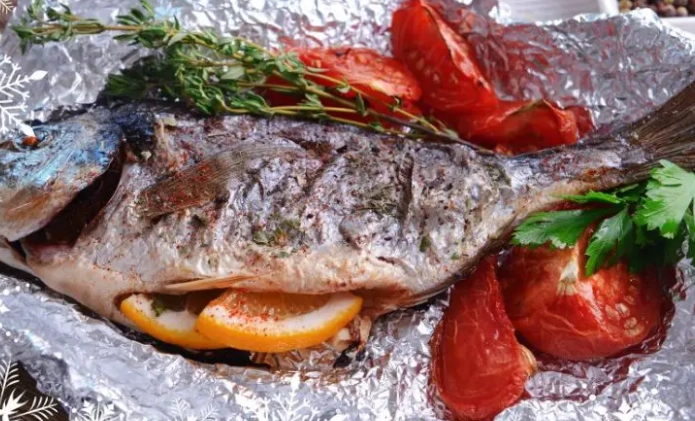
The Structure of a Traditional Italian Christmas Dinner
Let's break it down. An Italian Christmas dinner isn't a single dish; it's a series of courses designed to celebrate and indulge. The exact number can vary by region—my friend from Sicily does seven courses, while my cousin in Tuscany sticks to five—but the core structure is similar. Think of it as a culinary marathon with delicious pit stops.
Antipasti: The Festive Start
This is where it all begins. Antipasti means "before the meal," and it's a spread of cold cuts, cheeses, and marinated vegetables. In my experience, people often overdo it here. They pile on prosciutto, salami, and grilled veggies, only to realize they're too full for the main event. A pro tip: keep it light. Focus on quality over quantity. A few slices of prosciutto di Parma, some pecorino cheese, and maybe some artichokes in oil. It's about whetting the appetite, not crushing it.
Primi Piatti: Pasta and More
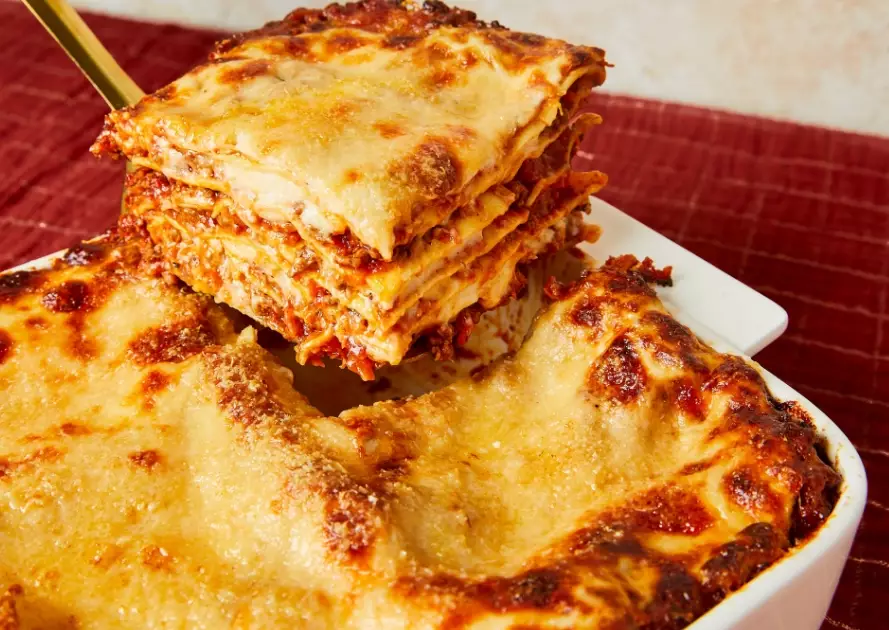
Now we get to the heart of the meal. Primi are the first hot courses, usually pasta or risotto. For Christmas, it's often something rich and symbolic. Lasagne is a classic—layers of pasta, ragù, and béchamel that take forever to make but are worth every minute. Another favorite is tortellini in brodo, little stuffed pasta in a clear broth. I've seen home cooks stress over making pasta from scratch, but here's a secret: good store-bought fresh pasta works fine if you're short on time. The key is the sauce—simmer it low and slow.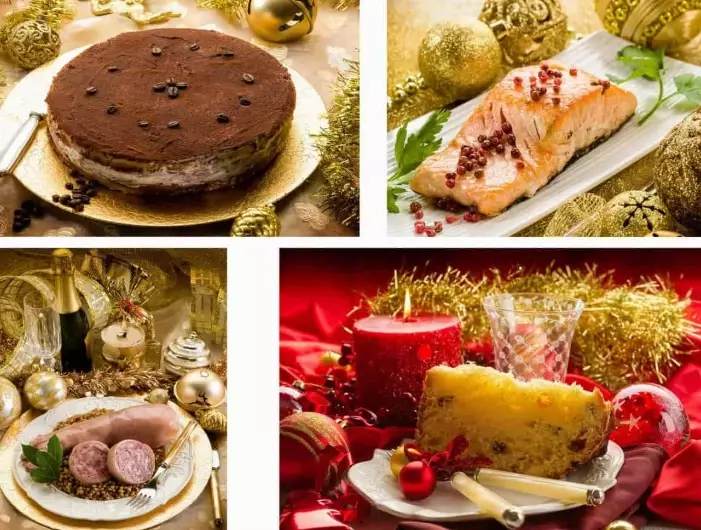
Secondi Piatti: The Main Event
This is the centerpiece, the protein course. In many households, it's roasted meat—like arrosto di vitello (veal roast) or capitone (fried eel, common in Southern Italy). I tried capitone once; it's an acquired taste, honestly. For a more approachable option, roast turkey or braised beef are popular. The mistake I see? Overcooking. Italians prefer meat tender and juicy, not dry. Use a meat thermometer and let it rest before slicing.
Contorni: Side Dishes
Contorni are the sides that accompany the secondi. They're often vegetables, but not just any veggies—think roasted potatoes with rosemary, sautéed greens like spinach, or carrots glazed with honey. My nonna always said the contorni should balance the richness of the main. Don't skip them; they add color and freshness to the plate.
Dolce and Beyond: Sweet Endings
Dessert is non-negotiable. The star is usually panettone or pandoro, those iconic Christmas cakes. Panettone has candied fruit, while pandoro is a buttery, star-shaped cake dusted with sugar. I lean toward pandoro—it's less dense. Alongside, you might find torrone (nougat) or panforte (a spiced fruitcake from Siena). And let's not forget the drinks: spumante (sparkling wine) or vin santo for dipping biscuits. It's a sweet finale that lingers.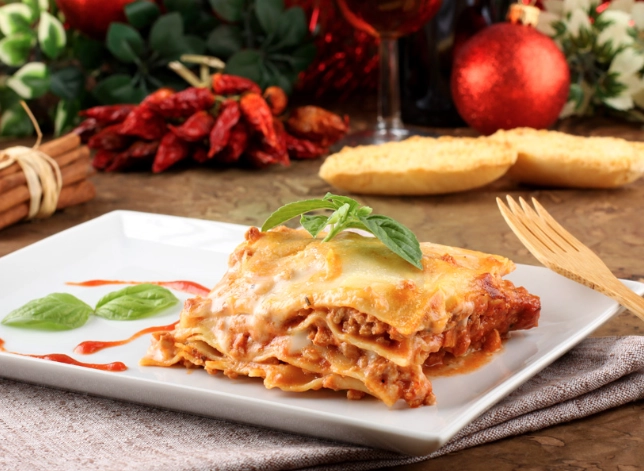
Planning Your Italian Christmas Dinner: A Practical Timeline
So, you want to host your own feast? Let's walk through a realistic plan. Assume you're cooking for 6 people, and you want to serve 5 courses: antipasti, primi, secondi, contorni, and dolce. Here's a timeline based on my own chaotic but successful attempts.
Three Days Before: Make your shopping list. Hit the market for fresh ingredients—prosciutto, cheese, vegetables, meat. Order the panettone in advance; good ones sell out fast. Prep any sauces that can be frozen, like a ragù for the lasagne.
Two Days Before: Start cooking components that improve with time. I make the lasagne layers and assemble them, then refrigerate. Marinate vegetables for antipasti. If you're doing a roast, brine the meat overnight—it makes a world of difference in juiciness.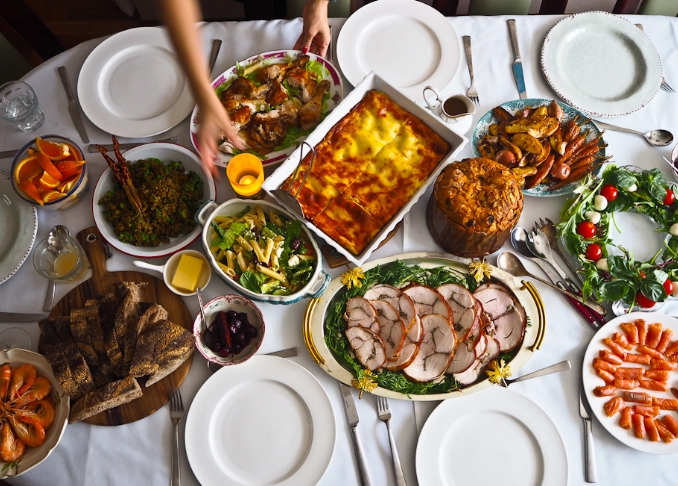
Christmas Eve: This is when most Italians have their big fish dinner, but for Christmas Day, focus on prep. Chop veggies for contorni, set the table, and double-check your recipes. My personal rule: do as much as possible so Christmas Day is about reheating and finishing touches.
Christmas Day Timeline:
- Morning (9 AM): Take the lasagne out of the fridge to come to room temperature. Start roasting the meat if it's a large cut—low and slow is key.
- Afternoon (2 PM): Prepare the contorni—roast potatoes, sauté greens. Arrange antipasti on platters; cover and leave at room temperature.
- Evening (6 PM): Guests arrive. Serve antipasti with a glass of prosecco. Heat the lasagne in the oven.
- 7 PM: Serve primi. While everyone eats, finish the secondi—let the meat rest, then carve.
- 8 PM: Bring out secondi and contorni together. Keep it warm with covered dishes.
- 9 PM: Clear the table, then serve dolce with coffee or vin santo.
It sounds intense, but with prep, it flows. I've messed up by trying to do everything day-of—trust me, spread the work.
Common Pitfalls and How to Avoid Them
After years of observing and cooking, I've spotted patterns. Here are the big ones.
Overcomplicating the Antipasti: As I mentioned, it's easy to go overboard. Stick to 3-4 items max. A simple platter of cured meats, some olives, and a cheese wedge is enough. Save room for the pasta.
Underseasoning the Pasta Water: This is a rookie error. The water for boiling pasta should taste like the sea—salty. If it's bland, your pasta will be bland. I add a handful of salt to a large pot; don't be shy.
Serving Everything at Once: Italian dinners are paced. Don't rush. Let each course breathe. I've seen hosts pile plates high, and guests get overwhelmed. Serve sequentially, with breaks in between. It's about conversation, not speed-eating.
Neglecting the Contorni: Sides aren't an afterthought. They cut through the richness. If your secondi is heavy, like a roast, pair it with a bright, acidic side like a lemon-dressed salad. Balance is everything.
Forgetting the Drinks: Match drinks to courses. Prosecco with antipasti, a robust red like Chianti with secondi, and something sweet like Moscato with dolce. It elevates the meal.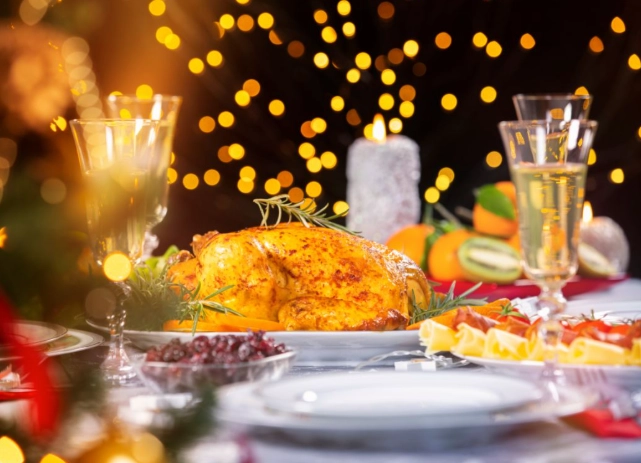
Menu Ideas for a Memorable Feast
To make it concrete, here are two menu options—one traditional, one simplified—based on what I've seen work.
| Course | Traditional Menu (Full Experience) | Simplified Menu (Easier at Home) |
|---|---|---|
| Antipasti | Prosciutto di Parma, pecorino cheese, marinated artichokes, bruschetta | Assorted olives, sliced salami, fresh bread |
| Primi | Homemade lasagne al forno | Store-bought tortellini with a simple butter-sage sauce |
| Secondi | Roast veal with herbs | Herb-roasted chicken thighs |
| Contorni | Roasted potatoes, sautéed spinach with garlic | Steamed green beans with lemon zest |
| Dolce | Panettone with mascarpone cream, torrone | Pandoro dusted with powdered sugar, fresh fruit |
The traditional menu is a labor of love—perfect if you have help in the kitchen. The simplified one cuts corners without sacrificing flavor. I've done both; guests rarely notice the difference if you focus on quality ingredients.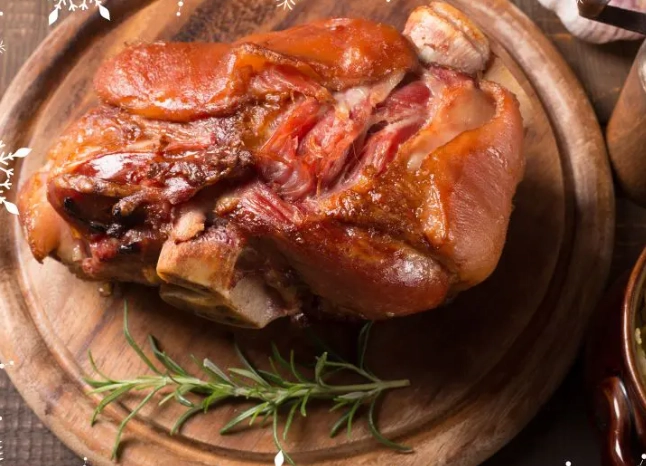
For a regional twist, consider adding cotechino con lenticchie (sausage with lentils) from Northern Italy for good luck, or baccalà (salt cod) from coastal areas. It's fun to mix and match.
FAQs About Italian Christmas Dinner Courses
Wrapping up, an Italian Christmas dinner is more than food—it's a celebration of family and tradition. Don't get bogged down by perfection. I've had meals where the lasagne was slightly burnt or the meat overcooked, but the laughter and stories made it memorable. Focus on the courses that matter to you, prep ahead, and enjoy the process. Buon Natale!
Related Articles

Sold out! BYD official: The order is extremely large, the stock price has risen

Geely and Zeekr have the best semi-annual reports, half of which rely on sales g

Still have to rely on Zhengzhou Foxconn? The truth about the swing between Apple
Authentic Italian Pasta Recipes: A Complete Cooking Guide
Authentic Italian Drunken Noodles Recipe (Pasta alla Ubriaca)
Authentic Italian Cookies Recipes: Classic Biscotti, Amaretti & More
Authentic Italian Cookie Recipes: From Biscotti to Amaretti
Italian Lasagna Recipe: Authentic Homemade Lasagna Guide
What to Bring to an Italian Dinner Party: The Ultimate Guest's Guide

Two 1 billion US dollars of large model financing, Internet giants are starting
Simple Italian Sausage Recipes for Dinner: Easy & Flavorful Family Meals
Easy Crusty Italian Bread Recipe: Homemade Ciabatta & Focaccia
Italian Casserole Recipes: Easy Family Dinners & Expert Tips
Authentic Italian Peasant Food: Simple Recipes & Where to Eat
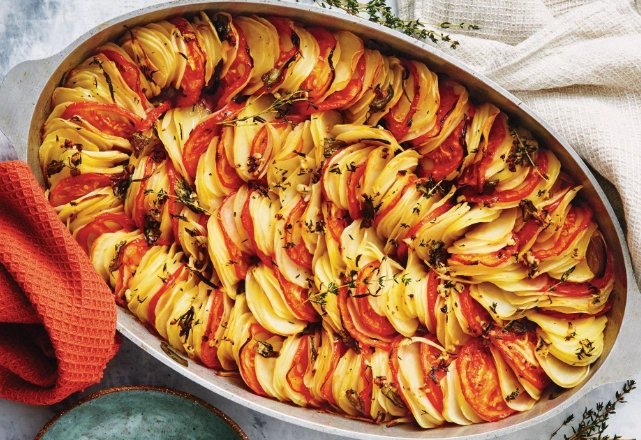
Easy Italian Baked Dishes Recipes: Effortless Family Dinners
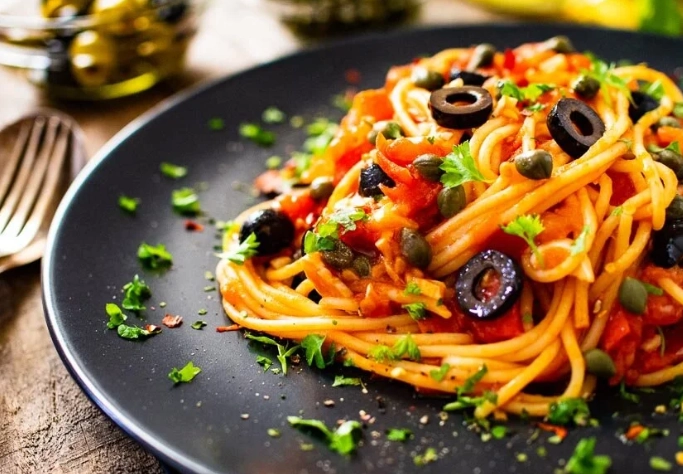
4 Famous Italian Pastas: Types, History & Cooking Guide
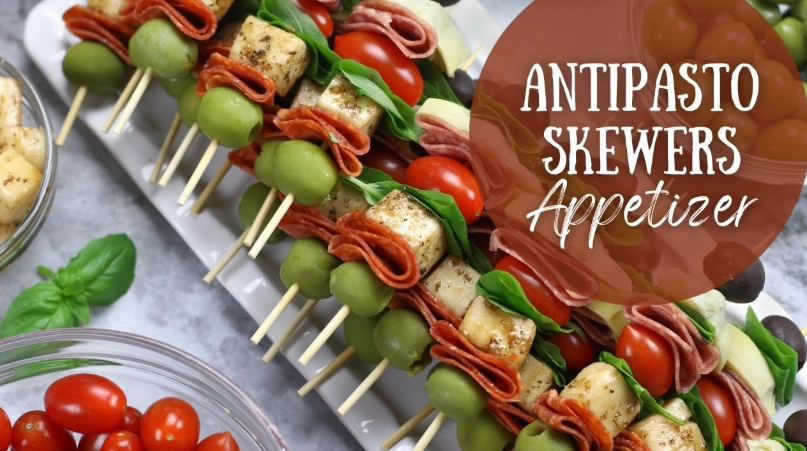
Make-Ahead Italian Appetizers: Stress-Free Recipes & Tips for Any Gathering
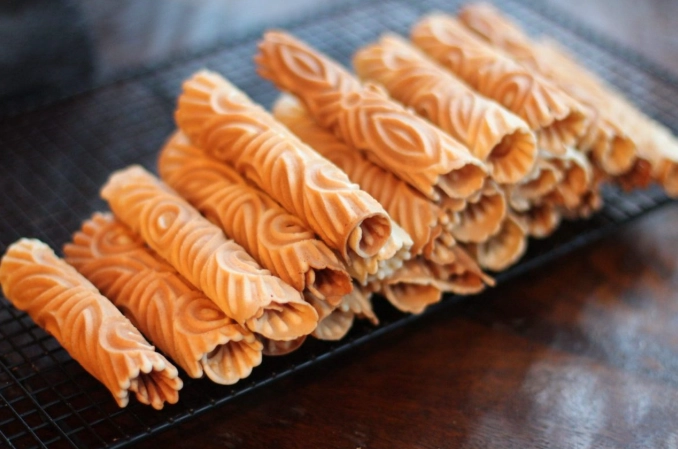
Authentic Italian Pizzelle Recipe: Crispy, Classic & Easy

Tesla VS BYD: A new wave of insurance for electric car giants
The Ultimate Authentic Italian Hoagie Recipe: Make the Classic Philly Sandwich at Home
What Is Authentic Italian Food? A Guide to Regional Classics & Home Cooking
Authentic Italian Green Beans Recipe: A Classic Nonna's Method
Ultimate Italian Pizzelle Recipe: Crispy, Authentic & Easy
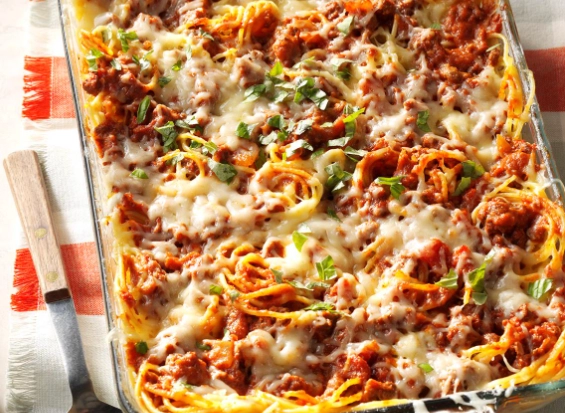
Easy Italian Baked Dinner Recipes: Lasagna, Chicken Parm & More
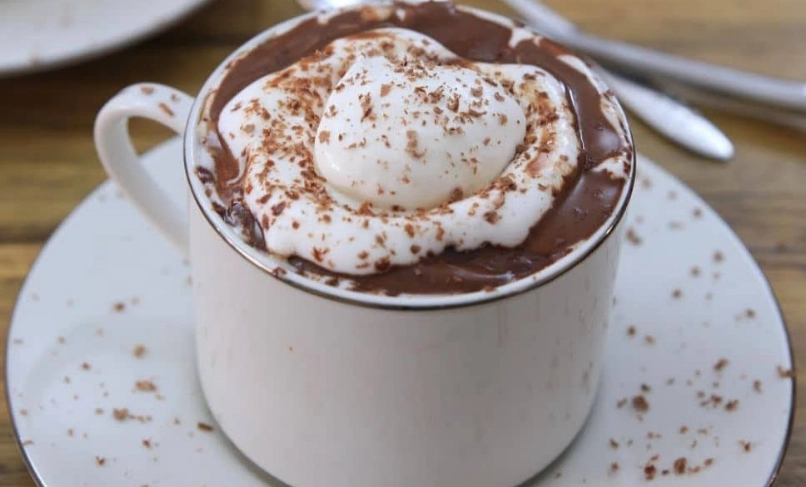
Authentic Italian Hot Chocolate Recipe: Rich, Thick & Easy
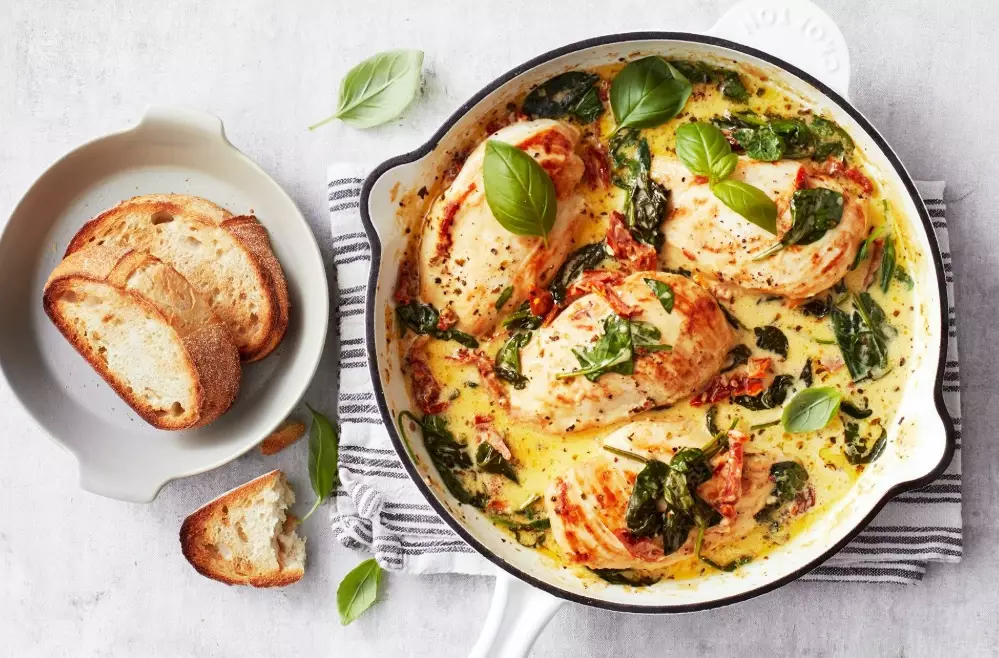
Authentic Italian Chicken Recipes: From Classic Pollo alla Cacciatora to Modern Favorites
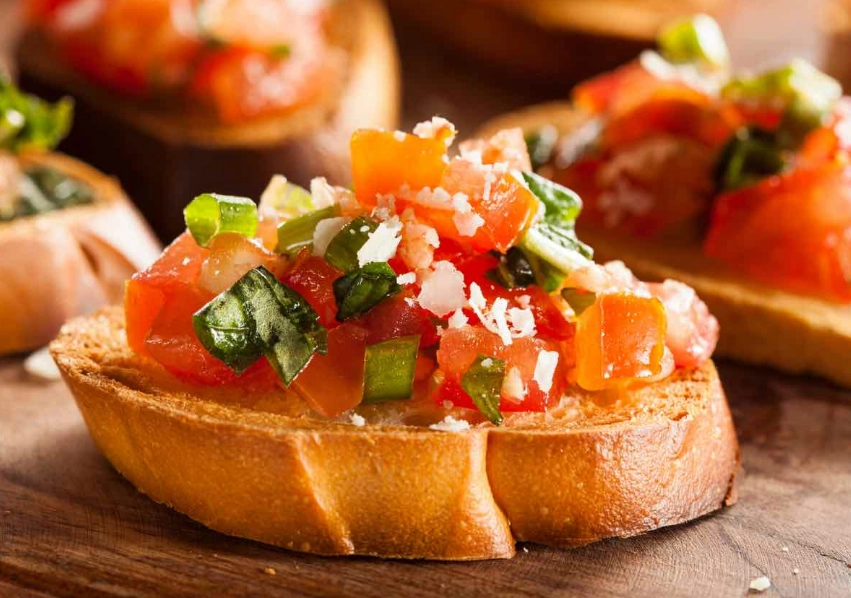
Authentic Italian Appetiser Recipes for Your Next Gathering
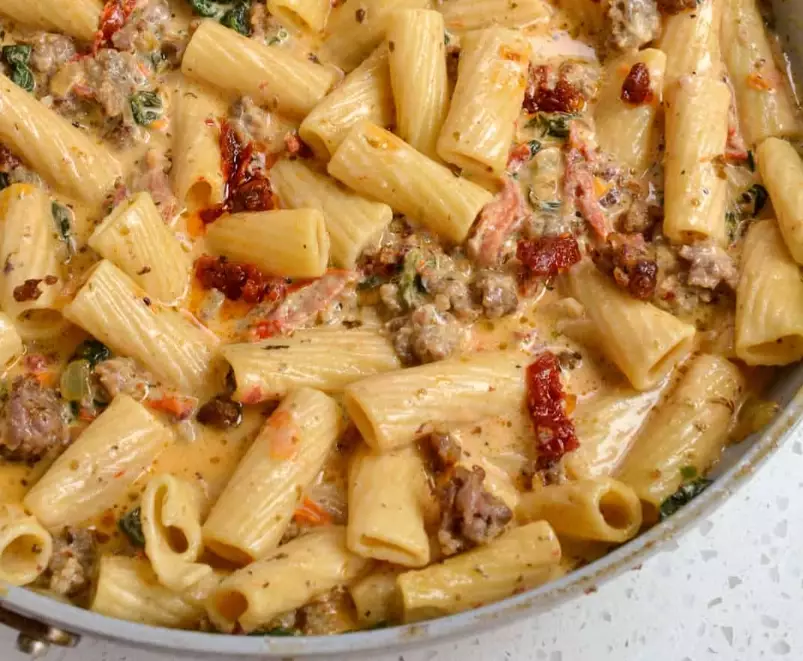
Italian Sausage Dinner Recipes: Easy, Flavorful Family Meals
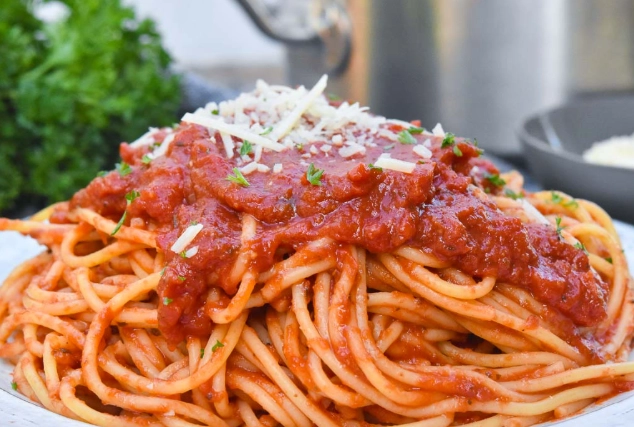
Authentic Italian Spaghetti Sauce Recipe (Ragù alla Bolognese)

Leave a Comment