Best Italian Holiday Dinner Recipes: A Complete Menu Guide
Let's be honest. The pressure of cooking a holiday dinner can feel overwhelming. You want it to be special, memorable, and absolutely delicious. If you're looking to capture the warmth and abundance of an Italian festa, you're in the right place. Forget dry turkey and bland sides. An Italian holiday table is a celebration of bold flavors, shared plates, and recipes passed down through generations. It's less about a single showstopper and more about a harmonious, multi-course experience designed for lingering at the table. I've spent years cooking in home kitchens from Naples to Bologna, and I'm here to share not just recipes, but the why behind them—the little tricks nonnas know that most online recipes skip.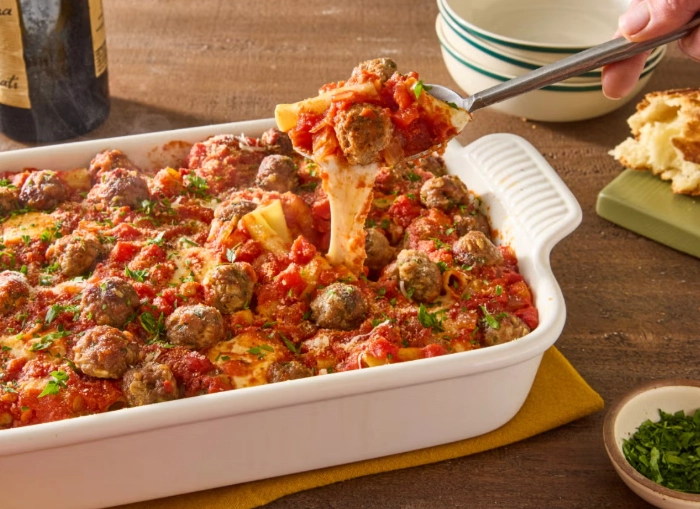
What's on the Menu?
The Starter: A No-Stress Antipasto Spread
In Italy, the meal starts with antipasti—not a single dish, but a curated spread meant to whet the appetite and encourage conversation. The beauty here is you do almost no cooking. It's about quality assembly.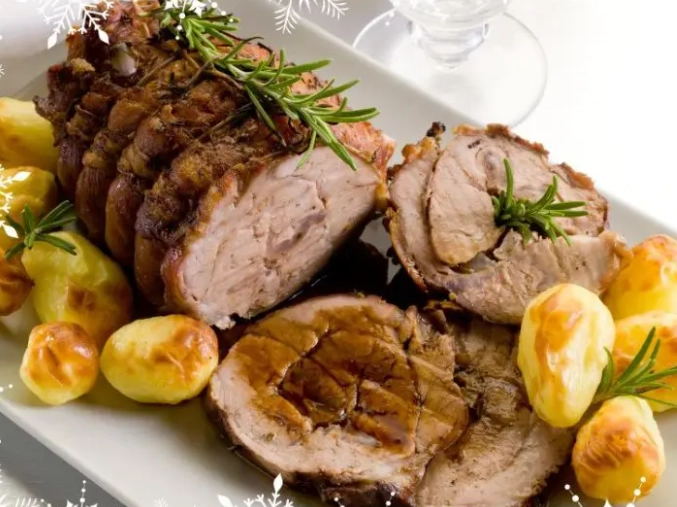
Most people just throw some meat and cheese on a board. The mistake? Forgetting the textural and acidic counterpoints. You need something crunchy, something tangy, and something briny to cut through the richness.
My Go-To Antipasto Assembly List:
- The Meats (Salumi): Prosciutto di Parma (sweet and delicate), Finocchiona (fennel-spiced salami), and a spreadable 'nduja if you can find it (spicy Calabrian sausage).
- The Cheeses (Formaggi): A wedge of aged Parmigiano-Reggiano for shaving, a creamy Taleggio, and a firm Pecorino Romano for a salty bite.
- The Crucial Accompaniments: This is where you elevate it. Include marinated artichoke hearts, roasted peppers in oil, a bowl of mixed olives (Castelvetrano for buttery, Gaeta for salty), and grissini (breadsticks). Don't buy the skinny, packaged ones. Seek out the thick, handmade torinesi style—they're a game-changer for scooping.
- My Secret Add: A small bowl of mostarda di frutta (fruit in a sweet-spicy mustard syrup). A spoonful with a piece of strong cheese is an unforgettable flavor bomb.
Arrange everything on a large platter or board an hour before guests arrive. Let the cheeses come to room temperature. Drizzle a little extra virgin olive oil over the cheeses and peppers. Done.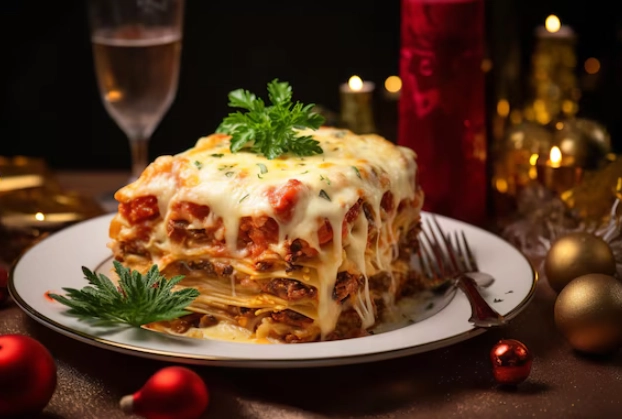
The Main Event: A Soul-Warming Lasagna al Forno
For Christmas Eve (La Vigilia) or a festive Sunday dinner, lasagna is the heart of the table. Not the dry, layered casserole you might remember. A proper lasagna al forno is rich, saucy, and has distinct layers you can actually see.
The biggest pitfall? A bland meat sauce (ragù). Rushing it is a crime. A great ragù needs a slow, gentle simmer to develop deep flavor. Many recipes tell you to brown the meat and simmer for an hour. That's not enough.
The Ragù Secret Most Recipes Get Wrong
It starts with a soffritto—finely chopped onion, carrot, and celery—sweated (not browned) in olive oil until it's sweet and soft. This can take 15 minutes alone. Then you add a mix of ground beef and pork (or sometimes veal), and let it really brown, almost to the point of sticking to the pan. That fond is flavor. Deglaze with a good splash of red wine and let it evaporate completely.
Here's the non-negotiable, rarely-mentioned step: after adding tomatoes (passata or crushed San Marzanos), you bring it to the barest whisper of a simmer, cover it partially, and let it go for at least 3, preferably 4 hours. Stir it occasionally. The sauce will reduce, darken, and the meat will become impossibly tender. This cannot be hurried. Make this sauce the day before. It's always better.
Assembling the Lasagna: Layer by Layer
For the pasta, fresh sheets are ideal, but no-boil dried sheets work fine if you ensure there's enough sauce around them. The layering is simple but specific:
- Base: A thin layer of ragù on the bottom to prevent sticking.
- Pasta Sheets.
- Ragù. Be generous.
- Béchamel Sauce. Yes, béchamel, not just ricotta. This is the classic Emilian way. It creates a creamy, cohesive layer. Dot it with spoonfuls.
- A generous grating of Parmigiano-Reggiano.
- Repeat. Aim for 4-5 layers.
- Top the final layer with béchamel, extra cheese, and dots of butter.
Bake until golden and bubbling. Let it rest for 20 minutes before cutting. This rest is critical—it allows the layers to set so you get a clean slice.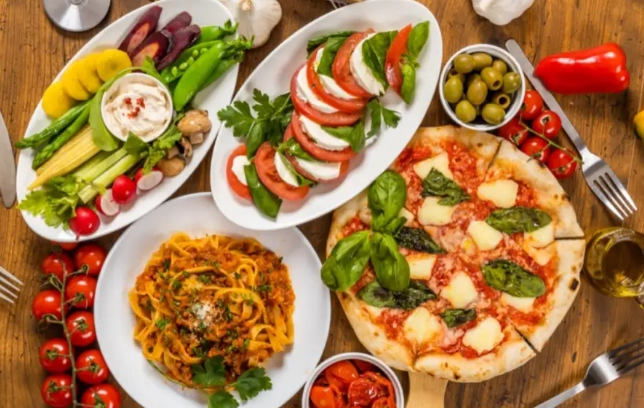
The Second Course: Herb-Roasted Chicken & Vegetables
After the rich lasagna, a simpler, fragrant second course (secondo) is perfect. A whole roasted chicken is celebratory but approachable. The key is in the herb paste under the skin and treating the vegetables as more than an afterthought.
Simple Herb-Roasted Chicken
For the Herb Paste: Blend (or finely chop) a large handful of fresh rosemary, sage, and parsley with 4 cloves of garlic, the zest of a lemon, 1/2 cup of good extra virgin olive oil, and plenty of salt and pepper.
Method: Pat a 4-5 lb chicken very dry. Gently loosen the skin over the breast and thighs. Spread about 2/3 of the paste directly onto the meat under the skin. Rub the rest all over the outside. Truss the legs. This paste seasons the meat from the inside out.
For the Pan: Toss chunks of potato, carrot, and red onion in the bottom of a roasting pan with a little oil, salt, and a splash of water. Place the chicken on a rack over them. The vegetables will roast in the rendered fat and juices—this is the best part.
Roast at 425°F (220°C) for 20 mins, then reduce to 375°F (190°C) until the internal temperature reaches 165°F (74°C) at the thigh. Let the chicken rest on a board for 15 minutes. The vegetables will be caramelized and incredible.
The Sweet Finale: Foolproof Tiramisù
No Italian feast ends without dolce. Tiramisù is the undisputed holiday champion. The classic recipe uses raw eggs, which makes some people nervous. My go-to version uses whipped cream for stability and safety, without sacrificing the essential creamy, coffee-soaked texture.
The biggest mistake here? Soggy ladyfingers (savoiardi). You must dip them quickly—a literal one-second in-and-out of strong, cooled espresso (spiked with a bit of Marsala wine or dark rum). They should be moistened, not saturated and falling apart.
Layer them in your dish, spread over half the mascarpone cream (mascarpone cheese beaten with a little sugar and vanilla, then folded into softly whipped cream), dust with cocoa. Repeat. Always finish with a heavy dusting of unsweetened cocoa powder. Chill for at least 6 hours, preferably overnight. The flavors meld and the texture becomes perfect.
Your Game Plan: Expert Timing for a Stress-Free Day
Cooking a multi-course meal is a dance. Here's how a pro (or a smart home cook) sequences it:
- 2 Days Before: Make the ragù for the lasagna. Cool and refrigerate.
- 1 Day Before: Assemble the lasagna (don't bake it). Cover and refrigerate. Make the tiramisù. Let it set in the fridge. Shop for all antipasto ingredients and the chicken.
- Morning Of: Take the lasagna and tiramisù out of the fridge to take the chill off (about 1-2 hours before baking/eating). Prep the herb paste for the chicken. Wash and chop the roasting vegetables.
- 3 Hours Before Dinner: Put the lasagna in the oven. While it bakes, assemble the antipasto platter.
- After Lasagna Comes Out: Increase oven temp. Prep and put the chicken in to roast. The lasagna rests while the chicken cooks.
- Serve Antipasto as guests arrive. Then slice the lasagna. After that, carve the chicken. Finally, serve the tiramisù.
This flow means you're never trying to cook three hot dishes at the exact same moment.
Your Italian Holiday Dinner Questions, Answered
Related Articles
Italian Cream Cake Recipe: A Southern Classic with Italian Flair
Ultimate Guide to Italian Sausage Recipes: From Classic to Creative
Top 10 Italian Dishes Veg: Best Vegetarian Pasta & Mains Guide

The State Administration of Financial Supervision: Commercial banks have release
Master Authentic Italian Recipes: The Ultimate Guide to Real Italian Cooking
Ultimate Guide to the Top 10 Pasta Dishes You Must Try
Italian Sausage Soup: Authentic Recipes & Pro Tips

Authentic Italian Cocktail Recipes: From Classics to Modern Twists
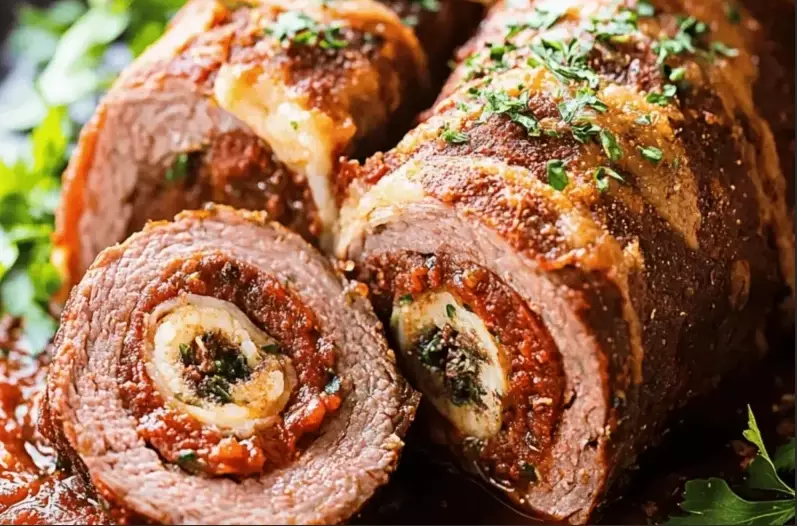
Authentic Italian Braciole Recipe: Slow-Cooked Beef Rolls

Authentic Italian Cookie Recipes: From Biscotti to Amaretti
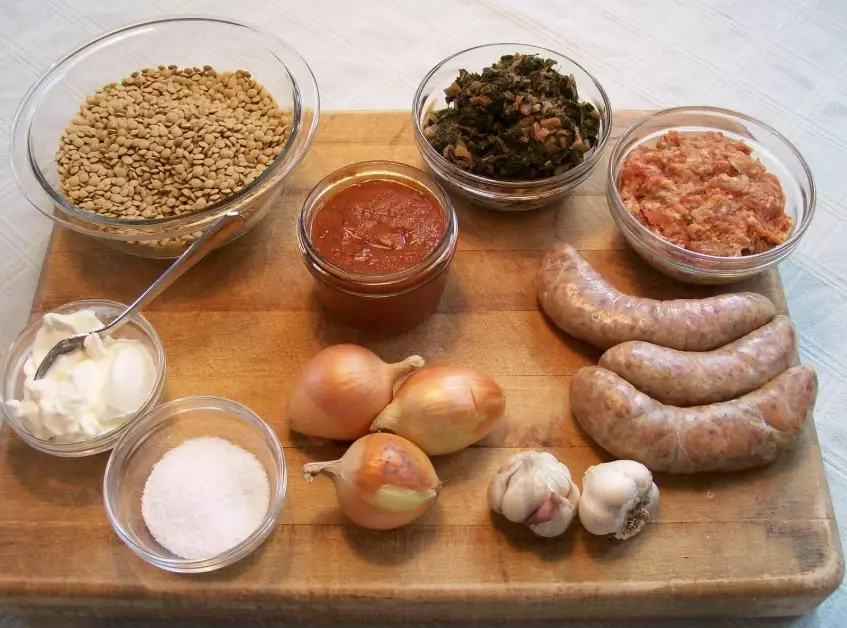
Ultimate Guide to Homemade Italian Sausage Recipe (Sweet & Spicy)
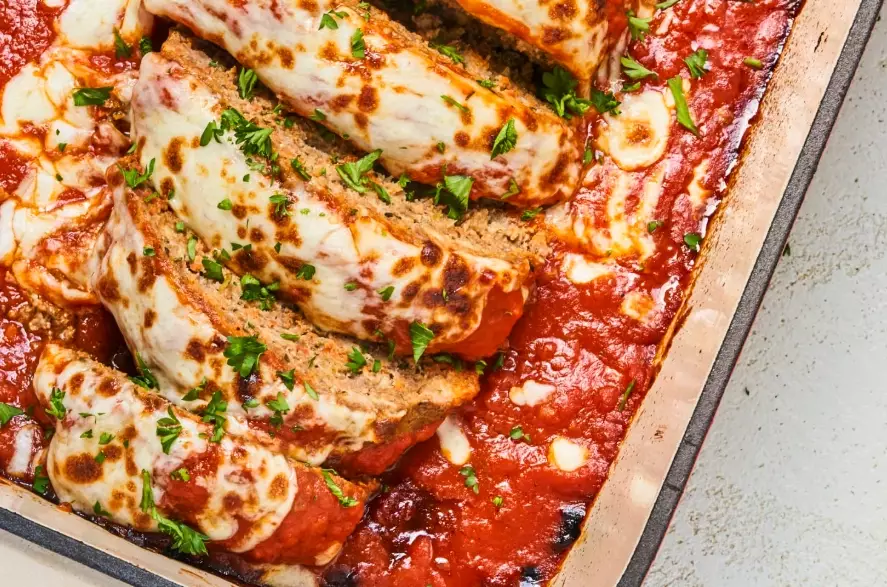
Italian Meatloaf Recipe: The Ultimate Comfort Food Guide
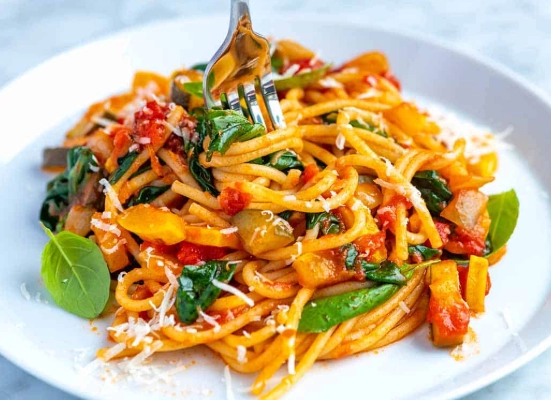
Vegetarian Italian Recipes: A Complete Guide to Plant-Based Pasta & More
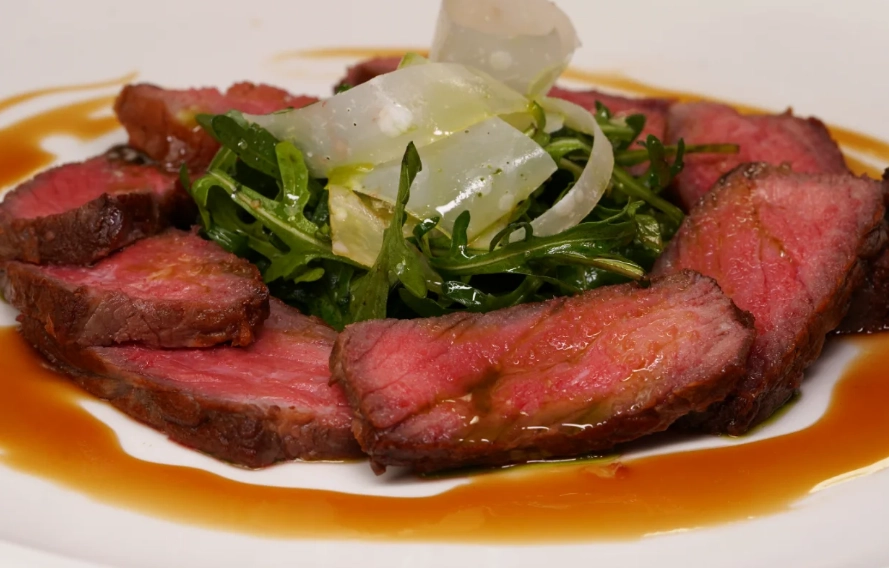
Authentic Italian Steak Recipe: Bistecca alla Fiorentina Guide

Two 1 billion US dollars of large model financing, Internet giants are starting
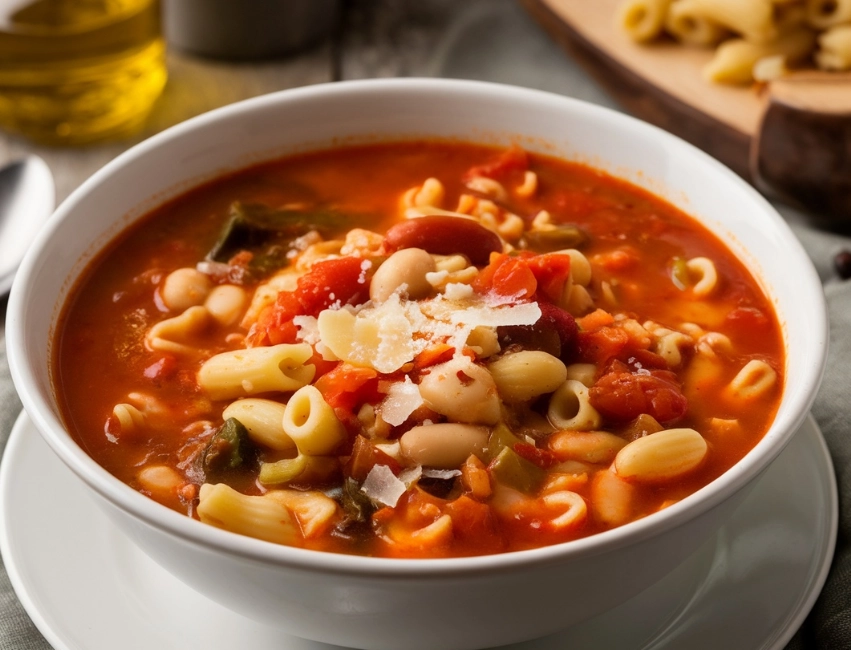
Italian Pasta e Fagioli Soup Recipe: Authentic & Easy
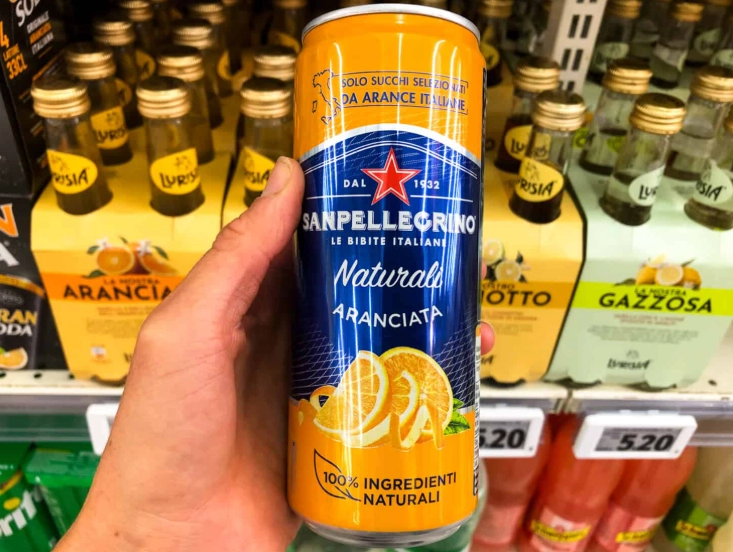
Discover the Best Non-Alcoholic Italian Drinks: From Aperitivo to Digestivo
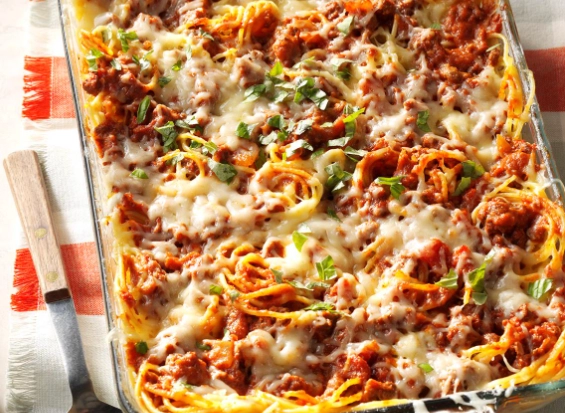
Easy Italian Baked Dinner Recipes: Lasagna, Chicken Parm & More
Traditional Italian Dinner Party Recipes: An Authentic Menu from Start to Finish
What to Cook for an Italian Christmas: The Ultimate Feast Guide
Best Italian Holiday Dinner Recipes: A Complete Menu Guide
Authentic Gremolata Recipe: The Simple Italian Condiment That Elevates Any Dish
The Ultimate Guide to a 3 Course Vegetarian Italian Meal
5 Traditional Italian Dishes: Authentic Recipes & Where to Try Them
Authentic Italian Carbonara Recipe: The Only Guide You'll Ever Need
Authentic Italian Spaghetti Sauce Recipe (Ragù alla Bolognese)

The RMB exchange rate against the US dollar rose to a high point this year

Breaking through 1.2 billion kilowatts, China has achieved its commitment to win
Traditional Italian Recipes from Scratch: The Heart of Home Cooking

Leave a Comment