Authentic Italian Holiday Dinner Recipes for a Festive Feast
Let's be honest. The idea of recreating an authentic Italian holiday dinner can feel overwhelming. You picture Nonna in a bustling kitchen, simmering sauces for hours, orchestrating a symphony of courses that seems impossible to replicate. I felt the same way until I spent a Christmas in Tuscany. The secret isn't about culinary acrobatics; it's about understanding the rhythm, the respect for ingredients, and the joy of sharing. An authentic Italian holiday feast is a story told in courses, from the first bite of antipasto to the last sip of espresso. It's less about a single show-stopper and more about a harmonious progression that builds anticipation and satisfaction. Forget the rushed, single-plate affair. We're building an experience.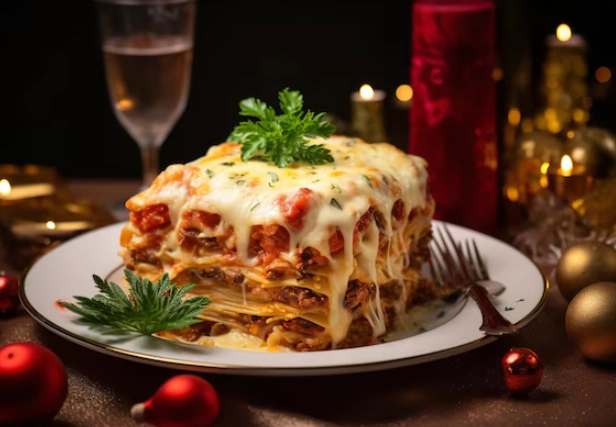
Your Holiday Menu Roadmap
The Structure of an Italian Holiday Feast
This is where most home cooks planning an Italian Christmas dinner menu go wrong. They focus all energy on the main course and treat the rest as filler. Big mistake. In Italy, each course has a purpose. Skipping or rushing them disrupts the entire meal's flow and, frankly, misses the point.
The classic structure, especially for Christmas Eve (La Vigilia) and Christmas Day (Natale), follows a clear path. Christmas Eve is often a "lean" feast based on fish, while Christmas Day brings out the meat. Here’s the traditional blueprint: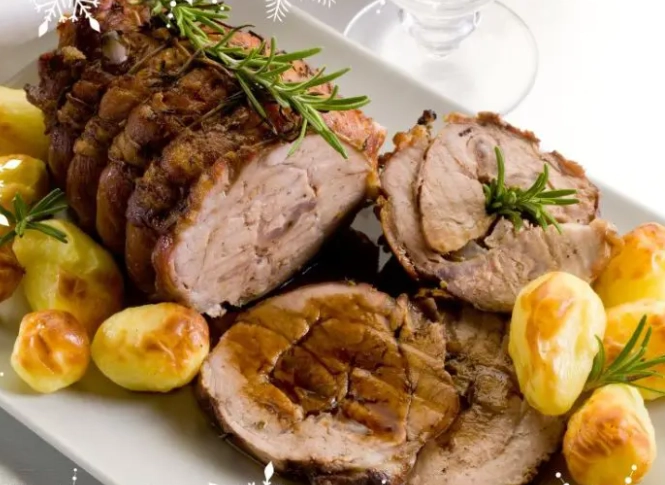
| Course (Portata) | Italian Name | Purpose & Common Examples |
|---|---|---|
| Starter | Antipasti | Wakes up the palate. Think cured meats, cheeses, marinated vegetables, bruschetta. Not a meal, just a tease. |
| First Course | Primo Piatto | The comforting, often starchy foundation. This is where pasta, risotto, or soup shines. Portions are moderate. |
| Main Course | Secondo Piatto | The protein centerpiece. Fish on Christmas Eve (e.g., baked sea bass), roasted meats on Christmas Day (e.g., lamb, capon). |
| Side Dish | Contorno | Served with the Secondo. Always vegetables—roasted, sautéed, or in a salad. Keeps the plate balanced. |
| Dessert & Fruits | Dolci e Frutta | The sweet finale. Panettone, Pandoro, torrone, followed by fresh citrus or dried fruits and nuts. |
| Digestive | Digestivo | Not a course per se, but essential. A small glass of limoncello, grappa, or amaro to aid digestion and prolong conversation. |
You don't need to serve all six to be authentic. A well-chosen antipasto, primo, secondo with contorno, and dolce is a perfect, celebratory spread. The key is progression.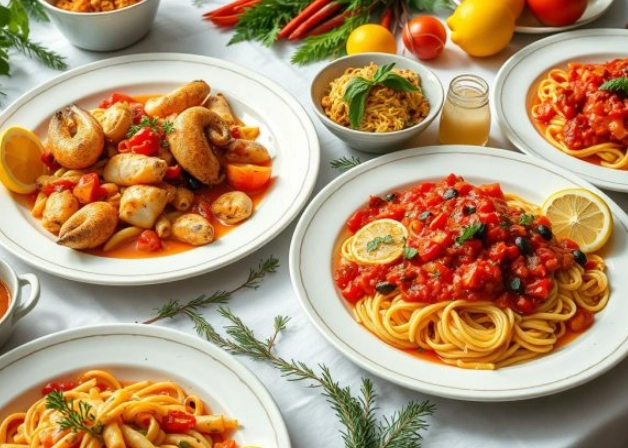
Expert Tip: A common subtle error is serving the primo piatto in gargantuan, American-sized portions. Everyone fills up on pasta and has no room for the delicate flavors of the fish or roast. Keep the primo modest. A serving of pasta for a holiday meal is often just 70-80 grams (about 2.5 oz) per person, not the half-pound we're used to. It's a course, not the destination.
Essential Recipes for Your Festive Table
Let's translate that structure into actionable, traditional Italian holiday recipes you can actually make. I'm avoiding the ultra-complex dishes that require three days. These are achievable classics with high reward.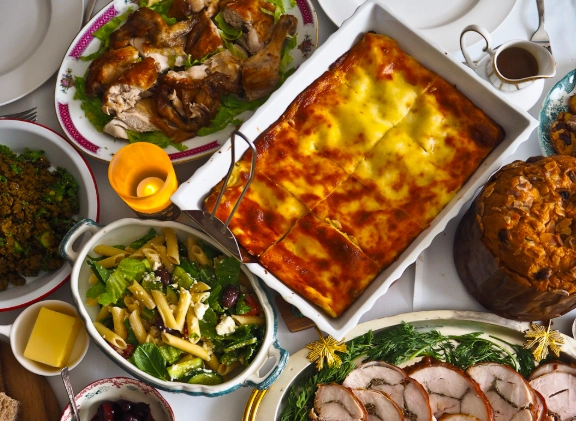
Antipasti: The Welcoming Committee
Keep it simple and make-ahead. A beautiful board (tagliere) is perfect. Include 2-3 cured meats (Prosciutto di Parma, Finocchiona salami), 2-3 cheeses (a sharp Pecorino, a creamy Taleggio, a fresh Mozzarella di Bufala). Add marinated artichokes, olives, and some warm, toasted bread drizzled with new-season olive oil. My personal must-add? Pepperoni arrostiti – roasted bell peppers peeled, sliced, and marinated in olive oil, garlic, and a touch of vinegar. They add a bright, sweet note.
Primo Piatto: The Heart of Comfort
For Christmas Eve, Seafood Linguine is iconic. Sauté garlic and chili flakes in oil, add a mix of clams, mussels, and shrimp, splash with white wine, and toss with al dente linguine and parsley. The broth is the sauce.
For Christmas Day, you can't go wrong with a baked pasta. Lasagna al Forno or Baked Cannelloni filled with ricotta and spinach are celebratory. But my favorite is a rich Tagliatelle al Ragù. Not a 30-minute bolognese, but a proper ragù simmered for 4 hours. The difference is texture and depth. Use a mix of ground beef and pork, a little pancetta, soffritto (onion, carrot, celery), wine, milk, and tomatoes. It's a project, but it fills the house with the most incredible smell.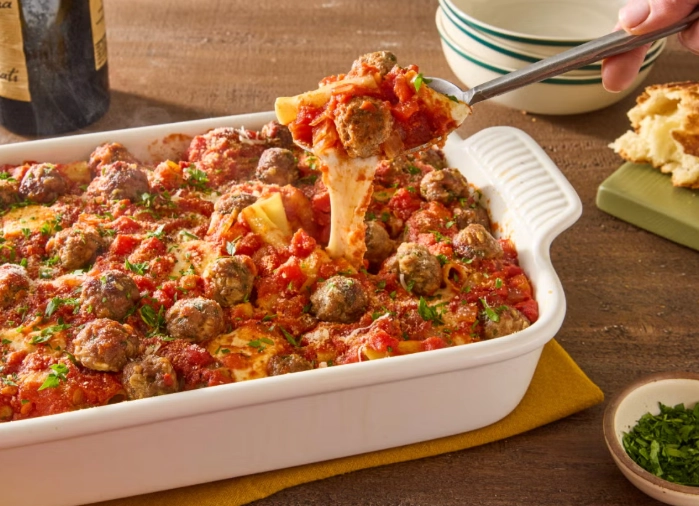
Watch Out: Over-salting the pasta water for a dish like seafood linguine can ruin the delicate balance. The seafood and reduced wine/clam juice already provide salt. Salt your water lightly, like the sea, not like the Dead Sea.
Secondo Piatto: The Festive Centerpiece
Christmas Eve (La Vigilia): Fritto Misto di Mare (mixed fried seafood) is festive but messy at home. I prefer Baked Whole Fish like branzino or orata. Score the skin, stuff with lemon slices and herbs, drizzle with oil, and bake. It's dramatic, simple, and moist. Serve with a salsa verde on the side.
Christmas Day (Natale): While Arrosto (a roast) is king, the specific meat varies. In the north, it might be stuffed capon. In Rome, Abbacchio (milk-fed lamb) is traditional. A universally loved and impressive option is Porchetta-style Pork Roast. You take a boneless pork shoulder, butterfly it, rub it with a paste of garlic, rosemary, fennel seeds, salt, and pepper, roll and tie it, and roast it slow and low until the skin is crackling and the meat is fall-apart tender. It feeds a crowd and is pure joy.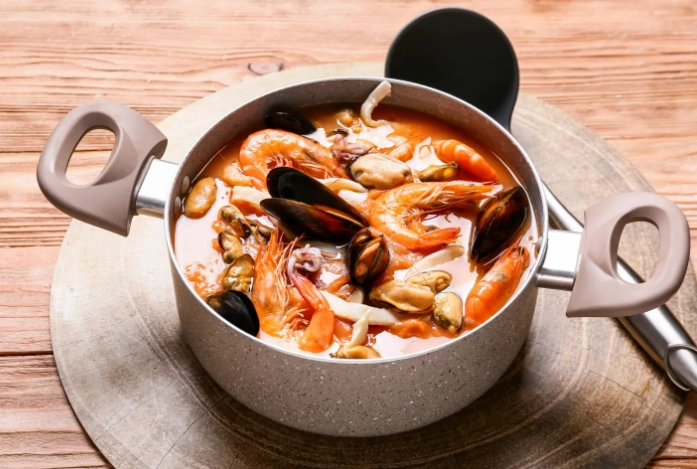
Contorno: The Necessary Green
Don't overlook this. A vibrant Insalata di Rinforzo from Naples is a classic holiday salad with cauliflower, pickled vegetables, olives, and capers. Simpler: Roasted Winter Vegetables—carrots, parsnips, fennel, and Brussels sprouts tossed with olive oil, salt, and thyme until caramelized. They cut through the richness of the meat perfectly.
Dolci: The Sweet Finale
You must have Panettone or Pandoro. It's non-negotiable. Buy a good one from a reputable Italian brand like Bauli, Alemagna, or better yet, a gourmet bakery. Serve it with a dollop of mascarpone cream (whip mascarpone with a little sugar and Marsala wine). For something homemade, Tiramisù is always a winner. Or Struffoli, those tiny fried dough balls glued together with honey—they're time-consuming but a real labor of love.
Planning and Execution: From Market to Table
An authentic feast is 30% cooking, 70% planning. Trying to do everything on the day is a recipe for stress. Here’s a battle plan from my own holiday playbook.
3 Days Before: Shop for all non-perishables, wine, and drinks. Make the ragù for your pasta if using. It always tastes better after a day or two. Make the marinade for your antipasti vegetables.
2 Days Before: Prepare any baked pasta dishes (lasagna, cannelloni) up to the point of baking. Cover and refrigerate. They'll bake up even better. Make the tiramisù or mascarpone cream. Assemble your antipasti platter components and store them separately.
1 Day Before: Prep all vegetables for roasting—wash, peel, chop, store in bags in the fridge. Prepare the herb paste for your pork roast. Set the table. This is a huge stress-reliever.
Morning Of: Take everything out of the fridge 1-2 hours before cooking (except seafood) to come to room temp. This ensures even cooking. Start your roast early, as low-and-slow roasts are forgiving if they finish early (just tent with foil).
3 Hours Before Serving: Put the roast in. Prep your seafood or side dishes.
1 Hour Before: Cook your contorno vegetables. Boil water for pasta.
30 Minutes Before: Guests arrive. Serve antipasti with Prosecco. This gives you a window to finish the primo and secondo.
The goal is to be present with your guests, not chained to the stove. This schedule lets you do that.
FAQs: Your Italian Holiday Dinner Questions Answered
Remember, the spirit of an authentic Italian holiday dinner isn't perfection. It's abundance, warmth, and shared time. It's the laughter that interrupts a story, the passing of a platter, the clinking of glasses. With these recipes and this plan, you're not just serving food; you're creating a little piece of Italian festa right at your table. Buon appetito e Buone Feste!
Related Articles
Sausage Dinner Ideas: What Meals Can I Make with Sausages?
Simple Italian Sausage Recipes for Dinner: Easy & Flavorful Family Meals
Easy Traditional Italian Wedding Soup Recipe - Authentic & Simple
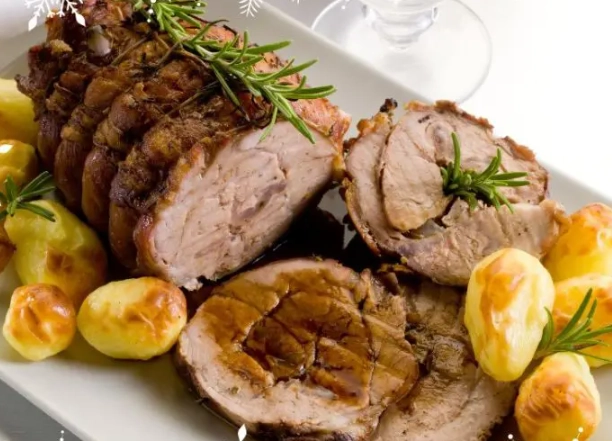
The Ultimate Guide to an Authentic Italian Christmas Dinner Menu
The Ultimate Guide to Making Authentic Italian Lasagna at Home
Authentic Italian Stromboli Recipe: Easy Homemade Guide for Perfect Results
Authentic Italian Pasta Recipes: From Carbonara to Pesto
Best Italian Regional Recipes: Top 5 Dishes to Master at Home

Microsoft hollowed out AI unicorn Inflection AI and paid 650 million US dollars
Ultimate Vegetarian Pasta Recipes: Flavorful & Easy
Italian Sausage Recipes: Easy Family Dinners in 30 Minutes

Best Italian Cocktails: From Classic Negroni to Modern Aperitivo
Traditional Italian Vegetarian Recipes: Classics Beyond Pasta
Authentic Italian Cookie Recipes: From Biscotti to Amaretti

Two 1 billion US dollars of large model financing, Internet giants are starting
Authentic Italian Spaghetti Sauce Recipe (Ragù alla Bolognese)
Authentic Italian Eggplant Recipes: From Parmigiana to Caponata

The "big test" for joint venture car companies has arrived

Still have to rely on Zhengzhou Foxconn? The truth about the swing between Apple
Traditional Southern Italian Recipes: Authentic Dishes & Secrets
Ultimate Guide to Classic Italian Dessert Recipes from Tiramisu to Cannoli
Authentic Carbonara Recipe: How to Make Traditional Italian Pasta
Real Italian Salad Recipes: Authentic Classics & Modern Twists
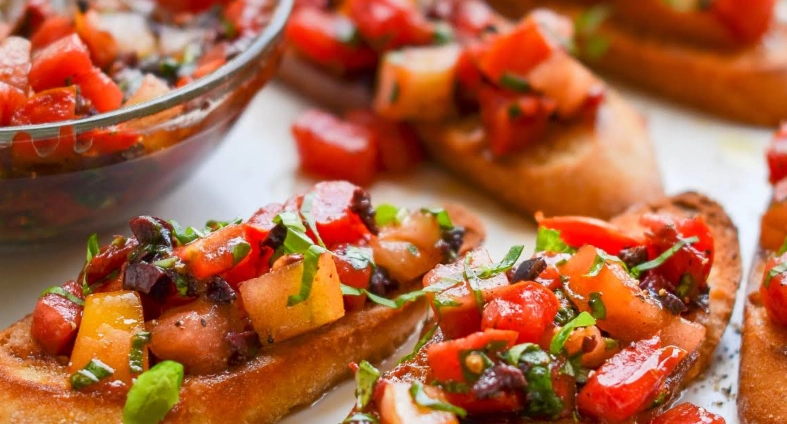
Ultimate Guide to Best Italian Appetizer Recipes for Any Occasion
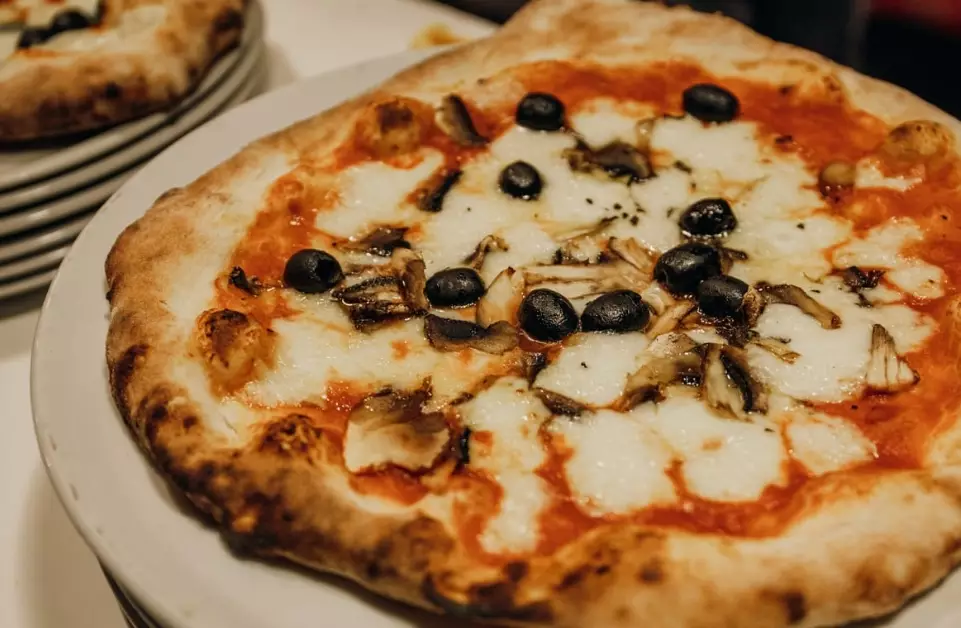
Authentic Italian Pizza Recipe: A Step-by-Step Guide
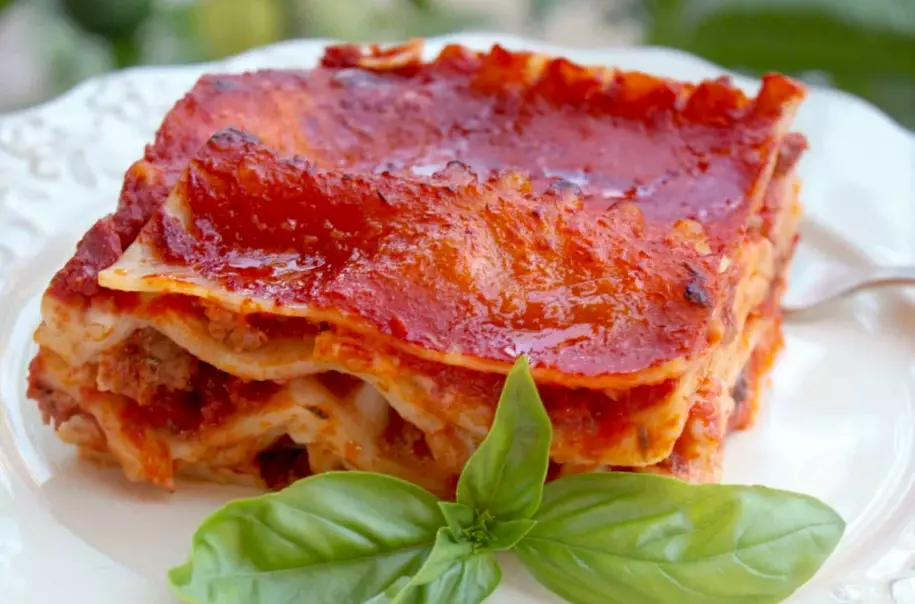
The Heart of Italy on Your Plate: Timeless Traditional Italian Recipes & Kitchen Wisdom
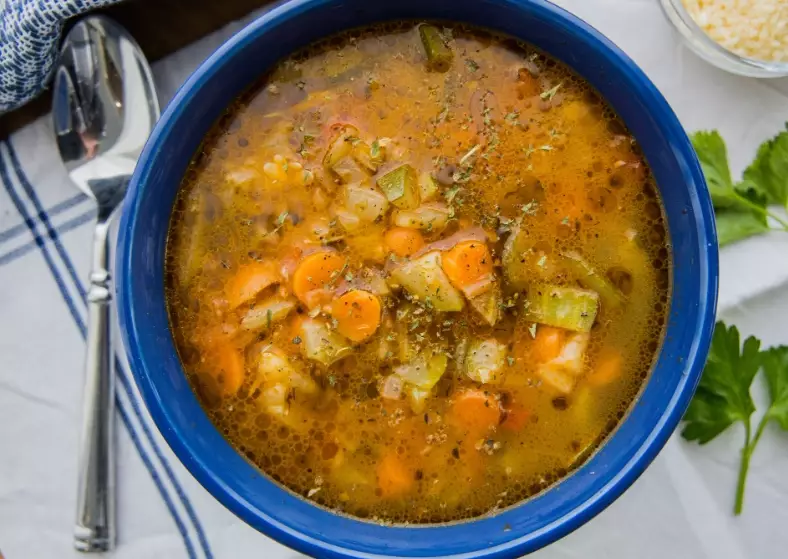
Easy Authentic Italian Minestrone Soup Recipe & Secrets
The Ultimate Homemade Italian Dressing Recipe (Easy & Authentic)
Authentic Italian Dressing Recipe: Easy, Homemade & Better Than Store-Bought
Leave a Comment