Traditional Italian Holiday Dinner Recipes: A Complete Guide to a Festive Feast
Your Feast Guide
Let's be honest.Scrolling through Pinterest boards of perfect holiday feasts can be downright intimidating. Everyone's table looks like a magazine spread, and you're just hoping the main course doesn't end up dry. But here's a secret: the heart of a true Italian holiday meal isn't about perfection. It's about abundance, tradition, and the kind of warmth that fills a room long before the first bite. We're talking about those traditional Italian holiday dinner recipes passed down through whispers in crowded kitchens, with a pinch of this and a "quanto basta" (just enough) of that.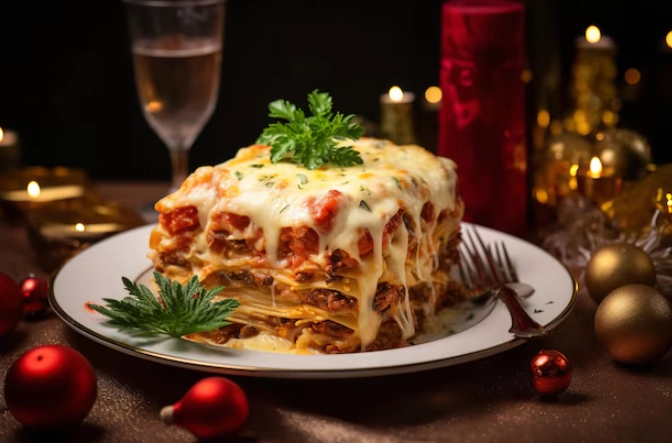
I learned this the hard way. My first attempt at a "full Italian Christmas" involved a very sad, slightly burnt lasagna and a store-bought panettone that tasted like sweet cardboard. It was edible, but it had no soul. It lacked the symphony of flavors—the salty, the rich, the sweet, the acidic—that makes an Italian feast unforgettable. So I started asking questions, digging into old cookbooks, and yes, bothering my friend's actual nonna until she spilled some beans.
What follows isn't just a list of dishes. It's a blueprint for experience. We'll walk through the essential courses, the non-negotiable classics, and the regional stars that might just become your new favorite. We'll tackle the timing (the real enemy of any big dinner) and answer those nagging questions you're too embarrassed to ask. Forget the stress. Let's talk about creating a genuine, crowd-pleasing traditional Italian holiday dinner.
It's All About the Structure: The Italian Holiday Meal Course by Course
An American holiday dinner often revolves around one heroic centerpiece—the turkey, the ham. An Italian holiday dinner is a marathon of flavors, a multi-act play where every course has a role. Skipping one feels... wrong. It's this structure that defines the experience. You don't just eat; you progress through a culinary story.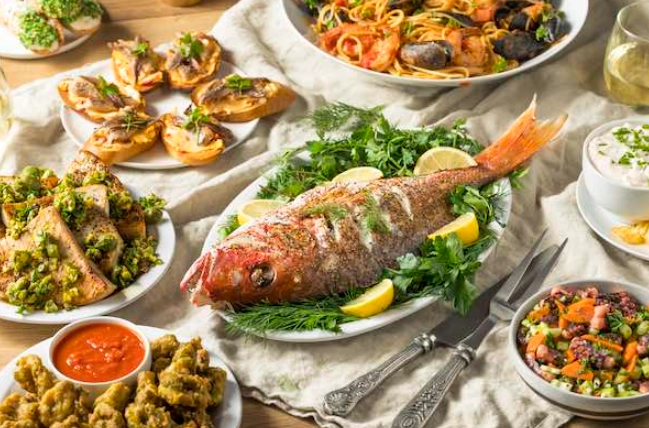
The Warm-Up: Antipasti (Appetizers)
This isn't a bowl of chips. The antipasti course is a deliberate, often lavish spread meant to welcome guests and signal the feast has begun. It's casual grazing with purpose. You want variety—something salty, something cured, something pickled, something cheesy. The goal is to stimulate conversation and appetite, not kill it.
Here’s what you'll almost always find:
- Salumi & Formaggi: A board of high-quality cured meats (think Prosciutto di Parma, salami, coppa) and a selection of cheeses (a sharp Parmigiano-Reggiano, a creamy Taleggio, a mild Pecorino). Don't overcrowd the board. Three of each is plenty.
- Veggies in Various Guises: This is where you get creative. Marinated olives, roasted peppers in olive oil, artichoke hearts, maybe some giardiniera (pickled vegetables). I love making a big batch of mushrooms sautéed with garlic and parsley—they disappear fast.
- Fritti (Fried Things): In many homes, especially in the south, the meal might kick off with light, hot fried bites. Think supplì (fried rice balls with a mozzarella heart) or little fried dough pockets. They're irresistible and set a celebratory tone.
Keep it simple, keep it varied. Let people build their own perfect bite.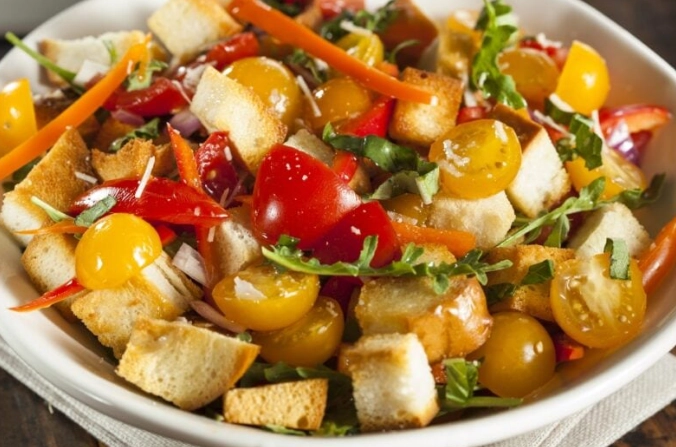
The Heart of the Matter: Il Primo (The First Course)
This is where traditional Italian holiday dinner recipes truly shine. The primo is almost always a pasta, risotto, or soup. It's substantial but shouldn't be gut-bomb heavy—you've got more coming. The choice here is deeply regional and often symbolic.
Regional Spotlight: The Primo Debate
Ask ten Italians from different regions what their essential holiday primo is, and you'll get twelve answers.
- North (Lombardy/Piedmont): You're likely to find Risotto, often with saffron or mushrooms. It's rich, creamy, and elegant.
- Central (Emilia-Romagna/Tuscany): This is stuffed pasta heaven. Tortellini in Brodo (little meat-filled pasta in a rich capon broth) is Christmas Eve classic. Lasagna al Forno is another heavyweight contender for Christmas Day.
- South (Campania/Sicily): Pasta shines here. Baked pasta like Timballo di Maccheroni (a glorious, crusty baked pasta pie) or Lasagna Napoletana (ricotta-based, with meatballs and sausage) are show-stoppers.
The common thread? It's a labor of love, often made fresh by the family in the days leading up to the holiday. That act is part of the tradition.
The Main Event: Il Secondo (The Main Course)
After the primo, you might wonder how anyone has room. But the secondo arrives, and somehow, you find it. This is the protein centerpiece. The choice often depends on whether it's Christmas Eve (La Vigilia), which is traditionally a meat-free "feast of the seven fishes," or Christmas Day, when all bets are off.
| Occasion | Classic Main Course Options | Key Characteristics & Tips |
|---|---|---|
| Christmas Eve (La Vigilia) | Baccalà (salt cod), Frutti di Mare (seafood stew), Fritto Misto di Mare (fried seafood platter), Eel (in some regions). | It's all about the seafood. Baccalà can be tricky—soaking it properly to desalinate is a 2-3 day process. Start early! A mixed seafood stew is more forgiving and feeds a crowd beautifully. |
| Christmas Day | Arrosto (roasted meats): Capitone (stuffed capon), Vitello Tonnato (cold veal in tuna sauce), Arista di Maiale (roast pork loin), Agnello (lamb). | Roasting is key. A good meat thermometer is your best friend to avoid dryness. Many of these dishes, like Vitello Tonnato, are served at room temperature or cold, which is a genius move for host sanity. |
| New Year's Eve (Cenone) | Cotechino con Lenticchie (pork sausage with lentils), Zampone. | This is about luck! The lentils symbolize coins and prosperity for the new year. The cotechino is rich and fatty—the lentils cut through it perfectly. It's a must-have for many families. |
My personal favorite for Christmas Day is a slow-roasted pork loin with fennel and rosemary. It fills the house with an incredible aroma and feels celebratory without being overly complicated. The first time I made it, I was terrified of overcooking it, but low and slow never fails.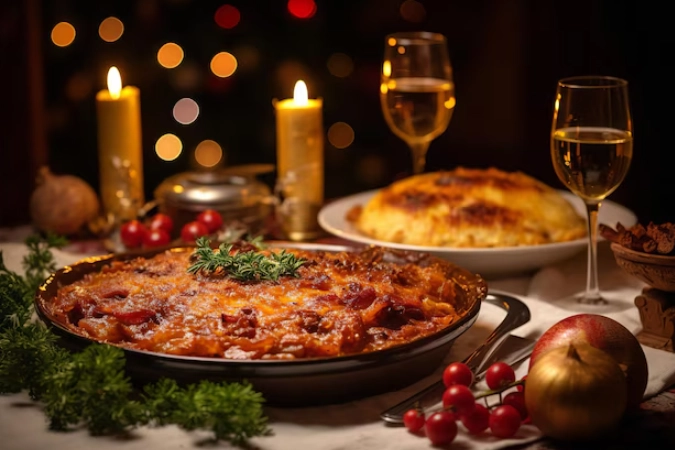
The Supporting Cast: Contorni (Side Dishes)
These aren't an afterthought. Contorni provide crucial freshness, acidity, and texture to balance the rich mains. They're often simple, vegetable-forward, and prepared in a way that lets the ingredient speak.
You can't go wrong with:
- Insalata di Rinforzo: A Neapolitan classic. It's a punchy cauliflower salad with olives, pickled vegetables, and capers. It gets "reinforced" (rinforzato) with more veggies as the days go on. The vinegar tang is perfect with rich meat.
- Roasted Winter Vegetables: Potatoes, carrots, parsnips, Brussels sprouts—tossed in olive oil, salt, and herbs and roasted until caramelized. Simple, dependable, and everyone loves them.
- Leafy Greens: Sautéed bitter greens like chicory or escarole with garlic and chili flake. They add a wonderful, cleansing bite to the plate.
The Sweet Finale: Dolci (Desserts)
This is the grand finale, and in Italy, it's non-negotiable. The holiday dessert table is a spectacle. You'll rarely see just one. It's a collection of sweet, spiced, often fruity or nut-based treats that pair with sweet wines or espresso.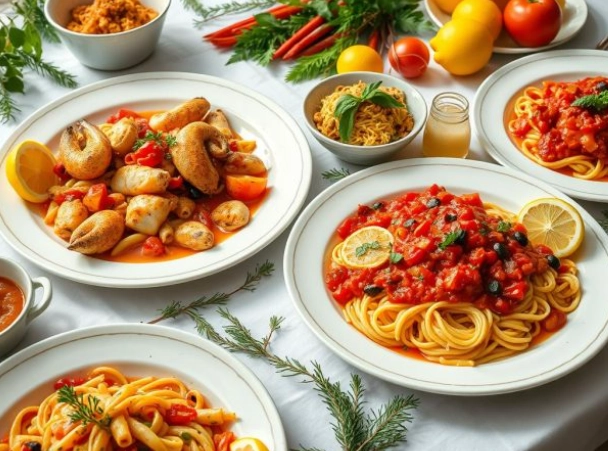
The holy trinity of Italian holiday desserts is:
- Panettone: The Milanese sweet bread studded with candied fruit and raisins. Love it or hate it (I used to be in the latter camp until I tried a truly artisanal one), it's a centerpiece. The key is quality. A good panettone is light, moist, and fragrant with natural yeast. A bad one is dry and tastes like artificial flavoring. Splurge on a branded one from a pasticceria or a reputable bakery.
- Pandoro: Panettone's plainer cousin from Verona. It's a golden, buttery, star-shaped cake dusted with powdered sugar to look like a snowy mountain. It's less polarizing than panettone because there's no fruit. It's pure, simple, buttery goodness.
- Torrone: The ubiquitous nougat. It comes hard and crunchy or soft and chewy, packed with almonds or hazelnuts. Breaking a slab of torrone at the table is a classic ritual. It's sweet, nutty, and provides a different texture.
Beyond these, regional specialties abound: Sfincione (a sweet Sicilian cake), Cartellate (fried pastry ribbons with vincotto) from Puglia, or Struffoli (honey balls) from Naples. The dessert course is where you can truly showcase a variety of traditional Italian holiday dinner recipes.
Your Battle Plan: A Realistic Holiday Dinner Timeline
This is where most dreams of a traditional Italian holiday dinner crumble. The recipes aren't the hard part; the logistics are. Trying to cook eight complicated dishes all to be ready at 7 PM on December 25th is a recipe for a meltdown. The Italian secret? Staggered preparation. Almost nothing is made completely from scratch on the day of.
Here’s a sane timeline that has saved my holidays more than once:
One Week Before:
- Finalize your menu and shopping list. Check pantry staples.
- If using baccalà, start the soaking process.
- Make any sauces that freeze well (like a ragù for lasagna).
2-3 Days Before:
- Major grocery shopping. Get all non-perishables, dairy, meat, and seafood.
- Prepare desserts if they keep well (many Italian holiday cakes do).
- Make components for antipasti (marinate vegetables, etc.).
- Make fresh pasta if you're going for it. Portion and freeze or refrigerate.
The Day Before:
- Assemble any baked pasta dishes (lasagna, timballo). Cover and refrigerate. They often taste better after the flavors meld overnight.
- Prep all vegetables for contorni—wash, chop, store in bags/containers.
- Set the table. Get all serving platters and utensils out.
- Make dressings or vinaigrettes for salads.
The Morning Of:
- Take pre-assembled dishes out of the fridge to come to room temperature before baking.
- Start any slow-roasting meats.
- Prepare the antipasti platters (cover and leave in a cool place).
2-3 Hours Before Serving:
- Put baked pasta in the oven.
- Start cooking the primo if it's not baked (e.g., boil water for fresh pasta).
- Begin roasting vegetable sides.
1 Hour Before Guests Arrive:
- Finish the main course (rest meat, finish seafood sauce).
- Put out antipasti.
- Take a deep breath. You've got this.
The goal is to be a guest at your own party, not a prisoner in the kitchen.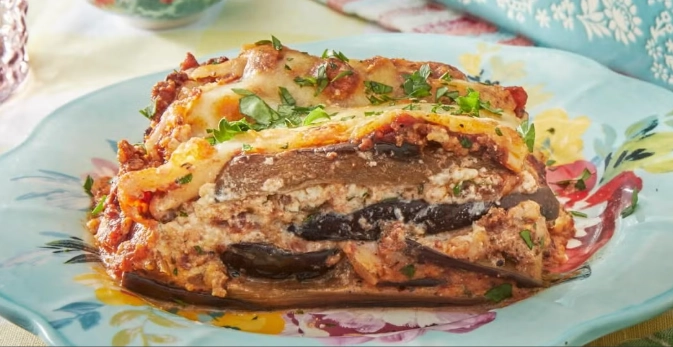
Answering Your Burning Questions (The FAQs)
What if I'm short on time? Are there any shortcuts?
Absolutely. Tradition is a guide, not a prison warden. For a traditional Italian holiday dinner on a tight schedule, focus on one or two homemade showstoppers and source the rest quality. Buy excellent fresh pasta from a good Italian deli instead of making it. Get your antipasti meats and cheeses pre-sliced. Purchase a top-tier panettone from a reputable brand like Bauli or Alemagna. A stunning, perfectly cooked main course and one amazing homemade side will leave a far better impression than five mediocre, stress-induced dishes.
What are some good wine pairings for such a big meal?
Don't overthink it. You're serving many flavors, so choose versatile, food-friendly wines. For whites, a Pinot Grigio or a Vermentino works well with antipasti and seafood. For reds throughout the meatier courses, a medium-bodied Chianti Classico or a Barbera d'Alba has enough acidity to cut through richness without overwhelming. And don't forget the bubbles! Prosecco or Franciacorta is perfect for toasting and works from start to finish. The official Italian tourism portal, Italia.it, has great regional guides that can inspire your wine choices.
How do I balance authenticity with my family's dietary restrictions (gluten, dairy)?
This is a modern challenge. The good news is Italian cuisine has many naturally gluten-free or dairy-free options. For gluten-free, lean on risotto (check your broth), polenta, and naturally GF proteins and vegetables. Many contorni are already GF. For dairy-free, many southern Italian recipes use olive oil, not butter. You can also explore the incredible world of Italian legumes—a lentil soup or stew can be a hearty, traditional, and inclusive primo. The key is to communicate and maybe adapt one dish thoroughly rather than trying to alter the entire menu.
What's the difference between a Christmas Eve and Christmas Day menu?
This is rooted in Catholic tradition. Christmas Eve (La Vigilia) was a day of abstinence from meat. Hence, the famous "Feast of the Seven Fishes" (though the number seven is more symbolic than a strict rule—it could be 9, 13, or just "a lot"). The meal is seafood-centric. Christmas Day is the celebration of Christ's birth, so the dietary restrictions are lifted. It's the day for the grand, meaty roasts, rich lasagnas, and all the indulgent traditional Italian holiday dinner recipes you imagine. Many families still observe this, making Christmas Eve a lighter (though still multi-course) seafood affair and going all out on the 25th.
Where can I find truly authentic recipes?
Avoid generic "Italian food" blogs that aren't run by Italians. Look for sites that specify regions. Two fantastic resources are: Academia Barilla, which is dedicated to preserving and promoting authentic Italian gastronomic culture, and the site for Slow Food International, an organization founded in Italy that champions traditional, regional cooking. Their archives and articles are gold mines for context and technique.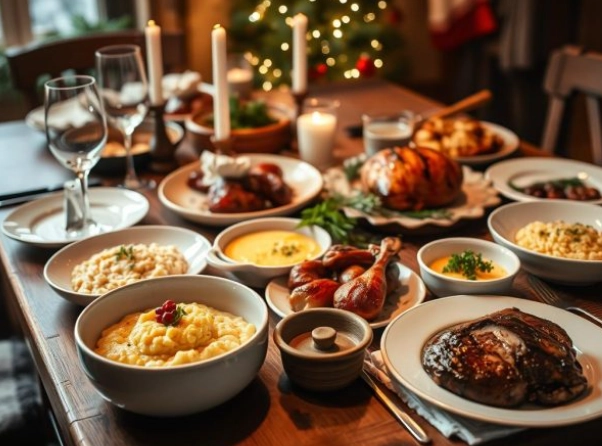
Final Thoughts: Embrace the Spirit, Not Just the Recipe
At the end of the day, the most important ingredient in any traditional Italian holiday dinner isn't the Parmigiano or the expensive prosciutto. It's the conviviality. It's the noise, the laughter, the passing of plates, the second helpings that are insisted upon. The recipes are the map, but the joy of sharing is the destination.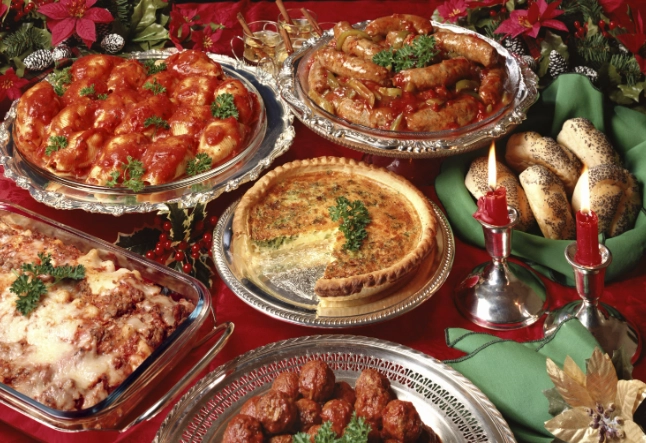
So maybe your timballo cracks a little when you slice it. Maybe your greens are a touch over-salted. It doesn't matter. What matters is that you gathered, you cooked with intention, and you shared in a tradition that's all about abundance and warmth. That's the real secret to those traditional Italian holiday dinner recipes. They're not just food; they're an invitation to the table, to family, to la dolce vita. Now go on, start planning your feast. You're going to do great.
Related Articles
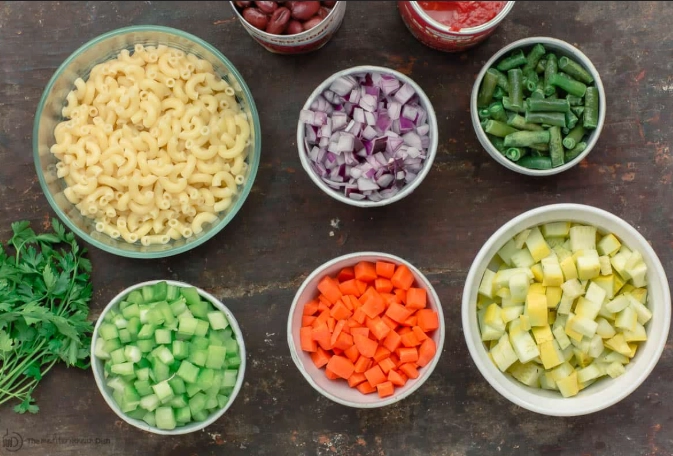
Italian Seasoning in Minestrone Soup: The Authentic Herb Blend Explained

Thailand car market survey: sales and prices plunged, and Sino-Japanese competit
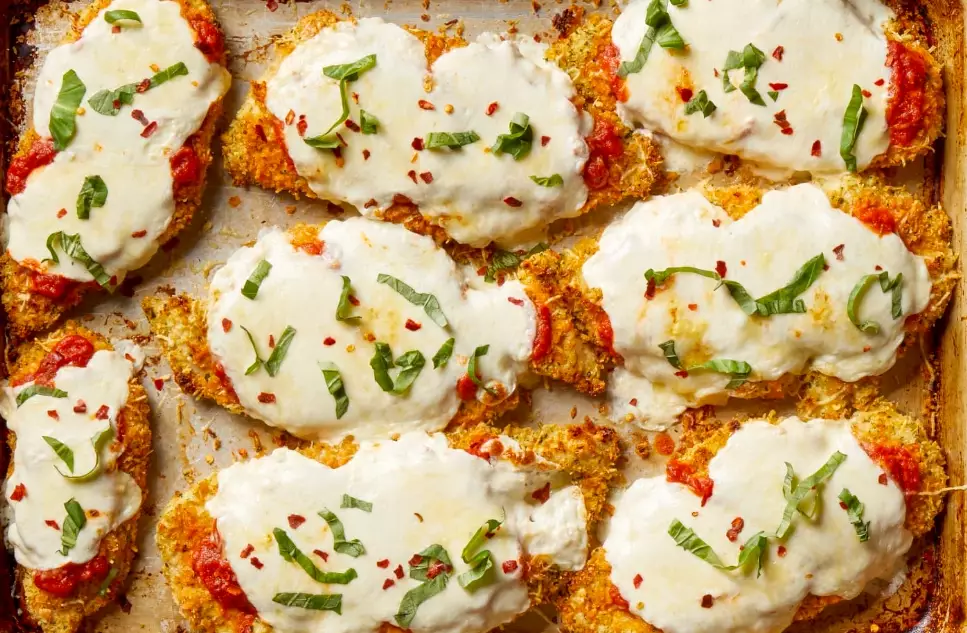
Easy Italian Recipes: 5 Classics Anyone Can Master at Home
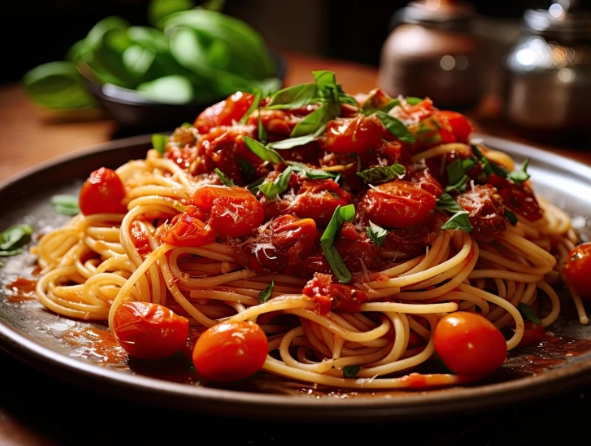
Authentic Italian Cuisine Recipes: From Classics to Regional Secrets
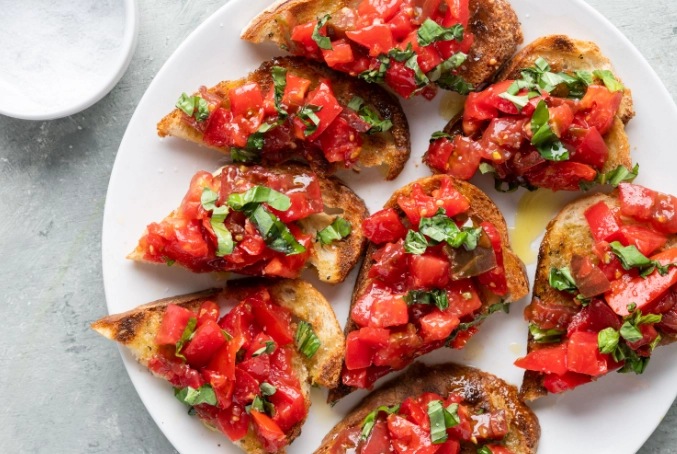
Authentic Italian Bruschetta Recipe: The Only Guide You'll Ever Need
Authentic Italian Vegetarian Appetizers: Recipes, Tips & Menus

The "half-year report" of the economy of 31 provinces is released: Inner Mongoli
Mastering Classic Italian Baked Dishes: Recipes & Secrets
Classic Italian Pasta Recipes: Authentic Dishes You Can Master
Easy Pasta Salad Recipes with Italian Dressing for Crowd-Pleasing Meals
Master Authentic Italian Recipes: The Ultimate Guide to Real Italian Cooking
What Is Authentic Italian Food? A Guide to Regional Classics & Home Cooking
Simple Italian Baked Dishes: Easy Recipes for Lasagna, Eggplant & Focaccia
Traditional Italian Recipes from Scratch: The Heart of Home Cooking
Italian Pasta e Fagioli Soup Recipe: Authentic & Easy
The Ultimate Homemade Italian Dressing Recipe (Easy & Authentic)
Easy Authentic Italian Minestrone Soup Recipe & Secrets
Authentic Italian Meatballs Recipe: Tender, Juicy & Full of Flavor
Authentic Italian Spaghetti Sauce Recipe (Ragù alla Bolognese)
Chopped Italian Sandwich Recipe: Step-by-Step Homemade Guide

Microsoft hollowed out AI unicorn Inflection AI and paid 650 million US dollars
Italian Shrimp Recipes: From Classic Scampi to Modern Dishes
Authentic Italian Lasagna Recipe: The Ultimate Guide to Homemade Perfection
Traditional Italian Baked Ziti Recipe: Authentic Step-by-Step Guide
Authentic Italian Appetiser Recipes for Your Next Gathering
Authentic Italian Peasant Food: Simple Recipes & Where to Eat
Easy Creamy Italian Dressing Recipe (Better Than Store-Bought)
Authentic Italian Carbonara Recipe: The Only Guide You'll Ever Need
The Best Pasta Carbonara Recipe: Authentic Roman Secrets Revealed

Leave a Comment