What to Bring to an Italian Dinner Party: The Ultimate Guest's Guide
Your Quick Guide
- The Golden Rules: What Your Italian Host Actually Cares About
- The Top Tier: Always-Appropriate Gifts to Bring
- The "Proceed with Caution" Zone: Gifts That Can Be Hit or Miss
- The "No" List: What to Absolutely Avoid Bringing
- Your Action Plan: Deciding What to Bring to *This* Italian Dinner Party
- Beyond the Gift: Your Role as the Perfect Guest
- Answers to Questions You're Too Afraid to Ask
- Wrapping It All Up (Pun Intended)
Let me tell you about the first time I was invited to a proper Italian dinner party. My friend Marco, born and raised in Rome, had invited me to his family's home in Trastevere. I was thrilled, and then immediately paralyzed by one question: what on earth do I bring? A bottle of wine seemed too simple. Flowers felt generic. I spent more time stressing over this than picking my outfit. I ended up bringing a fancy bottle of Chianti Classico, which was politely accepted, but I later learned his nonna had spent two days preparing a specific sauce that paired with a completely different wine. My gift sat unopened in the kitchen. Not a disaster, but not quite right either.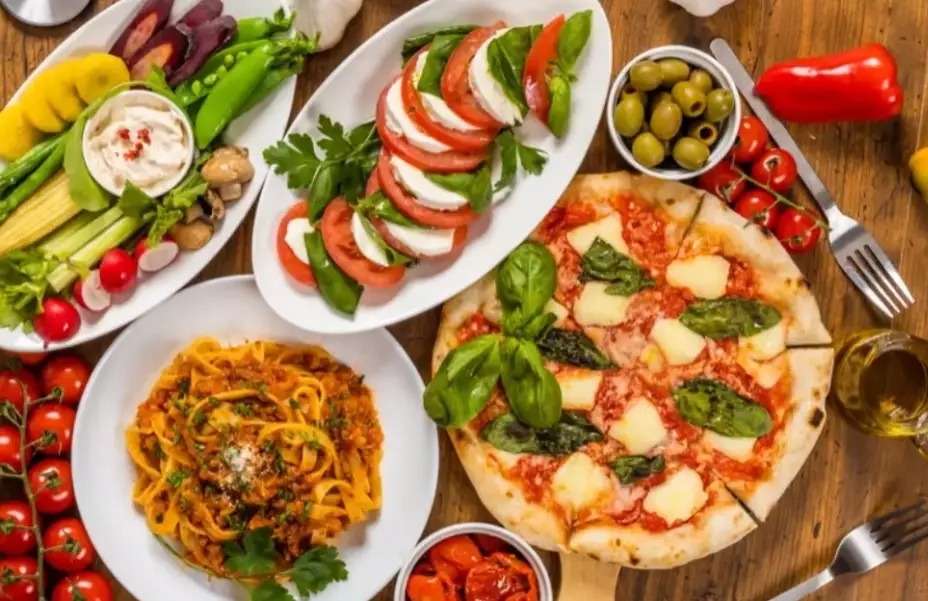
That experience taught me that figuring out what to bring to an Italian dinner party isn't just about a gift. It's a tiny, beautiful ritual. It's about showing respect, understanding hospitality, and participating in a tradition where food and family are sacred. Get it right, and you're not just a guest; you're welcomed into the fold. Get it wrong, and you might just commit a minor, forgivable, but memorable cultural faux pas.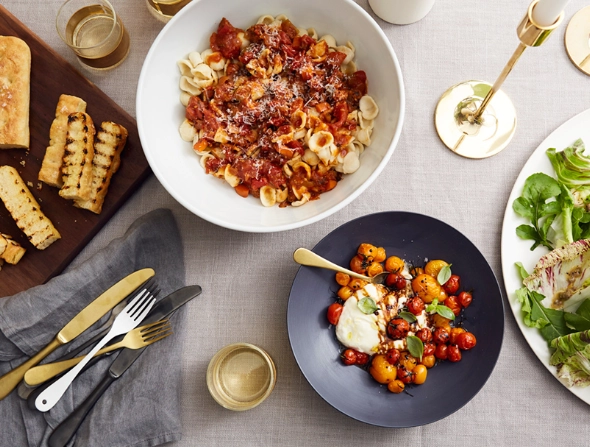
So, if you're staring at an invitation, your mind buzzing with the same question—what to bring to an Italian dinner party?—relax. You're about to get the real, unvarnished guide, straight from the heart of the culture and a few learned-from-experience mistakes.
The Golden Rules: What Your Italian Host Actually Cares About
Before we dive into specific items, let's talk mindset. In Italy, the act of hosting is a point of pride. The menu is often planned with military precision, balancing flavors, courses, and regional traditions. Walking in with a dish that clashes with this delicate ecosystem can be, well, awkward.
My friend from Bologna, Lucia, once told me, "If you bring a main course to my house, I will smile and thank you. And then I will be a little sad inside, because it means you didn't trust me to feed you." That hit home. It's not about you showing off your cooking; it's about you honoring theirs.
So, rule number one: never bring a dish intended to be part of the meal unless you are explicitly asked. This is the biggest difference from some other cultures. The host has the food covered. Totally.
Rule two: quality over quantity. A single, excellent item speaks volumes more than a basket of mediocre things. Italians have a keen eye for authenticity.
And rule three: presentation matters. A nicely wrapped gift, a beautiful ribbon on a bottle—these small touches show you cared enough to prepare.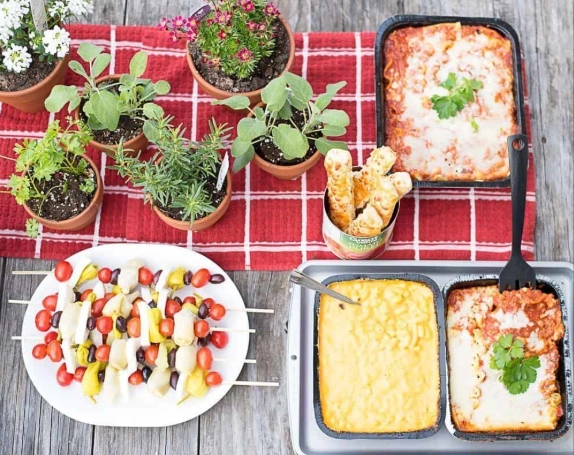
The Top Tier: Always-Appropriate Gifts to Bring
These are the safe harbors, the gifts that will always be met with a genuine smile. When in doubt, choose from this list.
1. The Perfect Bottle of Wine (It's Trickier Than You Think)
Yes, wine is the classic answer to what to bring to an Italian dinner party. But it's not just any wine. The goal is to bring a bottle that complements the meal or stands on its own as a fine digestivo, not necessarily the one served with dinner (that's the host's domain).
The trick is to think regionally and seasonally. Bringing a Barolo to a seafood dinner in Liguria is a mismatch. Do a little detective work. If you know the region the hosts are from or the type of food (e.g., rich Roman pasta, light Venetian fish), you can choose accordingly.
| If the meal is likely to be... | Consider bringing... | Why it works |
|---|---|---|
| Hearty, meaty (e.g., from Tuscany, Emilia-Romagna) | A robust red like Brunello di Montalcino, Chianti Riserva, or a good Amarone | Stands up to strong flavors like wild boar or steak. |
| Light, seafood-based (e.g., from Liguria, Campania coast) | A crisp white like Vermentino, Fiano di Avellino, or a dry Prosecco | Complements fish without overpowering it. |
| Cheese-focused or with cured meats | A bottle of Lambrusco (the dry, fizzy red) or a Barbera | The acidity cuts through fat beautifully. Trust me on the Lambrusco—it's an underrated gem. |
| Unknown or a multi-course feast | A high-quality bottle of Franciacorta (Italian méthode champenoise) or a fine Prosecco Superiore | Sparkling wine is incredibly versatile for aperitivo and pairs with almost anything. |
Can't go wrong with a high-quality bottle of Extra Virgin Olive Oil. I'm not talking about the supermarket stuff. Find a small producer, a single-estate oil (look for "DOP" on the label), preferably in a dark glass bottle. It's a staple they will absolutely use and appreciate. The Consorzio dell'Olio di Oliva (you can find resources on sites like The International Olive Council) has great info on recognizing quality oil.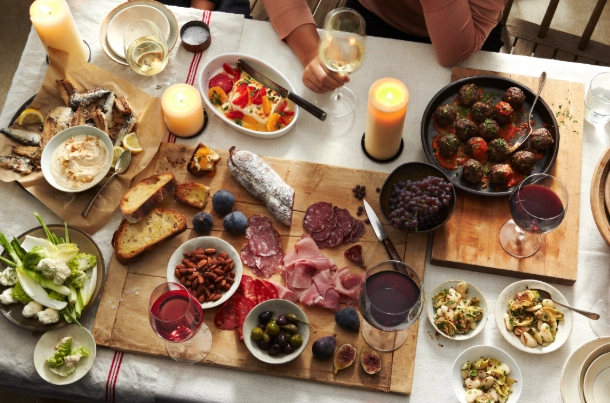
A truly exceptional olive oil is a gift that keeps on giving.
2. The Artisanal Food Item (Go Local, Go Special)
This is where you can really shine. The key is to bring something they wouldn't buy for themselves on a Tuesday—a luxury ingredient or a specialty from another region.
- Balsamic Vinegar Tradizionale di Modena (DOP): Not the cheap, syrupy stuff. The real deal, aged for 12+ years, in a small bottle. It's for drizzling on cheese or strawberries, not for salads. A drop or two will transform a dish.
- High-Quality Dried Pasta from a Specific Town: Yes, Italians are pasta connoisseurs. A packet of artisanal pasta from Gragnano (famous for its bronze-die extrusion and slow drying) or a rare shape from a small producer shows you know your stuff. It's a future meal for them.
- Regional Specialties: A jar of Tuscan honey with truffle, pesto from Genoa in a jar (the real one, with basil, pine nuts, Parmigiano, pecorino, oil, and salt—no cream!), or mostarda di cremona (a sweet and spicy fruit condiment). These are conversation starters.
3. The Elegant Non-Food Option
Sometimes, a break from food is welcome. These gifts are less common but deeply appreciated.
Beautiful Table Linens: A set of high-quality linen napkins, a tasteful table runner, or even decorative cocktail napkins. Italians love a well-set table, and this contributes to future gatherings. Choose neutral, elegant colors.
A Potted Herb Plant: This is one of my personal favorites. A small, healthy basil plant, a rosemary bush, or a thyme plant. It's living, useful, and says, "I'm contributing to your kitchen's future." Far better than cut flowers that die in a week.
A Book: A beautiful coffee table book about Italian art, the region they love, or food photography. It's a lasting gift that doesn't clutter.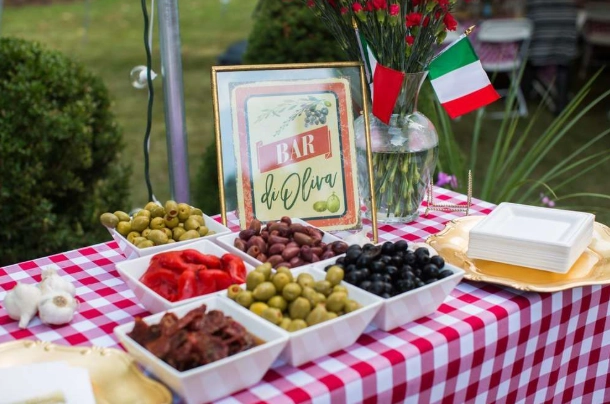
The "Proceed with Caution" Zone: Gifts That Can Be Hit or Miss
Now, let's talk about the gray area. These items aren't automatically bad, but they require more context and sensitivity.
Dessert or Pastries: This is the big one. The host has likely planned an elaborate dessert (tiramisu, tart, gelato). Bringing your own can step on toes. However, if you bring a small box of exquisite pastries from a famous local *pasticceria* (think cannoli from Sicily or Sfogliatelle from Naples) and present them as "something for you to enjoy with coffee tomorrow," you're in the clear. You're not offering it for the meal; you're giving them a treat for later.
Flowers: Not a terrible choice, but it's a bit impersonal and creates work—the host has to stop, find a vase, trim stems, and arrange them while managing the final stages of cooking. If you do bring flowers, make sure they are already in a simple vase or a wrapped bouquet that's easy to handle. Avoid overly fragrant lilies that can overpower the aroma of food.
Generic Kitchen Gadgets: Unless you know they specifically want a certain tool, it's risky. It can imply their kitchen isn't well-equipped.
The "No" List: What to Absolutely Avoid Bringing
A Main Dish or Appetizer to Serve: I know I said it, but it bears repeating. This is the cardinal sin. The menu is the host's territory. You wouldn't bring your own paint to an artist's studio.
Cheap, Mass-Market Alcohol: A low-end bottle of wine or a generic supermarket liqueur can be seen as dismissive of the effort put into the meal. If your budget is tight, one perfect food item is better than two cheap bottles.
Overly Personal or Large Gifts: It's a dinner party, not a birthday. Extravagant, expensive gifts can create a sense of debt or obligation, which is the opposite of the warm, reciprocal feeling you want.
Anything Related to Cleaning: This should be obvious, but never bring soap, dish towels (unless they are stunning, decorative linen ones), or anything that hints at the cleanup afterward. Just don't.
Your Action Plan: Deciding What to Bring to *This* Italian Dinner Party
Okay, you've got the principles and the lists. How do you make the final choice? Run through this quick mental checklist.
First, consider your relationship with the host. Close friends or family? You can be more personal, maybe bring that special ingredient from your last trip. New acquaintances or formal setting? Stick to the classic, foolproof tier—the excellent wine or olive oil.
Second, what do you know about them? Are they proud of their Piemonte heritage? A wine or cheese from that region will delight them. Are they serious home cooks? A gourmet ingredient they might not splurge on themselves.
Third, what's your own strength? Are you a wine enthusiast? Use that knowledge. Did you just return from a trip to Umbria? A souvenir from there (a jar of black truffle paste, perhaps) is perfect. Authenticity in your choice matters.
Really, the best answer to what to bring to an Italian dinner party is something that says, "I listened, I thought about you, and I respect your traditions."
Beyond the Gift: Your Role as the Perfect Guest
What you bring is just the entry ticket. Your behavior completes the picture.
Be Punctual, but Fashionably Late? Actually, be on time or 5-10 minutes late at most. Unlike some cultures, arriving very late for a seated dinner is rude—it throws off the carefully timed cooking.
Offer to Help (Once, Gracefully). When you arrive, offer to help in the kitchen. They will almost certainly say no. That's okay. You've shown willingness. Insisting is intrusive.
The Art of the Compliment. Praise the food sincerely and specifically. Not just "this is good," but "the aroma of this ragù is incredible, it must have simmered for hours" or "the balance of salt in this pasta water is perfect." This shows you're engaged.
Embrace the Pace. Dinner is not a race. It's a marathon of conversation and courses. Don't rush. Savor. Talk. Enjoy the spaces between plates.
The Follow-Up. A thank-you message the next day (a call or a message, not just a text) mentioning a specific detail of the evening is the final, perfect touch. It shows the experience mattered to you.
Answers to Questions You're Too Afraid to Ask
"What if I'm on a tight budget?"
No problem. A small, beautiful plant (like the basil), a single bar of exceptionally good dark chocolate from a known chocolatier, or a small jar of high-quality olives or capers. Thoughtfulness is free.
"What if I'm a terrible cook and they ask me to bring something?"
This happens, especially in more relaxed or mixed-culture settings. If they ask you to bring a dish, get clarity. "I'd be happy to! What would be most helpful?" If they say "a side" or "a dessert," you can buy something excellent from a reputable deli or bakery. No shame in that. Just present it nicely on your own platter.
"Is it okay to bring something from my own culture?"
This can be a wonderful idea, but frame it correctly. Bring it as an extra gift, not as part of the meal. "I brought you a traditional [your heritage] treat for you to try another time." It becomes a cultural exchange, not a menu intrusion.
"What about dietary restrictions?"
This is super important. If you have allergies or strong dietary needs (vegan, celiac), inform the host *well in advance* when you accept the invitation. Do not expect them to overhaul the menu, but give them a chance to prepare something you can eat. Offering to bring a dish you can eat is a gracious way to handle this: "Thank you so much! I should mention I'm gluten-free, so please don't worry about me, but I'd be happy to bring a gluten-free pasta dish for myself if that makes it easier." Most hosts will appreciate the heads-up and the offer.
Communication is always better than a hungry, awkward silence at the table.
Wrapping It All Up (Pun Intended)
So, after all this, what's the final word on what to bring to an Italian dinner party?
It's not about checking a box. It's about entering into the spirit of convivialità—the joy of eating and being together. Your gift is a symbol of your gratitude and your respect for the immense labor of love happening in the kitchen.
Forget the stress. Think of it as a fun puzzle. You get to find something lovely that says "thank you" in a language they truly understand. Whether it's that bottle of Franciacorta, the tiny vial of aged balsamic, or the fragrant basil plant for their windowsill, your choice, made with a little insight, will be perfect.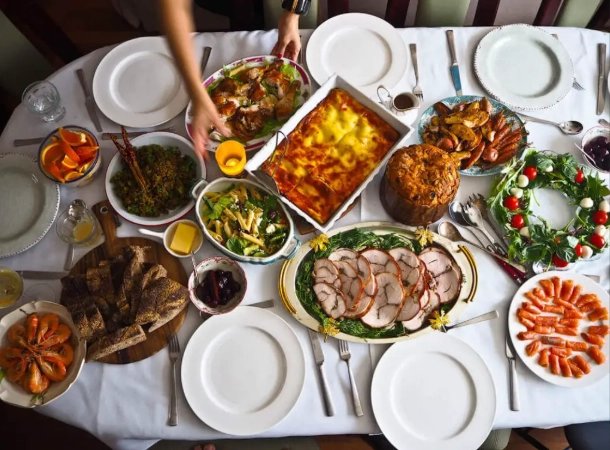
Now you know. Go forth, find that perfect offering, and enjoy one of life's greatest pleasures: a true Italian feast. You're ready.
Related Articles
Authentic Italian Zeppole Recipe: Easy Homemade Fried Dough Guide
Traditional Southern Italian Recipes: Authentic Dishes & Secrets
Italian Sausage Dinner Recipes: Easy, Flavorful Family Meals
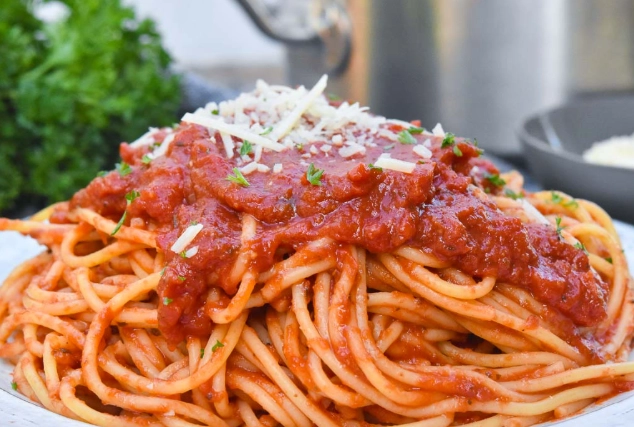
Authentic Italian Spaghetti Sauce Recipe (Ragù alla Bolognese)

Sold out! BYD official: The order is extremely large, the stock price has risen

Sudden good news! The RMB surged 300 points, 4,100 A-shares rose, and banks that
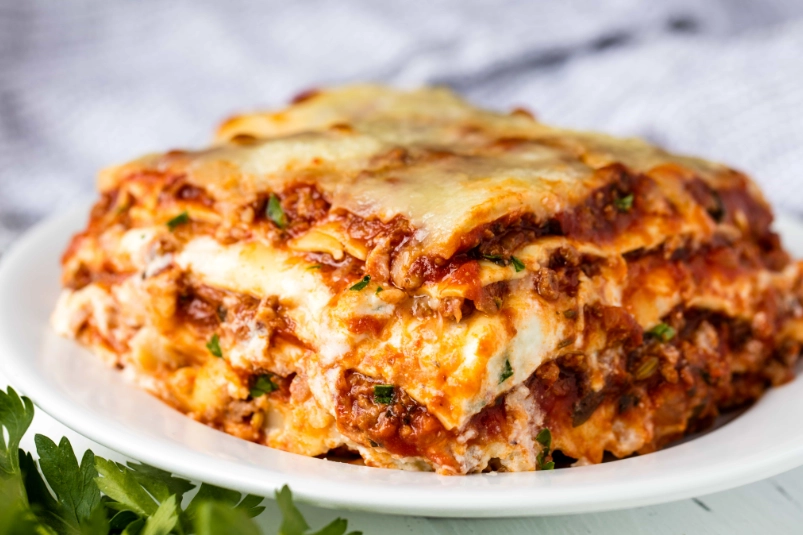
Mastering Classic Italian Baked Dishes: Recipes & Secrets
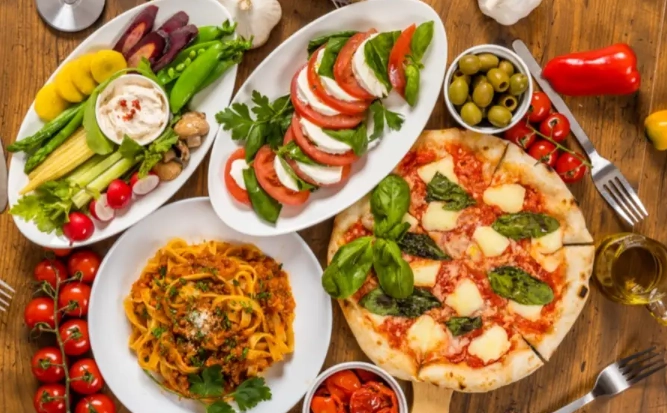
A Typical Italian Dinner at Home: The Real Menu & Traditions

Ground Italian Sausage Recipes: The Ultimate Guide for Easy & Flavorful Dinners
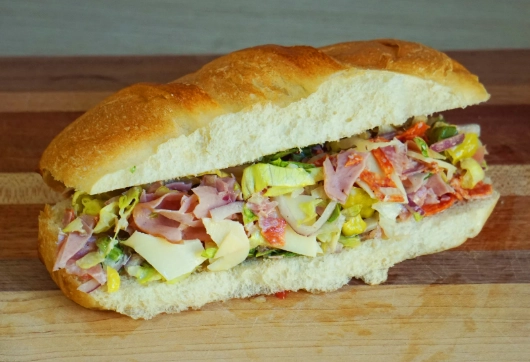
Chopped Italian Sandwich Recipe: Step-by-Step Homemade Guide
Simple Pasta Recipes for Busy Weeknights: 3 Classics Made Easy
Authentic Italian Pasta Recipes: From Carbonara to Pesto

Classic Italian Bread Recipe: Authentic & Easy Homemade Loaf
Italian Lasagna Recipe: Authentic Homemade Lasagna Guide
Easy Pasta Salad Recipes with Italian Dressing for Crowd-Pleasing Meals

Thailand car market survey: sales and prices plunged, and Sino-Japanese competit

Authentic Italian Cocktail Recipes: From Classics to Modern Twists
Pasta Recipes: A Complete Guide from Beginner to Pro

The reason for the surge in A-shares has been found! The Shanghai Composite Inde
What to Cook for an Italian Christmas: The Ultimate Feast Guide
Authentic Italian Salad Dressing Recipe: Easy, Zesty & Homemade
Authentic Spaghetti Carbonara Recipe: The Real Italian Method (No Cream!)

What Side Dishes to Serve with Sausage? 15 Perfect Pairings & Recipes
4 Famous Italian Pastas: Types, History & Cooking Guide
Ultimate Italian Recipes List: From Pasta to Desserts
Sweet Italian Sausage Recipes: From Classic Pasta to Creative Feasts
Easy Italian Sausage Recipes for a Delicious Dinner | Quick & Flavorful
Ultimate Guide to Best Italian Appetizer Recipes for Any Occasion
Ultimate Guide to Making Homemade Pasta from Scratch
Leave a Comment