What Are the Top 10 Italian Appetizers? A Taste of Italy's Antipasto Secrets
Quick Guide
- The Heart of Italian Dining: Understanding Antipasti
- The Definitive List: Top 10 Italian Appetizers You Need to Try
- Beyond the List: Cheese, Cured Meats, and the Art of the Platter
- Your Questions Answered: Italian Appetizer FAQ
- Bringing Italy Home: Buying and Serving Tips
- A Final Thought on Italian Appetizers
You sit down at a trattoria in Rome, or maybe you're planning a dinner party at home. The first question that pops up, the one that sets the tone for the whole meal, is about starters. What are the top 10 Italian appetizers you should know about? It's not just about eating something before the pasta. In Italy, the antipasto course is a ritual, a celebration of simple, high-quality ingredients meant to awaken your palate and bring people together. It's where a meal gets its personality.
I remember my first real antipasto spread in a little place in Bologna. It wasn't fancy, just a couple of shared plates, but it completely changed how I thought about starting a meal. It was conversational food. So, let's dig into this world beyond just bread and oil. We're going to explore the classics, the regional stars, and the ones that might surprise you. This is your go-to guide for answering the question, "What are the top 10 Italian appetizers?" with the depth and detail you'd get from a friend who's obsessed with Italian food.
The Heart of Italian Dining: Understanding Antipasti
Before we jump into the list, it helps to know what makes an Italian appetizer, well, Italian. It's not about complexity. In fact, it's the opposite. The magic lies in the quality of just a few components. A perfect tomato, exceptional olive oil, fresh basil, creamy mozzarella. When you have ingredients this good, you don't need to do much. This philosophy is what separates a true antipasto from just any starter.
Another key point? Regionality. Italy's food is hyper-local. What's a staple appetizer in Sicily might be uncommon in Trentino. Our list of the top 10 Italian appetizers tries to capture the nationwide classics while nodding to some heavy-hitting regional favorites that have earned their place on menus everywhere.
So, are you ready to explore? Let's get into it.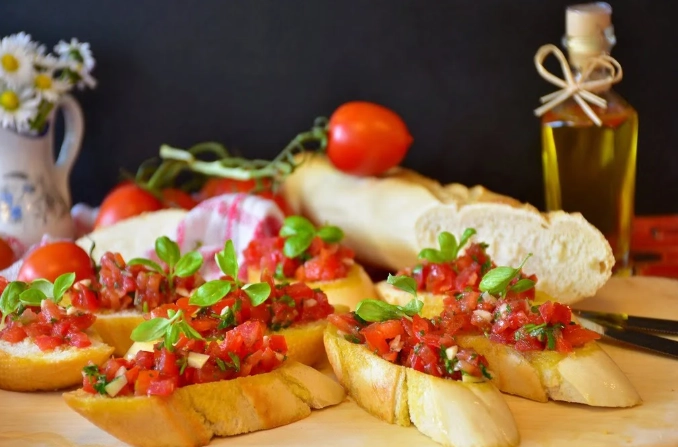
The Definitive List: Top 10 Italian Appetizers You Need to Try
Here they are, in no strict hierarchical order (arguing over the absolute best is part of the fun!), but these are the essentials. These are the answers when someone asks you, point blank, what are the top 10 Italian appetizers.
Top 1: Bruschetta & Crostini
Let's start with the king of simplicity. Many people think bruschetta is the tomato topping, but it's actually the platform: a slice of rustic bread, grilled or toasted, rubbed with garlic, and drenched in good olive oil. The classic topping is diced fresh tomatoes, basil, salt, and more oil. Crostini are its more delicate cousin—smaller, thinner, often toasted, and topped with a wider variety of spreads, like chicken liver pâté (crostini di fegatini) in Tuscany or mushrooms.
The beauty is in the contrast: the crunchy, oily, garlicky bread against the fresh, juicy tomatoes. It's a textural dream. A common mistake outside Italy? Soggy bread. The tomato mix should be added just before serving to keep that crunch intact.
Top 2: Prosciutto e Melone
Sweet and salty perfection. This pairing is so logical it feels like it was discovered, not invented. Thin, silky slices of salty cured prosciutto (usually Prosciutto di Parma or San Daniele, which have Protected Designation of Origin status) wrapped around cool, sweet, ripe cantaloupe or honeydew.
The fat from the prosciutto melts slightly against the fruit, and the flavors just sing together. It's the ultimate summer appetizer—light, refreshing, and requiring zero cooking. If you see it on a menu in the summer, order it. No questions asked.
Top 3: Caprese Salad (Insalata Caprese)
The colors of the Italian flag on a plate: red, white, and green. It's stunningly simple: slices of ripe tomato and fresh mozzarella (ideally Mozzarella di Bufala Campana, another PDO product), layered with fresh basil leaves, seasoned with salt and pepper, and anointed with extra virgin olive oil.
Its birthplace is the island of Capri, and it tastes like summer. The key, again, is ingredient quality. A bland, refrigerated tomato and rubbery mozzarella will give you nothing. But with sun-warmed tomatoes and creamy, milky mozzarella, it's transformative. It’s a staple answer when pondering what are the top 10 Italian appetizers because it’s iconic and beloved worldwide.
Top 4: Antipasto di Mare (Seafood Antipasto)
For coastal regions, the sea provides the first course. This isn't a single dish but a platter of various marinated and fresh seafood. Think of it as a taste of the ocean. You'll often find items like gamberi (shrimp), cozze (mussels), vongole (clams), marinated anchovies, octopus salad, and sometimes fried calamari.
The preparation is usually light—boiled or grilled, dressed with lemon, olive oil, parsley, and maybe a touch of garlic. It's briny, fresh, and incredibly satisfying. If you love seafood, this is a must-try. I had a version in Sicily that was so good, I almost skipped the pasta course.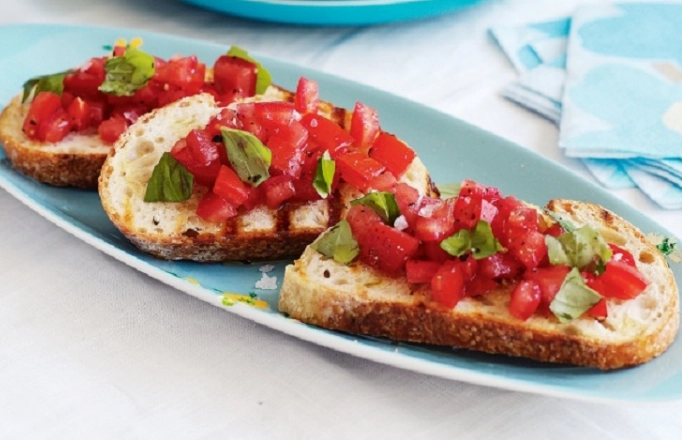
Top 5: Arancini / Supplì
Fried, crispy, cheesy, and deeply comforting. Arancini (meaning "little oranges" because of their shape and color) are Sicily's gift to the world. They are balls of leftover risotto, stuffed with a heart of ragù (meat sauce), mozzarella, and sometimes peas, then breaded and deep-fried. The first bite reveals the molten cheese pull—it’s glorious.
In Rome, you have their close relative, the supplì. It's typically smaller, more oval, and the rice is often flavored with tomato sauce, with a core of mozzarella. Served piping hot, they are the ultimate street food that has rightfully earned a place as a sit-down appetizer. They’re rich, so one or two per person is plenty.
Top 6: Fiori di Zucca (Fried Zucchini Flowers)
A seasonal delicacy that feels truly special. These are the bright orange-yellow flowers of the zucchini plant, stuffed usually with a mixture of mozzarella and anchovy (or sometimes just ricotta), lightly battered, and fried until crisp.
They are ephemeral—you only find them when zucchini are in bloom. The flavor is delicate, slightly sweet, and the contrast between the crispy batter, the soft flower, and the gooey, salty filling is extraordinary. They are a testament to the Italian knack for using every part of an ingredient. If you see them on a menu, order them immediately; they often sell out fast.
Top 7: Bresaola con Rucola e Scaglie di Grana
A lighter alternative to prosciutto, bresaola is air-dried, salted beef (from the Valtellina region) that's lean and has a deep red color. It's sliced paper-thin and typically served draped on a plate, topped with a handful of peppery arugula (rucola), shavings of Parmigiano-Reggiano or Grana Padano cheese, a drizzle of olive oil, and a squeeze of lemon.
It's a more refined, less fatty antipasto. The beef is mild and tender, and the combination with the sharp cheese and peppery greens is perfectly balanced. It feels healthy and indulgent at the same time.
Top 8: Panzanella
This is a brilliant example of cucina povera ("poor cooking")—making something delicious from leftovers. Panzanella is a Tuscan bread salad. Stale, rustic bread is soaked in water and then wrung out, mixed with ripe tomatoes, cucumbers, red onion, fresh basil, and dressed with vinegar and lots of olive oil.
The bread soaks up all the juices from the vegetables and the dressing, becoming incredibly flavorful and tender. It's a refreshing, hearty, and no-waste appetizer, perfect for hot days. The texture might surprise you if you're expecting a crunchy salad, but it's a beloved classic for a reason.
Top 9: Olive Ascolane
These are a signature from the Marche region but have spread in popularity. They are large green olives (Ascolane olives) that are pitted, stuffed with a savory mixture of ground meats (often pork, chicken, and beef), herbs, and sometimes Parmesan, then breaded and deep-fried.
They are incredibly moreish—salty, meaty, crunchy, and juicy all at once. One is never enough. They take some work to make, so they're a real treat. You'll often find them as part of a mixed fried appetizer platter (fritto misto).
Top 10: Parmigiana di Melanzane (as an Antipasto)
Okay, I can hear some purists: "But that's a main course!" And yes, often it is. But in many parts of Southern Italy, especially in trattorias, you can get a small, perfect square of eggplant parmigiana as an antipasto. Layers of fried eggplant, tomato sauce, basil, and melted Parmesan and mozzarella cheeses, baked until bubbly.
It's rich, it's decadent, and it's soul food. Serving a small portion as a starter is a promise of a great meal to come. It's hearty, so if you choose this, maybe plan for a lighter pasta afterwards.
There you have it. A tour of flavors and textures that answer the core question: what are the top 10 Italian appetizers? But knowing the names is just the start.
Beyond the List: Cheese, Cured Meats, and the Art of the Platter
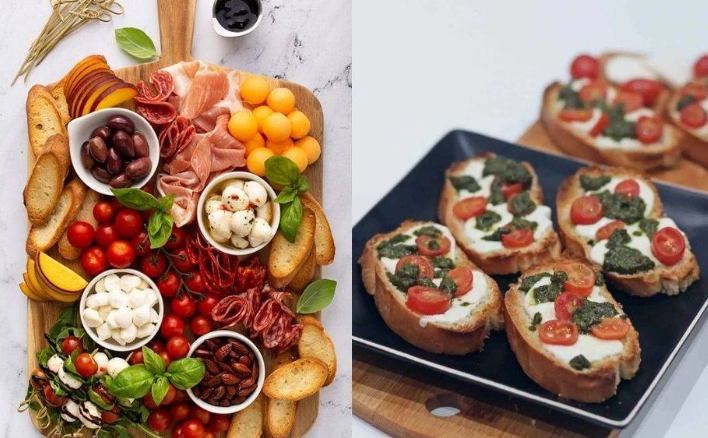
Often, the best antipasto experience is a curated platter. In Italy, you'll frequently see a Tagliere (a cutting board) laden with a selection of cheeses and cured meats (salumi), accompanied by bread, maybe some nuts, and preserves. This is social eating at its best. Here’s a quick guide to building or understanding one.
| Category | Classic Examples | Flavor Profile & Notes |
|---|---|---|
| Cheeses (Formaggi) | Parmigiano-Reggiano (hard), Pecorino Romano (hard, salty), Gorgonzola (blue, creamy), Mozzarella di Bufala (fresh, soft), Taleggio (semi-soft, pungent) | Offer a mix of ages and milk types (cow, sheep, buffalo). Serve at room temperature. |
| Cured Meats (Salumi) | Prosciutto Crudo (sweet, delicate), Salame (various types), Coppa (spiced, fatty), Pancetta (cured pork belly), Bresaola (air-dried beef) | Include a range of textures from silky (prosciutto) to firm (salame). Slice thinly. |
| Accompaniments | Grilled/Toasted Bread (Crostini), Mostarda (fruit mustard), Honey (for blue cheese), Pickled Vegetables (Giardiniera), Olives, Fresh or Dried Fruit | These provide sweet, tangy, and crunchy contrasts to the rich meats and cheeses. |
Putting this together isn't rocket science. Get a few things of good quality rather than many mediocre items. Let people explore and find their own favorite combinations.
Your Questions Answered: Italian Appetizer FAQ
I get a lot of questions about this topic. Here are some of the most common ones that pop up when people are searching for what are the top 10 Italian appetizers and related info.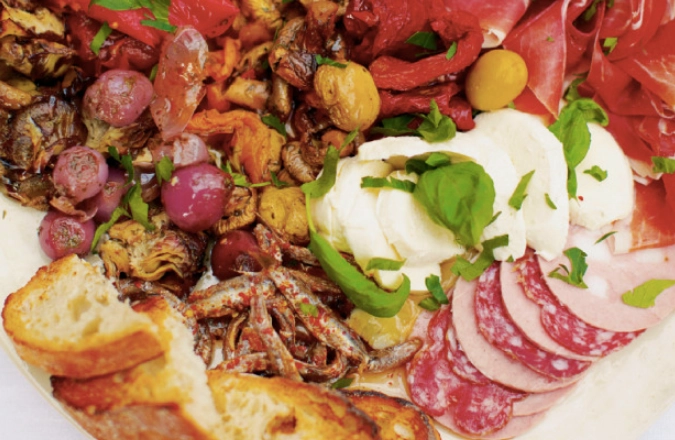
What's the difference between antipasto, primo, and secondo?
This is the classic Italian meal structure. Antipasto is the appetizer, as we've discussed. Primo (first course) is usually a starch-based dish like pasta, risotto, or soup. Secondo (second course) is the main protein—meat or fish, often served with a side vegetable (contorno) separately. You don't have to order all three, but that's the traditional flow.
Are there good vegetarian options among Italian appetizers?
Absolutely! Many of the top 10 Italian appetizers are naturally vegetarian or can be easily adapted. Bruschetta (with tomato or bean spread), Caprese salad, Panzanella, Fiori di Zucca (check the stuffing—sometimes it's just cheese), fried olives (check the meat stuffing), and Parmigiana di Melanzane are all fantastic. Also, look for verdure grigliate (grilled vegetables) or funghi trifolati (sautéed mushrooms).
How do I pronounce these names?
Don't stress too much, but giving it a try is appreciated! Here's a quick cheat sheet:
- Bruschetta: broo-SKET-tah (not broo-SHET-ah)
- Arancini: ah-ran-CHEE-nee
- Crostini: kroh-STEE-nee
- Panzanella: pan-za-NEL-lah
- Fiori di Zucca: fee-OR-ee dee ZOOK-kah
What should I drink with Italian appetizers?
Sparkling wine is a universal match. A dry Prosecco, Franciacorta (Italy's traditional method sparkling wine), or even a light Lambrusco (a slightly fizzy red from Emilia-Romagna) cuts through rich and salty flavors beautifully. A crisp, unoaked white wine like Pinot Grigio or Vermentino also works wonders. For a non-alcoholic option, sparkling water with a twist of lemon is the classic Italian choice.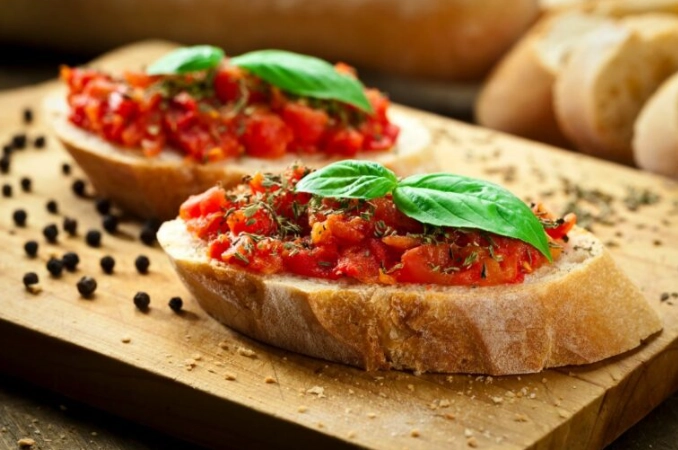
Bringing Italy Home: Buying and Serving Tips
You don't need a plane ticket to enjoy authentic antipasti. Here’s how to shop and serve like a pro.
Seek out specialty shops. A good Italian deli or gourmet market is your best friend for cured meats and cheeses. They can slice prosciutto and salame to order (pre-sliced packaged versions dry out). For cheese, ask for a taste if possible.
Look for DOP/PDO labels. This is a European Union designation (Denominazione di Origine Protetta / Protected Designation of Origin) that guarantees the product was made in a specific traditional way in its region of origin. It's a strong indicator of quality and authenticity. For example, real Prosciutto di Parma or Mozzarella di Bufala Campana will have the DOP seal. You can learn more about this certification system on the official Italian Ministry of Agricultural, Food and Forestry Policies website, which outlines the strict production rules.
Don't refrigerate everything. Take cheese out of the fridge at least an hour before serving. Cured meats should be served at room temperature. Cold mutes their flavors and aromas.
Keep it simple, keep it separate. On a platter, group similar items (cheeses together, meats together) but don't overcrowd. Let the ingredients shine individually. Provide small plates, forks for shared items, and plenty of bread.
A Final Thought on Italian Appetizers
Exploring what are the top 10 Italian appetizers is more than just making a list. It's a window into a food culture that values quality over quantity, simplicity over showmanship, and sharing over solitary eating. Each of these dishes tells a story about a place, a tradition, or a clever use of ingredients.
The next time you're planning a meal, whether it's a casual get-together or a special dinner, start with one or two of these antipasti. Pour some wine, put some bread on the table, and let the conversation flow as naturally as the olive oil. That, more than any specific recipe, is the true spirit of Italian appetizers. It’s about setting the stage for connection. And honestly, isn't that the best way to start any meal?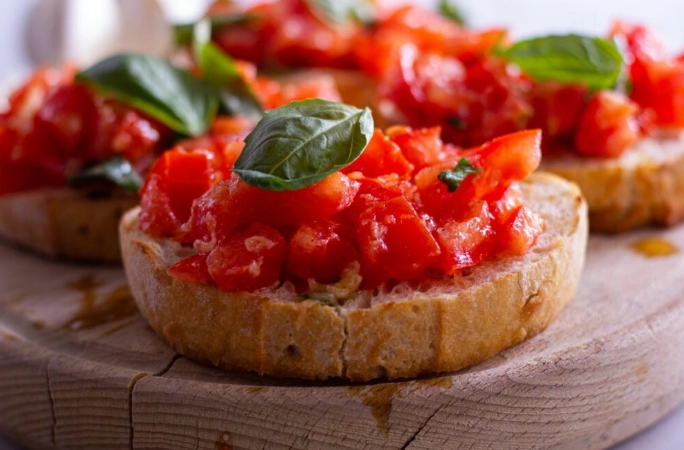
So, which one will you try first? Maybe the classic bruschetta, or perhaps you're feeling adventurous with the fried zucchini flowers? Whichever you choose, you're in for a treat. Buon appetito!
Related Articles

The "half-year report" of the economy of 31 provinces is released: Inner Mongoli

What Are Italian Cookies? A Guide to Classic Types and Recipes
Ultimate Guide to Italian Baked Ground Beef Recipes

Microsoft hollowed out AI unicorn Inflection AI and paid 650 million US dollars
What Are the Top 10 Italian Appetizers? A Taste of Italy's Antipasto Secrets