Authentic Italian Antipasti Recipes: A Guide to Traditional Appetizers
Let's talk about the best part of an Italian meal before the pasta even hits the table: the antipasti. This isn't just "appetizers" in the American sense of loaded potato skins waiting to ruin your appetite. In Italy, antipasti are a deliberate, elegant, and essential opening act. They're designed to stimulate the palate, encourage conversation, and set the tone for the courses to come. Think of them as edible welcome mats. Getting them right means you understand the soul of Italian dining.
I remember my first attempt at hosting an "Italian night." I served a huge platter of everything at once—cheeses, meats, marinated veggies, bread. It was a hit with my friends, but my friend's nonna from Bologna gave me a gentle, knowing smile. Later, she pulled me aside and said, "Caro, it's beautiful, but it's a feast, not an antipasto. You start light, you leave them wanting." That lesson changed everything for me.
So, forget the complicated, fussy canapés. True traditional Italian appetizer recipes are about sublime simplicity and the absolute best ingredients you can find. Let's dive into the classics you can actually make at home.
What's Inside This Guide?
What Exactly Is Antipasti? It's More Than Just "Starters"
The word "antipasti" literally means "before the meal" (anti- = before, pasti = meal). But culturally, it's a specific course with a purpose. Portions are small, meant for sharing and tasting. The flavors are bright, fresh, and often acidic or salty to literally get your digestive juices flowing.
Regional variation is huge. In coastal Liguria, you'll see marinated anchovies and stuffed mussels. In landlocked Umbria, bruschetta topped with fresh fava beans or chicken liver crostini. The common thread is seasonality and locality.
The biggest mistake I see outside Italy? Overcomplicating it. You don't need 15 components. Two or three impeccably prepared dishes are infinitely better than a crowded board of mediocre stuff from a plastic tub.
Top 3 Classic Antipasti Recipes You Can Master Tonight
Here are three pillars of the antipasti world. They require minimal cooking but maximum attention to quality.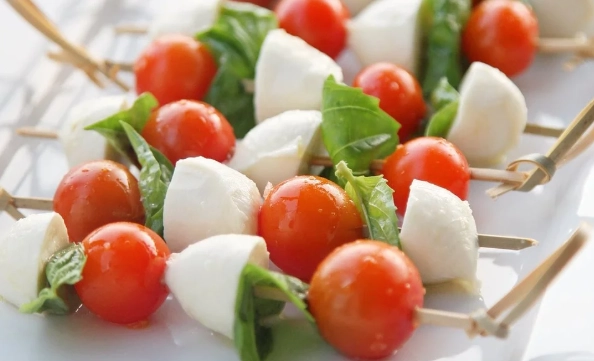
1. Bruschetta al Pomodoro (The King of Crostini)
Not the soggy, pre-diced tomato mix you sometimes see. Authentic bruschetta is a study in summer. The name comes from "bruscare," meaning to roast over coals. The bread should have a serious char.
What You'll Need:
- Bread: A rustic, country-style loaf like Pugliese or a good sourdough. No sandwich bread.
- Tomatoes: 4-5 ripe Roma or Heirloom tomatoes, seeded and diced.
- Garlic: 1 clove, peeled.
- Basil: A handful of fresh leaves, torn (never chopped with a knife—it bruises).
- Extra Virgin Olive Oil: The best you have. This is its moment to shine.
- Salt: Flaky sea salt.
How to Do It Right:
- Slice the bread about 3/4-inch thick. Grill or broil it until deeply charred in spots on both sides.
- Immediately rub one side vigorously with the whole garlic clove. The rough toast acts like a grater.
- In a bowl, mix diced tomatoes, torn basil, a generous glug of olive oil, and salt. Let it sit for 5-10 minutes (no longer, or it gets mushy).
- Spoon the tomato mixture onto the grilled bread just before serving. Drizzle with a final thread of oil.
The result should be crunchy, juicy, fragrant, and utterly simple.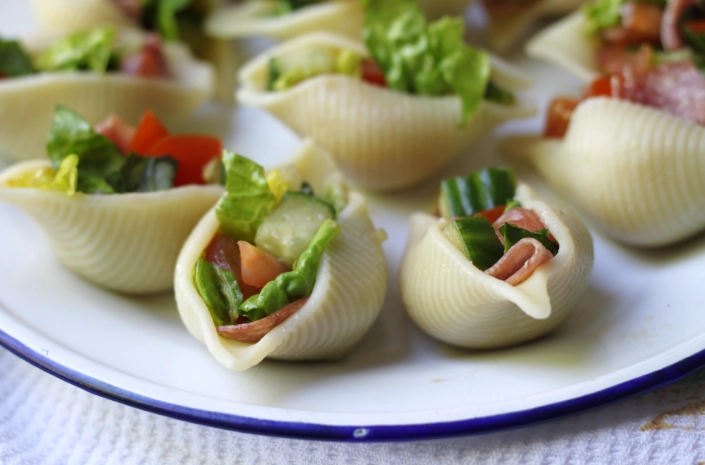
2. Prosciutto e Melone (The Perfect Pair)
This is the ultimate no-cook antipasto. Sweet, fragrant melon wrapped in salty, silky cured ham. It seems too simple to mess up, but the devil's in the details.
Ingredient Quality is Non-Negotiable:
- Prosciutto: Splurge on Prosciutto di Parma or San Daniele. The pre-sliced, packaged stuff is often too wet and doesn't separate properly. Ask your deli to slice it paper-thin.
- Melon: A perfectly ripe cantaloupe or honeydew. It should smell sweet at the stem end and yield slightly to pressure. Unripe melon ruins everything.
Assembly: Don't just drape the prosciutto over chunks. Take a thin slice of prosciutto and wrap it loosely around a slender wedge or ball of melon. The idea is to get both flavors in one bite without fighting with the meat. Sometimes I add a grind of black pepper. That's it. Serve immediately so the prosciutto doesn't get damp.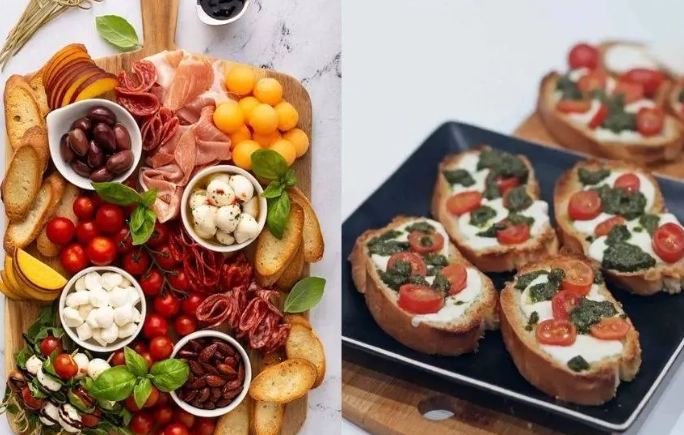
3. Insalata Caprese (A Flag on a Plate)
The colors of the Italian flag: red (tomato), white (mozzarella), green (basil). When made with care, it's a masterpiece. When made poorly, it's a bland, rubbery disappointment.
The single most important factor? The mozzarella. You need Mozzarella di Bufala Campana (buffalo mozzarella) or the freshest cow's milk mozzarella (fior di latte) you can find, stored in water. The vacuum-packed, low-moisture blocks won't work here—they're for pizza.
How to Layer It: Slice tomatoes and mozzarella of similar thickness. Alternate them on a plate, overlapping slightly. Tuck whole basil leaves in between. Season generously with good salt and fresh black pepper. Drizzle with your finest olive oil right before serving. No balsamic glaze. I said it. The classic version doesn't include it; the sweetness overpowers the delicate milky flavor. If you must, a single drop of aged balsamic vinegar (not glaze) is acceptable to some, but purists will frown.
How to Build an Antipasti Platter Like a Pro
Sometimes you want a spread. A well-composed platter is a showstopper. Here’s how to think like an Italian host.
The Framework:
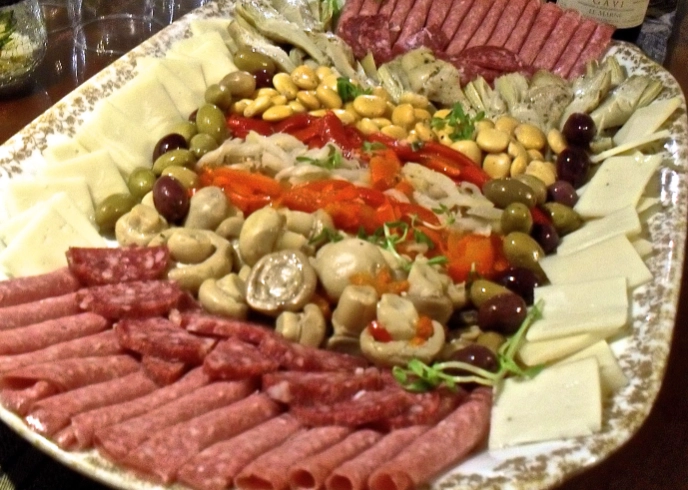
- 1-2 Cheeses: One soft (like a creamy stracchino or burrata), one hard or aged (like Parmigiano-Reggiano chunks or Pecorino).
- 1-2 Cured Meats (Salumi): Prosciutto (sweet), Salame (spicy or mild), maybe a finocchiona (fennel salami).
- Something Briny/Acidic: Marinated artichokes, olives (Castelvetrano are a crowd-pleaser), or pepperoncini.
- Something Fresh: Grapes, figs (in season), or the tomato-basil mix from the bruschetta in a bowl.
- Vehicle: Grilled bread slices, plain breadsticks (grissini), or unsalted crackers.
- Optional Accents: A small bowl of high-quality extra virgin olive oil for dipping, some whole nuts.
Assembly Tips: Don't just pile everything in the center. Group items in small clusters, leaving space between them. It looks abundant but not chaotic. Put bowls for wet items (olives, artichokes) to contain juices. Let the cheeses and meats come to room temperature for 30 minutes before serving—this unlocks their full flavor.
Where to shop? If you have an Italian deli or specialty market, go there. For online options, retailers like iGourmet or Gustiamo are fantastic for authentic Italian imports. The Italian Trade Agency's site is also a great resource for learning about Protected Designation of Origin (PDO) products, which guarantee authenticity.
Your Antipasti Questions, Answered
Related Articles
Master Authentic Italian Recipes: The Ultimate Guide to Real Italian Cooking
Authentic Italian Tomato Sauce Recipe: Secrets from a Home Cook
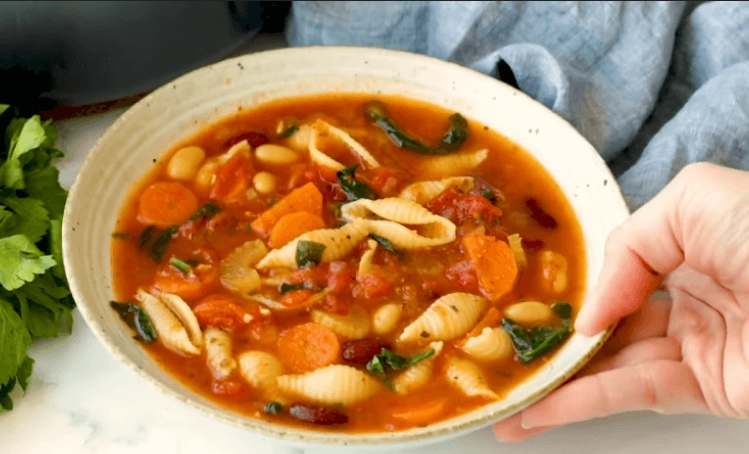
Authentic Italian Minestrone Soup Recipe: A Hearty Classic

Three years and five visits to the Hong Kong Stock Exchange, can Wumart realize
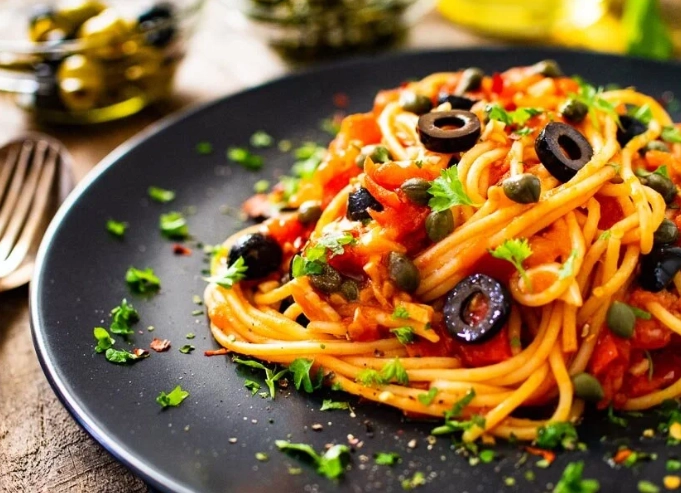
Top 10 Italian Pasta Dishes: A Guide to Classics
