Ultimate Guide to Classic Italian Baked Pasta Dishes
Ask anyone about Italian baked pasta, and lasagna will likely be the first thing that comes to mind. But that's just the opening act. In Italy, "pasta al forno" is a category of its own, a Sunday ritual, a celebration dish, and the ultimate expression of home cooking that changes from region to region, even from family to family. It's about layering flavors, textures, and often, a whole lot of love and time. I've spent years eating my way through trattorias and learning from nonne, and the biggest mistake I see is thinking all baked pasta is just noodles with cheese on top. It's a culinary art form with rules, variations, and secrets worth knowing.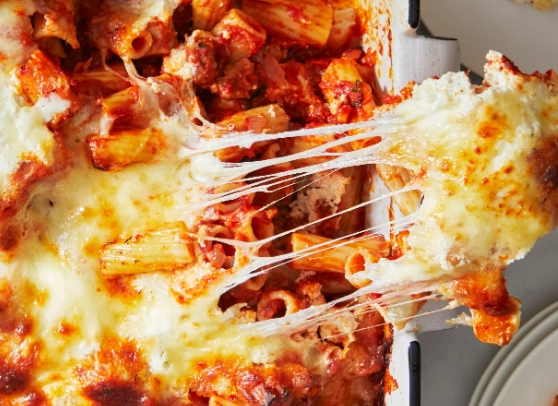
Your Quick Guide to Baked Pasta Heaven
The Unbeatable Big Three: Classics You Must Know
These are the pillars. You'll find them all over Italy, but the devil—and the delight—is in the details.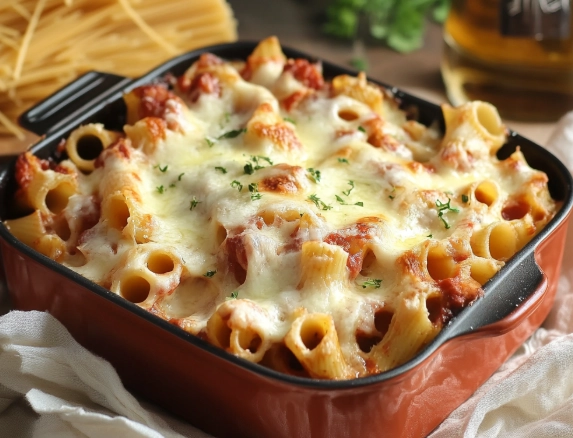
1. Lasagna: It's Not Just One Dish
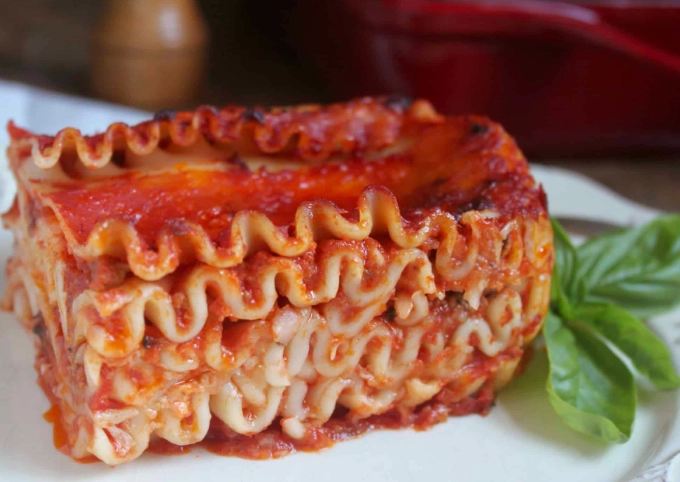
The lasagna from Bologna (Lasagna alla Bolognese) is the gold standard. It uses fresh egg pasta sheets (pasta all'uovo), a rich ragù made with a mix of ground meats simmered for hours, béchamel sauce (besciamella), and Parmigiano-Reggiano. The pasta sheets are often pre-boiled. Head to Naples, and you get Lasagna di Carnevale, packed with tiny meatballs, sausage, hard-boiled eggs, and ricotta. In the south, it's often made with dried pasta and ricotta instead of béchamel. My personal take? The Bolognese version is king, but a common pitfall is a ragù that's too lean or under-seasoned. The fat carries the flavor.
2. Cannelloni & Manicotti: The Stuffed Tubes
Often confused. Cannelloni usually refers to fresh pasta rectangles rolled around a filling. Manicotti are large, pre-formed tubes. The filling is the star. A classic Roman version is "Cannelloni ricotta e spinaci"—ricotta, spinach, nutmeg, and Parmigiano. For Sundays, you might find a meat-based filling with ground veal or pork. They're then covered in béchamel and tomato sauce and baked until bubbling. The key is not to overstuff them, or they'll burst and dry out.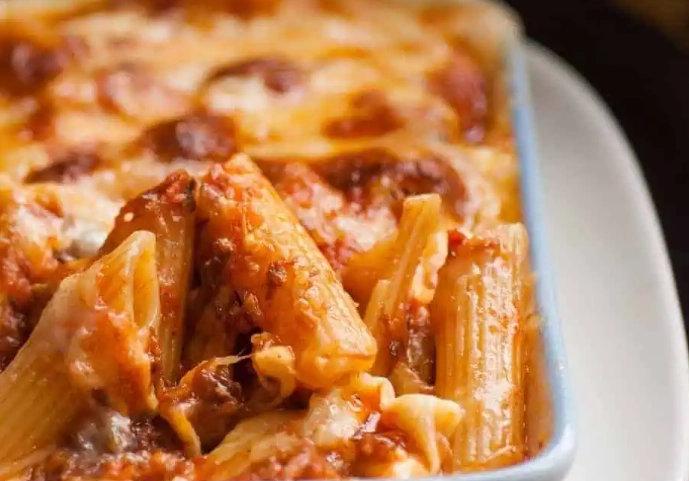
3. Timballo / Pasta al Forno: The Showstopper
This is the granddaddy. "Timballo" refers to a baked pasta dish molded and served from a round pan (like a timbale). In Southern Italy, especially Sicily and Naples, "Pasta al forno" is a specific, elaborate bake. Think short pasta like penne or ziti, mixed with a complex ragù, tiny meatballs (polpettine), slices of hard-boiled egg, cubes of ham or salami, peas, and lots of cheese, then baked until a formidable crust forms. It's a meal in one dish. The version from the International Pasta Organization archives describes it as a "festive composition."
| Dish | Key Characteristic | Heartland Region | Common "Secret" Ingredient |
|---|---|---|---|
| Lasagna Bolognese | Layers of fresh pasta, meat ragù, béchamel | Emilia-Romagna | A splash of milk in the ragù |
| Cannelloni | Rolled fresh pasta tubes with filling | Lazio, Campania | A pinch of nutmeg in the ricotta |
| Timballo / Pasta al Forno | Mixed pasta with meats, eggs, cheese, baked in a mold | Sicily, Campania | Small fried meatballs (polpettine) |
Under-the-Radar Regional Stars
This is where it gets fun. Venture off the tourist menu and you'll find these gems.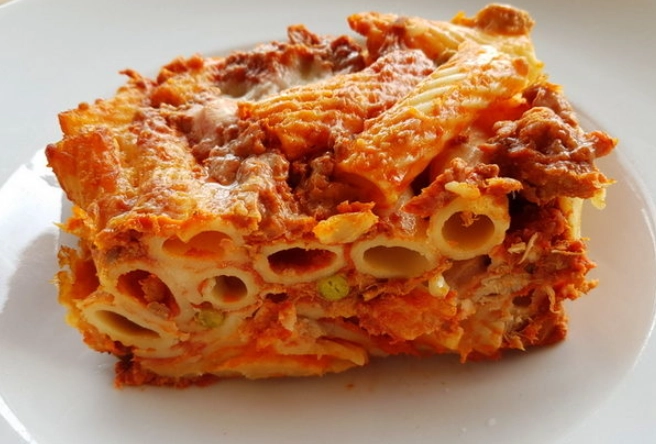
Vincisgrassi (Marche): Often called the ancestor of lasagna. It uses a richer, more complex ragù that often includes chicken livers or other offal, and sometimes a final dusting of truffle. It's decadent and deeply savory.
Pasta 'Ncasciata (Sicily): A specific type of timballo from Messina. The pasta is mixed with ragù, eggplant, caciocavallo cheese, and hard-boiled eggs, then baked in a round pan. The top gets incredibly crisp.
Baked Ziti (Southern Italy / Italian-American): While its fame grew in Italian-American communities, its roots are in Campania. The authentic version uses ziti pasta (long tubes broken by hand), a simple tomato sauce, ricotta, mozzarella, and maybe some small meatballs or sausage. It's less layered, more homogenous than lasagna.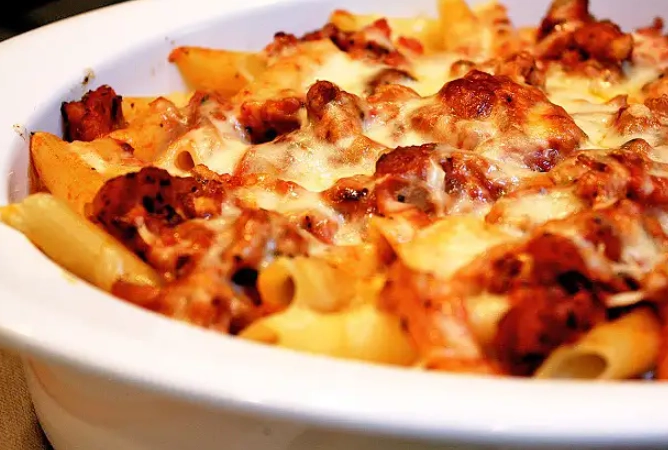
Pro Tip from a Roman Chef: "Everyone worries about the pasta being overcooked. They should worry about the sauce being under-seasoned. The pasta will drink up that sauce in the oven, so your ragù needs to be bold and perfectly salted from the start. If it tastes just right in the pot, it'll be bland in the bake."
How to Master the Technique (The Nonna's Way)
Making a great baked pasta isn't hard, but a few tweaks make all the difference. Let's walk through a hypothetical Sunday when you decide to make a classic Southern-style "Pasta al Forno."
Day 1 (Saturday): Make the Ragù. This is non-negotiable. A good ragù needs hours. Brown your meat (a mix of pork and beef), add soffritto (onion, carrot, celery), tomato passata, and let it bubble gently for at least 3-4 hours. Let it cool and refrigerate overnight. The flavors marry beautifully.
Day 2 (Sunday Morning): Prep the Components.
- Make tiny meatballs: Mix ground meat (veal/pork), breadcrumbs, egg, parsley, garlic. Fry them until golden. They'll finish cooking in the oven.
- Hard-boil 2-3 eggs, slice them.
- Cube some provolone or caciocavallo cheese (mozzarella works, but it's very wet).
- Cook the pasta: Use a short, sturdy shape like rigatoni or mezzi ziti. Boil it in well-salted water, but stop 2-3 minutes before the package's al dente time. It will cook more in the oven. Drain and toss it with a little of the ragù to prevent sticking.
Assembly & Baking: In a large, well-buttered baking dish, start with a thin layer of ragù. Add half the pasta. Scatter over half your meatballs, egg slices, cheese cubes, and peas. Spoon over more ragù. Repeat with another layer. Finish with a final blanket of ragù and a generous heap of grated Pecorino Romano or Parmigiano. The top layer of pasta should be completely sauced to avoid burning.
Bake at 375°F (190°C) for 30-40 minutes, until hot through and the top is crusty and browned. Here's the critical step most recipes skip: Let it rest for 20-25 minutes after taking it out of the oven. This allows the layers to set. If you cut into it immediately, it will be a soupy, sliding mess. Patience is part of the recipe.
Where to Eat the Real Deal in Italy
You can find decent versions in many places, but these spots are known for taking their baked pasta seriously. Information is based on general reputation and typical offerings; always check current hours.
For Lasagna Bolognese:
Trattoria Anna Maria (Bologna): A no-frills institution. Their lasagna is textbook—delicate pasta, deeply flavorful ragù, perfect béchamel. Expect a line. Address: Via Belle Arti, 17/A, 40126 Bologna. Price: €12-15 for a portion. They're usually open for lunch and dinner, closed Sundays.
For a Spectacular Timballo / Pasta al Forno:
Antica Trattoria da Pietro (Palermo, Sicily): Their "Pasta 'ncasciata" is legendary—layers of pasta, fried eggplant, rich meat sauce, and salty cheese. It's a hearty, unforgettable plate. Address: Via Vittorio Emanuele, 314, 90133 Palermo. Price: €10-14. Open daily for lunch and dinner.
For Authentic Roman Cannelloni:
Flavio al Velavevodetto (Rome): In the Testaccio neighborhood, this place does classic Roman cuisine right. Their cannelloni are light, filled with a perfect ricotta-spinach mix, and baked just until golden. Address: Via di Monte Testaccio, 97, 00153 Roma. Price: €11-13. Open for lunch and dinner, closed Monday.
Remember, in Italy, if a restaurant has a specific baked pasta dish on the menu, it's often a Thursday or Sunday special. It's labor-intensive, so they make big batches for traditional family meal days.
Your Baked Pasta Questions, Answered
At the end of the day, Italian baked pasta is about generosity and sharing. It’s not a quick weeknight fix; it’s a project that fills your home with incredible smells and ends with everyone gathered around the table. Whether you're aiming for the layered perfection of a Bolognese lasagna or the hearty, chaotic joy of a Southern timballo, remember the three pillars: a well-developed sauce, undercooked pasta, and the discipline to let it rest. Now, go preheat that oven.
Related Articles
Proper Italian Meatballs Recipe: Authentic Tips & Secrets
Most Famous Italian Cookies: A Guide to Italy's Beloved Biscotti & Beyond
Italian Pizza Dough Ingredients: The Ultimate Guide for Perfect Crust
Healthy Italian Vegetarian Recipes: Flavorful Main Dishes Made Easy
Traditional Italian Recipes by Region: A Culinary Journey from North to South