Simple Italian Baked Dishes: Easy Recipes for Lasagna, Eggplant & Focaccia
Let's be honest. When you think of Italian food, you might picture a chef meticulously hand-rolling pasta or stirring a sauce for hours. But the real secret of Italian home cooking? It's often found in the oven. Simple Italian baked dishes are the unsung heroes of the kitchen—forgiving, flavorful, and designed to feed a family with minimal last-minute fuss. They're the definition of "set it and forget it" (well, almost), transforming basic ingredients into something magical through the power of heat. I've spent years cooking in home kitchens and learning from Italian nonnas, and the one thing they all agree on is the genius of a good italian casserole recipe. Today, I'm sharing three foundational recipes that will change how you think about weeknight dinners and casual entertaining.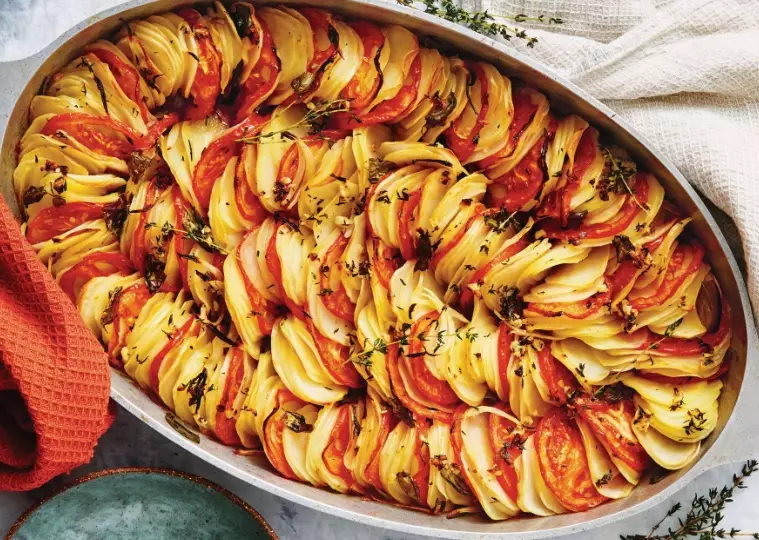
What You'll Find Inside
- Why Baked Italian Dishes Are a Home Cook's Best Friend
- Recipe 1: The No-Fuss, No-Soggy Classic Lasagna
- Recipe 2: Crispy, Creamy Baked Eggplant Parmesan
- Recipe 3: Foolproof, No-Knead Focaccia Bread
- At-a-Glance Recipe Comparison
- The Pro Moves: Tips You Won't Find on Most Recipe Cards
- Your Baked Dish Questions, Answered
Why Baked Italian Dishes Are a Home Cook's Best Friend
I used to avoid baked pasta dishes, thinking they were just heavy restaurant fare. Then I lived in Italy for a summer and saw how families actually eat. These easy italian baked dishes are strategic. They allow flavors to marry. They can be prepped ahead—often completely assembled in the morning or even the night before. They free you up to be with your guests. And perhaps most importantly, they are incredibly forgiving. A stovetop sauce can burn in seconds; a baked casserole gives you a wide window of doneness. The core principle is layering: sauce, starch or vegetable, cheese, repeat. That's it. Master that, and you've unlocked a world of one-pan meals.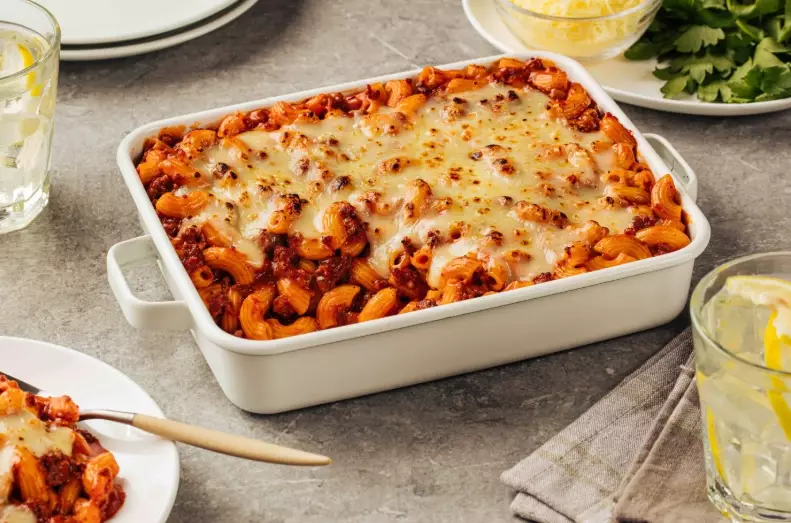
Recipe 1: The No-Fuss, No-Soggy Classic Lasagna
The biggest complaint about lasagna? A watery, sloppy mess. The culprit is almost always excess moisture from the ricotta and vegetables. This method fixes that.
Simplified "Sunday Gravy" Lasagna
Prep: 30 mins | Cook: 1 hr 15 mins (plus 15 min rest) | Serves: 8-10
What you need: A 9x13 inch baking dish, no-boil lasagna noodles (trust me on this), a large skillet.
The Sauce (The Foundation): Heat 2 tbsp olive oil. Cook 1 finely chopped onion and 4 minced garlic cloves until soft. Add 1 lb Italian sausage (casings removed) and 1 lb ground beef. Brown well—this builds flavor. Pour in two 28-oz cans of crushed tomatoes (like San Marzano for best results), 1/2 cup water, 2 tsp dried oregano, salt, and pepper. Simmer for 20 minutes while you prep the cheese. Don't skip the simmer; it concentrates flavor.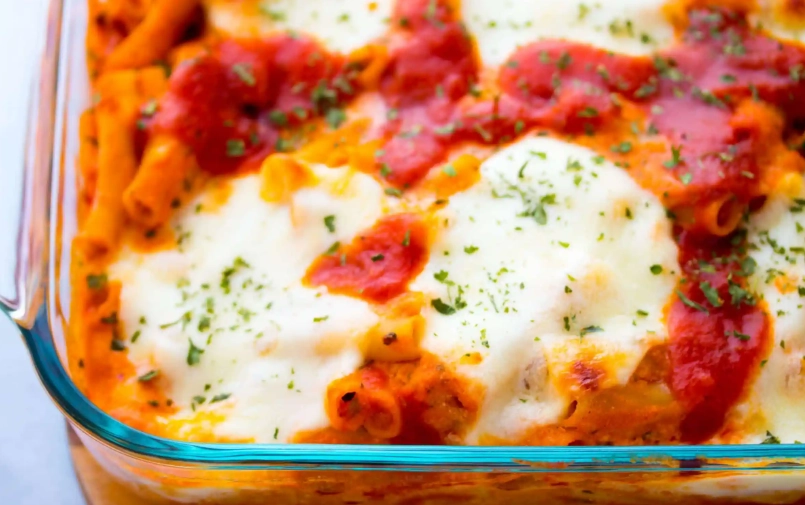
The Cheese Layer (The Secret): In a bowl, mix 32 oz whole-milk ricotta, 1 large egg, 1/2 cup grated Parmesan, 1/4 cup chopped parsley, and a pinch of nutmeg. Here's the non-consensus tip: spread your ricotta mixture onto the dry no-boil noodles before assembling. This gives the noodle direct contact with moisture and prevents dry edges.
Assembly & Baking: Spread 1 cup sauce in the dish. Place 4 noodles (with ricotta side up) over sauce. Top with more sauce, then sprinkle with shredded low-moisture mozzarella. Repeat layers 3 more times, ending with sauce and mozzarella. Cover tightly with foil. Bake at 375°F (190°C) for 50 minutes. Uncover, bake 15 more minutes until bubbly and spotted brown. Let it sit for 15 minutes before cutting. This rest is non-negotiable for clean slices.
Recipe 2: Crispy, Creamy Baked Eggplant Parmesan (Parmigiana di Melanzane)
A great baked eggplant parmesan recipe should have eggplant that holds its texture, not dissolves into mush. The key is removing water twice: before and during cooking.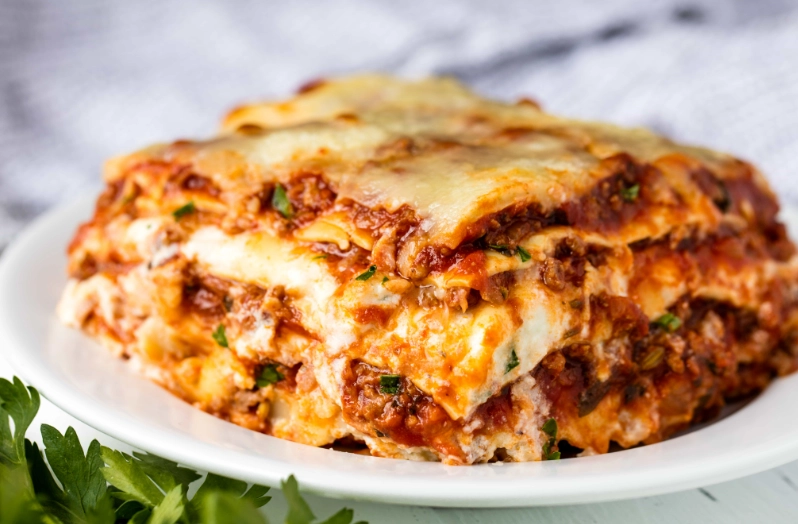
Never-Soggy Eggplant Parmesan
Prep: 45 mins (includes salting time) | Cook: 45 mins | Serves: 6
What you need: 2 large baking sheets, wire racks, a 9x13 dish.
Prepping the Eggplant: Slice 2 large eggplants into 1/2-inch rounds. Lay them on wire racks over a tray, salt both sides generously, and let sit for 30 minutes. You'll see beads of bitter liquid form. Rinse quickly and pat extremely dry with towels. This step is your insurance against bitterness and sogginess.
The Crispy Bake, Not Fry: Brush both sides of the dried slices with olive oil. Arrange on parchment-lined baking sheets. Bake at 425°F (220°C) for 20-25 minutes, flipping halfway, until golden and tender. This pre-baking creates a barrier and concentrates flavor.
Simple Assembly: In your dish, spread a thin layer of marinara sauce. Add a single layer of baked eggplant slices. Spoon over more sauce, scatter torn fresh mozzarella (the low-moisture kind works better here than the wet balls), and sprinkle with Parmesan and torn basil leaves. Repeat 2-3 more layers. Bake at 375°F (190°C) for 25-30 minutes until the cheese is molten and the edges are bubbly.
Recipe 3: Foolproof, No-Knead Focaccia Bread
Yes, bread is a baked dish! This focaccia is more like a savory cake. It requires time, but almost zero active effort. It's the perfect side to sop up sauces from the dishes above.
Easy Olive Oil & Rosemary Focaccia
Prep: 20 mins + 18-24 hrs rising | Cook: 20-25 mins | Makes: One half-sheet pan
What you need: A large bowl, a half-sheet pan (18x13 inches).
The Dough (Mix and Forget): In a big bowl, whisk 600g (about 4 3/4 cups) bread flour, 2 tsp instant yeast, and 2 tsp fine sea salt. Add 2 1/2 cups lukewarm water and 2 tbsp olive oil. Mix with a spatula until a shaggy, sticky dough forms—about 2 minutes. Cover tightly and let it sit at room temperature for 12-18 hours. It will triple in size and be bubbly.
Panning and Dimpling: Pour 1/4 cup olive oil onto your sheet pan. Gently scrape the dough onto the oil—it will be loose and wet. Using oiled hands, gently stretch the dough towards the corners. It might not reach all the way; let it rest 10 minutes and stretch again. Cover and let rise 2 more hours. Heat oven to 450°F (230°C). Press your oiled fingertips deeply into the dough to create dimples. Drizzle with more oil, scatter with flaky salt and fresh rosemary.
Baking: Bake for 20-25 minutes until deep golden brown. The bottom should sound hollow when tapped. Immediately slide it onto a wire rack. This prevents a soggy bottom. The long, slow rise is what develops incredible flavor and an open, airy crumb with a crisp crust.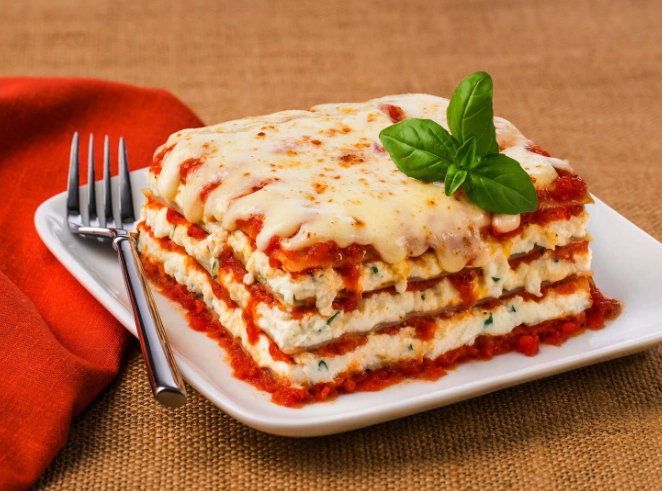
At-a-Glance Recipe Comparison
| Dish | Active Prep Time | Total Time (Incl. Inactive) | Make-Ahead Friendly? | Key Skill Focus |
|---|---|---|---|---|
| Classic Lasagna | 30-40 mins | ~2 hours | Excellent (Assemble 1 day ahead) | Layering, Sauce Reduction |
| Eggplant Parmesan | 45 mins | ~1.5 hours | Very Good (Pre-bake eggplant, assemble later) | Vegetable Prep, Moisture Control |
| Focaccia Bread | 20 mins | 18-24 hours+ | Dough ferments ahead | Handling Wet Dough, Timing |
The Pro Moves: Tips You Won't Find on Most Recipe Cards
After making these dishes countless times, here's where most home cooks trip up.
The Layering Art (It's Not Just Stacking)
For lasagna and eggplant parm, your bottom and top layers are critical. Start with a thin sauce layer to prevent sticking. Always end with a generous cheese layer—it protects the ingredients underneath from drying out and creates that beautiful golden top. For the middle layers, go lighter on the sauce than you think. The ingredients release steam as they cook, adding more liquid.
Cheese Choices: A Make-or-Break Decision
Using fresh, wet mozzarella balls (the ones packed in water) is the #1 mistake for baked dishes. They release a ton of water. For the melt and structure you want, use low-moisture, whole-milk mozzarella, either pre-shredded (which has anti-caking agents but is convenient) or shredded from a block (the purest option). For ricotta, whole milk is non-negotiable for flavor and texture.
Your Baking Dish Matters
A light-colored, metal pan conducts heat evenly and gives you a good crust. A dark non-stick pan can cause the bottom to over-brown or even burn before the center is hot. If you only have glass or ceramic, reduce the oven temperature by 25°F (about 15°C) and expect a slightly longer bake time. They're slower to heat but hold heat well.
Your Baked Dish Questions, Answered
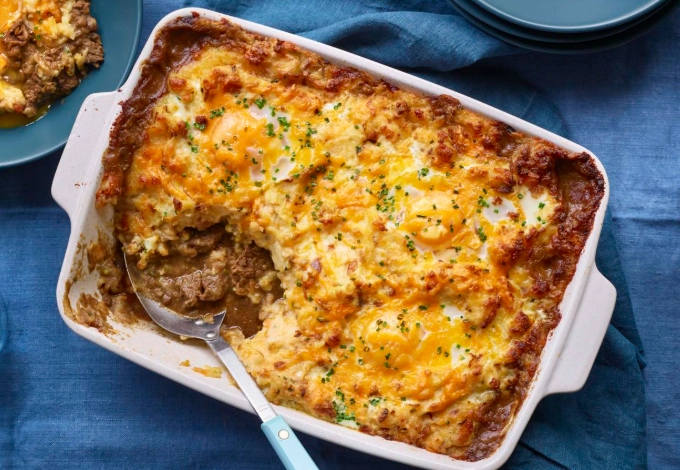
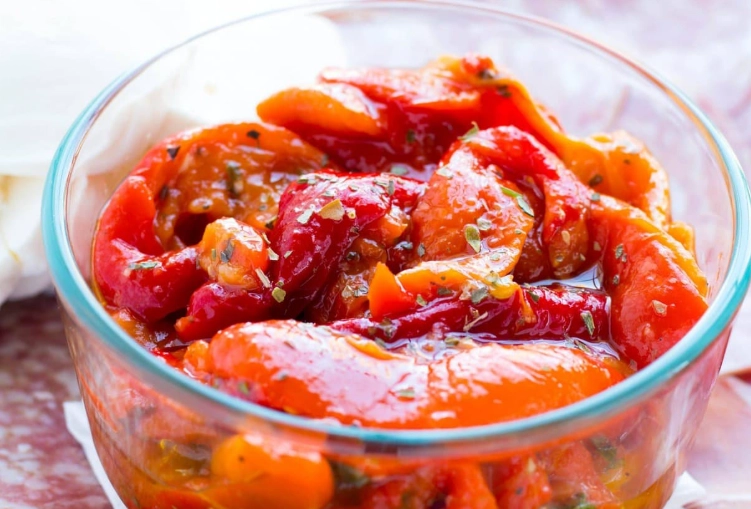
The beauty of these simple Italian baked dishes lies in their flexibility. Once you grasp the fundamentals—managing moisture, layering thoughtfully, and choosing the right bakeware—you can improvise. Swap sausage for mushrooms in the lasagna, use zucchini instead of eggplant, or top the focaccia with cherry tomatoes and olives. They become templates for endless, easy meals that feel anything but simple. Now, go preheat that oven.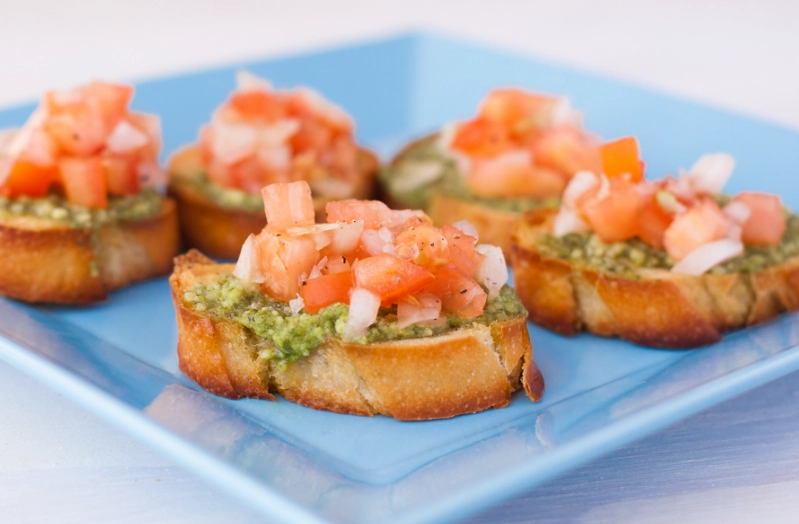
Related Articles
Real Italian Salad Recipes: Authentic Classics & Modern Twists

Paris Notes 10: Visiting Galeries Lafayette, more than half of the "saleswomen"
Traditional Italian Pasta Sauces: A Complete Guide to the Classics

Why did China Resources take over Tasly?
Easy Italian Appetizer Recipes for a Crowd: Make-Ahead & Crowd-Pleasing Ideas
Top 10 Italian Pasta Dishes: A Guide to Classics
Ultimate Guide to Homemade Italian Sausage Recipe (Sweet & Spicy)
The Ultimate Guide to Authentic Italian Meatballs: A Family Recipe
Italian Baked Dishes Recipes: From Classic Lasagna to Rustic Focaccia

The fourth wave of internationalization of global auto companies, how can China
Authentic Italian Pasta Recipes: A Complete Cooking Guide
Ground Italian Sausage Recipes: The Ultimate Guide for Easy & Flavorful Dinners
Ultimate Guide to Classic Italian Dessert Recipes from Tiramisu to Cannoli
Authentic Italian Cream Cake Recipe: Moist, Nutty & Irresistible
Authentic Italian Lasagna Recipe: The Ultimate Guide to Homemade Perfection
Easy Chicken Pasta Recipes for Busy Weeknights
Authentic Italian Pasta Salad Recipe: Easy & Flavorful
5 Traditional Italian Dishes: Authentic Recipes & Where to Try Them
Authentic Italian Pizza Dough Recipe: A Step-by-Step Guide
Italian Shrimp Recipes: From Classic Scampi to Modern Dishes
Mastering Italian Fish Recipes: From Classic to Coastal
Authentic Italian Chicken Cacciatore Recipe: A Hunter's Stew
Authentic Italian Beef Recipe: The Ultimate Chicago-Style Sandwich Guide
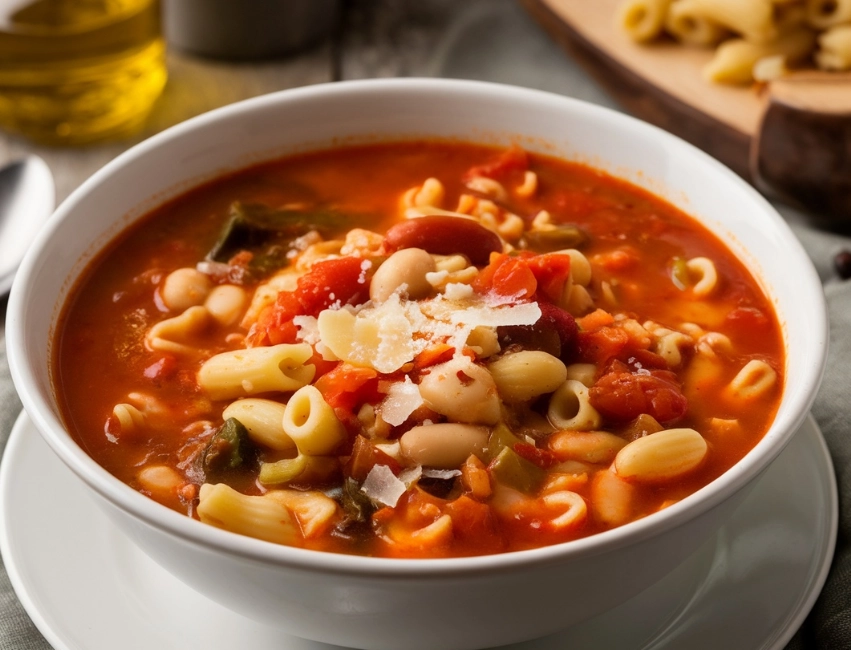
Italian Pasta e Fagioli Soup Recipe: Authentic & Easy
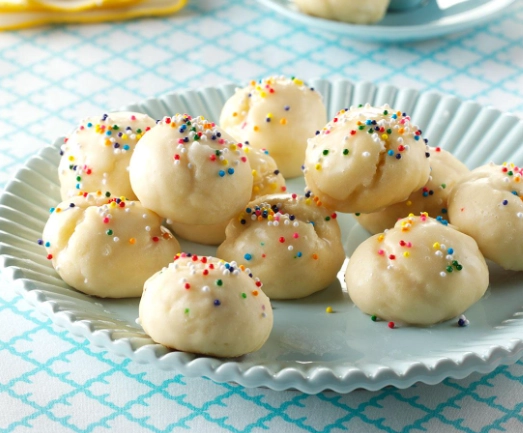
Authentic Italian Cookies Recipes: Classic Biscotti, Amaretti & More
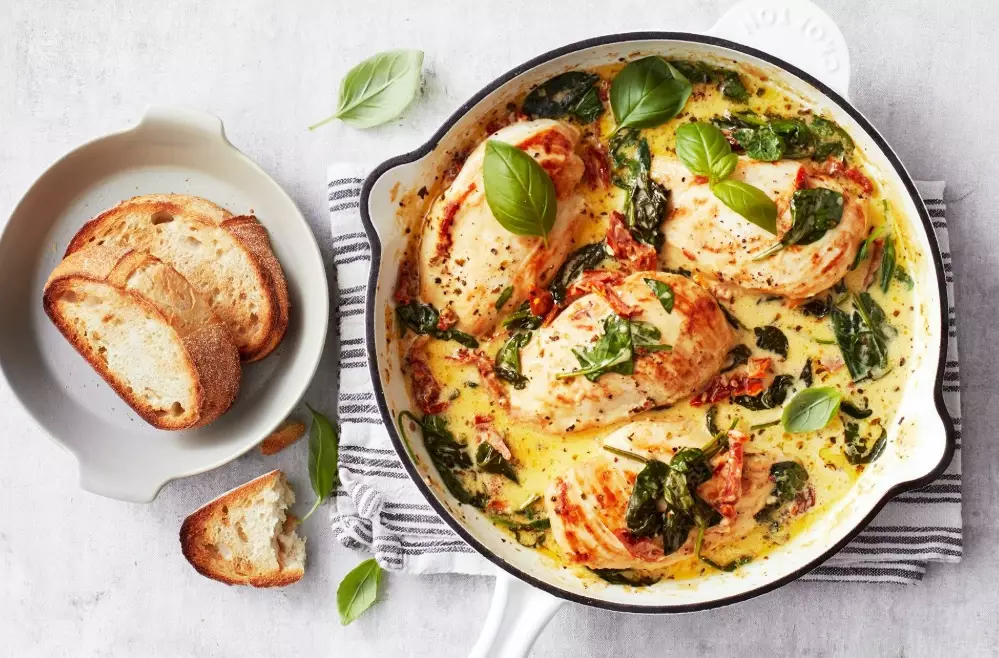
Authentic Italian Chicken Recipes: From Classic Pollo alla Cacciatora to Modern Favorites
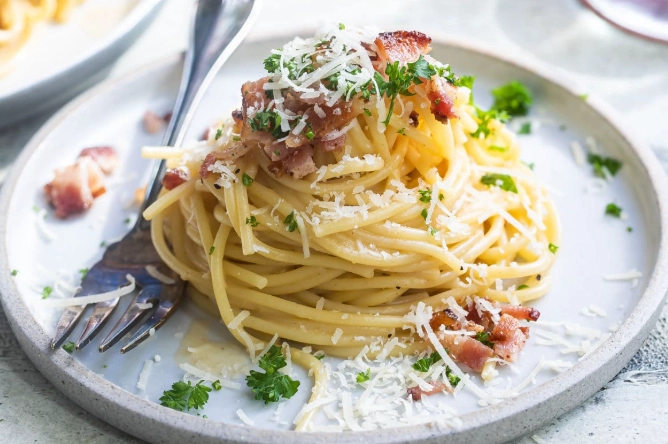
Authentic Italian Carbonara Recipe: The Only Guide You'll Ever Need

The medium-sized trap of Internet companies
Authentic Italian Dressing Recipe: Easy, Homemade & Better Than Store-Bought
Leave a Comment