Mastering Classic Italian Baked Dishes: Recipes & Secrets
You know the scene. A large, bubbling ceramic dish emerges from the oven, its surface golden and fragrant. The aroma of tomatoes, melted cheese, and herbs fills the kitchen. This is the magic of traditional Italian baked dishes—the ultimate comfort food that turns a meal into a gathering. But here's the thing I learned the hard way after years of cooking and eating in Italy: these dishes are deceptively simple. Everyone has a recipe for lasagna or eggplant parmesan, but the difference between a good one and a transcendent one lies in a handful of critical, often overlooked details.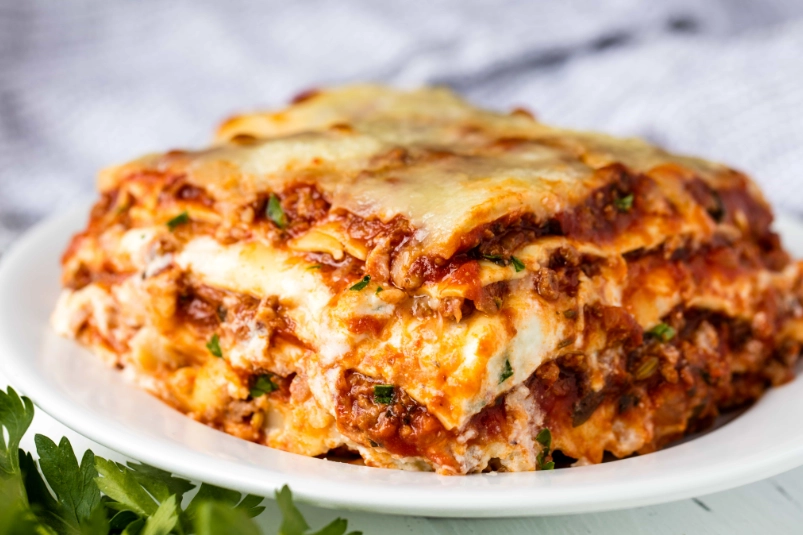
It's not just about layering ingredients. It's about understanding the soul of the dish. Is your baked pasta dry and bland? Does your eggplant turn soggy? You're not alone. These are the common battles in home kitchens. Today, we're going deep on three pillars of the Italian baked canon, moving beyond the basic recipe to the techniques that guarantee success every time.
Your Quick Guide to Baked Perfection
How to Make Authentic Lasagna Bolognese: A Step-by-Step Guide
Let's start with the king. Most recipes get the components right: ragù, besciamella (béchamel), pasta, parmesan. But the order and treatment of these components are where magic or mediocrity happens.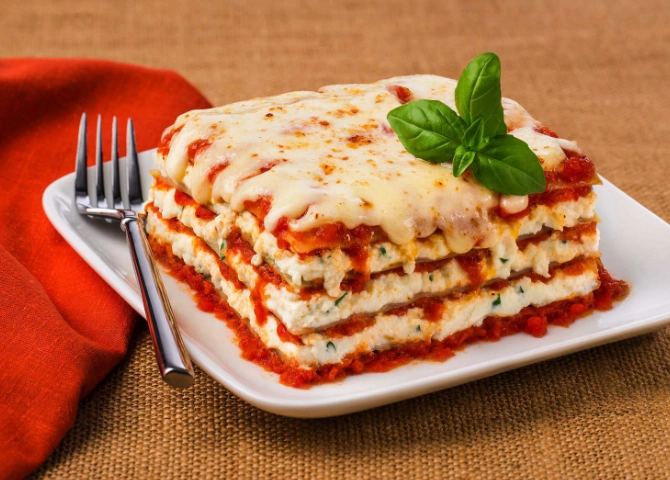
The first non-consensus point? Forget ricotta in a classic Lasagna Bolognese. In the Emilia-Romagna region, the home of this dish, besciamella is the white sauce of choice. Ricotta creates a grainy, dry texture. Besciamella, with its milk and butter, delivers creamy richness that marries with the ragù. My friend's nonna in Bologna nearly fainted when I mentioned ricotta.
The Ragù That Makes the Difference
You need a proper ragù. This isn't a quick 30-minute meat sauce. A true ragù Bolognese simmers for at least 2-3 hours. The base is a *soffritto* of finely chopped onion, carrot, and celery cooked slowly in olive oil until sweet. Then add a mix of ground beef and pork (or sometimes veal), let it brown, deglaze with white wine, add milk (yes, milk—it tenderizes the meat), then tomatoes. Let it bubble gently, partially covered. The result should be thick, deeply colored, and not swimming in liquid. According to the official recipe deposited with the Bologna Chamber of Commerce, these are the rules.
Assembly: The Layer Law
Another subtle error: over-saucing each layer. You want enough ragù to coat, not drown. Here's my tried-and-true structure for a 9x13 inch dish:
- Base: A thin smear of ragù on the bottom to prevent sticking.
- First Layer: Pasta sheets, then a moderate layer of ragù, a drizzle of besciamella, a sprinkle of Parmigiano-Reggiano.
- Repeat for 4-5 layers total. The key is restraint.
- Top Layer: Pasta sheets, then a generous blanket of besciamella, a final heavy snowfall of parmesan, and dots of butter.
Bake at 375°F (190°C) for about 30-40 minutes, covered with foil. Remove the foil for the last 10 minutes to get that iconic golden-brown top. Let it rest for 20 minutes before cutting. This rest is non-negotiable—it allows the layers to set so you get clean squares, not a sloppy slide.
Authentic Eggplant Parmesan (Parmigiana di Melanzane)
This southern Italian masterpiece is a victim of its own popularity. The international version is often a greasy, bread-crumbed, dense brick. The authentic version is lighter, brighter, and focuses on the eggplant.
The first critical choice: to salt or not to salt? Many insist on salting eggplant slices to draw out bitterness. With modern varieties, bitterness is less of an issue. But I still salt them for a different reason: it draws out water. Less water in the eggplant means it absorbs less oil when frying and results in a firmer, less mushy final texture. Lay the slices on a rack, salt both sides, let them sweat for 30-60 minutes, then pat them thoroughly dry.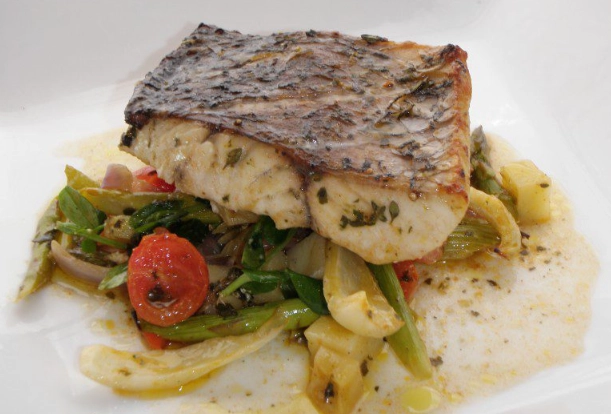
Frying vs. Baking
For the real deal, frying is traditional. It creates a delicious barrier and flavor. Use a light dusting of flour, not a heavy egg and breadcrumb batter. Fry in batches in good olive or vegetable oil until golden. Drain on paper towels. If you must bake for health reasons, brush the slices generously with oil and bake at 425°F (220°C) on racks until golden—they won't be as creamy but will still work.
The assembly is similar to lasagna but simpler: a layer of tomato sauce (a simple marinara), fried eggplant, torn pieces of fresh mozzarella or slices of *fior di latte*, grated pecorino or parmesan, and fresh basil. Repeat. The top gets sauce, cheese, and maybe a few breadcrumbs for crunch.
The Versatile Wonder: Pasta al Forno
This is the catch-all term for baked pasta, and it's where Italian home cooks truly shine. It's the ultimate clean-out-the-fridge, feed-a-crowd dish. The formula is flexible: short pasta + sauce + cheese + optional proteins/veg + more cheese on top.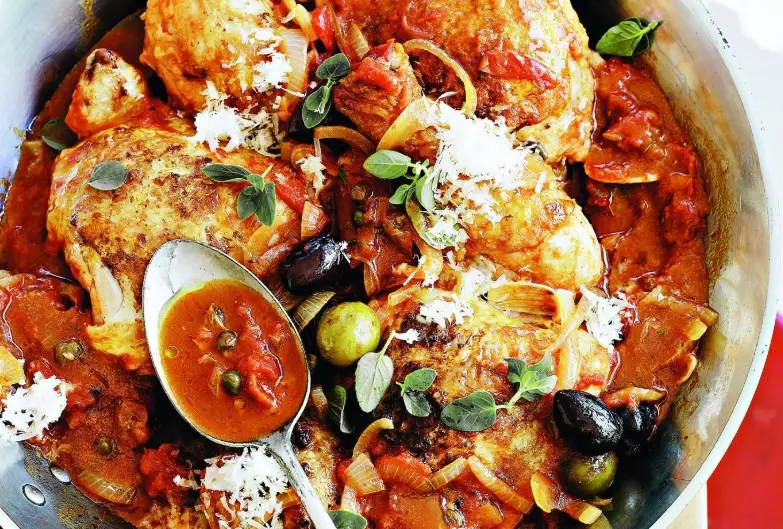
But the most common pitfall? Overcooking the pasta before it even goes in the oven. You must undercook the pasta by a significant margin—it should be very al dente, even a bit crunchy in the center. It will finish cooking and absorbing flavors in the oven. Boil it for about 2-3 minutes less than the package's al dente time.
Here’s a quick comparison of three classic *Pasta al Forno* variations to inspire you:
| Dish Name | Key Pasta Shape | Signature Sauce & Add-Ins | Cheese Topping |
|---|---|---|---|
| Pasta al Forno with Ragù | Rigatoni or Ziti | Hearty meat ragù, peas, sometimes hard-boiled eggs (in some regions) | Mozzarella cubes mixed in, Parmigiano on top |
| Baked Ziti (American-Italian) | Ziti | Tomato-based meat sauce or marinara, ricotta cheese layer | Mozzarella and Parmigiano |
| Timballo di Pasta (more formal) | Often small shapes like ditalini | Rich ragù, besciamella, mixed with meats and vegetables, sometimes encased in pastry | Varied, often a crust of cheese or breadcrumbs |
The process is straightforward: mix your undercooked pasta with most of your sauce and add-ins in a bowl. Pour into a buttered baking dish. Top with the remaining sauce and a generous layer of cheese. Bake at 400°F (200°C) until bubbly and browned on top, usually 20-25 minutes.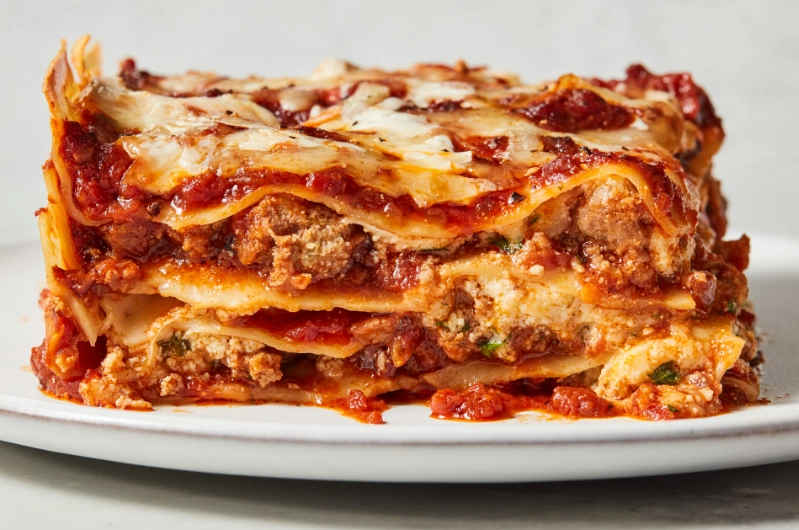
The Non-Negotiable Expert Tips for Any Baked Dish
These are the universal rules I've gathered from watching Italian home cooks and from my own (many) failures.
1. Season in Layers. Your ragù should be seasoned. Your besciamella should be seasoned. Your boiling pasta water should be salted like the sea. If you only salt at the end, the dish will taste flat.
2. The Rest is Part of the Recipe. I can't stress this enough. Taking a baked pasta dish straight from the oven to the table is a recipe for a soupy mess. Let it settle for 15-25 minutes. The flavors integrate, the structure firms up, and it won't burn everyone's mouth.
3. Quality of Cheese Matters. Parmigiano-Reggiano, not "parmesan" in a green can. Fresh mozzarella, not the low-moisture brick for pizza. The cheese is a primary flavor agent, not just a melty glue.
4. Acidity Balance. A long-baked tomato sauce can become overly sweet and concentrated. A tiny pinch of sugar can help balance acidity at the start, but if the finished dish still tastes a bit flat or too sweet, a light drizzle of good extra virgin olive oil or a few fresh basil leaves on the plate after baking can brighten it up instantly.
Your Baked Pasta Questions, Answered
Mastering these traditional Italian baked dishes is less about following a recipe to the letter and more about understanding the principles behind them. It's about the slow simmer, the careful layering, the quality of a few ingredients, and, most importantly, the patience to let it rest. Get these right, and you'll bring the heart of an Italian home kitchen to your table.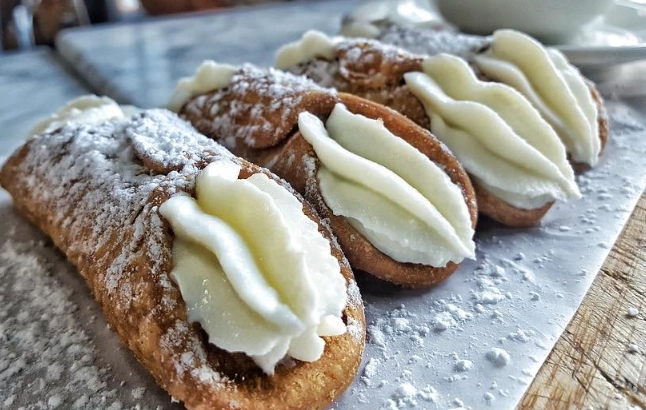
Related Articles
Vegetarian Food Guide: What to Eat in Italy
Authentic Italian Carbonara Recipe: The Only Guide You'll Ever Need

Sausage Dinner Ideas: What Meals Can I Make with Sausages?
Easy Italian Wedding Soup Recipe (Authentic Flavor, Simple Steps)
How to Assemble Italian Sliders: The Ultimate Guide for Perfect Party Food
Top 10 Italian Dishes You Must Try: Authentic Flavors Explained
Italian Sauce Recipe: Secrets from a Nonna's Kitchen

Tesla VS BYD: A new wave of insurance for electric car giants
Easy Chicken Pasta Recipes for Busy Weeknights
Authentic Spaghetti Carbonara Recipe: The Real Italian Method (No Cream!)

The fourth wave of internationalization of global auto companies, how can China
Homemade Italian Ice Recipe: Smooth, Grain-Free & Authentic
Authentic Carbonara Recipe: How to Make Traditional Italian Pasta
Classic Italian Bread Recipe: Authentic & Easy Homemade Loaf
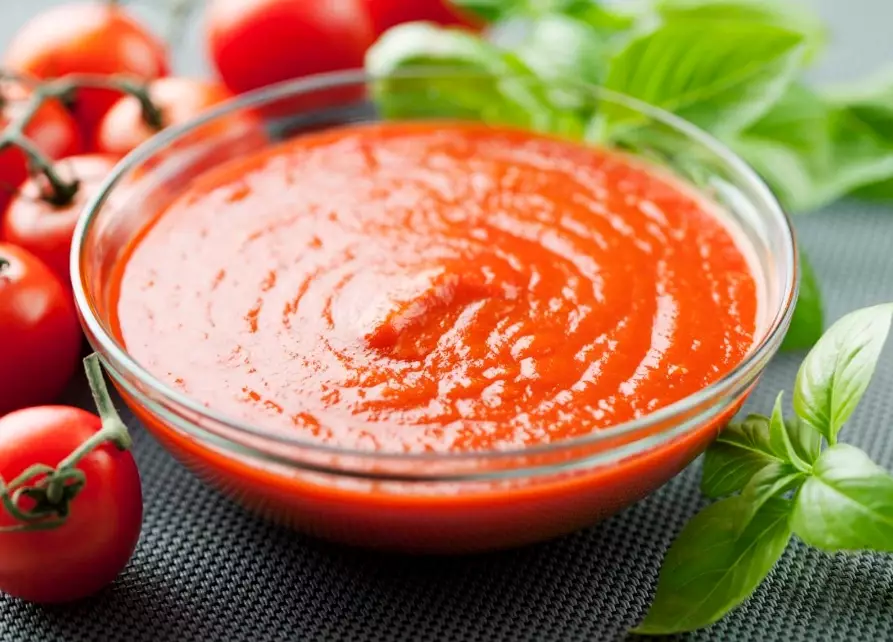
Authentic Italian Tomato Sauce Recipe: Secrets from a Home Cook
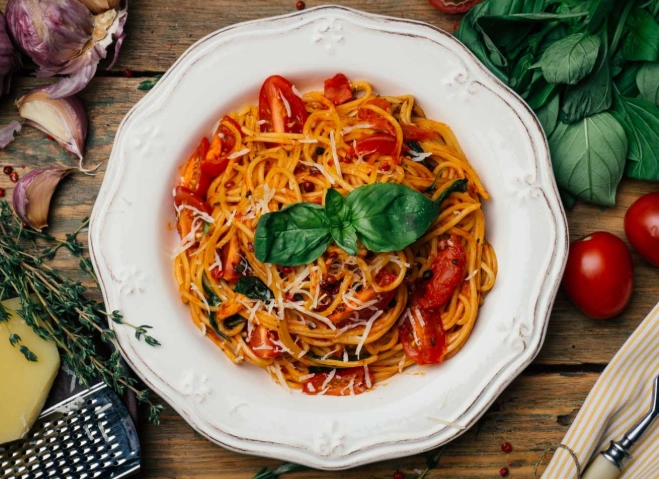
Italy's Most Traditional Dish: The Definitive Guide to Authentic Cuisine
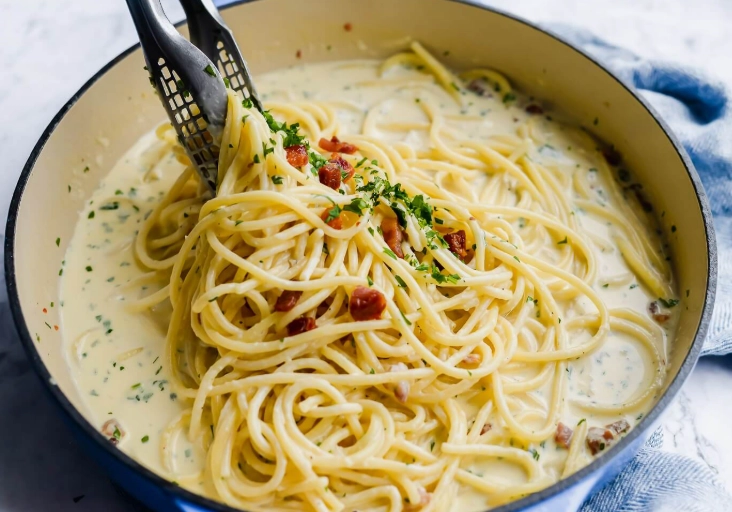
Authentic Carbonara Recipe (No Cream!): The Real Italian Way
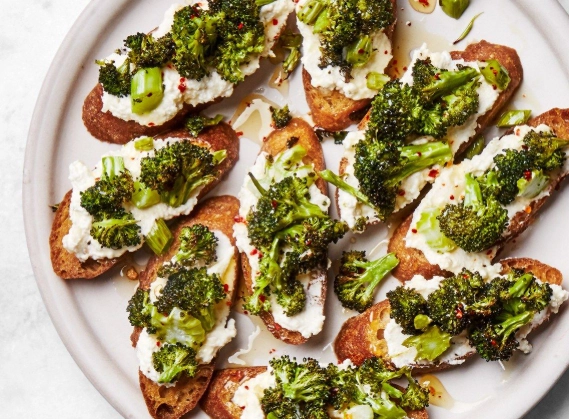
Easy Italian Appetizers: Simple Recipes & Party Platters
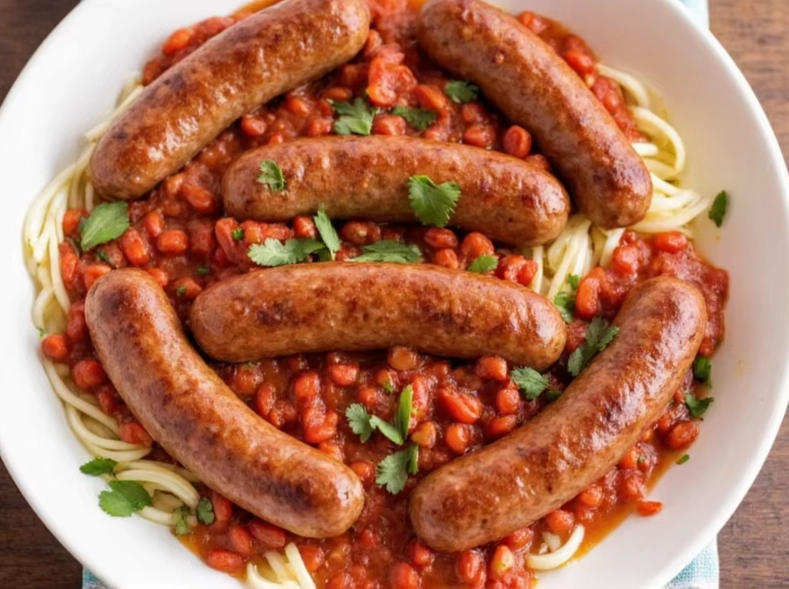
Ground Italian Sausage Recipes: The Ultimate Guide for Easy & Flavorful Dinners
Mastering Classic Italian Baked Dishes: Recipes & Secrets

Paris Notes 10: Visiting Galeries Lafayette, more than half of the "saleswomen"
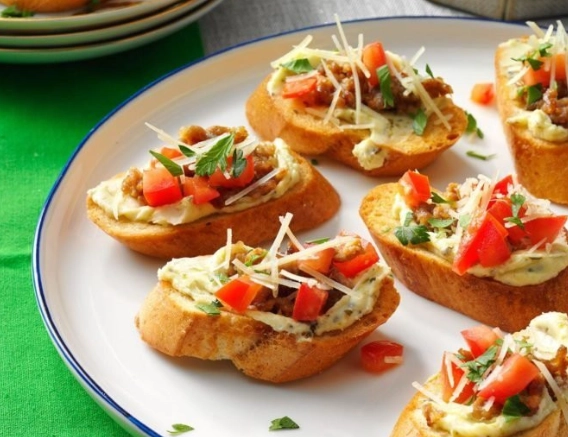
Authentic Italian Antipasti Recipes: A Guide to Traditional Appetizers

Best Italian Cocktails: From Classic Negroni to Modern Aperitivo
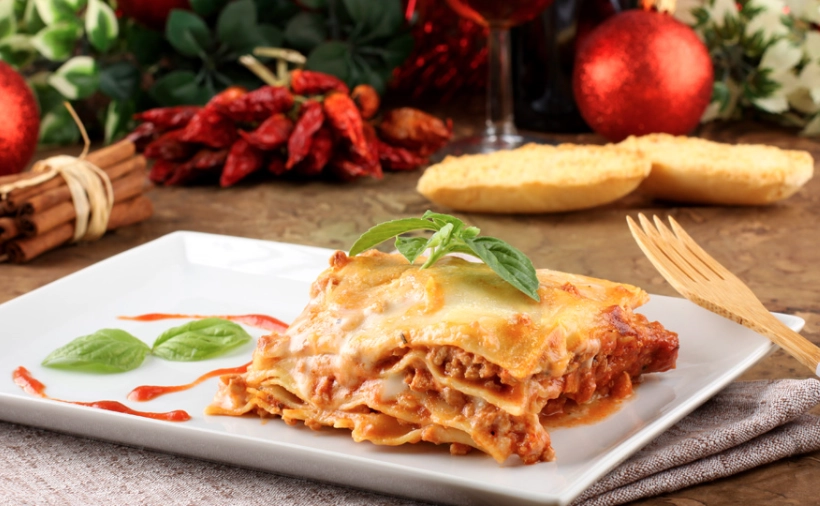
What to Cook for an Italian Christmas: The Ultimate Feast Guide
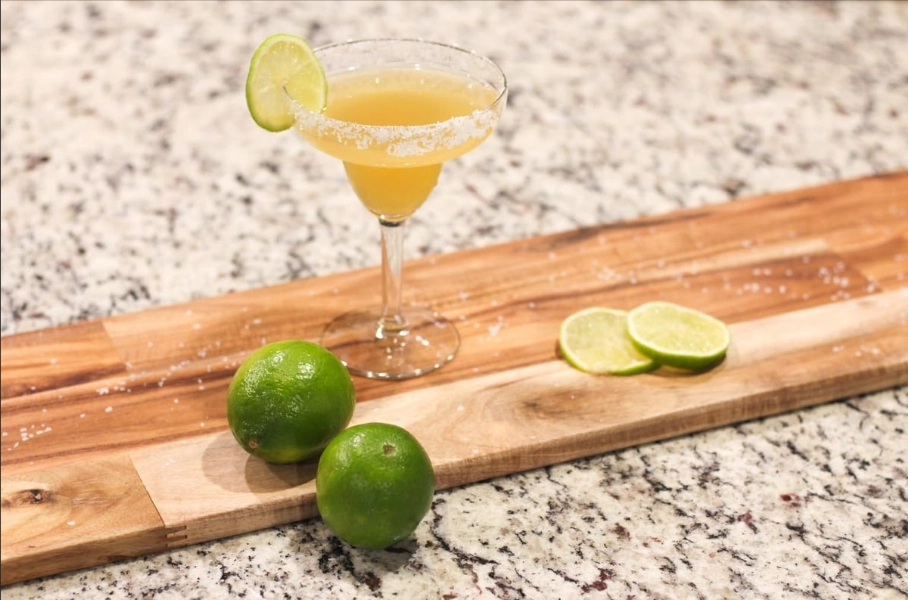
Ultimate Italian Margarita Recipe: How to Make the Perfect Amaretto Sour Twist
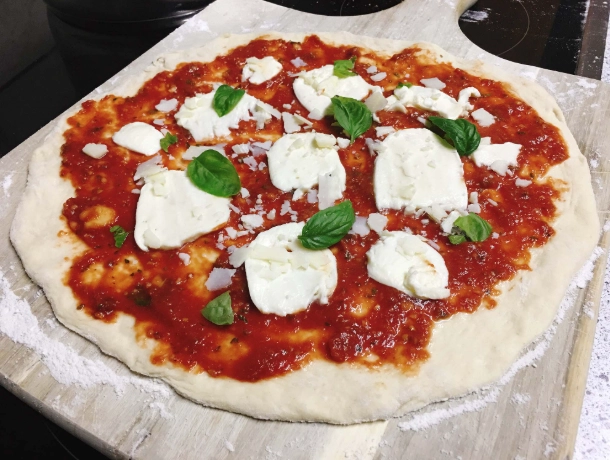
Authentic Italian Pizza Dough Recipe: A Step-by-Step Guide

Restarting private investment|"Caijing" special report
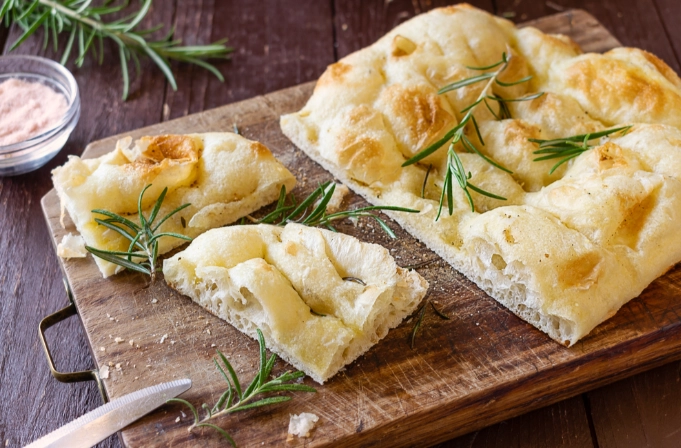
What Are the Most Popular Italian Appetizers? A Complete Guide to Antipasti
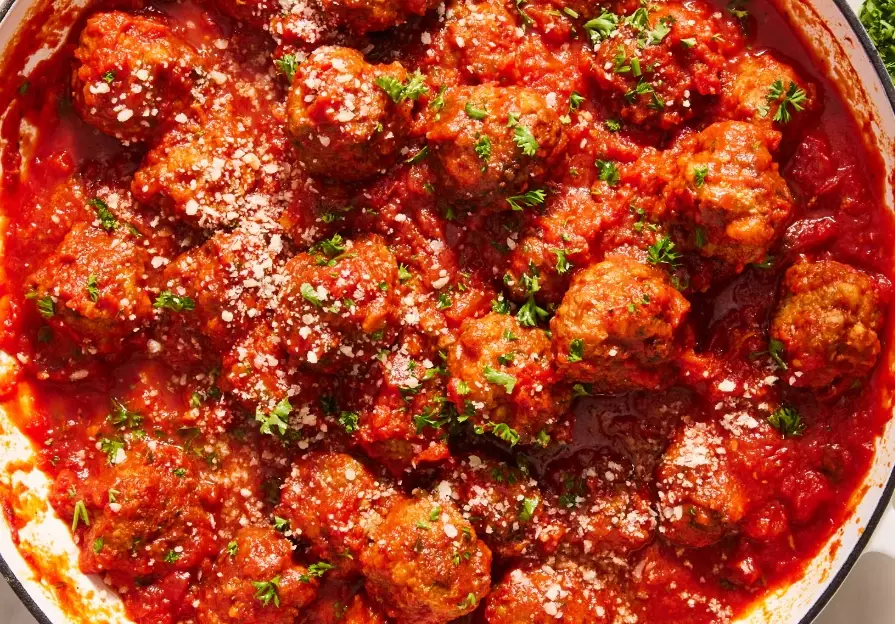
Authentic Italian Meatballs Recipe: Nonna's Secret for Tender & Flavorful Polpette
Leave a Comment