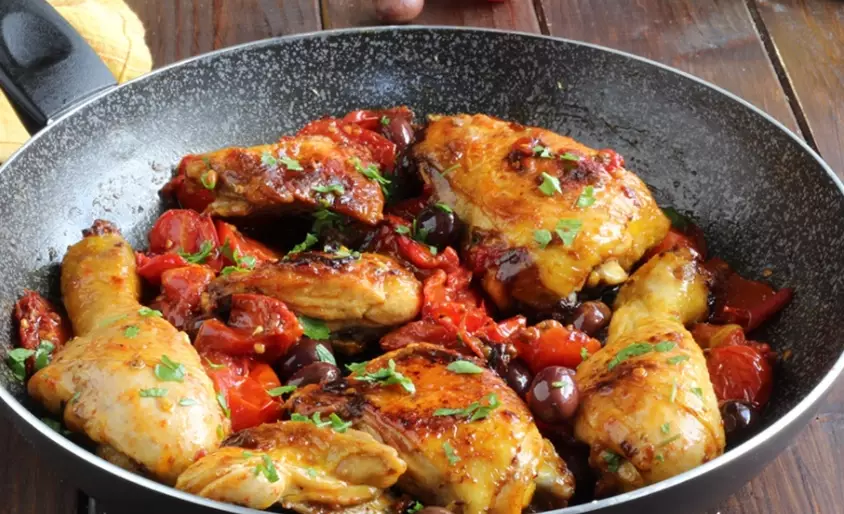
Crafting the Perfect Italian Catering Menu: Ideas & Expert Tips
Let's be honest. When you think "Italian catering," a few clichés probably pop up: giant trays of baked ziti, rubbery garlic bread, maybe a sad-looking salad. I've seen it all in my ten years planning events. But a truly good Italian catering menu? It's a symphony of flavors, textures, and smart planning that makes your event memorable for the right reasons. It's about balancing crowd-pleasers with authentic touches, managing costs without looking cheap, and ensuring the food is still fantastic after sitting on a buffet for an hour. That's the real challenge.
This guide isn't just a list of dishes. It's a blueprint for building an Italian menu that works, whether you're feeding fifty colleagues or two hundred wedding guests.
Your Menu Planning Roadmap
The Foundation: Principles of a Balanced Italian Menu
Think of your menu like a story. It needs a beginning (antipasti), a middle (primi and secondi), and a satisfying end (dolci). The rhythm matters.
Less is More. A huge mistake is offering ten pasta dishes. It overwhelms guests, skyrockets costs, and guarantees some dishes will be ignored and dry out. Pick three or four stellar main courses max. Variety comes from the supporting cast—vegetables, salads, breads.
Temperature is King. Italian food suffers when it's lukewarm. A good caterer has a plan for this: chafing dishes with tight lids, small-batch replenishment, or choosing dishes that hold well like braised meats (osso buco) or room-temperature salads (caprese).
Dietary Needs are Not an Afterthought. A "good" menu in 2024 is an inclusive one. You don't need a separate vegan/gluten-free buffet, but you do need thoughtful options woven in. A roasted vegetable lasagna with bechamel (no meat), a gluten-free pasta option served separately, and clearly labeled dishes are basics.
The Non-Negotiables: Must-Have Dish Categories
Break your menu down into these pillars. You don't need something from every single line, but hitting most will create a full experience.
Menu in Action: Templates for Different Events
1. The Flawless Corporate Lunch (90 minutes, 50 people)
Goal: Professional, efficient, no garlic bombs before afternoon meetings.
- Antipasti: Assorted Italian cheese & salumi board with grissini and mostarda.
- Primi: Two Pasta Stations: Penne with a light tomato-basil sauce (Pomodoro) and Farfalle with pesto & green beans. Both hold well and are not too heavy.
- Secondi/Contorni: Grilled Chicken Scaloppine with lemon sauce. Roasted seasonal vegetables and an Insalata Mista (mixed greens, simple vinaigrette).
- Dolci: Assorted biscotti and fresh fruit platter.
2. The Classic Wedding Reception (Sit-Down Dinner, 150 guests)
Goal: Elegant, timeless, allows for plated service.
- First Course (Plated): Burrata with heirloom tomatoes, basil oil, and balsamic reduction.
- Pasta Course (Plated): Choice of: Black Truffle Risotto or Ravioli filled with butternut squash and sage brown butter.
- Main Course (Plated): Duet Plate: Filet Mignon with a Barolo reduction and a Seared Branzino with lemon-caper sauce. Served with asparagus and creamy polenta.
- Dessert: Wedding cake, plus a late-night snack of mini margherita pizza slices (a huge hit).
3. The Casual Backyard Party (Buffet, 75 people)
Goal: Hearty, fun, interactive, kid-friendly.
- Antipasti: Build-your-own bruschetta bar with tomato, mushroom, and white bean toppings.
- Primi: Baked Ziti and a large Caesar salad with proper anchovy dressing.
- Secondi: Italian Sausage & Pepper heroes on crusty rolls, and Herb-Roasted Chicken Quarters.
- Contorni: Garlic knots (lots of them), Italian pasta salad.
- Dolci: Spumoni ice cream or cannoli.
Navigating the Budget: Cost vs. Quality
You can have amazing Italian catering on most budgets. The key is knowing where to invest and where to save.
Invest in: Quality proteins and cheese. Cheap parmesan tastes like salty sawdust. Real Parmigiano-Reggiano or Prosciutto di Parma makes a difference people can taste. For a reputable source on authentic Italian products, you can look into guides from the Italian Trade Agency. A great salad dressing. A vibrant, house-made vinaigrette elevates the simplest greens. Fresh herbs. Dried basil in a caprese salad is a crime.
Save on: Pasta itself. High-quality dried pasta (like De Cecco or Rummo) is perfect for catering and often better than fresh for sauced dishes. Save fresh pasta for a single featured ravioli. Bulk sides. Roasted potatoes or sautéed seasonal greens are cost-effective and satisfying. Dessert presentation. Serve tiramisù in a large tray instead of 150 individual glasses.
What Most People Get Wrong (And How to Fix It)
I've catered over 300 events. Here are the subtle errors I see constantly.
Mistake 1: The "Everything" Buffet. Too many choices lead to decision fatigue, food waste, and mediocre quality across the board. Fix: Curate a tight, excellent menu. 3 appetizers, 2 pastas, 2 mains, 2 sides. Done.
Mistake 2: Ignoring the Bread. Stale, cold, or flimsy bread is an awful start. Fix: Demand warm, crusty bread served in baskets lined with linen (not dumped in a pile). Have good olive oil for dipping.
Mistake 3: Not Planning the Flow. A single, long buffet line for 200 people creates a 45-minute wait. Fix: Create duplicate stations (two pasta stations, two salad stations) or design a circular "food island" layout to disperse the crowd.
Mistake 4: Forgetting the Vegetarian Protein. A plate of pasta and salad is not a meal for your vegan guest. Fix: Include a substantial plant-based option like a lentil & walnut "meatball" or a stuffed portobello mushroom.
Your Italian Catering Questions, Answered
How far in advance should I finalize my Italian catering menu?
Lock in your caterer and menu at least 2-3 months before a major event like a wedding. For corporate events, 4-6 weeks is usually sufficient. The final guest count and minor tweaks can often be made 7-10 days out. Booking late limits your menu choices and can incur rush fees.
What's one Italian dish that's surprisingly bad for large catering?
Spaghetti. It's a nightmare. It clumps together in a chafing dish, becomes overcooked and mushy, and is messy to serve. Always opt for short, sturdy pasta shapes for buffets: penne, rigatoni, farfalle, or fusilli. They hold sauce better and stay al dente longer.
I'm on a tight budget. What's the most impactful single dish I can spend on?
Put your money into an incredible antipasto spread. A beautiful, abundant display of quality cheeses, cured meats, marinated vegetables, and olives makes people feel welcomed and indulged from the start. It's visually impressive, caters to many diets, and sets a tone of generosity, even if your mains are simpler, cost-effective choices like a baked pasta or roasted chicken.
How do I handle gluten-free guests with an Italian menu?
Don't just offer a gluten-free pasta tossed with plain marinara—that's hospital food. Work with your caterer to prepare a separate batch of gluten-free pasta (like those from Jovial or Barilla) with the same delicious sauces you're serving everyone. Also, ensure several naturally gluten-free dishes are prominent and clearly labeled: the antipasto meats/cheeses (check labels), roasted meats, grilled vegetables, polenta, and most salads (watch the dressing). Cross-contamination is a real concern, so ask about their preparation practices.
What's a good ratio of vegetarian to meat dishes for a mixed crowd?
Aim for at least 30-40% of your main dishes to be substantial vegetarian options. For example, if you have three main offerings, one should be a dedicated vegetarian entree (e.g., Eggplant Parmigiana, Mushroom Risotto), and the other two should have strong vegetarian components (e.g., a pasta with a vegetable-based sauce, sides that can stand alone). This isn't just for vegetarians; many people simply prefer to eat less meat.
Related Articles
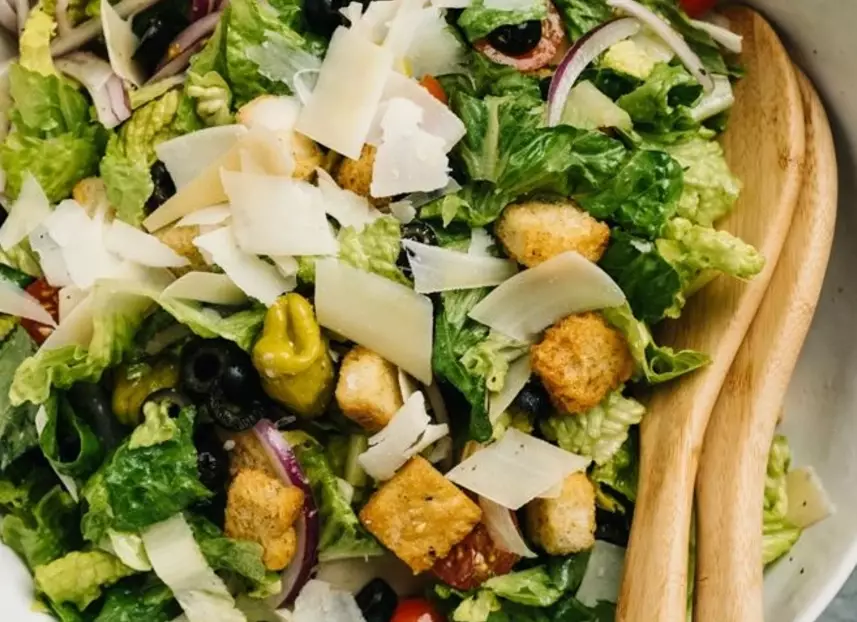
Italian Salad Recipe: Authentic, Easy & Delicious Step-by-Step Guide
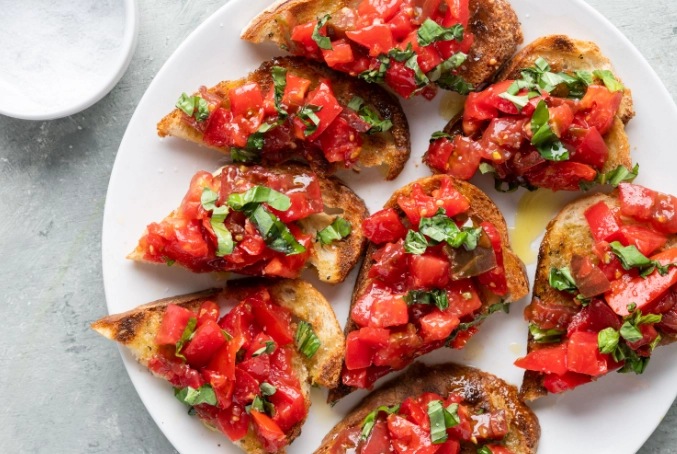
Authentic Italian Bruschetta Recipe: The Only Guide You'll Ever Need
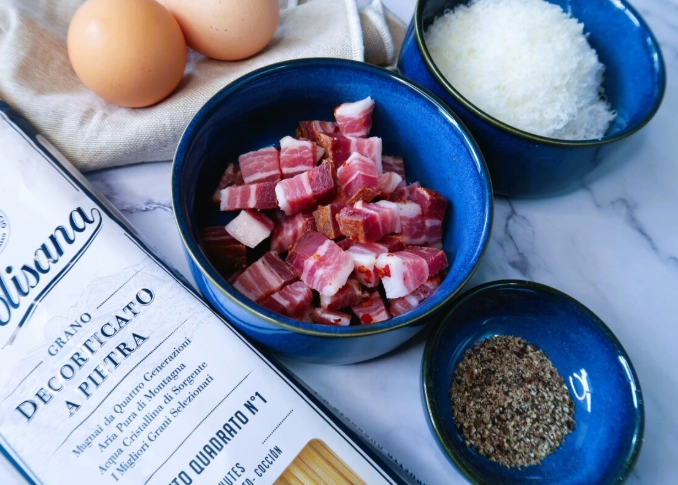
The 4 Essential Carbonara Ingredients (No Cream Recipe)
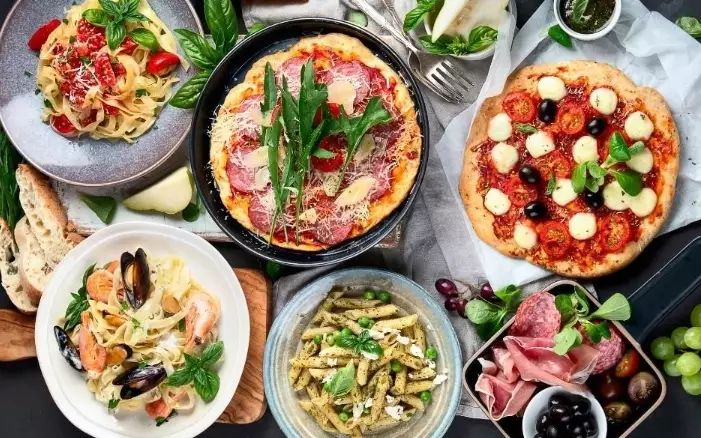
A Guide to Italy's Classic Dishes: Pasta, Pizza & More
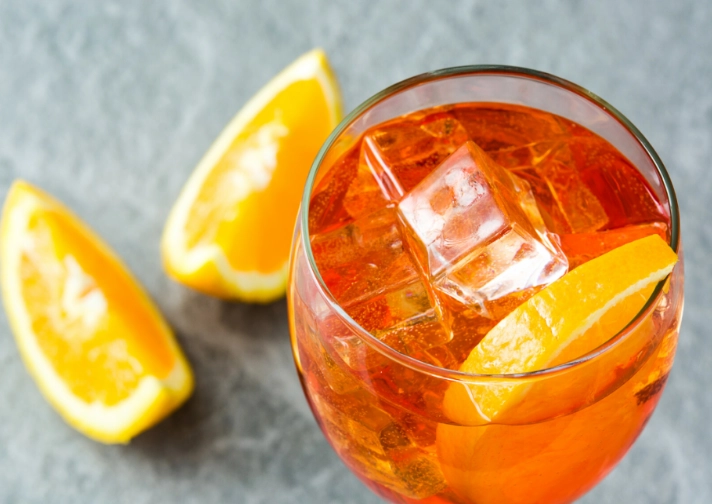
Simple Italian Cocktail Recipes: Easy Classics & Modern Twists