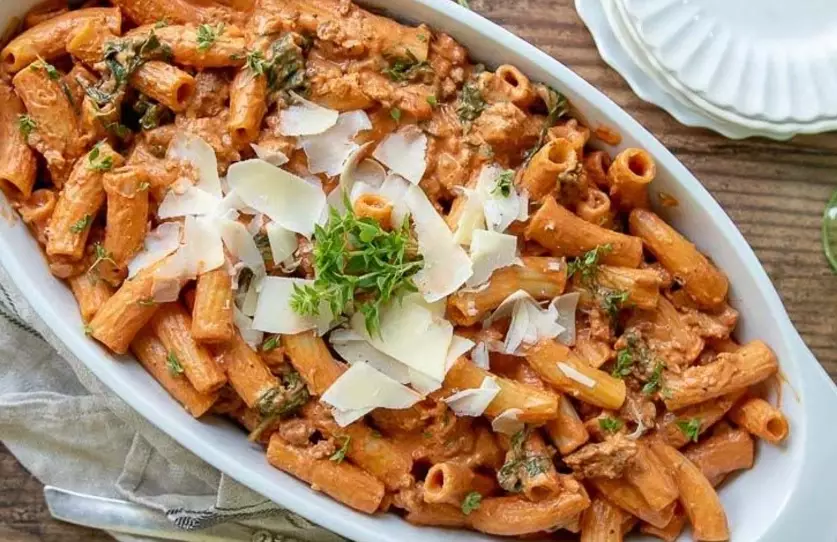
Cheap and Easy Italian Recipes: 10 Dishes That Won't Break the Bank
Let's get something straight. The idea that authentic Italian cooking requires expensive ingredients or hours at the stove is a myth. I've spent years cooking, eating my way through Italy, and teaching classes. The heart of Italian home cooking, the cucina povera ("poor kitchen") tradition, is all about making incredible food from humble, affordable staples. That's the spirit we're bringing to your kitchen today.
Forget fancy restaurants. We're talking about the kind of food Italian nonnas make on a Tuesday night. It's about big flavors, not big bills.
What You'll Find Inside
The 3 Non-Negotiable Rules for Budget Italian Cooking
Before we get to the recipes, you need the mindset. Skip this, and you'll just be making expensive mistakes.
Rule 1: Your Pantry is Your Best Friend. Build it slowly. A great extra virgin olive oil for finishing, a cheap neutral oil for cooking, tinned tomatoes (whole San Marzano are ideal, but any good brand works), dried pasta (De Cecco, Barilla, or a store brand is fine), dried beans (cannellini, lentils), rice (Arborio for risotto), garlic, onions, and a block of Parmigiano-Reggiano or Pecorino Romano. The cheese seems pricey upfront, but a microplane grater makes it last forever and the flavor is irreplaceable.
Rule 2: Herbs are Everything. You don't need a windowsill garden. Start with dried oregano, basil, and red pepper flakes. A small fresh basil plant costs less than a coffee and will transform a simple tomato sauce. Rosemary and thyme are hardy and last weeks.
Rule 3: Technique Over Ingredients. The biggest mistake I see? Rushing. Sautéing onions until they're truly soft and sweet, not just translucent, takes 10-15 minutes. Letting a simple sauce simmer for 30 minutes instead of 5 melds the flavors. This costs you nothing but a bit of patience and makes all the difference.
Pasta Night, Sorted: 4 Can't-Mess-Up Recipes
Pasta is the ultimate cheap and easy Italian meal. But let's move beyond jarred sauce.
1. Aglio e Olio (Garlic and Oil)
This is the ultimate 10-minute pantry meal. It's also where most people fail by burning the garlic.
How to Nail It:
- Cook spaghetti in well-salted water.
- In a large pan, gently heat a generous 1/3 cup of olive oil with 4-5 thinly sliced garlic cloves and a big pinch of red pepper flakes. Keep the heat low. You want the garlic to barely sizzle and become fragrant and pale gold, not brown and bitter. This takes about 5 minutes.
- Reserve a cup of pasta water before draining. Toss the drained pasta directly into the garlic oil with half the water. Stir vigorously. The starch in the water emulsifies with the oil to create a silky sauce. Add more water if needed.
- Off heat, toss with a handful of chopped parsley and a squeeze of lemon if you have it.
2. Cacio e Pepe (Cheese and Pepper)
It sounds simple. It's notoriously tricky because the cheese can clump. The secret isn't more fat, it's temperature control.
Use Pecorino Romano, finely grated. Cook your pasta (tonnarelli or spaghetti). In a separate bowl, mix the grated cheese with a few tablespoons of cold water to make a thick paste. When the pasta is done, transfer it directly to a large, warm (not hot) bowl with a splash of the starchy water. Add the cheese paste and lots of coarsely ground black pepper. Toss like your dinner depends on it, adding tiny splashes of pasta water until it becomes a creamy, cohesive sauce. The bowl shouldn't be piping hot, or the cheese will seize.
3. Pasta alla Puttanesca
A flavor bomb from pantry staples. Sauté 3 minced garlic cloves and 4 anchovy fillets (don't knock it—they melt into a salty, umami base) in oil until fragrant. Add a 28-oz can of crushed tomatoes, a handful of pitted Kalamata olives, 2 tbsp capers, and red pepper flakes. Simmer 15 minutes. Toss with cooked spaghetti. No cheese needed.
4. One-Pan Tomato Basil Cream Pasta (The "Lazy Night" Winner)
This breaks the "never cook pasta in the sauce" rule, and it's glorious for it. In a deep skillet, combine 12 oz of short pasta (penne, rigatoni), 3 cups of water or broth, a 14-oz can of diced tomatoes, 1 chopped onion, 3 minced garlic cloves, 2 tbsp olive oil, salt, and pepper. Bring to a boil, then simmer for 12-15 minutes, stirring often, until pasta is al dente and liquid is absorbed. Stir in 1/2 cup of heavy cream or mascarpone and a handful of fresh basil. Dinner is done, and you only dirtied one pan.
Beyond the Noodle: Hearty Soups & Main Dishes
When you need something more substantial.
Ribollita (Tuscan Bread Soup)
This is peasant food at its finest—a thick, hearty soup that gets better the next day (ribollita means "reboiled"). Sauté onion, carrot, celery, and garlic. Add a can of cannellini beans (drained), a bunch of chopped kale or cavolo nero, and a 14-oz can of tomatoes. Cover with vegetable broth and simmer for 30 minutes. Tear in several slices of stale, crusty bread and cook for another 10 minutes until thick. Serve with a drizzle of good oil. It's a complete, filling meal.
Chicken Piccata, Simplified
Skip the fussy pounding. Cut 2 chicken breasts into 1-inch strips. Dredge lightly in flour seasoned with salt and pepper. Brown quickly in a pan with olive oil, about 2-3 minutes per side. Remove. In the same pan, add 1/2 cup of chicken broth, the juice of a lemon, and 2 tbsp of capers. Scrape up the browned bits. Let it reduce for 3 minutes. Return chicken to the pan, heat through. Finish with a pat of butter and parsley. Serve with rice or a simple salad.
Sausage and Pepper Sandwiches
An Italian-American classic that's impossible to mess up. Prick 4-6 sweet or hot Italian sausages. Brown them in a large skillet, then remove. In the same fat, sauté 2 sliced onions and 3 sliced bell peppers (mixed colors) until very soft, about 15 minutes. Add a splash of water or wine to scrape up bits. Return sausages to the pan, cover, and simmer on low for 20 minutes until everything is tender. Pile into hoagie rolls. That's it.
A Sweet (and Cheap) Finish
You don't need tiramisu.
Affogato: Literally "drowned." Place a scoop of the best vanilla ice cream you can afford in a cup. Pour a shot of hot espresso over it. It's sophisticated, takes 30 seconds, and costs pennies per serving if you make coffee at home.
Pan-fried Fruit with Honey: Slice peaches, pears, or apples. Melt a tablespoon of butter in a pan, add the fruit and a sprinkle of sugar. Cook until caramelized and soft. Drizzle with honey and a pinch of cinnamon. Serve with a dollop of ricotta or mascarpone if you're feeling fancy.
Your Italian Cooking Questions, Answered
Related Articles

The scale of securities lending and securities lending has dropped by more than

Top 10 Italian Cookies: A Guide to Italy's Sweetest Treats
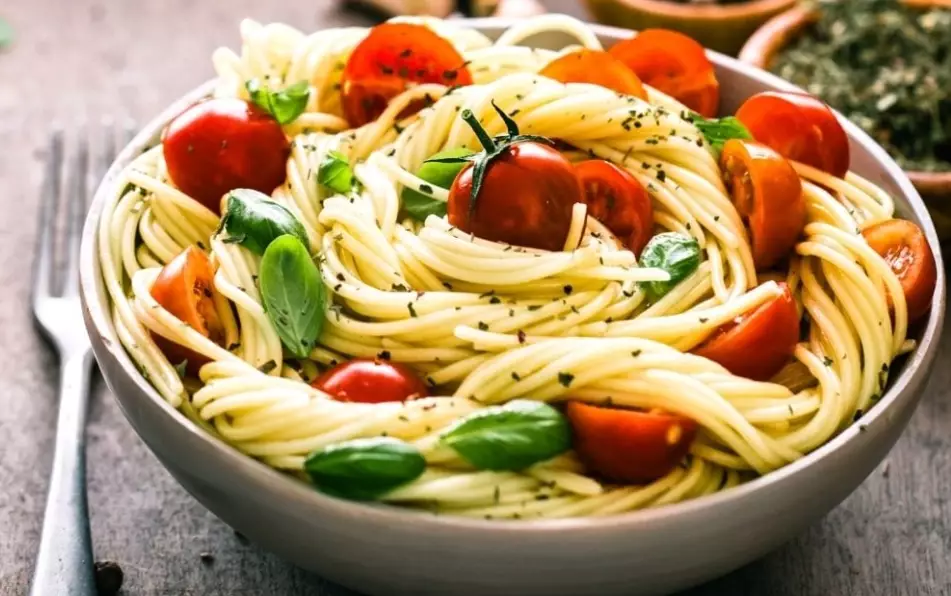
Top 10 Italian Dishes Veg: Best Vegetarian Pasta & Mains Guide

What Are Italian Cookies? A Guide to Classic Types and Recipes
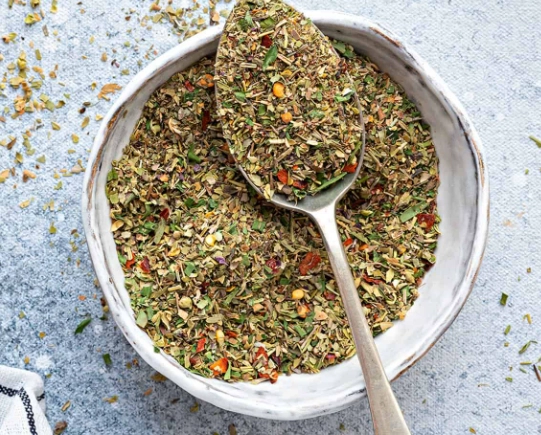
Italian Seasoning Substitutes: 8 Easy DIY Blends & Alternatives