Top 10 Pasta Dishes: Must-Try Italian Classics & Expert Tips
Pasta is more than just food—it's a global obsession. But with hundreds of varieties, what are the top 10 pasta dishes that truly stand out? After cooking Italian food for over a decade and eating my way through Italy, I've compiled a definitive list based on flavor, cultural impact, and sheer deliciousness. Let's cut to the chase: here are the must-try pasta dishes, ranked for your next meal.
Jump to What Interests You
What Makes a Pasta Dish Truly Great?
It's not just about taste. A top-tier pasta dish balances simplicity, quality ingredients, and tradition. Think about it: the best ones often have fewer than five components. Take Spaghetti Aglio e Olio—just garlic, oil, chili, and parsley. Yet, when done right, it's magical. I learned this the hard way when I overcooked the garlic in my early attempts, turning it bitter. The key is respecting the basics: al dente pasta, fresh produce, and timing. According to the Italian Culinary Institute, authenticity stems from regional recipes passed down for generations. So, when judging these dishes, I considered origin stories, versatility, and that "wow" factor.
The Top 10 Pasta Dishes: Ranked and Explained
Here's my ranked countdown, from iconic to underrated gems. I've included where to try them in Italy (if you're planning a trip) and quick cooking notes.
| Rank | Dish Name | Key Ingredients | Origin Region | Classic Spot to Try |
|---|---|---|---|---|
| 1 | Spaghetti Carbonara | Eggs, Pecorino Romano, guanciale, black pepper | Lazio (Rome) | Roscioli in Rome—pricey but worth it at €18 per plate. |
| 2 | Lasagna alla Bolognese | Ragù, béchamel, Parmigiano-Reggiano, pasta sheets | Emilia-Romagna | Trattoria Anna Maria in Bologna; closes at 10 PM, no reservations needed. |
| 3 | Pesto Genovese | Basil, pine nuts, Parmigiano, Pecorino, garlic, olive oil | Liguria | Pesto at Il Genovese in Genoa—they grind it fresh daily. |
| 4 | Ravioli di Ricotta e Spinaci | Ricotta, spinach, butter, sage | Lombardy | Antica Osteria del Ponte near Milan; book ahead for their handmade version. |
| 5 | Penne all'Arrabbiata | Tomato, garlic, chili, parsley | Lazio | Da Enzo al 29 in Rome; spicy kick, budget-friendly at €12. |
| 6 | Fettuccine Alfredo | Butter, Parmigiano, pasta water | Lazio (modern twist) | Alfredo alla Scrofa in Rome—the original spot, though some find it too rich. |
| 7 | Linguine alle Vongole | Clams, garlic, white wine, parsley | Campania | Ristorante Da Michele in Naples; open noon-4 PM, cash only. |
| 8 | Tortellini in Brodo | Meat-filled pasta, capon broth | Emilia-Romagna | Trattoria del Rosso in Bologna; perfect for winter, €15 a bowl. |
| 9 | Cacio e Pepe | Pecorino Romano, black pepper, pasta water | Lazio | Felice a Testaccio in Rome; go early to avoid lines. |
| 10 | Orecchiette con Cime di Rapa | Broccoli rabe, anchovies, garlic | Puglia | Osteria del Tempo Perso in Lecce; rustic and earthy, €14. |
Now, let's dive deeper into each one. I'll share a personal tip for each—something most recipes don't tell you.
Top 1: Spaghetti Carbonara
Carbonara is the king of pasta for a reason. Creamy without cream, thanks to emulsified eggs and cheese. The biggest mistake? Using bacon instead of guanciale (cured pork cheek). Guanciale has a fattier, more delicate flavor. I once made it with bacon for friends, and they said it tasted "off"—lesson learned. In Rome, at Roscioli, they serve it slightly runny, which is traditional. At home, take the pan off heat before adding eggs to avoid scrambling. Serve immediately.
Top 2: Lasagna alla Bolognese
This isn't your average layered pasta. Authentic Bolognese lasagna uses green spinach pasta sheets and a slow-cooked ragù. I spent a week in Bologna learning from a local nonna who insisted on simmering the ragù for 5 hours. Skip the mozzarella—it's all about béchamel and Parmigiano. If you're short on time, a good ragù from the Italian food authority Gambero Rosso recommends a 3-hour minimum. Freezes beautifully for meal prep.
Top 3: Pesto Genovese
Pesto should be vibrant green, not brown. The secret? Crush basil leaves in a marble mortar to avoid oxidation. I tried a blender once, and it turned bitter. In Genoa, they use a specific basil variety called "Basilico Genovese." Pair it with trofie pasta for authenticity. At Il Genovese, they add a potato and green beans to the boiling water—a regional trick to thicken the sauce.
Top 4: Ravioli di Ricotta e Spinaci
Delicate pillows of joy. The filling must be dry; squeeze out all spinach water to prevent sogginess. I learned this after a disastrous batch that fell apart. Butter and sage sauce should be golden, not burnt. In Lombardy, they often add a pinch of nutmeg. For a quick version, use wonton wrappers—but purists might frown.
Top 5: Penne all'Arrabbiata
"Arrabbiata" means angry, referring to the chili heat. Use fresh chilies, not flakes, for a brighter kick. In Rome, they keep it simple: tomatoes, garlic, and parsley. Don't overcook the garlic—sauté until fragrant only. Da Enzo al 29 adds a splash of pasta water to create a silky coating. Great for a weeknight dinner; ready in 20 minutes.
Top 6: Fettuccine Alfredo
Contrary to popular belief, Alfredo sauce has no cream. It's just butter, cheese, and starchy water. The original at Alfredo alla Scrofa in Rome is surprisingly light. My take? Use high-quality Parmigiano Reggiano and toss vigorously to emulsify. Many American versions are too heavy; I find them cloying. Perfect for kids or picky eaters.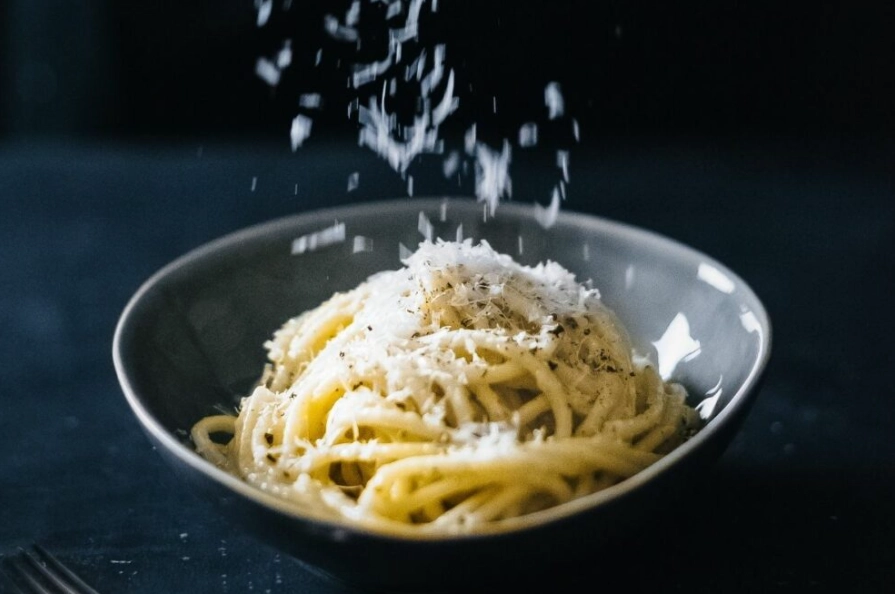
Top 7: Linguine alle Vongole
Clam pasta screams freshness. Use live clams, and discard any that don't open. In Naples, they add a touch of chili for depth. White wine should be dry, like Pinot Grigio. I messed up once by adding cream—never again. Ristorante Da Michele serves it with a briny broth that's perfect for dipping bread. Pair with a crisp white wine.
Top 8: Tortellini in Brodo
Comfort food at its finest. The broth is key—simmer capon or chicken bones for hours. In Emilia-Romagna, tortellini are tiny, filled with prosciutto and mortadella. I once used store-bought broth, and it lacked depth. Trattoria del Rosso makes their broth from scratch daily. Serve as a primo (first course) in Italy.
Top 9: Cacio e Pepe
Another Roman staple that's deceptively hard. The cheese can clump if you don't use enough pasta water or add it off heat. Toast black pepper in a pan first to release oils. Felice a Testaccio in Rome uses a special mixing technique—swirl the pasta in a bowl with sauce. At home, practice makes perfect. Avoid pre-grated cheese; it has anti-caking agents that ruin the texture.
Top 10: Orecchiette con Cime di Rapa
An earthy, bitter dish from Puglia. Blanch the broccoli rabe to reduce bitterness. Anchovies melt into the sauce, adding umami. I disliked it at first, but after trying it in Lecce, I appreciated the balance. Orecchiette means "little ears," perfect for holding sauce. Osteria del Tempo Perso adds a squeeze of lemon at the end—a game-changer.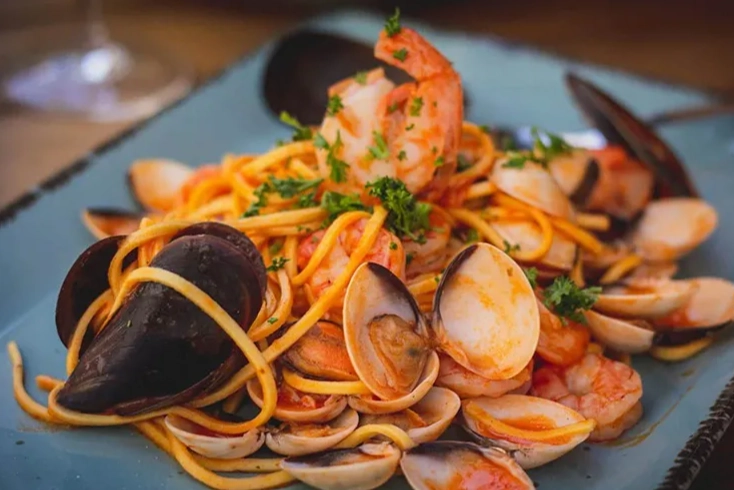
How to Cook Pasta Like an Italian Nonna
Forget the package instructions. Here's my battle-tested method, honed from years of trial and error.
First, salt your water like the sea—about 1-2 tablespoons per liter. This seasons the pasta from within. Don't add oil; it prevents sauce from sticking. Boil vigorously before adding pasta.
Second, cook al dente. Taste a minute before the suggested time. The pasta should have a slight bite. Reserve a cup of starchy pasta water before draining—it's liquid gold for sauces.
Third, sauce in the pan. Never rinse pasta after draining. Instead, toss it directly in the sauce over low heat. Add pasta water gradually to emulsify. I learned this from an old chef in Sicily who said, "Pasta should marry the sauce."
Finally, serve immediately. Pasta waits for no one. Use warm plates to keep it hot.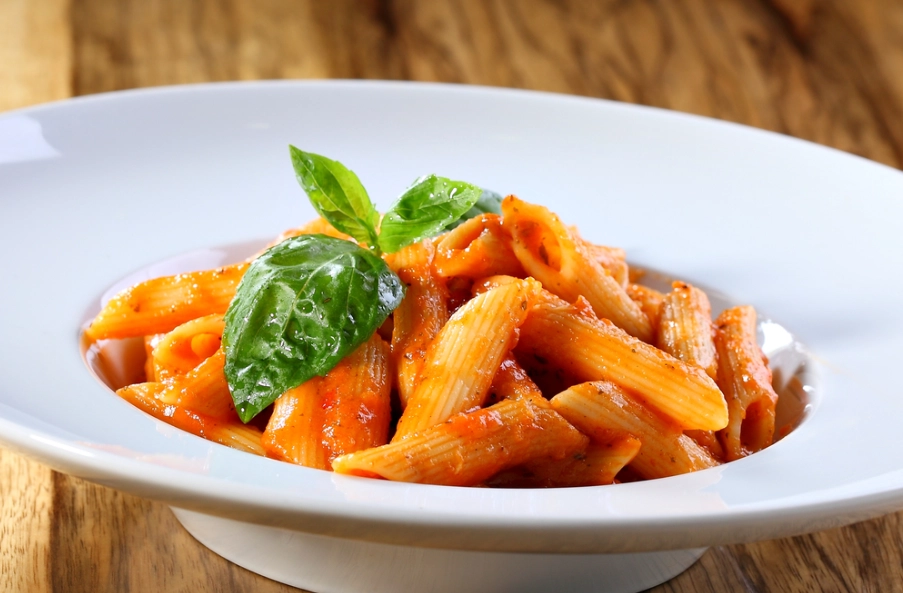
5 Pasta Mistakes Even Experienced Cooks Make
I've seen these errors in home kitchens and restaurants alike. Avoid them to level up.
- Overcooking garlic: Garlic burns in seconds. Sauté on medium-low until fragrant, not brown. Burnt garlic turns bitter and ruins the dish.
- Using pre-grated cheese: It contains cellulose, which prevents melting. Always grate Parmigiano or Pecorino fresh. The difference in creaminess is night and day.
- Skipping pasta water: That starchy water binds sauce to pasta. Without it, sauces slide off. I add a splash even to oil-based sauces.
- Mixing cheese with seafood: In Italian cuisine, never add cheese to seafood pasta (e.g., linguine alle vongole). It overpowers the delicate flavors. A common faux pas I've made myself.
- Crowding the pan: When sautéing ingredients, give them space. Overcrowding steams instead of browns. Cook in batches if needed.
These might seem minor, but they transform good pasta into great pasta.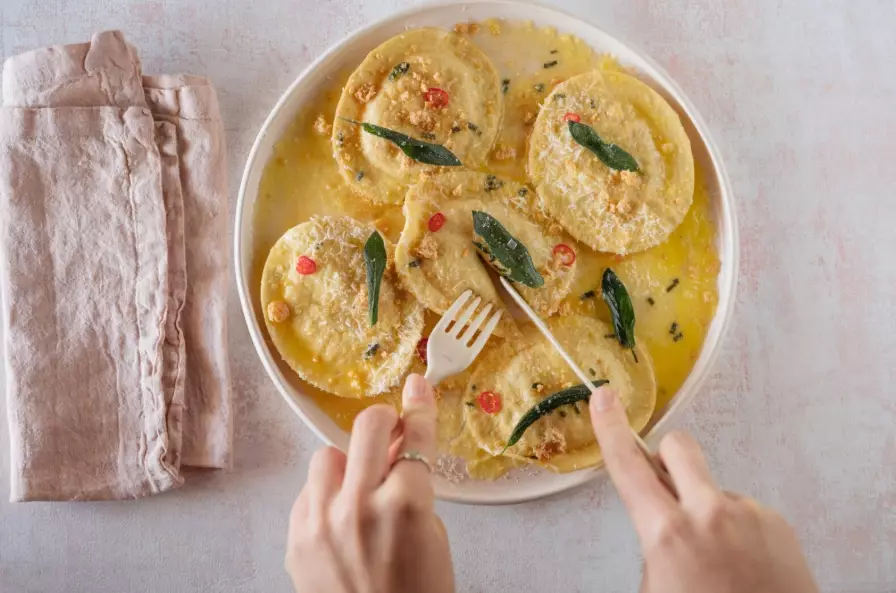
Your Burning Pasta Questions Answered
There you have it—the top 10 pasta dishes decoded. Whether you're cooking at home or planning an Italian food pilgrimage, this list is your roadmap. Remember, pasta is about joy, not perfection. So grab a fork, experiment, and savor every bite. Buon appetito!
Related Articles
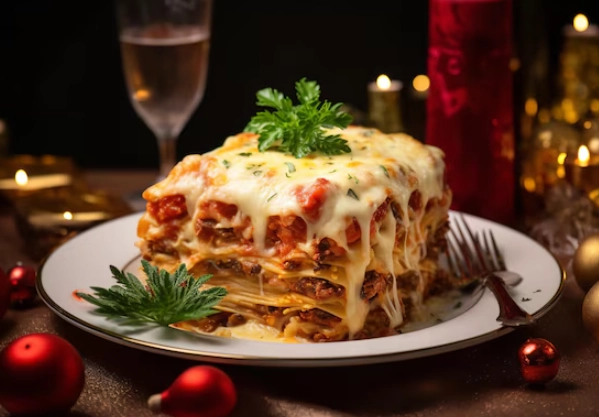
Authentic Italian Christmas Recipes: Traditional Dishes & Festive Menus
Simple Italian Green Salad Recipe & Authentic Dressing Tips
Master the Italian Seasoning Ratio: A Chef's Guide to Perfect Blends
Authentic Italian Appetiser Recipes for Your Next Gathering

Why is Dongguan's economy no longer at the bottom?