Easy Chicken Pasta Recipes for Busy Weeknights
Let's be honest. Most chicken pasta recipes online look amazing but come with a list of steps longer than your arm. You're searching because you want something tasty, reliable, and fast. You don't want to spend an hour just prepping. I've been there, cooking pasta for my family for years, and I've learned which shortcuts matter and which ones ruin dinner.
The real magic of chicken and pasta isn't in fancy techniques. It's in understanding a few core methods that you can twist into a dozen different meals. We're going to cover three foundational recipes that are better than any restaurant takeout. I'll also show you the one mistake everyone makes with chicken breast that turns it into cardboard.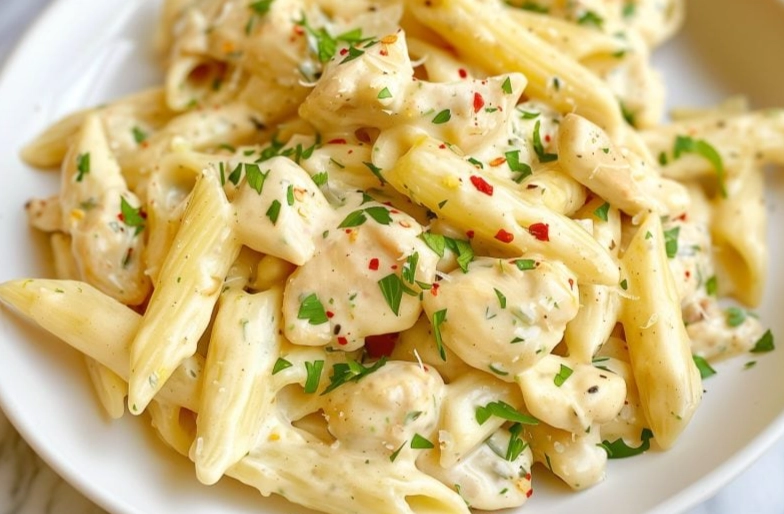
What You'll Find Inside
The Chicken and Pasta Pantry: What You Really Need
Before we start cooking, let's talk ingredients. You don't need a gourmet shop. You need smart basics.
Chicken: Boneless, skinless thighs are my secret weapon. They're more forgiving, juicier, and often cheaper than breasts. If you insist on breast, I'll show you how not to wreck it. Always pat it dry with a paper towel. Moisture is the enemy of a good sear.
Pasta: Shape matters more than brand. For creamy sauces, use shapes like fettuccine, penne, or fusilli that trap sauce. For lighter, oil-based sauces, spaghetti or angel hair works best. Save the pasta water. That starchy liquid is liquid gold for thickening sauces.
The Flavor Boosters: Keep these on hand: good olive oil, fresh garlic (minced jarred is an okay backup), a wedge of real Parmigiano-Reggiano (not the green can), and fresh lemons. Dried herbs are fine, but a $2 basil plant on your windowsill changes the game.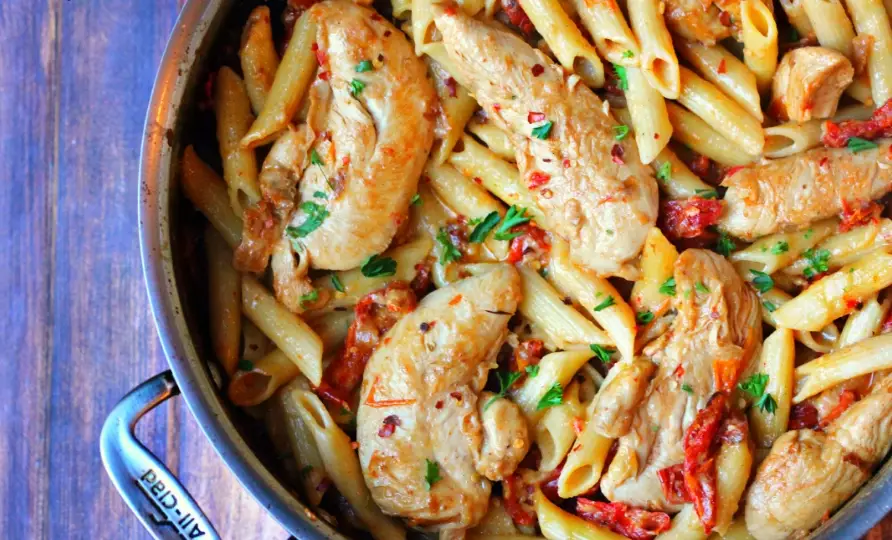
The 20-Minute Creamy Garlic Chicken Pasta
This is the comfort food winner. It feels indulgent but comes together faster than waiting for delivery.
Creamy Garlic Chicken & Penne
Active Time: 20 mins | Serves: 4
You'll need: 1 lb chicken thighs (cubed), 12 oz penne pasta, 3 cloves garlic (minced), 1 cup heavy cream, 1 cup chicken broth, 1 cup freshly grated Parmesan, 2 tbsp butter, 1 tbsp olive oil, salt, pepper, chopped parsley.
How to make it:
- Cook the penne in salted water until al dente. Save 1 cup of pasta water before draining.
- Season chicken with salt and pepper. Heat oil in a large skillet over medium-high. Cook chicken until golden and cooked through, about 6-7 minutes. Remove and set aside.
- In the same skillet, melt butter. Add garlic and cook for 60 seconds until fragrant—don't let it burn.
- Pour in chicken broth, scraping up the browned bits (that's flavor!). Let it simmer for 3 minutes to reduce slightly.
- Reduce heat to low. Stir in the heavy cream and Parmesan cheese until the cheese melts and the sauce thickens. Do not let it boil or the cream can separate.
- Add the cooked pasta and chicken back to the skillet. Toss everything together, adding splashes of the reserved pasta water until the sauce coats the pasta perfectly. Finish with parsley.
The key here is the residual heat. You melt the cheese into the warm cream off the direct heat. I remember the first time I made a cream sauce and cranked the heat to "thicken it faster." I ended up with a greasy, grainy mess. Patience is the ingredient not listed.
One-Pan Tomato & Herb Chicken Pasta
Minimal cleanup, maximum flavor. This method cooks the pasta right in the sauce, letting it absorb all the tomatoey goodness.
You start by browning seasoned chicken pieces (thighs work best here too) in a deep skillet. Remove them, then sauté a diced onion and a few red pepper flakes in the same pan. Add a can of crushed tomatoes, some dried oregano, and your dry pasta. Pour in just enough water or broth to barely cover the pasta.
Bring it to a simmer, cover, and let it cook for about 12 minutes, stirring occasionally. The pasta cooks and drinks up the tomato sauce. Add the chicken back in for the last 5 minutes to heat through. Finish with fresh basil and a drizzle of olive oil.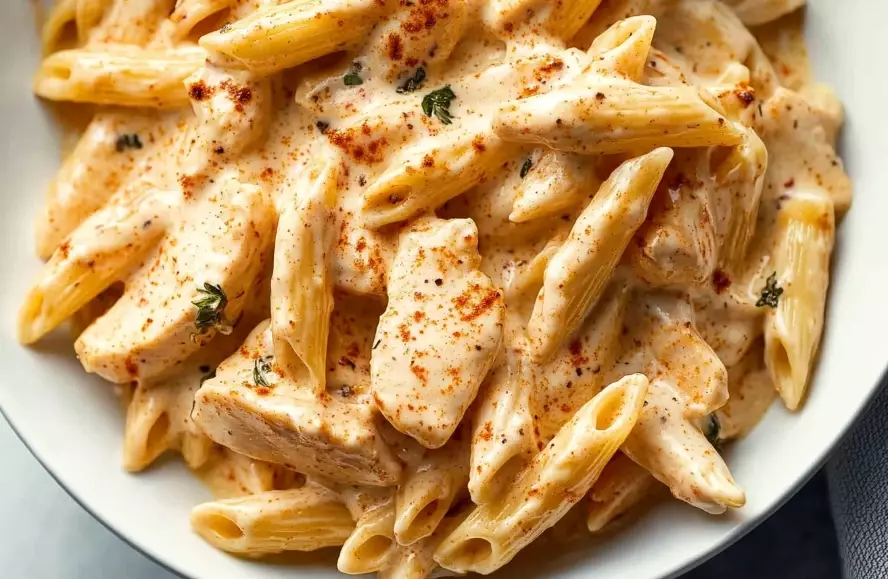
Lemon Garlic Chicken with Angel Hair
When you want something light but packed with flavor. This is my go-to in the spring and summer.
It's less of a heavy sauce and more of a glossy coating. You'll quickly pan-sear thinly pounded chicken cutlets. While they rest, you make a simple pan sauce in the same skillet: garlic, white wine (or more broth), lemon juice, and lemon zest. Let it reduce a bit, then swirl in a couple tablespoons of cold butter to make it silky. Toss with delicate angel hair pasta and top with the sliced chicken. It's bright, fast, and feels elegant.
Angel hair cooks in about 4 minutes, so time this right. Have your water boiling, but don't drop the pasta until your chicken is cooked and resting. Everything will be ready together.
Cooking Secrets No One Tells You About
Here's where that "10 years of experience" part comes in. These aren't in most recipes.
Salt Your Pasta Water Like the Sea. I mean it. It should taste as salty as mild seawater. This is the only chance to season the pasta itself from the inside out. According to culinary authorities like the techniques described in resources from institutions like The Culinary Institute of America, this fundamental step is non-negotiable for flavor.
Let Your Chicken Rest. After you cook it, whether it's a breast or thigh, take it off the heat and let it sit on a plate for 5-7 minutes before slicing or adding back to the pasta. The juices redistribute. If you cut it immediately, all the flavor runs out onto the cutting board.
Undercook Your Pasta by 1-2 Minutes. Finish cooking it in the sauce. This is called "all'onda" – letting it wave in the sauce. The pasta absorbs the flavor of the sauce and finishes cooking to a perfect al dente texture. That saved pasta water is crucial here to help it all come together.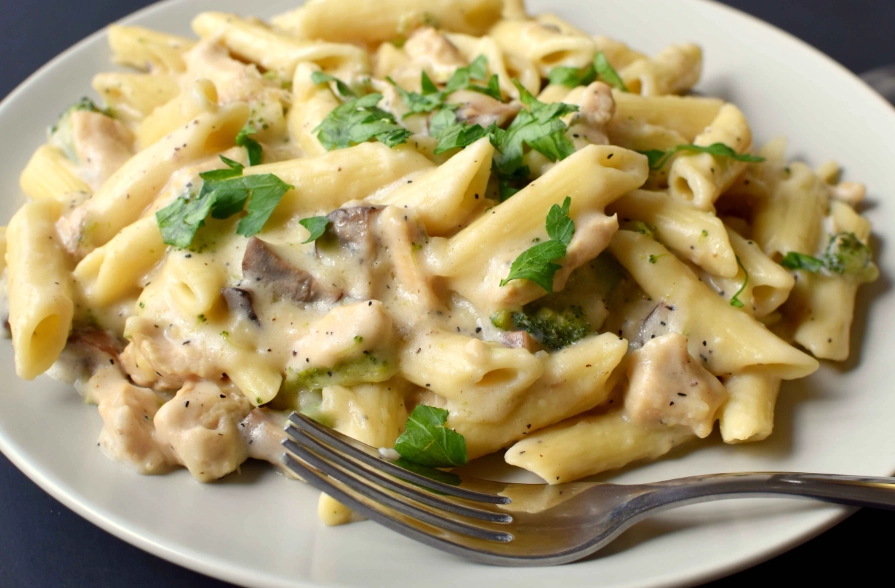
Your Chicken Pasta Questions, Answered
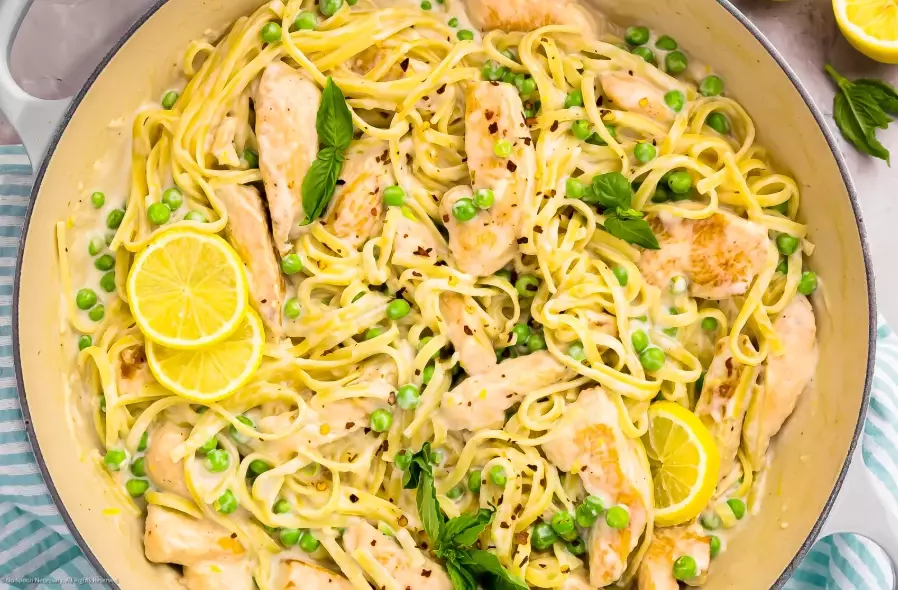 What's the best way to reheat chicken pasta without it drying out?
Related Articles
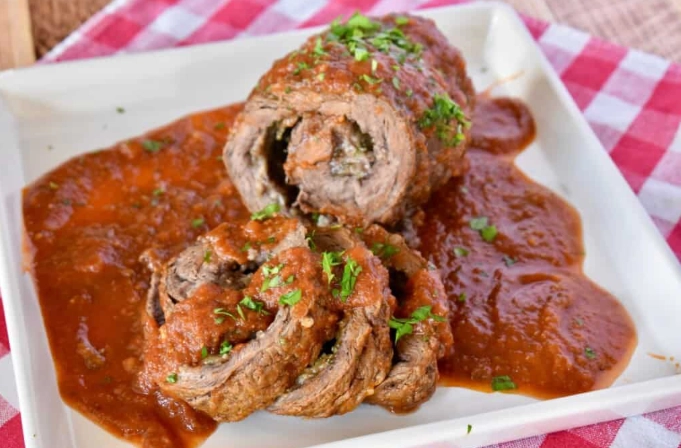
Ultimate Braciole Recipe: Authentic Italian Beef Rolls in Tomato Sauce
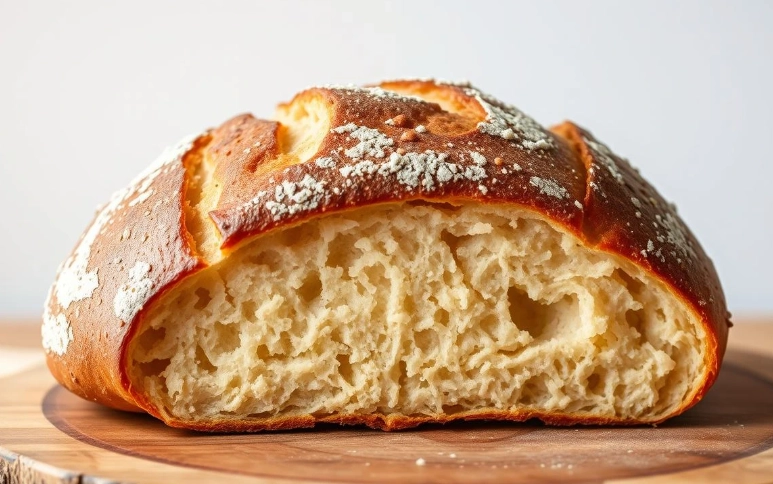
Easy Crusty Italian Bread Recipe: Homemade Ciabatta & Focaccia
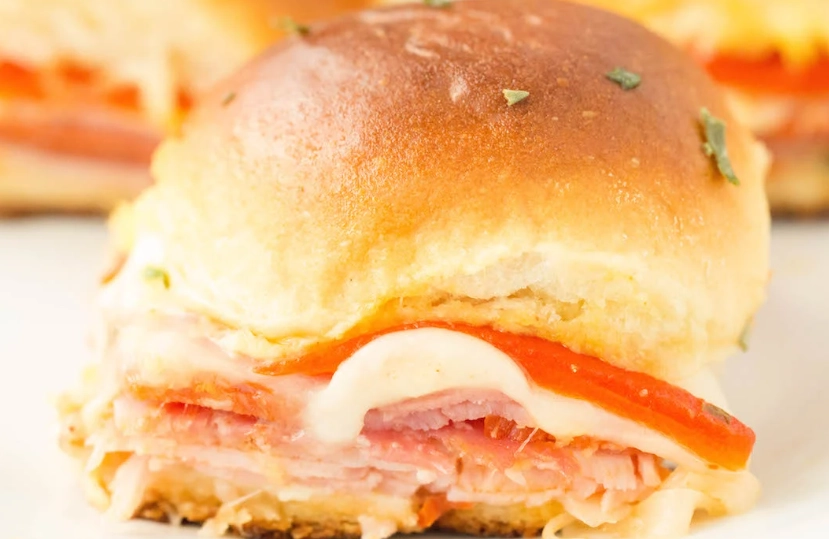
How to Assemble Italian Sliders: The Ultimate Guide for Perfect Party Food
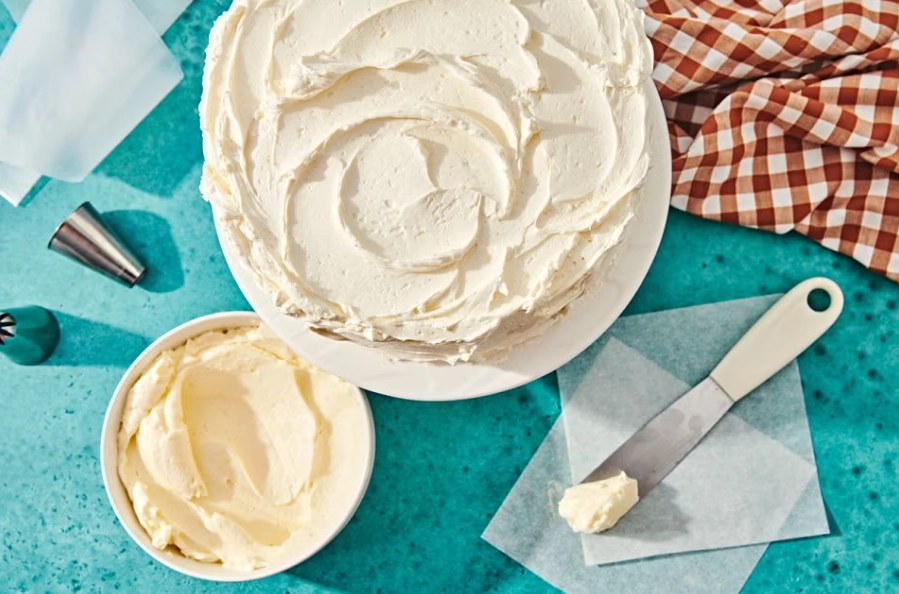
Italian Buttercream Recipe: How to Make Perfectly Smooth Frosting
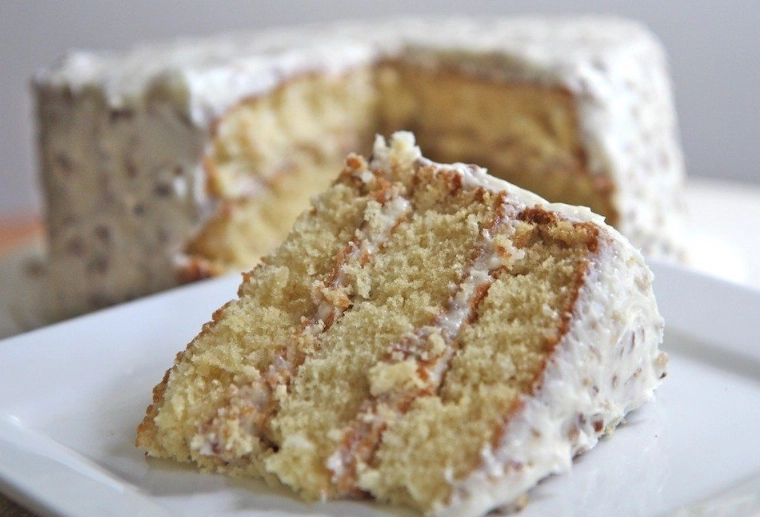
Authentic Italian Cream Cake Recipe: Moist, Nutty & Irresistible