Easiest Italian Food to Make: 5 Simple Recipes for Beginners
What You’ll Find in This Guide
Let's cut to the chase. The easiest Italian food to make isn't some fancy dish requiring a nonna's touch—it's the stuff you can whip up with pantry staples, minimal time, and zero stress. I've cooked Italian food for years, from messy kitchen experiments to simple weeknight wins, and I'm here to tell you: start with pasta aglio e olio, bruschetta, caprese salad, margherita pizza (using store-bought dough), and a simplified risotto. These five are your gateways. They're forgiving, fast, and foolproof. No need for special equipment or exotic ingredients. Just follow along, and you'll be eating like an Italian in no time.
The Top 5 Easiest Italian Foods You Can Make Tonight
I've ranked these based on simplicity, ingredient count, and time. Each one has saved me on busy nights or when I wanted something impressive without the effort.
1. Pasta Aglio e Olio – The 15-Minute Lifesaver
This is my go-to. It's just pasta, garlic, olive oil, and red pepper flakes. Sounds basic, but when done right, it's magical. Here's how I do it: boil spaghetti (use 4 quarts of water with a big pinch of salt—trust me, it matters). While that's cooking, thinly slice 4 cloves of garlic. Heat a good glug of extra virgin olive oil in a pan over low heat. Add the garlic and a pinch of red pepper flakes. Let it sizzle gently until fragrant, about 2 minutes—don't let it brown too much or it turns bitter. Drain the pasta, reserving a cup of the starchy water. Toss the pasta in the garlic oil, adding a splash of that water to emulsify. Finish with chopped parsley if you have it. Done. I've made this after a long workday, and it never fails. The key? Quality olive oil. Skip the cheap stuff; it makes all the difference.
2. Bruschetta – No-Cook Appetizer That Impresses
Bruschetta is essentially toasted bread with toppings. It's harder to mess up than you think. Slice a baguette, brush with olive oil, and toast until crisp. For the topping, dice ripe tomatoes (about 4 medium), mix with minced garlic, fresh basil leaves torn by hand, a drizzle of olive oil, salt, and pepper. Let it sit for 10 minutes to meld flavors. Spoon onto the bread. That's it. I once served this at a party, and people thought I'd slaved over it. Pro tip: if your tomatoes are bland, add a tiny splash of balsamic vinegar. Avoid pre-chopped garlic from a jar—it tastes metallic. Use fresh.
3. Caprese Salad – Assembly Required, No Cooking Needed
Caprese is just tomato, fresh mozzarella, and basil, layered with olive oil and balsamic. But here's where beginners slip up: they use rubbery, pre-packaged mozzarella. Spend a bit more on fresh mozzarella balls (the ones in water). Slice tomatoes and cheese evenly, alternate them on a plate, tuck in basil leaves, drizzle with extra virgin olive oil and a touch of balsamic glaze. Season with salt and pepper. It takes 5 minutes. I make this in summer when tomatoes are peak, but even in winter, cherry tomatoes work. Don't overcomplicate it.
4. Easy Margherita Pizza – Cheat with Store-Bought Dough
Homemade pizza sounds daunting, but with store-bought dough, it's a breeze. I buy dough from the local grocery (often in the refrigerated section). Preheat your oven as high as it goes—500°F (260°C) if possible—with a baking sheet inside. Roll out the dough on parchment paper. Spread a thin layer of tomato sauce (I use canned San Marzano tomatoes, crushed by hand). Tear fresh mozzarella and scatter it. Add fresh basil leaves. Slide the parchment onto the hot baking sheet. Bake for 10-12 minutes until bubbly and crisp. My first attempt was soggy because I overloaded toppings; keep it minimal. This feels homemade without the fuss.
5. Simple Risotto – Yes, It Can Be Easy!
Risotto has a reputation for being finicky, but a basic version is straightforward. You need arborio rice, broth, onion, and Parmesan. In a pot, sauté a chopped onion in butter until soft. Add 1 cup arborio rice, toast for a minute. Pour in warm broth (about 4 cups, chicken or vegetable) one ladle at a time, stirring occasionally until absorbed. It takes 20-25 minutes. Finish with grated Parmesan and butter. I don't stir constantly—I stir every few minutes while doing other things. The rice releases starch, creating creaminess. It's forgiving; if it gets too dry, add more broth. I learned this from an Italian friend who laughed at the "risotto is hard" myth.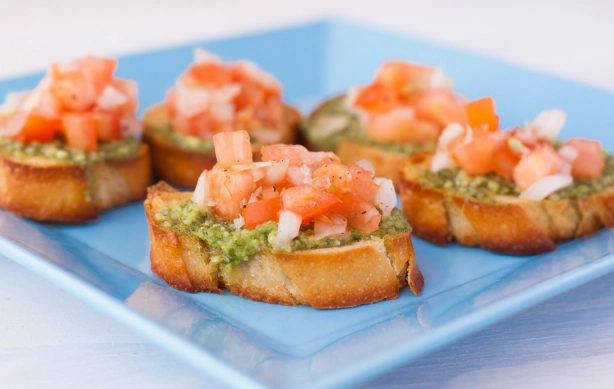
Quick Comparison: Pasta aglio e olio is fastest (15 min), bruschetta requires no heat, caprese is pure assembly, pizza uses shortcuts, and risotto is more hands-on but still simple. Pick based on your mood and pantry.
Common Mistakes Beginners Make and How to Avoid Them
I've seen these errors time and again—and made them myself. Let's fix them.
Overcooking pasta: It should be al dente—firm to the bite. Set a timer for 1 minute less than the package says, then taste. Mushy pasta ruins dishes. I did this with my first aglio e olio; it turned into a gluey mess.
Using low-quality olive oil: In Italian cooking, olive oil is a flavor, not just fat. Splurge on a decent bottle for finishing dishes. For cooking, a mid-range one is fine. I once used cheap oil in bruschetta, and it tasted like nothing.
Skimping on salt: Salt your pasta water generously—it should taste like the sea. This seasons the pasta from within. Same for seasoning toppings. Underseasoned food is bland, and no amount of cheese can fix it.
Overloading pizza: Less is more. Too many toppings make the crust soggy. Stick to sauce, cheese, and one or two extras. My early pizzas were a soggy disaster because I piled on everything.
Not preheating the pan for pizza: That hot surface crisps the crust instantly. If you skip this, you'll get a limp base. I learned this after three failed attempts.
Essential Tools for Easy Italian Cooking
You don't need a fancy kitchen. Here's what I actually use:
- A large pot: For boiling pasta. Get one with a lid.
- A skillet or frying pan: Non-stick is fine for beginners. I use a cast-iron for everything.
- A sharp knife: Doesn't have to be expensive, but keep it sharp. Dull knives are dangerous and make prep tedious.
- A cutting board: Plastic or wood, whatever you have.
- A baking sheet: For pizza or toasting bread.
- A grater: For Parmesan. Pre-grated cheese has anti-caking agents that don't melt well.
That's it. No pasta maker, no special gadgets. I started with just these, and they've served me for years.
Frequently Asked Questions
So, there you have it. The easiest Italian food to make isn't about complexity—it's about simplicity and confidence. Start with one of these five, tweak it to your taste, and soon you'll be improvising like a pro. I still make pasta aglio e olio when I'm tired or short on time; it's that reliable. Give it a go tonight, and let me know how it turns out. Happy cooking!
Related Articles
Authentic Italian Holiday Dinner Recipes for a Festive Feast
Authentic Italian Cookie Recipes: From Biscotti to Amaretti

Modern Italian Cocktails: A Guide to Artisanal Mixology
Italian Pasta Salad Dressing: The Ultimate Guide to Authentic Flavor
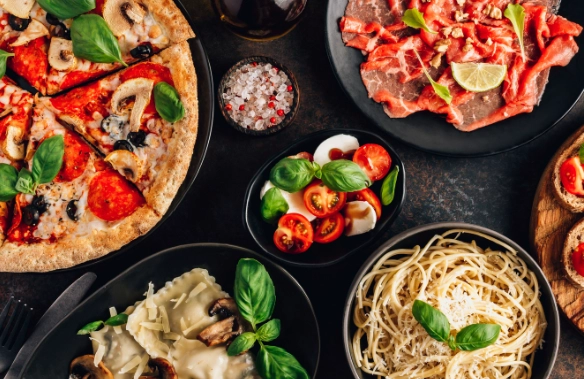
What Is Authentic Italian Food? A Guide to Regional Classics & Home Cooking