Master Italian Pasta Recipes: Classics, Regional Gems & Pro Tips
In This Guide
- The Non-Negotiable Classics: Your Italian Pasta Recipe Foundation
- Beyond the Tourist Menu: Regional Italian Pasta Gems
- The Nuts, Bolts, and Secrets: How to Cook Pasta Like an Italian
- Answering Your Pasta Questions (The Stuff You Actually Google)
- My Go-To Weeknight Italian Pasta Recipe (When Time is Short)
- Storing, Reheating, and Leftover Wisdom
Let's be honest for a second. When you think of Italian recipes, pasta is probably the first thing that pops into your head. It's the universal comfort food, the canvas for a thousand different sauces, the star of family dinners and fancy restaurants alike. But here's the thing I've learned after years of cooking, eating, and frankly, messing up a lot of pots: what most of us make at home is a distant cousin to the real Italian deal. It's not just about boiling noodles and dumping a jar of sauce on top. There's a whole world of technique, tradition, and simple, brilliant ingredients that make all the difference.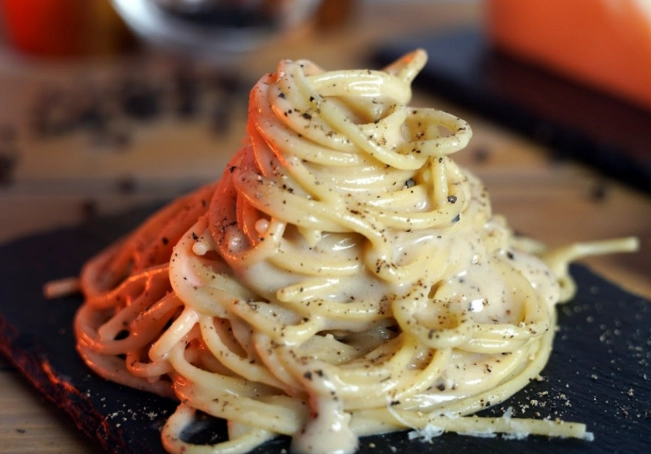
I remember my first attempt at a proper Carbonara. I used bacon (gasp!), added cream (double gasp!), and ended up with a scrambled egg and pasta mess. It was edible, but it wasn't Carbonara. That failure sent me down a rabbit hole. I started reading, watching nonna videos on YouTube, and bothering my Italian friend Marco with endless questions. What I discovered is that authentic Italian pasta recipes are less about complex, fussy cooking and more about understanding a few fundamental principles. They're about respecting the ingredients and letting them shine.
So, whether you're tired of the same old weeknight spaghetti, want to impress a date, or just crave that authentic taste you had on vacation in Rome, this guide is for you. We're going to move beyond the basics. We'll dig into the classics everyone should know, explore some incredible regional specialties you might not have tried, and arm you with the pro tips that separate good pasta from great pasta. And yeah, we'll talk about the common mistakes (like my creamy Carbonara disaster) so you can avoid them.
The Non-Negotiable Classics: Your Italian Pasta Recipe Foundation
You can't build a house without a foundation, and you can't claim to know Italian cooking without mastering a handful of its iconic pasta dishes. These aren't just recipes; they're lessons in flavor balance and technique. Each one teaches you something fundamental.
Spaghetti alla Carbonara
Let's start with the one I botched so badly. The beauty of Carbonara is its simplicity: eggs, Pecorino Romano cheese, guanciale (cured pork cheek), and black pepper. That's it. No cream, no onions, no garlic. The sauce is created by the emulsification of the starchy pasta water, the fat from the guanciale, and the eggs. The heat from the pasta cooks the eggs just enough to create a silky, creamy coating without scrambling them. It's a timing dance. If you can't find guanciale, a good pancetta is an acceptable substitute, but bacon will give you a smokier, less authentic flavor. The key is to toss everything quickly and vigorously off the heat. Hesitate, and you get pasta with bits of cooked egg. Not ideal.
Pasta all'Amatriciana
Another Roman heavyweight, and a personal favorite of mine. It's like Carbonara's bolder, tangier sibling. The base is guanciale again, sautéed until crispy. Then you add a tomato sauce—usually just crushed San Marzano tomatoes cooked briefly. The kicker is Pecorino Romano cheese stirred in at the end. It's salty, porky, tangy, and utterly addictive. Traditionally made with bucatini (those thick spaghetti-like strands with a hole through the center), which are perfect for holding onto the chunky sauce. A great Italian pasta recipe that proves you don't need a long-cooked ragù for incredible tomato flavor.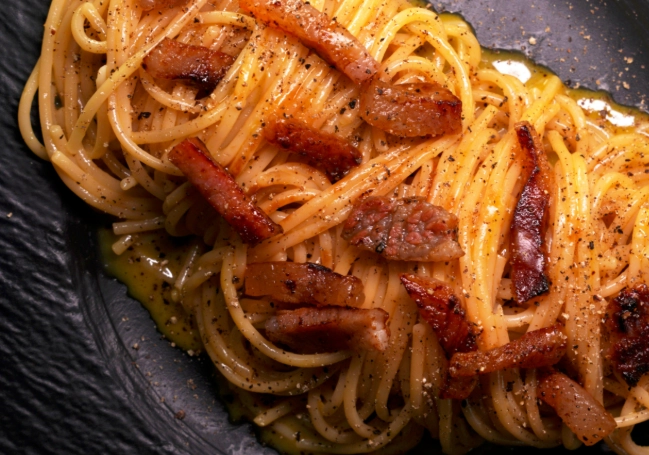
Tagliatelle al Ragù alla Bolognese
Now we head north to Bologna. Forget the "spaghetti bolognese" you know. The real deal is a rich, slow-cooked meat sauce, and it's served with tagliatelle—fresh egg ribbons that are broad enough to carry the hearty sauce. A proper ragù Bolognese isn't just ground beef. It's a mix of meats (often beef, pork, and sometimes pancetta), soffritto (finely diced onion, carrot, and celery), wine, milk (yes, milk!), and a bit of tomato paste or puree. It simmers for hours, developing a deep, complex flavor. The official recipe is even protected by the Bologna Chamber of Commerce. You can find their authentic recipe on the Bologna Welcome tourism site, which is a fantastic resource for culinary traditions. Making a real ragù is a weekend project, but the smell filling your house is worth every minute.
These three dishes alone give you a toolkit of skills: emulsification, quick tomato sauces, and slow-simmered richness. They're the backbone of countless other Italian recipes with pasta.
Beyond the Tourist Menu: Regional Italian Pasta Gems
Italy's regions are like different countries when it comes to food. The pasta shapes, sauces, and ingredients change dramatically from north to south. Exploring these is where the real fun begins.
| Pasta Dish | Region | Key Ingredients & Character | Why It's Special |
|---|---|---|---|
| Orecchiette con Cime di Rapa | Puglia (The "heel" of Italy) | "Little ears" pasta, bitter broccoli rabe, anchovies, garlic, chili, breadcrumbs. | A perfect balance of bitter, salty, spicy, and crunchy. A vegetable-forward dish that's packed with flavor. |
| Pesto alla Genovese | Liguria (Italian Riviera) | Basil, pine nuts, Parmigiano-Reggiano, Pecorino, garlic, olive oil. Served with trofie or trenette pasta. | The king of fresh herb sauces. Authentic Genoese pesto uses specific basil from Pra'. It's bright, fragrant, and uncooked. |
| Pasta alla Norma | Sicily | Fried eggplant, tomato sauce, ricotta salata (salted, aged ricotta), basil. | A celebration of Sicily's amazing produce. The fried eggplant adds a creamy, smoky depth that's unforgettable. |
| Bigoli in Salsa | Veneto (Venice area) | Whole-wheat bigoli (thick, rustic spaghetti), onions, anchovies. | Incredibly simple, humble, and deeply savory. The onions cook for ages until they melt into a sweet, salty paste with the anchovies. |
I tried making Pesto alla Genovese with basil from my supermarket and it was... fine. Then I got my hands on some real Genovese basil from a farmer's market—the leaves were smaller, more tender, and intensely aromatic. The difference was night and day. It taught me that for some of these hyper-regional dishes, the specific ingredient really is the star. The Italian Ministry of Agricultural, Food and Forestry Policies maintains lists of Protected Designation of Origin (DOP) products, like the basil for Pesto. Checking resources like their official portal (you can search for Ministero delle politiche agricole) can give you clues about what makes an ingredient authentic.
The Nuts, Bolts, and Secrets: How to Cook Pasta Like an Italian
Okay, you've got the recipes. Now let's talk about execution. This is where most home cooks, myself included for years, drop the ball. Italians have strong opinions about this stuff for a reason.
The Water Situation
Use a lot of water. I mean, more than you think. A large pot (at least 5 quarts) for a pound of pasta. This gives the pasta room to move and prevents it from getting gummy. Salt the water generously—it should taste like the sea. This is your one chance to season the pasta itself. Don't add oil to the water. It's a myth that it prevents sticking; it actually makes the pasta slippery so the sauce can't cling to it.
Dry vs. Fresh Pasta
This is a big debate, but it's simpler than it seems. Dry pasta (pasta secca) is made from durum wheat semolina and water. It's extruded through bronze dies, which gives it a rough texture perfect for holding sauce. It's shelf-stable and fantastic for most sauces, especially oil-based, seafood, and vegetable sauces. Brands like De Cecco, Rustichella d'Abruzzo, and Garofalo are widely available and excellent. Fresh pasta (pasta fresca) is made with soft wheat flour and eggs. It's tender, delicate, and cooks in minutes. It's ideal for rich, creamy sauces like ragù, butter and sage, or simple cream sauces. One isn't better than the other; they're different tools for different jobs.
The Sacred Final Step: La Mantecatura
This is the single most important technique you can learn. It means finishing the pasta by tossing it in the pan with the sauce and a splash of pasta water. You're not just mixing; you're emulsifying and integrating. The starch in the water helps thicken the sauce and makes it coat every inch of pasta. Always undercook your pasta by 1-2 minutes, drain it (saving that water!), and add it to the saucepan with your sauce. Let them cook together for the final minute or two. The pasta absorbs the flavor of the sauce, and the sauce thickens around the pasta. This is the magic. Every good Italian pasta recipe depends on this step.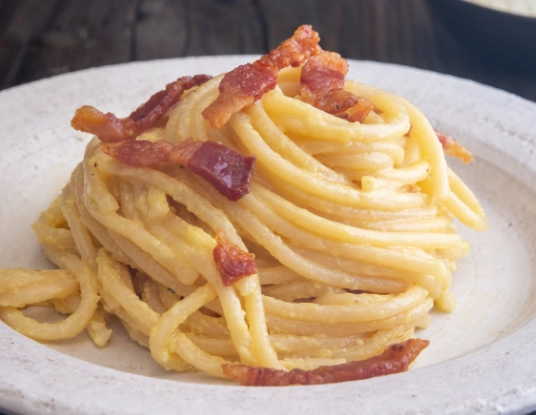
Answering Your Pasta Questions (The Stuff You Actually Google)
Let's get practical. Here are answers to the questions I get asked all the time, and the ones I know people are searching for.
How much pasta per person?
For a main course, the standard is about 100 grams (3.5 ounces) of dry pasta per person. That's a decent-sized fistful. For fresh pasta, it's about 150 grams (5 ounces). It always looks like too little in the box, but it swells up. Better to make a little extra than too much, as leftover reheated pasta is rarely great.
What's the best cheese for pasta?
It's not just Parmigiano-Reggiano (though it's king for a reason). Pecorino Romano is saltier and sharper, perfect for Roman dishes like Carbonara and Amatriciana. Ricotta Salata is hard, salty, and crumbly, used for grating over Sicilian dishes. Grana Padano is slightly milder and less granular than Parmigiano, a great all-purpose grater. Match your cheese to your region. And for the love of all that is holy, grate it fresh. The pre-grated stuff has anti-caking agents that make it taste like sawdust and refuse to melt properly.
Can I make pasta sauce ahead of time?
Absolutely. In fact, many sauces taste better the next day. Ragù, Amatriciana, even a simple tomato sauce (like Marcella Hazan's famous butter and tomato sauce) all benefit from a rest in the fridge, letting the flavors marry. Just store them in an airtight container. Pesto is the exception—it's best made fresh and used immediately, as it oxidizes and turns brown. If you must store pesto, press plastic wrap directly onto the surface and cover with a lid to keep out air.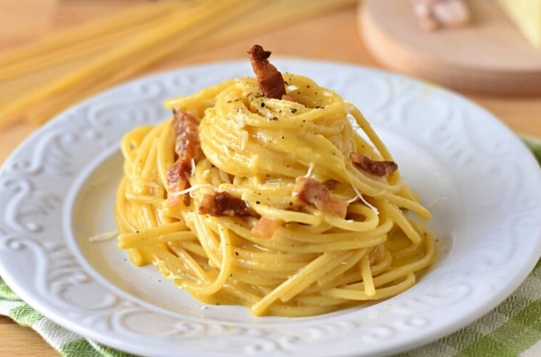
Gluten-free and whole wheat pasta options?
The quality of gluten-free pasta has improved dramatically. Look for brands that use a blend of flours like brown rice, corn, and quinoa. They often have better texture and flavor than single-flour options. Cook them exactly as directed on the package, as they can be more fragile. Whole wheat pasta is a great healthy choice, with more fiber and a nuttier flavor. It pairs beautifully with hearty vegetable sauces, mushroom sauces, or robust ragùs. Just know it will have a denser, chewier texture than regular semolina pasta.
My Go-To Weeknight Italian Pasta Recipe (When Time is Short)
We can't always simmer a ragù for four hours. For those nights, you need a 20-minute hero. Here's mine, born from a nearly empty fridge: Spaghetti Aglio, Olio, e Peperoncino (garlic, oil, and chili).
It sounds too simple to be good, but it's a masterpiece of minimalism. Thinly slice 4-5 cloves of garlic (don't crush them). Gently heat a generous half-cup of good olive oil in a large pan. Add the garlic and 1-2 dried red chili peppers (crushed) or a big pinch of red pepper flakes. Cook on low heat until the garlic is just golden and fragrant—do NOT let it brown or it turns bitter. While that's happening, cook your spaghetti. When the pasta is al dente, drain it, reserving a cup of water. Add the pasta directly to the pan with the oil. Toss, toss, toss, adding pasta water a splash at a time until you have a silky, emulsified sauce clinging to the strands. Finish with a handful of chopped fresh parsley and a final drizzle of raw olive oil. Maybe some breadcrumbs toasted in a pan for crunch if you're feeling fancy.
That's it. No cheese needed. The flavor is incredible: spicy, garlicky, and deeply savory. It's the ultimate proof that the best Italian pasta dishes often have the shortest ingredient lists.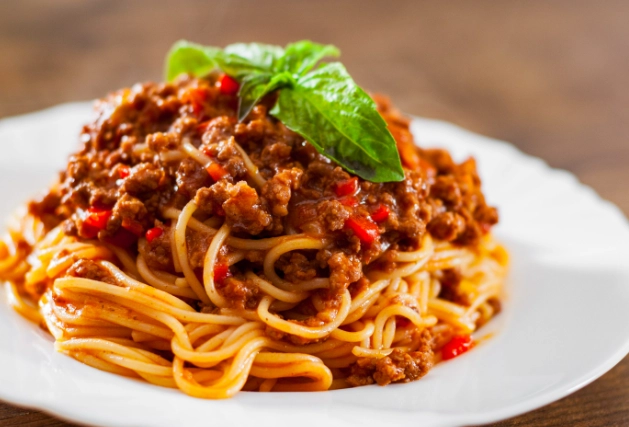
Storing, Reheating, and Leftover Wisdom
You made too much pasta with sauce. It happens. Here's how to handle it without creating a rubbery, sad mess.
- Store pasta and sauce separately if possible. This gives you the most flexibility for reheating. Pasta alone can be tossed with a little oil to prevent sticking and stored in the fridge for 2-3 days.
- To reheat sauced pasta, the stovetop is your friend. Add a couple tablespoons of water to a non-stick skillet, add the leftover pasta, and cover. Heat gently over medium-low, stirring occasionally, until hot. The steam will revive it without drying it out. The microwave tends to turn pasta into a rubbery brick.
- Get creative with leftovers. Leftover plain pasta can become a frittata (pasta al forno). Toss it with beaten eggs, cheese, and any leftover veggies or meat, then bake. Leftover ragù is perfect for lasagna filling or as a topping for polenta.
Look, the goal isn't to become a Michelin-star chef. It's to bring a little bit of that Italian joy and flavor into your own kitchen. It's about understanding the why behind the steps, so you can cook with confidence, not just follow a recipe. Start with one classic. Master the mantecatura. Taste the difference that good ingredients make. Before you know it, you'll be looking at a bag of dried pasta not as a quick dinner, but as the starting point for something truly delicious. And maybe, just maybe, you'll avoid my early Carbonara mistakes.
The world of authentic Italian pasta recipes is deep and endlessly rewarding. It connects you to centuries of tradition, to specific sun-drenched hillsides where the tomatoes grow, and to the simple, profound pleasure of a meal made well. Now go put a big pot of water on to boil. Salt it like you mean it.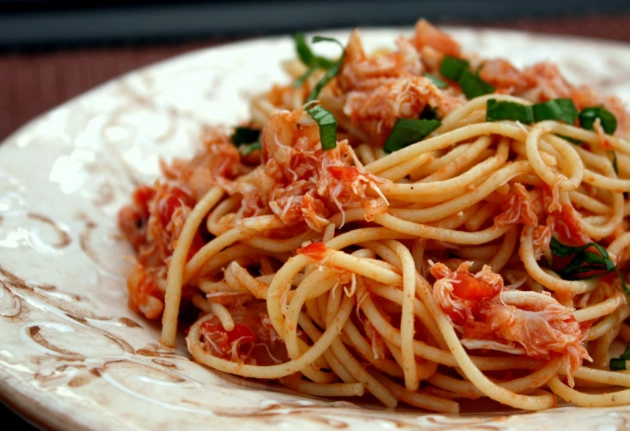
Related Articles

Geely and Zeekr have the best semi-annual reports, half of which rely on sales g
Ultimate Baked Italian Meatballs Recipe: Juicy, Tender & Flavorful
Top 50 Italian Desserts: From Tiramisu to Cannoli
Authentic Italian Porchetta Recipe: Crispy, Juicy Roast Pork
Authentic Italian Antipasti Recipes: A Guide to Traditional Appetizers