Vegetarian Italian Recipes: A Complete Guide to Plant-Based Pasta & More
What's Cooking? Jump to Your Favorite Section
Let's get one thing straight: Italian food was vegetarian long before it was a trend. Think about it. The base of so much of this glorious cuisine is plants – tomatoes, garlic, olive oil, beans, leafy greens, and of course, wheat for pasta and bread. The misconception that you need meat for a satisfying Italian meal is just that – a misconception. I've been cooking and eating this way for years, both in tiny trattorias in Rome and in my own kitchen, and the depth of flavor you can achieve is astounding.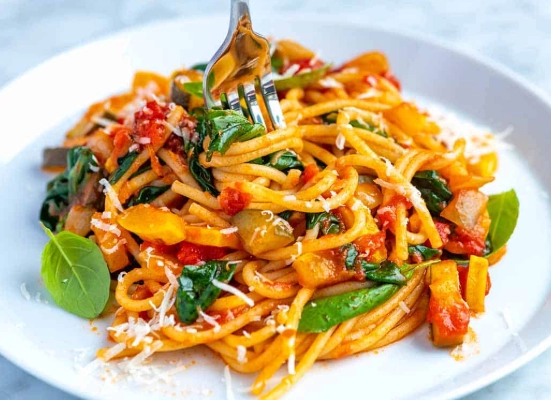
This isn't about finding lackluster substitutes. It's about celebrating the vegetables, grains, and legumes that are already stars in their own right. We're going to build rich, "meaty" sauces without meat, create creamy textures without dairy, and most importantly, cook food that everyone at the table will devour.
The Foundation: Your Vegetarian Italian Pantry
Before we fire up the stove, let's talk ingredients. A well-stocked pantry means you're always 20 minutes away from a great meal. Forget fancy equipment; this is about quality staples.
Non-Negotiables:
- Extra Virgin Olive Oil: This is your flavor foundation. Don't cook with your most expensive bottle – save that for finishing dishes. But do have a good, mid-range one you like the taste of.
- Canned Tomatoes: San Marzano DOP tomatoes are famous for a reason – they're less acidic and sweeter. But any good-quality whole peeled tomatoes will work. Crush them by hand for the best texture.
- Dried Pasta: Look for brands that use bronze dies for extrusion, like De Cecco or Rummo. The rough surface holds sauce like a dream. Keep shapes like spaghetti, penne, and orecchiette on hand.
- Beans & Lentils: Canned cannellini beans are a lifesaver. Dried lentils (like small brown or green) cook quickly and are perfect for soups.
A Quick Word on Cheese (The Vegetarian Dilemma)
Traditional Parmesan (Parmigiano-Reggiano) uses animal rennet, making it not vegetarian. Many hard cheeses do. This trips up a lot of people starting out. The good news? You have options. For a topping, a mix of nutritional yeast and ground nuts works surprisingly well. For cooking, a vegetarian-friendly hard cheese like Grana Padano (check the label) or a bold pecorino Romano (some brands use vegetable rennet) can be found. Or, skip it and let other flavors shine.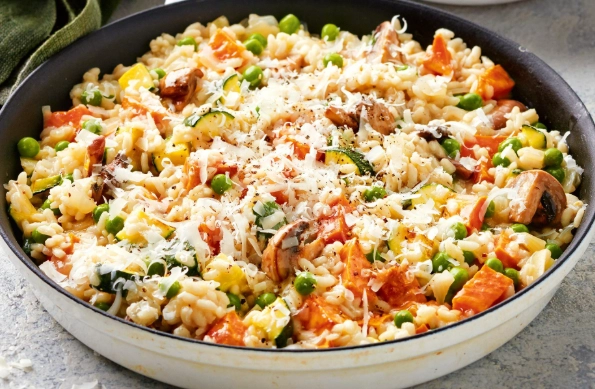
Pasta Perfection: Three Can't-Miss Vegetarian Recipes
These aren't just "pasta with vegetables." They are complete, sauce-based dishes where the vegetable is the sauce.
1. The Ultimate Mushroom "Ragu"
This is my answer to Bolognese. The goal isn't to mimic meat, but to create something with equal depth and savoriness. The key? Using two types of mushrooms and taking your time.
You'll need: 1 lb mixed mushrooms (cremini + shiitake or porcini), 1 onion, 2 carrots, 2 celery stalks, 3 garlic cloves, 1/2 cup red wine, 1 can crushed tomatoes, fresh thyme.
Here's where most recipes go wrong: they don't cook the mushrooms enough. Don't just soften them. Chop them finely (a food processor pulse works), then cook in batches in olive oil until all the liquid releases and evaporates, and they start to brown and stick a bit to the pan. That fond is flavor gold. Then build your soffritto (onion, carrot, celery) in the same pan, deglaze with wine, and add your tomatoes. Simmer for at least 30 minutes. Toss with pappardelle or tagliatelle.
2. Pasta alla Norma (The Sicilian Classic)
This dish from Catania is simplicity itself, and it's often overlooked. Eggplant is the star. Don't under-salt it. Slice, salt, and let it sit for 30 minutes to draw out bitterness. Then, instead of frying it in a ton of oil (which makes it soggy), brush it with oil and roast it until it's caramelized and tender. Toss it with a vibrant tomato sauce, ricotta salata (a salted, aged ricotta – check for vegetarian versions), and fresh basil. Use rigatoni to catch all the chunks.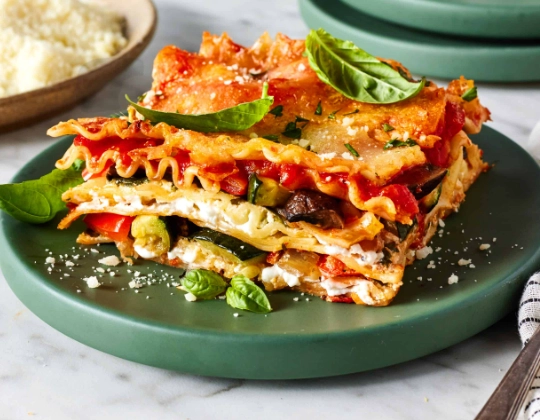
3. Orecchiette with Broccoli Rabe & Toasted Breadcrumbs
This is a lesson in texture. Bitter broccoli rabe (rapini), smooth pasta, and crunchy, garlicky breadcrumbs. Blanch the broccoli rabe to tame the bitterness before sautéing it with garlic and chili flakes. The breadcrumbs? Don't buy them. Pulse stale bread, toast them in olive oil with a garlic clove (remove the clove after), and finish with lemon zest. It's a game-changer.
Beyond Pasta: Hearty Mains & Sides
Italian vegetarian cooking is so much more than pasta. These dishes are meals in themselves.
Ribollita: This Tuscan bread soup is the definition of comfort food. It's a thick stew of cannellini beans, kale, cabbage, carrots, and stale bread that gets better each day you re-boil it (that's what "ribollita" means). The bread thickens it into something almost spoon-standing-up hearty. According to the Italian National Tourist Board, it's a quintessential peasant dish that showcases cucina povera at its best.
Melanzane alla Parmigiana (Eggplant Parmesan): Get the layers right. Thinly sliced eggplant, fried or roasted until golden, layered with tomato sauce, basil, and mozzarella and Parmesan. Let it rest after baking so the layers set. Most home cooks slice the eggplant too thick and don't cook it enough beforehand, leading to a watery mess.
Frittata & Contorni: A frittata with asparagus, zucchini, and herbs is a perfect quick dinner. Pair it with a contorno (side dish) like roasted peppers, braised artichokes, or a simple salad of bitter greens with lemon.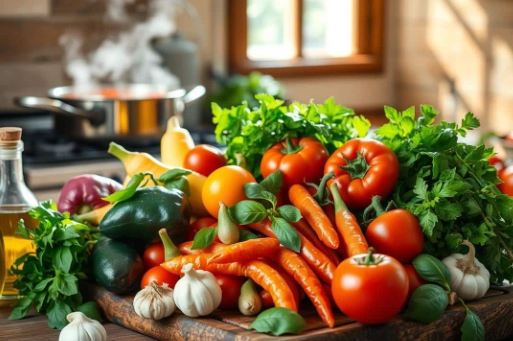
| Cheese Challenge? Try This Instead | Best Used In |
|---|---|
| Nutritional Yeast + Ground Cashews | Pasta topping, sprinkle on soups |
| Vegan Mozzarella (for melting) | Lasagna, pizza, baked pasta |
| Cashew Cream (blended soaked cashews) | Creamy sauces, "ricotta" fillings |
| Miso Paste (tiny amount) | Adding umami depth to tomato sauces |
Pro Tips & Common Pitfalls to Avoid
After cooking hundreds of these meals, you notice patterns. Here’s what makes the difference.
Salt your pasta water like the sea. I mean it. It should taste like seawater. This is the only chance you have to season the pasta itself. A report from America's Test Kitchen confirms this is the single most important factor for well-seasoned pasta.
Save that starchy pasta water. Before you drain your pasta, scoop out a cup of the cloudy water. When you toss the pasta with your sauce, add a splash. The starch helps the sauce emulsify and cling to every strand. It's magic.
Don't crowd the pan when roasting vegetables. If you pile them on top of each other, they'll steam, not roast. You want caramelization. Use two baking sheets if you have to.
Finish with fresh herbs and good oil. A drizzle of your best olive oil and a scattering of torn basil or parsley just before serving adds a burst of fresh flavor that cooked ingredients can't provide.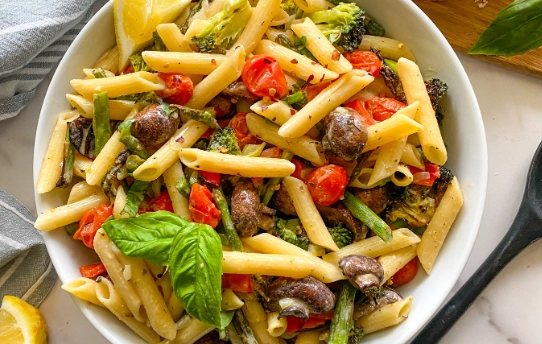
Your Vegetarian Italian Cooking Questions Answered
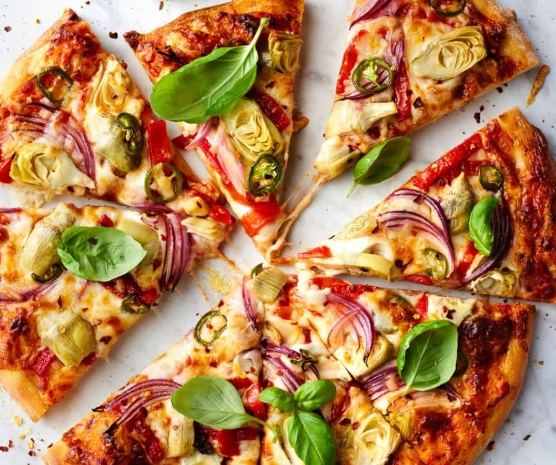
The beauty of Italian vegetarian cooking is its honesty. It's not trying to be something it's not. It's about taking incredible seasonal produce, treating it with respect, and using simple techniques to pull out maximum flavor. Start with one recipe – maybe the mushroom ragu – and master it. Taste as you go. Adjust. Make it yours. Before long, you'll have a repertoire of dishes that are not just "good for vegetarian food," but simply great food, full stop.
Related Articles

Breaking through 1.2 billion kilowatts, China has achieved its commitment to win

Ultimate Italian Margarita Recipe: How to Make the Perfect Amaretto Sour Twist
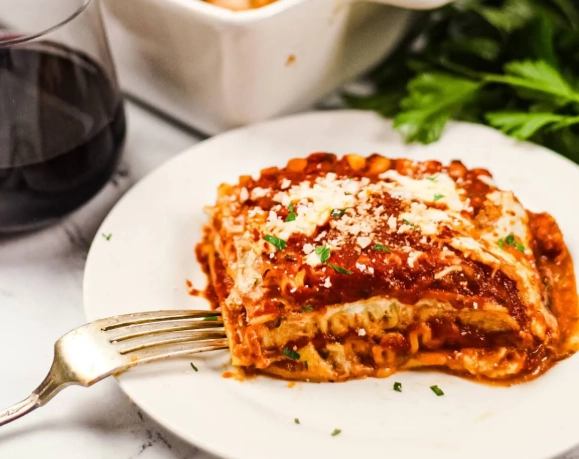
Authentic Italian Dinner Recipes & Essential Secrets Explained
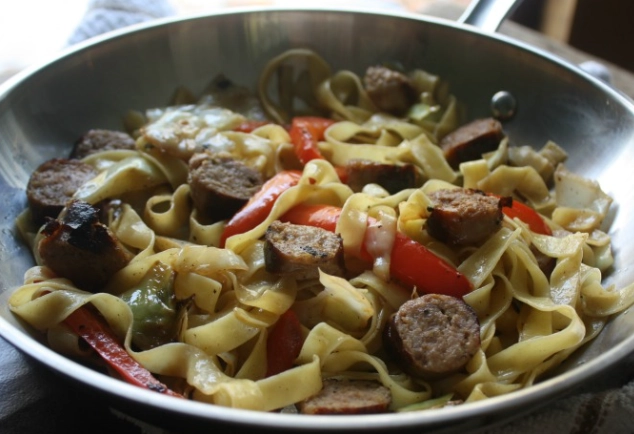
Simple Italian Sausage Dinners: Quick Recipes for Busy Nights
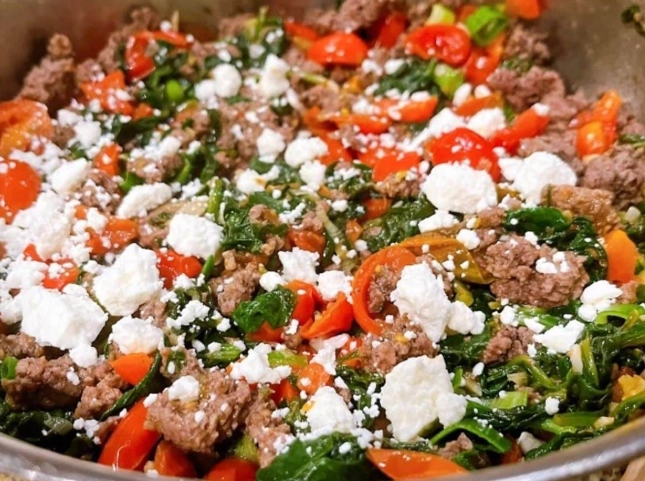
Ultimate Guide to Italian Baked Ground Beef Recipes